
Mr. Money Mustache, the influential figure behind the Financial Independence, Retire Early (FIRE) movement, has publicly addressed recent criticisms suggesting that his accumulated wealth has distanced him from the principles of everyday frugality he espouses. In a recent article, the blogger, whose real name is Pete Adeney, refuted claims that he no longer practices the money-saving habits he advocates, asserting that his lifestyle remains deeply rooted in efficiency, self-sufficiency, and community engagement, driven by enjoyment rather than necessity.
The Evolution of a Financial Guru and the Rise of "Mustachianism"
Pete Adeney, widely known by his pseudonym Mr. Money Mustache (MMM), gained prominence over a decade ago by chronicling his journey to early retirement at age 30. His blog quickly became a cornerstone of the FIRE movement, advocating for aggressive savings, mindful spending, and a rejection of consumerism to achieve financial independence. The core philosophy, often dubbed "Mustachianism," emphasizes that a high quality of life can be attained with significantly lower expenses through smart choices, DIY skills, and a focus on intrinsic value over material possessions.
As Adeney’s blog flourished and his investment portfolio grew substantially, a recurring critique emerged from some corners of his readership. These critics posited that his considerable wealth, estimated to be in the millions, would naturally lead to a departure from the frugal habits he once championed, making his advice less relatable to the "common person’s plight." This sentiment suggests a perceived disconnect between his current financial status and the struggle many face in adopting an austere lifestyle.
However, Adeney challenges this narrative, explaining that his wealth accumulation has not altered his fundamental approach to living. He argues that the very practices that facilitated his early retirement and wealth growth are inherently enjoyable and continue to be integral to his daily life. This perspective distinguishes Mustachianism from what he terms "standard financial advice," which often frames frugality as a temporary sacrifice until a savings goal is met, potentially leading to a "FatFIRE" approach where increased income justifies increased spending. In contrast, Mustachianism promotes a deeper cultivation of efficiency, creativity, self-awareness, and self-improvement, leading to a continuously improving quality of life while simultaneously reducing expenses.
Sustained Practices: An Analysis of Enjoyable Frugality
Adeney outlined several key areas where he continues to apply Mustachian principles, detailing how these activities not only save money but also contribute significantly to his overall well-being and life satisfaction. He quantifies the long-term financial impact of these habits, calculated over a decade, using a "rule of 172" where a monthly expense multiplied by 172 estimates its compounded value over ten years.
1. Home Maintenance and DIY:
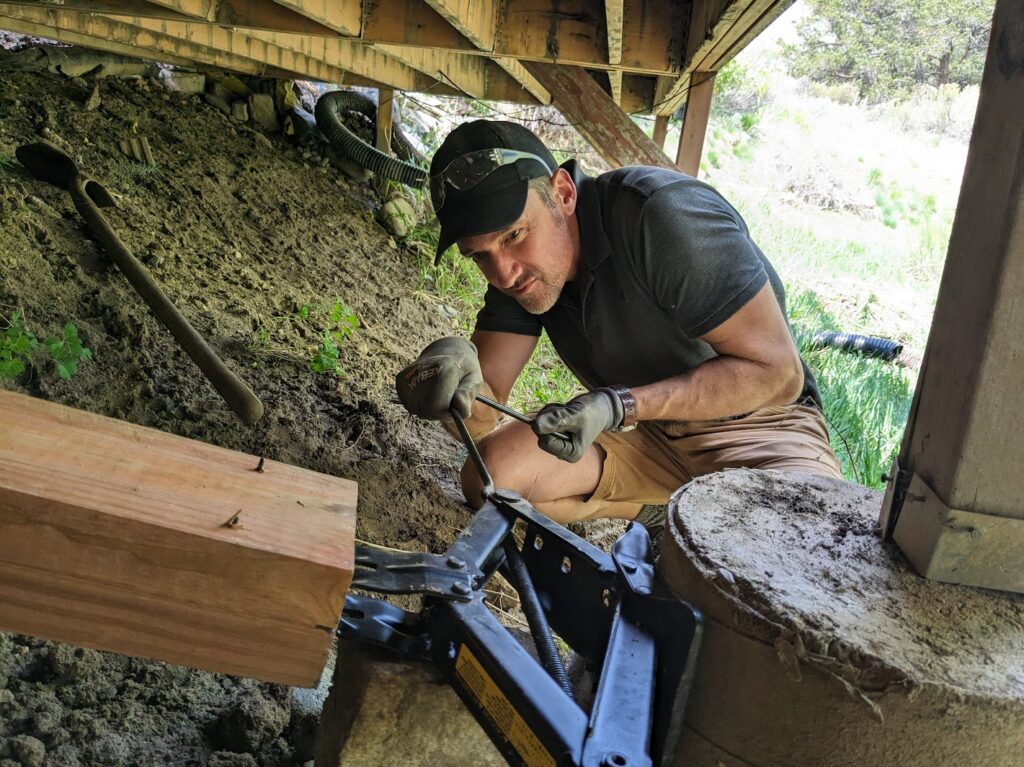
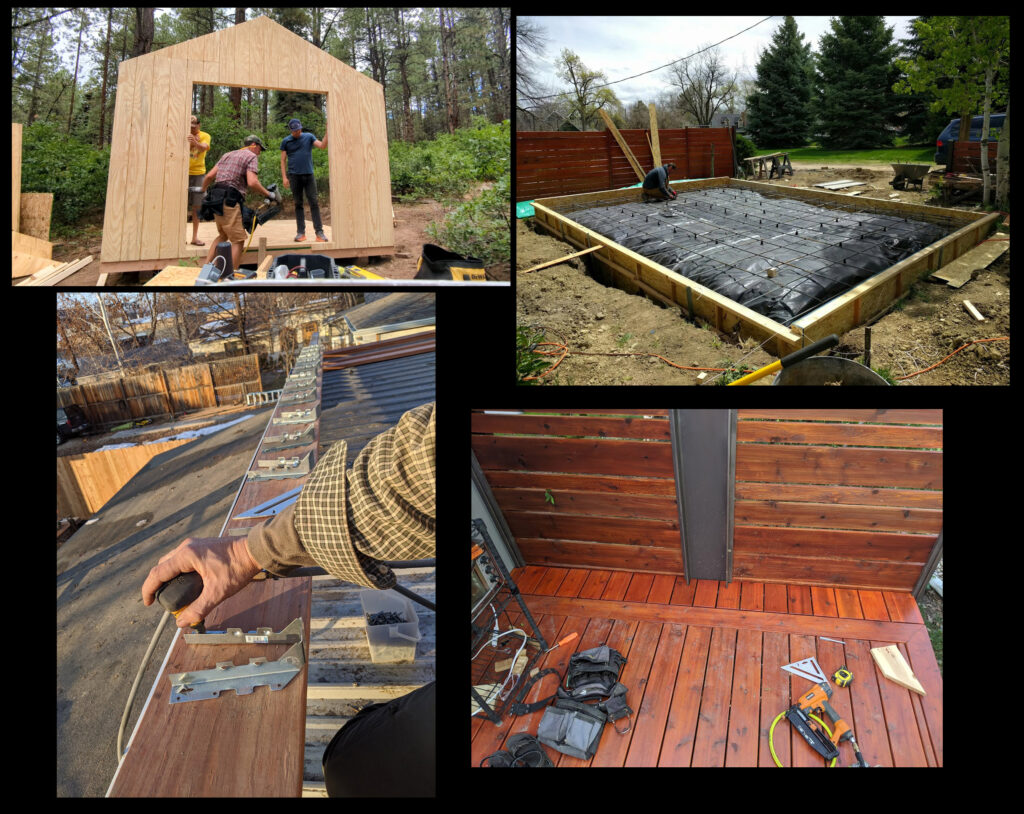
A strong proponent of self-sufficiency, Adeney dedicates substantial time to home improvement and maintenance, not only on his own properties but also assisting friends. This hands-on approach bypasses the significant costs associated with professional contractors. The average cost for home repairs and improvements in the U.S. can range from hundreds to thousands of dollars per project, with major renovations often exceeding tens of thousands. By performing these tasks himself, Adeney estimates an average annual saving of $20,000, translating to approximately $287,000 per decade through compounded savings. This practice underscores the value of acquiring practical skills, reducing dependency, and fostering a sense of empowerment.
2. Community and the Second-Hand Economy:
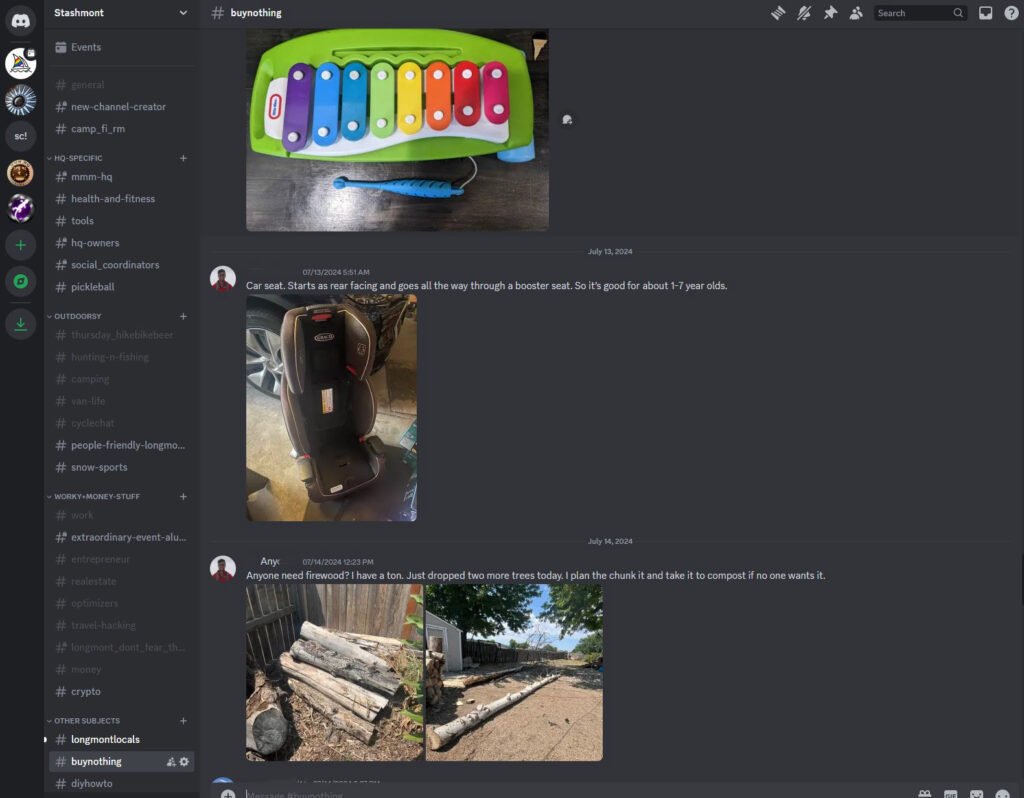
Rejecting the impulse to purchase new items, Adeney actively engages with the second-hand economy through platforms like Craigslist, Facebook Marketplace, and local "Buy Nothing" groups. His local community, particularly the MMM-HQ Discord server, facilitates the sharing, repurposing, and exchange of goods, fostering new friendships and strengthening local ties. This approach not only saves money but also promotes sustainable consumption and reduces waste. While specific data on individual savings from such practices is hard to generalize, a 2022 study by Mercari estimated that the resale market could save consumers an average of $1,000 annually. Adeney estimates his personal savings and earnings from these habits at approximately $2,930 annually, compounding to about $42,000 per decade.

3. Active Transportation: Bikes Over Cars:
A cornerstone of Mustachian philosophy, bike transportation remains a primary mode for Adeney’s local trips. His prior analysis, "The True Cost of Commuting," highlights that cars cost at least $0.50 per mile to operate, factoring in depreciation, maintenance, insurance, and fuel. In contrast, bicycles are significantly cheaper. Despite living in a walkable/bikeable city center, Adeney still cycles roughly 2,000 miles annually. This active choice saves approximately $1,000 per year in direct transportation costs, accumulating to an estimated $14,000 per decade. Beyond the financial aspect, active transportation contributes to improved physical and mental health.
4. Muscle Over Motor: Prioritizing Physical Activity:
Adeney intentionally opts for physical exertion over motorized assistance whenever possible. This includes taking stairs, running golf courses, moving furniture manually, and performing yard work without machinery. This consistent integration of physical activity into daily life contrasts with the sedentary lifestyles prevalent in many modern societies. The Centers for Disease Control and Prevention (CDC) consistently links regular physical activity to a reduced risk of chronic diseases, improved mental health, and increased longevity. While difficult to quantify precisely, Adeney conservatively estimates a $10,000 annual saving in healthcare costs and increased productivity due to superior health, leading to an estimated $140,000 per decade. The average American spends approximately $13,000 per year on healthcare, making this a significant area of potential savings through preventative health measures.

5. Energy Efficiency and "Glamping" at Home:
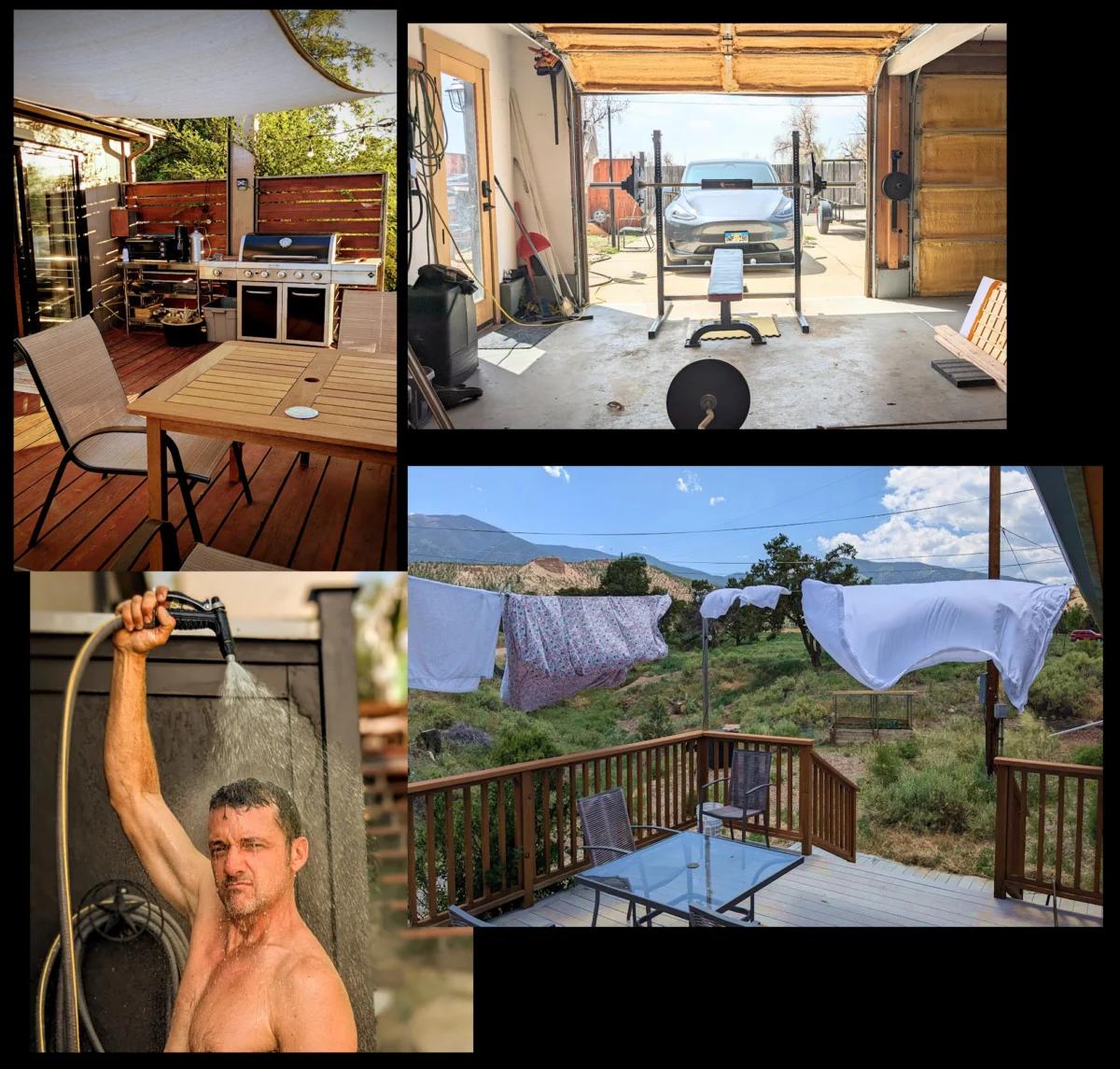
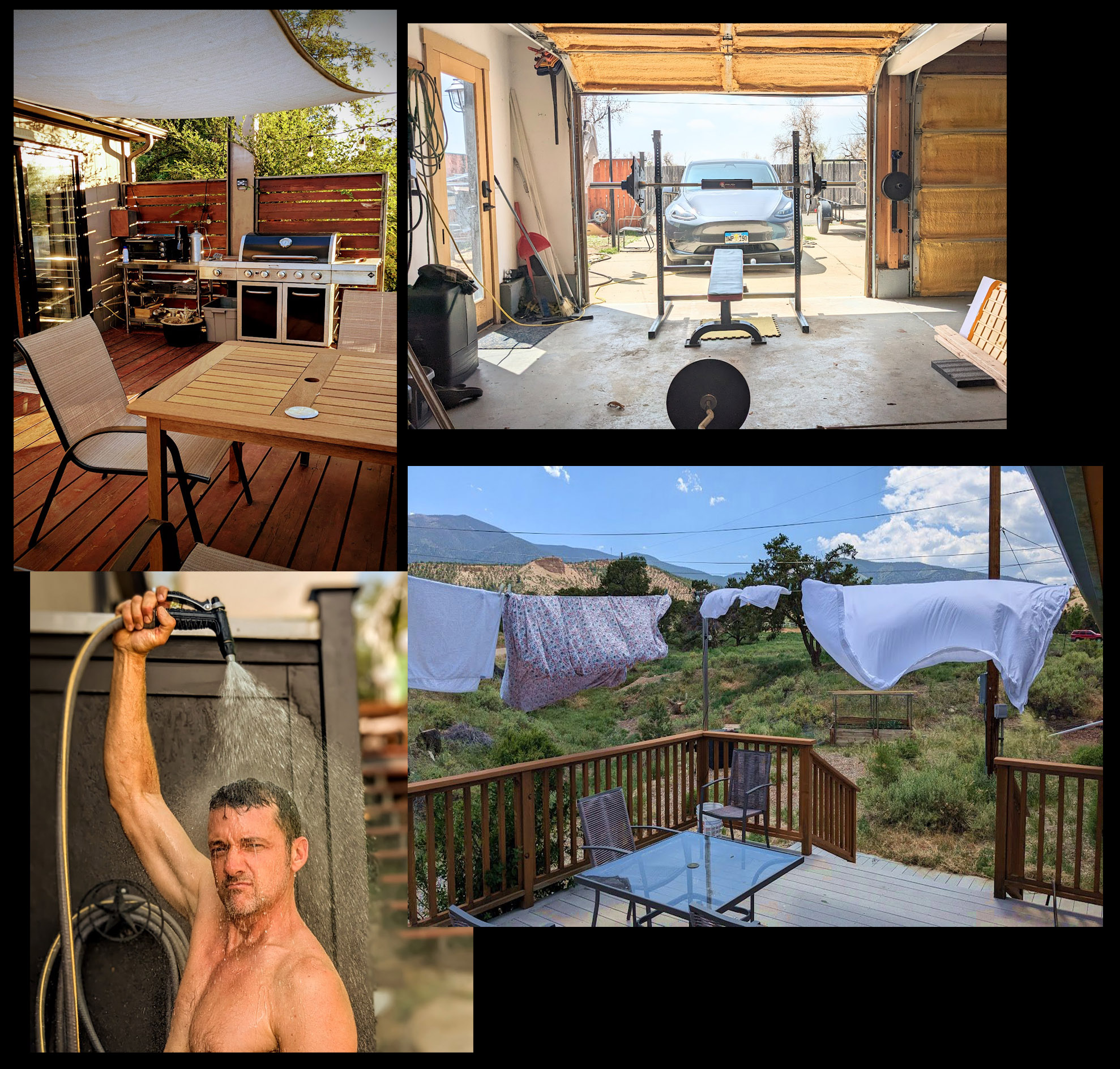
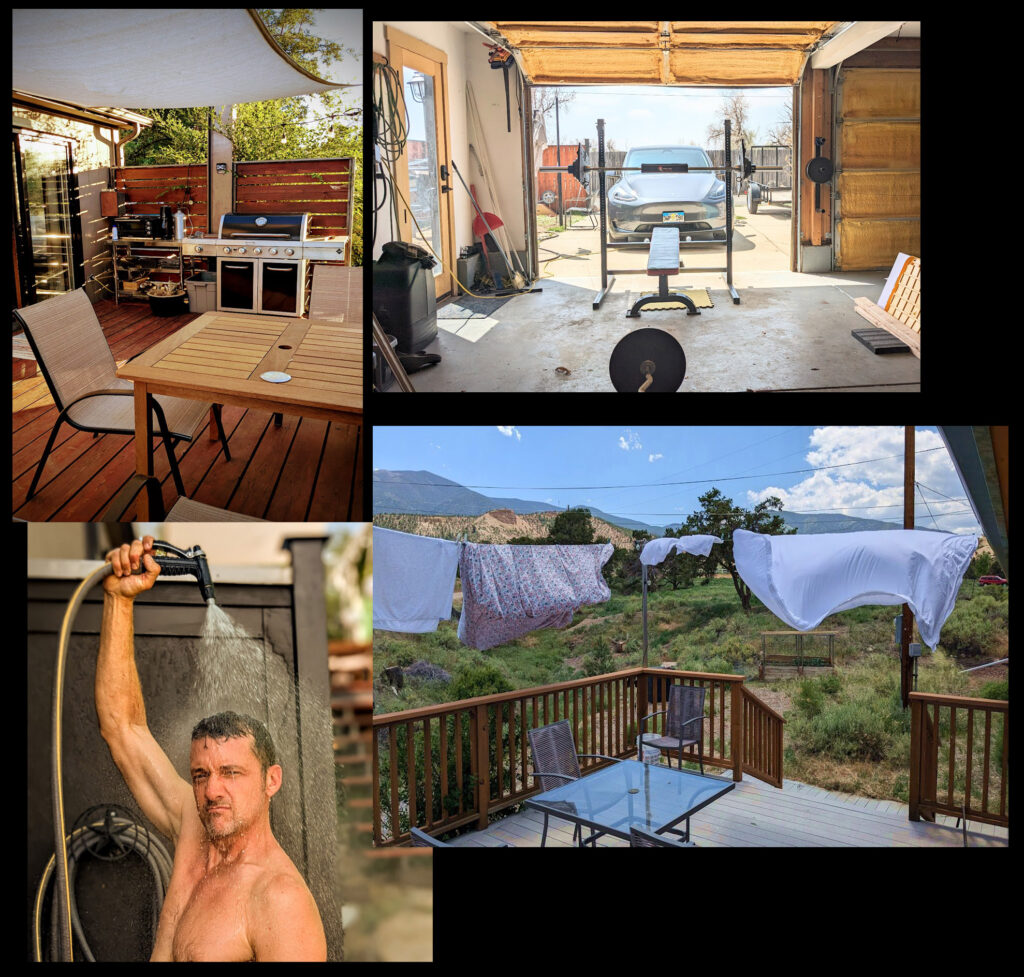
Adeney describes his home as an "Energy Efficiency Playground," where he continuously experiments with and implements measures to reduce energy consumption. This includes passive solar design through strategic window and door installations, outdoor cooking, showering, and laundry during appropriate seasons, and line-drying clothes. While these practices might seem unconventional to some, they contribute to a significantly lower utility bill. The average combined gas and electric bill in the U.S. can range from $150 to $300 per month. Adeney’s monthly utility usage is around $75, a substantial reduction from the local average of $250. This $175 monthly saving translates to approximately $2,100 annually, compounding to an estimated $30,000 per decade. This approach highlights the joy found in mindful living and harmony with natural cycles.
6. Local Living Over Constant Travel:
In an era where frequent travel is often seen as a status symbol or a necessity for a rich life experience, Adeney advocates for a balanced approach that values local living. By consciously choosing to say "no" to excessive travel plans and "yes" to staying home, he emphasizes the benefits of nurturing local friendships, participating in community events, and enjoying one’s immediate surroundings. Frequent family travel can easily cost several thousand dollars per trip, and these expenses accumulate rapidly. Adeney estimates that replacing just two weeks of family travel with equivalent time at home can save approximately $5,000 annually in direct costs, with an additional $5,000 in incidental benefits such as enhanced health and stronger local relationships. This combined annual saving of $10,000 results in a striking $143,000 increase in wealth per decade. He acknowledges the value of travel for broadening perspectives but stresses the importance of discernment and balance.
Broader Implications and Sustained Impact
Collectively, these six practices account for an estimated wealth increase of $656,000 per decade, a figure that significantly surpasses the median wealth of many American seniors entering retirement after a lifetime of work. This demonstrates that sustained frugal habits, driven by enjoyment and efficiency, can lead to substantial financial gains over time, regardless of an individual’s starting wealth.

Adeney’s continued adherence to these principles, even after achieving significant financial independence, serves as a powerful counter-narrative to the perception that wealth inevitably leads to extravagance. It reinforces the core Mustachian tenet that financial independence is not merely about accumulating money but about cultivating a lifestyle that prioritizes well-being, skill development, community, and environmental consciousness. His example suggests that true wealth is found in a life rich in experiences, competence, and connection, rather than in endless consumption.
The enduring relevance of Mustachianism, as demonstrated by Adeney’s own practices, lies in its emphasis on intrinsic motivation. When money-saving activities are genuinely enjoyed and aligned with personal values, they become sustainable lifestyle choices rather than temporary sacrifices. This philosophy continues to resonate with a growing number of individuals seeking a more intentional and fulfilling path to financial freedom. The ongoing dialogue around his personal financial journey underscores the movement’s focus on defining a "rich life" on one’s own terms, whether early in the journey or decades after reaching the destination.

