
By Bev Bachel
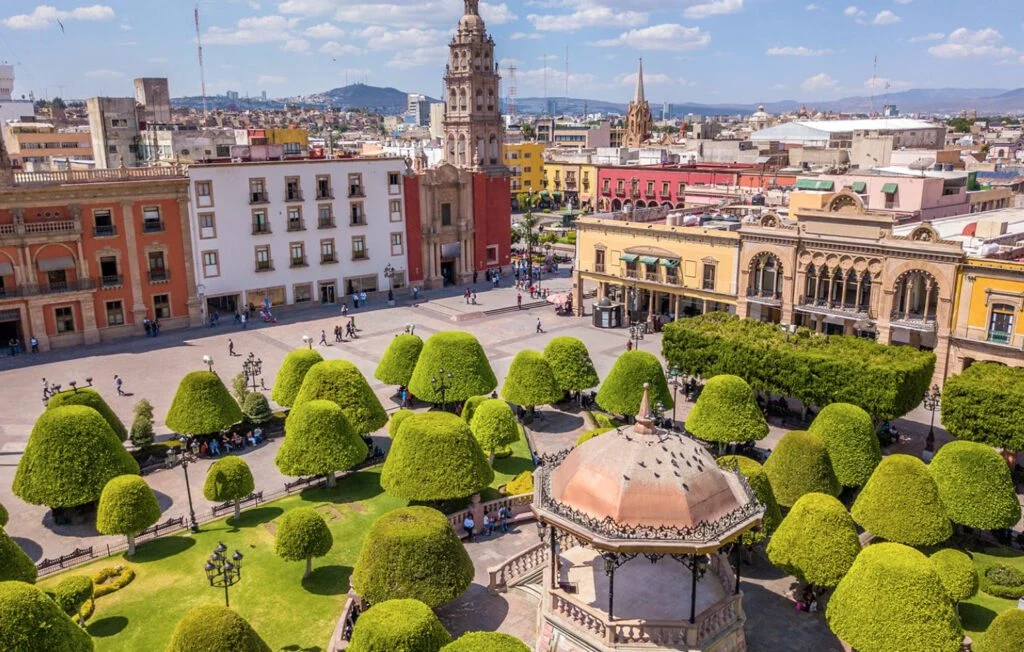
The allure of retirement abroad has long captivated the imaginations of Americans seeking a change of scenery, a lower cost of living, or simply a new adventure. For Anne Nicolai, a seasoned writer and entrepreneur, this aspiration transformed into a tangible reality in 2008 when she traded her full-time corporate career and Minnesota home for a vibrant life as a part-time freelancer and karaoke host in San Miguel de Allende, Mexico. Nicolai, who now helms MoveToMexico.org, offers a wealth of insights gleaned from over a decade of expatriate living, illuminating the profound personal growth and practical considerations involved in such a significant life transition. Her experiences underscore that retirement abroad is not merely a geographical shift but a deeply transformative journey.
Embracing the Unknown: The Power of Personal Capability
One of the most striking lessons Nicolai emphasizes is the profound realization of one’s own latent capabilities. "You are capable of more than you give yourself credit for," she asserts, reflecting on her initial struggles with the Spanish language and basic financial conversions. Fourteen years later, Nicolai is not only bilingual but also a confident karaoke host, a testament to her dedication and willingness to push beyond her perceived limitations. Her journey involved navigating complex bureaucratic processes, including multiple visa renewals and the eventual acquisition of permanent residency – a task that required significant perseverance and engagement with a foreign administrative system.
The logistical challenges of expatriate life often extend beyond administrative hurdles. Nicolai recounts undertaking the four-day drive between San Miguel de Allende and Minneapolis more than twenty times, often solo. These journeys, while fraught with potential difficulties such as getting lost or encountering bribery attempts, served as powerful catalysts for personal development. Each challenge overcome reinforced her resilience and expanded her comfort zone, demonstrating that the perceived difficulties of relocating abroad can forge an individual’s strength and adaptability in ways that predictable domestic life might not. This echoes a broader trend observed among retirees who opt for international living; a 2022 survey by International Living magazine indicated that over 70% of surveyed expats reported feeling more confident and capable after their move.
Navigating New Environments: The Strategic Advantage of Community and Security
Relocating to a foreign country inherently involves a heightened awareness of safety and security. Nicolai acknowledges the ubiquitous security measures in Mexico, such as reinforced windows and doors, and the pragmatic understanding that personal belongings left unattended are vulnerable to theft. These observations highlight a common concern for prospective retirees considering international destinations. However, she quickly pivots to the crucial role of community in mitigating these risks.
"There is safety in numbers," Nicolai states, underscoring the importance of integrating into existing expat networks. In San Miguel de Allende, for instance, the presence of a substantial expatriate community has led to the establishment of enhanced security infrastructure, including English-speaking emergency services and a direct line to the American consular agency. This is not unique to Mexico; similar support systems are often developed in areas with significant foreign resident populations, whether in China, Nigeria, India, or Ecuador.
The benefit of a robust expat community extends beyond formal security measures. It fosters social cohesion and mutual support. Nicolai describes her personal approach to safety, which involves cultivating strong relationships with her neighbors, enabling her to seek assistance without hesitation. This emphasis on community engagement is vital for both physical and emotional well-being, providing a crucial safety net and a sense of belonging in an unfamiliar environment. The presence of English-speaking locals, a common byproduct of established expat enclaves, further facilitates integration and reduces potential communication barriers, making daily life more manageable and secure.
Bridging Distances: The Indispensable Role of Technology
In an increasingly interconnected world, technology serves as a vital bridge, connecting expatriates with their loved ones and essential services back home. Nicolai highlights the ubiquitous availability of high-speed internet and affordable mobile services globally. Applications like WhatsApp, Duo, and FaceTime facilitate free voice and video calls, enabling retirees to remain actively involved in family milestones, from birthdays to holidays, irrespective of geographical distance.
The implications of technological connectivity extend to healthcare and financial management. Virtual healthcare appointments and online bill payment services simplify the management of affairs in one’s home country, reducing potential logistical burdens. Furthermore, Social Security benefits can often be directly deposited into foreign bank accounts, offering financial flexibility.
Beyond personal connections, technology is instrumental in integrating into a new community. Expat forums on platforms like Facebook provide invaluable real-time information on local events, social gatherings, crime alerts, and recommendations for goods and services. Navigational tools such as Google Maps and Waze empower individuals to explore their surroundings with confidence, locating essential amenities like shops, restaurants, and public transportation. This digital infrastructure ensures that expatriates can remain informed, connected, and self-sufficient, mitigating the isolation that might otherwise accompany living abroad. Data from the Pew Research Center indicates that internet penetration in Latin America has reached over 70%, underscoring the widespread accessibility of these digital tools.
Cultural Immersion: A Catalyst for Personal Transformation
The decision to retire abroad often stems from a desire for experiences that differ from those available in one’s home country. Nicolai, a self-described "Type A" individual accustomed to a consumer-driven lifestyle in Minnesota, sought greater sunshine, vibrant cultural diversity, and the intellectual stimulation of learning a new language. Her fourteen years in Mexico have profoundly reshaped her perspective, cultivating qualities such as patience, humility, and simplicity.
This immersion has led to a significant shift in her consumption habits. Nicolai notes a reduced inclination to purchase material possessions, focusing instead on essential needs and her passion for karaoke music. Her lifestyle has become more active and health-conscious, with increased walking and dancing contributing to her well-being. This experience is not isolated; anecdotal evidence and studies on expatriate well-being frequently cite a shift towards a less materialistic and more experience-focused lifestyle as a common benefit of living abroad. A 2023 report by the Global Wellness Institute noted that cultural immersion is a significant driver of well-being for expatriates, contributing to lower stress levels and increased life satisfaction.
The intellectual challenge of adapting to a new culture, navigating different social norms, and mastering a new language fosters cognitive flexibility and a broadened worldview. This process of cultural immersion, while initially demanding, ultimately leads to personal growth and a deeper understanding of oneself and the world.
The Unwritten Exit Strategy: The Freedom to Return
A significant, often overlooked, aspect of retiring abroad is the inherent flexibility to return home. Nicolai reassures prospective expatriates that the decision to move overseas does not represent an irreversible commitment. She points to numerous individuals, some in their 80s and 90s, who have lived abroad for decades, while also acknowledging those who have chosen to return to their home countries for health reasons or to be closer to family. The ability to transition between countries, whether from Mexico to Thailand, New Zealand, or Portugal, highlights the fluid nature of modern retirement.
"There is no right way or wrong way to retire; there is no perfect timing; there is no right or wrong place," Nicolai emphasizes. This perspective reframes retirement abroad not as a definitive choice but as an ongoing exploration, a process of trial and error rather than a binary of success or failure. For Nicolai, Mexico has become home, but the possibility of living in the United States again, or exploring other parts of the world, remains open. Her experience is mirrored by many who seek reinvention, healing, or simply a new adventure in their retirement years. The freedom to choose one’s path, to adapt and change course as needed, is perhaps the most empowering lesson of all for those considering life beyond their native shores. The increasing ease of international travel and the globalized economy further support this notion of mobility for retirees.
The narrative of expatriate retirement is one of profound personal transformation, driven by courage, adaptability, and a willingness to embrace the unknown. As Anne Nicolai’s experiences illustrate, stepping outside one’s comfort zone to live abroad can unlock a wealth of personal growth, forge new connections, and ultimately lead to a richer, more fulfilling retirement.

