
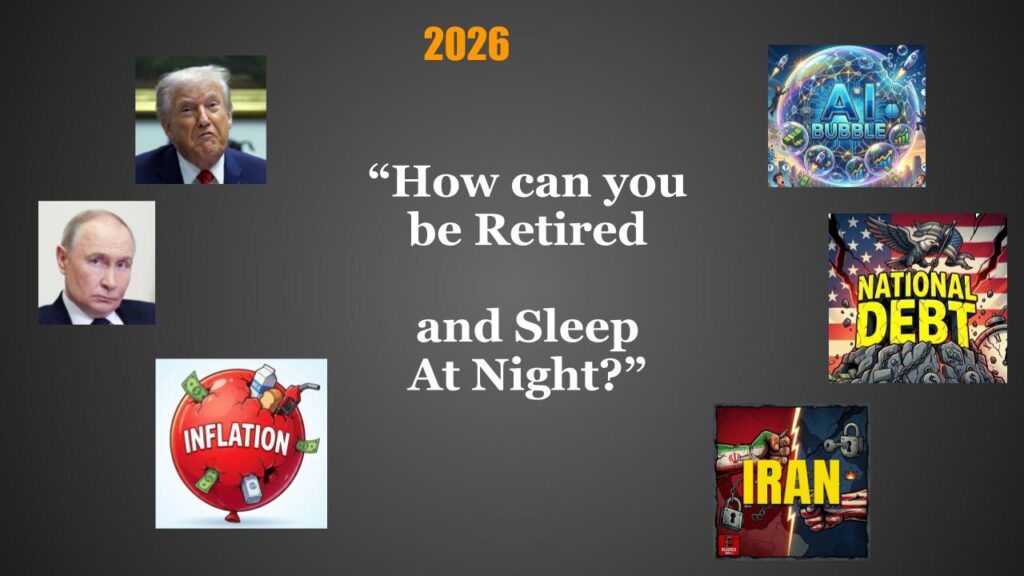
The global stock market continues its unpredictable trajectory, once again prompting both excitement and apprehension among investors. As valuations soar to unprecedented heights, driven largely by the frenetic pace of innovation in Artificial Intelligence (AI), a familiar debate resurfaces: are we witnessing a genuine technological revolution, or the ominous inflation of another economic bubble destined to burst? This current surge, particularly the AI boom, has led many to draw parallels with historical market manias, stirring anxieties about a potential crash mirroring the dot-com era of the early 2000s or the housing market collapse of 2008.

The AI Revolution: Hype or Fundamental Transformation?
The current AI narrative is characterized by rapid advancements in machine learning, neural networks, and generative AI, exemplified by technologies like large language models. These innovations are reshaping industries, promising exponential gains in efficiency and unlocking entirely new capabilities across sectors from software development and finance to healthcare and transportation. Investor enthusiasm has propelled the valuations of AI-centric companies to record levels, with some firms experiencing meteoric growth in market capitalization over the past two years.

However, this rapid ascent has ignited concerns among economists and market analysts. Critics argue that the exuberance surrounding AI might be outpacing its immediate practical applications and revenue generation, creating a speculative environment reminiscent of past bubbles. They point to the speed of investment, the high multiples at which some AI companies trade, and the potential for a disconnect between perceived value and underlying fundamentals as warning signs. Proponents, conversely, view AI not merely as an invention but as a foundational technology, akin to electricity or the internet, poised to fundamentally transform global productivity and generate enduring economic value.
Echoes of the Past: A Chronology of Market Cycles and Resilience

To understand the current climate, a historical perspective on market volatility and recovery is essential. Financial markets are inherently cyclical, prone to periods of irrational exuberance followed by sharp corrections.
The Dot-Com Bubble of the late 1990s and early 2000s serves as a potent reminder. Fueled by speculative investment in nascent internet companies, valuations detached from profitability, leading to a dramatic collapse between 2000 and 2002. The NASDAQ Composite, heavily weighted with tech stocks, lost nearly 78% of its value. While devastating for many, this period also laid the groundwork for the modern digital economy, demonstrating that even significant market corrections do not halt underlying technological progress. For some, like early career professionals in the burgeoning internet sector, this boom provided a significant launchpad before the ensuing crash brought job insecurity and personal financial challenges, highlighting the dual nature of market cycles.
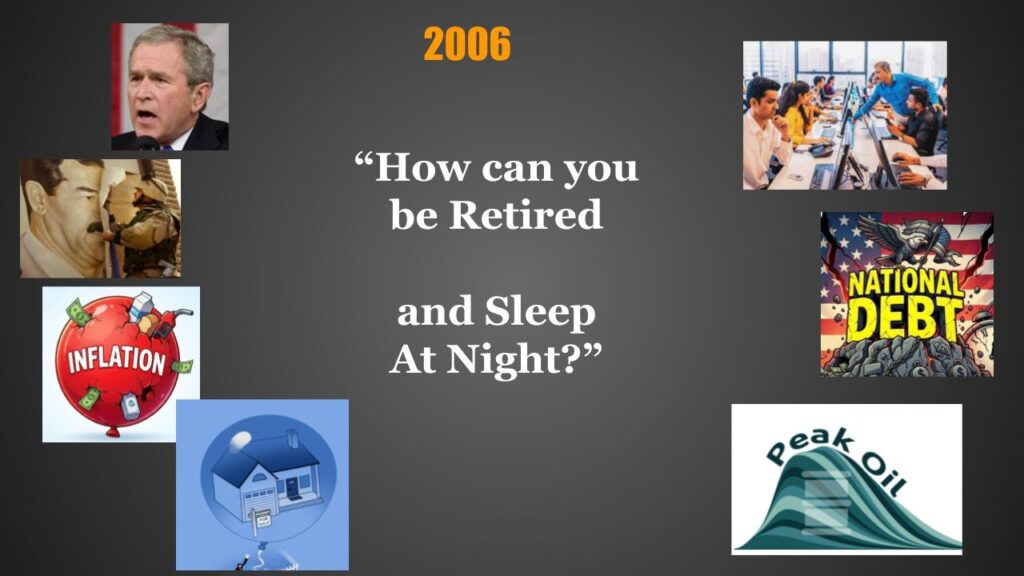
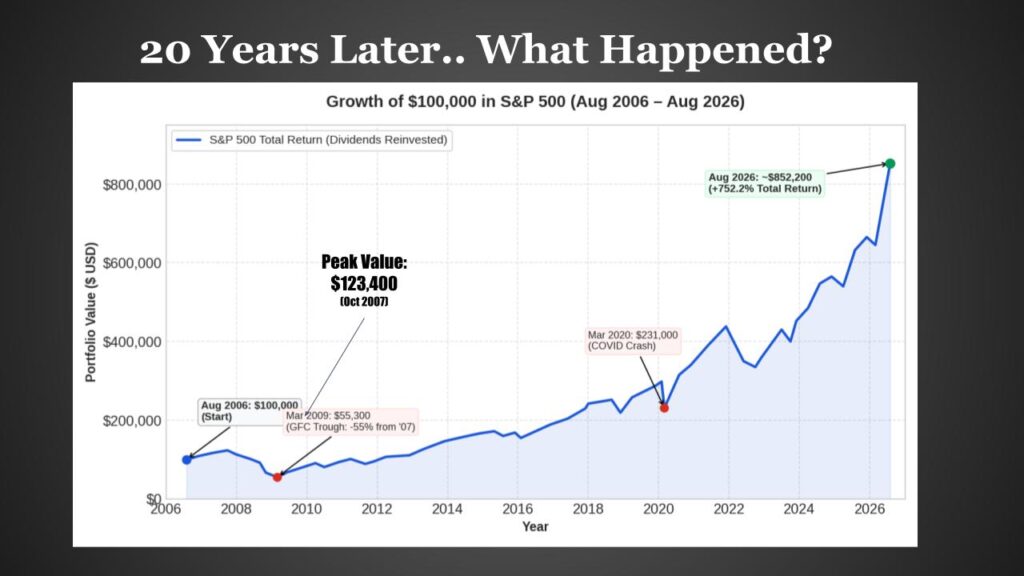
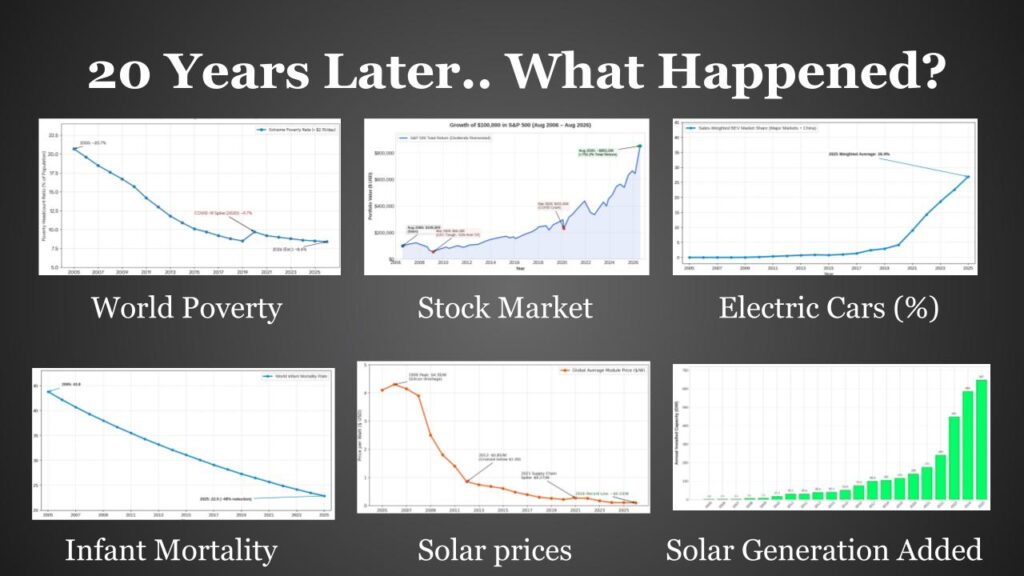
Less than a decade later, the Great Financial Crisis of 2008 emerged from an entirely different set of circumstances: a housing market bubble inflated by subprime mortgages and complex, highly leveraged financial instruments. This crisis, the most severe since the Great Depression, saw global financial systems teeter on the brink. Yet, despite the unprecedented scale of the downturn, markets eventually recovered. A hypothetical $100,000 investment made in a broad market index like the S&P 500 in 2006, despite enduring the 2008 crash, would have grown to approximately $852,000 by 2026, representing an impressive average annual return of around 11.2%. This long-term growth trajectory underscores the market’s fundamental resilience and its capacity to rebound from even the most severe shocks. The brief but sharp COVID-19 market crash in 2020 further illustrated this pattern, with a swift recovery driven by unprecedented fiscal and monetary stimulus and rapid adaptation by businesses and consumers.
Beyond the Market: A Broader Arc of Global Progress
While financial market fluctuations capture headlines, a wider lens reveals a consistent trend of global human progress over the past two decades, often overshadowed by daily anxieties. Since 2006, significant strides have been made across various critical indicators:
- Poverty Reduction: The proportion of people living in extreme poverty (defined as living on less than $2.15 per day, adjusted for purchasing power parity) has dramatically decreased. According to World Bank data, approximately 20% of the global population lived in extreme poverty in 2005; by 2023, this figure had fallen to around 8%, lifting billions out of the most severe deprivation.
- Health Improvements: Global infant mortality rates, a key indicator of public health and development, have been nearly halved. In 2005, roughly 40 out of every 1,000 children died before their first birthday; by 2023, this number had dropped to approximately 25 per 1,000 live births, largely due to advancements in medicine, sanitation, and access to healthcare.
- Clean Energy Transition: The cost of solar photovoltaic panels has plummeted by approximately 90% over the past two decades, making solar power remarkably competitive. This cost reduction has propelled renewable energy sources, particularly solar, to become the dominant form of new electricity generation added globally. In 2023 alone, the world added solar capacity equivalent to hundreds of large nuclear power plants.
- Electric Vehicle Adoption: The market for pure electric vehicles (EVs), virtually non-existent in 2006, has surged. In 2023, EVs constituted roughly 15-20% of all new car sales globally, with some countries like Norway achieving near 100% adoption rates for new vehicles, signaling a transformative shift in transportation.
These advancements demonstrate that despite geopolitical tensions, economic downturns, and persistent challenges, human ingenuity and collective effort continue to drive progress, fostering a more prosperous and sustainable world.
The Engine of Prosperity: Productivity and Innovation
At the core of long-term economic growth and increasing standards of living lies productivity. Prosperity is not merely a function of financial systems or fluctuating stock market numbers, but rather the tangible output generated by real people creating real inventions and performing real work more efficiently. Historically, every major technological leap, from the agricultural revolution to the industrial age and the digital era, has significantly boosted human productivity.
Artificial Intelligence is poised to be the next major accelerator of this trend. Analogous to a "cognitive nail gun," AI functions as a super-smart, accessible computational tool that can amplify human capabilities. It automates repetitive tasks, analyzes vast datasets, generates creative content, and optimizes complex processes, leading to substantial efficiency gains. While this will inevitably lead to job displacement in certain sectors (e.g., entry-level office roles, long-haul trucking), it simultaneously creates new industries, new job categories, and cheaper goods and services. The internet, smartphones, and mobile apps all followed a similar pattern, disrupting existing models while unleashing enormous new economic activity.
However, a key implication of such transformative technologies is often the concentration of rewards. The primary beneficiaries tend to be those who own the technology, the capital, and the companies deploying it. This dynamic can exacerbate wealth inequality, even as overall societal productivity and prosperity increase. Public company shareholders, including many individual investors, often benefit from these productivity gains, as reflected in portfolio growth.

The Enduring Challenge: Overcoming Financial Fear
Despite overwhelming evidence of long-term progress and market resilience, fear remains a powerful, often irrational, force in human decision-making, particularly concerning finances. As a species, humans are fundamentally "danger detection machines," an evolutionary trait designed for survival in harsh environments. However, in modern society, this mechanism often misfires, fixating on perceived threats even when objective dangers are minimal.
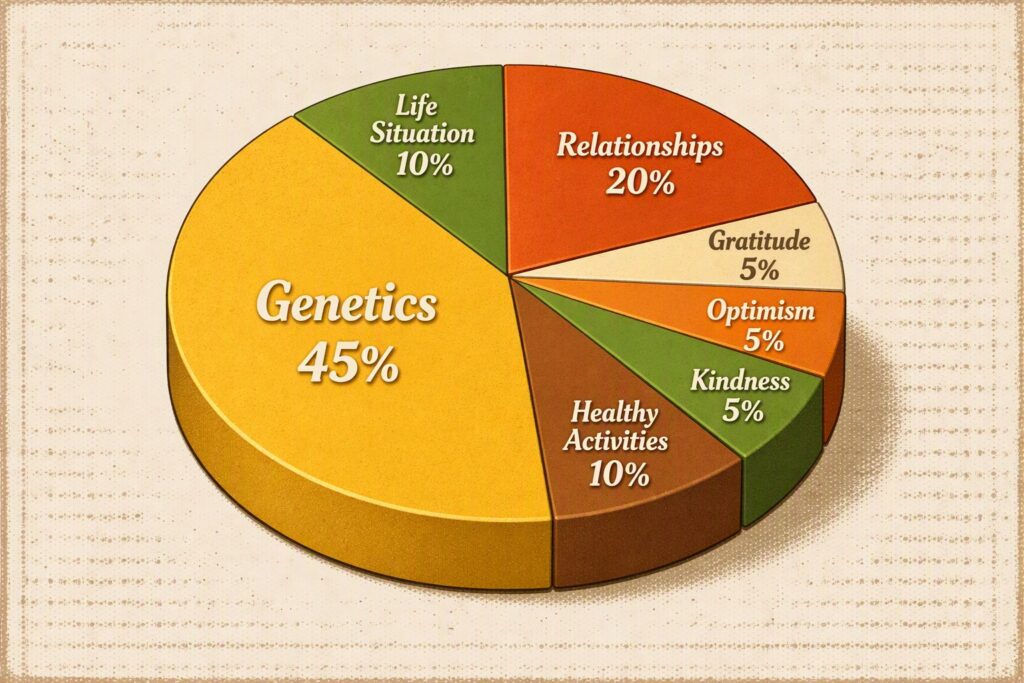
This phenomenon is exacerbated by cognitive biases such as anchoring bias and the contrast effect, where individuals judge their current situation by comparing it to extreme reference points or aspirational ideals rather than objective realities. This leads to a constant shifting of "goalposts," where overcoming one fear simply leads to the emergence of another. Concerns can escalate from basic scarcity to social acceptance, then to accumulating wealth, and even to trivial anxieties like homeowners’ association rules or managing "too much money" in retirement accounts (e.g., Required Minimum Distributions).
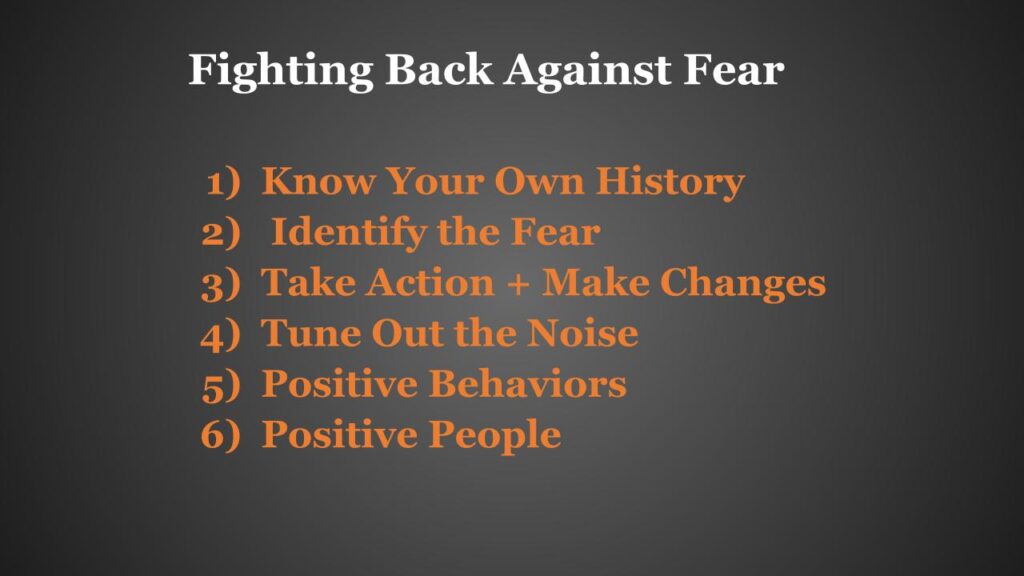
Combating this pervasive fear requires self-awareness and rational engagement. Strategies include:

- Understanding Personal History: Recognizing how past experiences, such as childhood scarcity or trauma, may predispose individuals to certain anxieties.
- Identifying and Analyzing Fear: Objectively evaluating the worst-case scenario of a feared outcome, often revealing it to be less catastrophic than initially imagined.
- Taking Action: Engaging in constructive activities, which builds confidence and familiarity, thereby reducing the unknown that often fuels fear. This cultivates resilience, the ability to adapt to any new situation.
- Mindful Information Consumption: Disengaging from the sensationalism of daily news cycles, which often amplify fear, and instead seeking in-depth, balanced information.
- Cultivating Positive Social Connections: Surrounding oneself with optimistic, productive individuals who focus on solutions and growth rather than fear and negativity.
Adopting an Experimental Mindset in an Era of Change
In a world defined by continuous change, embracing an "Everything is an Experiment" mindset offers a powerful antidote to fear. This approach encourages viewing new situations—whether personal decisions or major technological shifts like AI—as opportunities for learning and adaptation rather than sources of dread. It transforms the unknown into an engaging challenge.
From this perspective, the AI era is not an impending catastrophe but a vast, fascinating experiment. Instead of succumbing to fear-mongering narratives, individuals can choose to understand the underlying drivers of AI, recognize its potential as a "cognitive nail gun" for enhancing productivity, and explore how to leverage it for personal and collective benefit. While AI, like all transformative technologies, will bring disruptions and challenges, it also presents unparalleled opportunities for innovation, efficiency, and a higher standard of living.
Ultimately, navigating the complexities of market volatility and technological evolution hinges not just on economic understanding, but on psychological resilience. The capacity to manage innate fears, embrace optimism, and take proactive steps towards learning and adaptation will determine individual and societal success in an ever-changing world. As famously articulated by financial thought leaders, "Everything you want in life, that you don’t already have, lies on the other side of Fear. Because if you weren’t afraid to go out there and get it, you would already have it." This principle underscores the profound impact of our mindset on our ability to seize opportunities and shape our future.

