
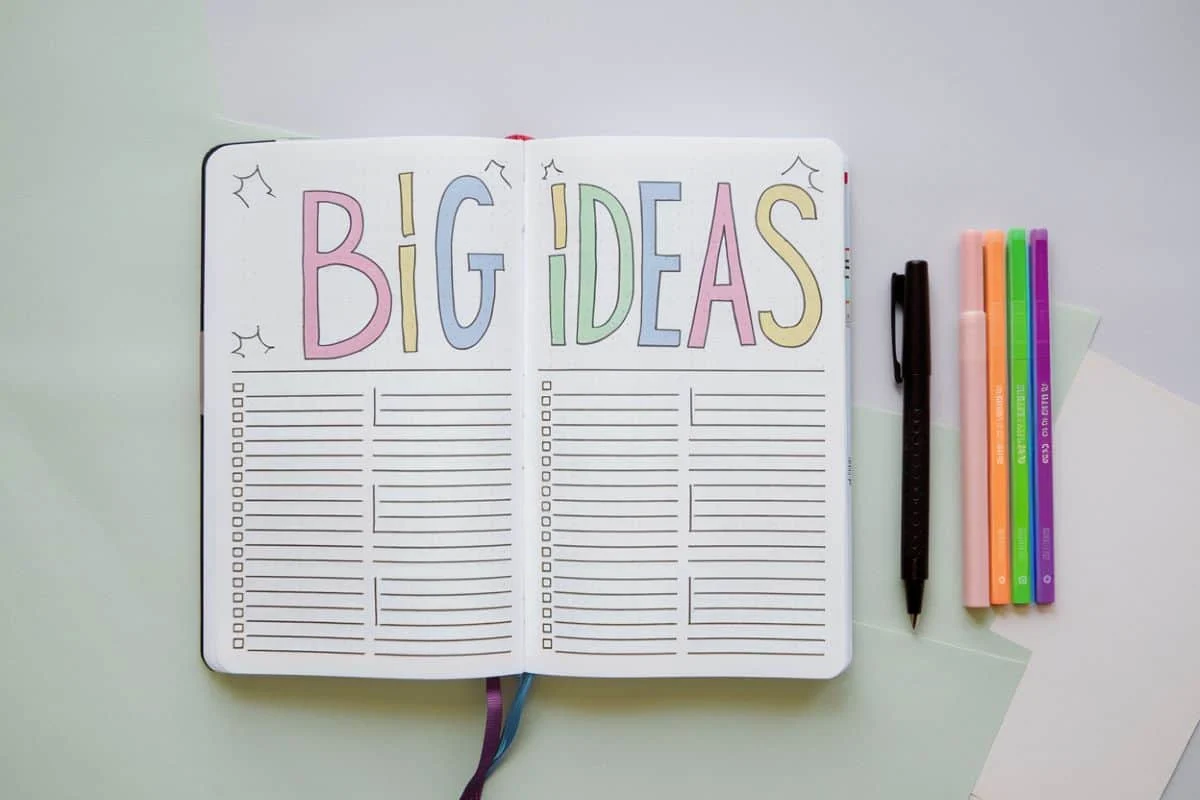
The burgeoning world of bullet journaling, often abbreviated as BuJo, offers a uniquely adaptable framework for personal organization, creative expression, and goal achievement. While the sheer breadth of possibilities can initially seem overwhelming, understanding the core principles and tailoring the system to individual needs is paramount. This comprehensive guide delves into the essence of bullet journaling and provides an extensive collection of page ideas, ranging from foundational layouts to specialized trackers, designed to ignite inspiration and foster productivity for enthusiasts of all levels.
At its heart, a bullet journal is a customizable analog system for managing one’s life. Pioneered by Ryder Carroll, it employs a method of rapid logging using bullet points, symbols, and short-form notes to capture tasks, events, and ideas. This flexible approach allows users to integrate to-do lists, calendars, habit trackers, personal reflections, and a myriad of other organizational tools into a single, cohesive notebook. Unlike pre-formatted planners, the bullet journal’s strength lies in its adaptability, evolving alongside the user’s changing priorities and interests.
The fundamental appeal of bullet journaling stems from its capacity to bring clarity and structure to daily life, while simultaneously promoting mindfulness and focus. In an increasingly digital world, the tangible act of writing can foster deeper engagement with thoughts and commitments. This method is lauded for its potential to reduce stress by providing a clear overview of responsibilities, enhance productivity by breaking down large goals into manageable steps, and facilitate intentional progress across both personal and professional spheres. Research into personal productivity systems consistently highlights the benefits of analog methods for cognitive processing and memory retention, making the bullet journal a compelling tool for those seeking to optimize their lives.

To embark on a successful bullet journaling journey, the key lies in a strategic approach. Beginning with a few essential pages that directly address personal needs and interests is more effective than attempting to implement every conceivable spread. The philosophy of "functional over perfect" is central; the journal is a tool designed to serve the user, not an artistic endeavor unless that is the user’s primary intention. Experimentation is encouraged, but it should be guided by the goal of creating a system that genuinely works for the individual.
Essential Bullet Journal Supplies and Setup
The initial investment in a bullet journal system is remarkably low. The core components are a notebook and a pen. Dot grid notebooks are particularly popular due to their balance of subtle guidance and creative freedom. The dot grid provides a framework for writing, drawing, and creating layouts without the restrictive lines of traditional ruled paper. The choice of notebook can range from economical options to premium journals, with the primary consideration being the quality of the paper to minimize ink bleed-through. Pre-numbered pages are a helpful feature, though numbering them manually is a straightforward task.
For writing instruments, a smooth-writing pen that does not bleed through the paper is essential. Many users find that gel pens or fine-liner pens offer a satisfying writing experience. As the user becomes more comfortable with the system, additional supplies like colored pens, markers, stencils, and washi tape can be incorporated to enhance the visual appeal and organizational capabilities of the journal. However, the foundational elements remain a reliable notebook and pen.

Core Bullet Journal Layouts: The Foundation of Organization
Every effective bullet journal, regardless of its complexity, benefits from a few foundational layouts. These pages serve as the central organizing principles of the system:
-
The Index: This is arguably the most crucial page, acting as a table of contents for the entire journal. As new sections or spreads are added, their corresponding page numbers are recorded in the index. This allows for quick retrieval of information, transforming the journal from a collection of pages into a navigable resource. A well-maintained index is vital for efficient use of the bullet journal over time.
-
The Future Log: This spread provides an overview of the months ahead. Typically, it is divided into sections for each upcoming month, allowing the user to record future appointments, deadlines, birthdays, and significant events. This serves as a bird’s-eye view, helping to plan long-term activities and avoid scheduling conflicts. The future log is the first step in migrating tasks and events into monthly and daily logs.

-
The Monthly Log: This layout typically consists of two parts: a calendar view and a task list. The calendar view provides a chronological overview of the current month, with space to jot down appointments and events. The task list section is dedicated to listing all tasks that need to be accomplished during the month, which are then migrated from the future log or added as new priorities arise.
-
The Daily Log: This is the workhorse of the bullet journal, where the day-to-day organization happens. Each day is assigned a page or spread, and rapid logging is employed to record tasks, events, and notes as they occur. Tasks are marked with specific symbols (e.g., a dot for tasks, a circle for events, a dash for notes) to facilitate rapid identification and migration.
These basic layouts form the backbone of the bullet journaling system, providing structure for planning, tracking, and reflection.

Expanding Horizons: 97 BUJO Ideas to Inspire and Organize
Beyond the foundational elements, the bullet journal opens up a vast landscape of possibilities for specialized tracking, personal development, and creative exploration. The following categories offer a glimpse into the expansive potential of BuJo spreads, with numerous specific ideas to tailor the journal to individual goals and interests.
Wellness and Self-Care Page Ideas
Prioritizing well-being is a cornerstone of a balanced life, and the bullet journal can be an invaluable tool for fostering healthy habits.
- Mood Tracker: Visually represent daily emotional states, identifying patterns and triggers. This can be a simple grid, a color-coded chart, or an artistic representation.
- Sleep Tracker: Monitor sleep duration, quality, and consistency to identify factors influencing rest.
- Water Intake Tracker: Encourage adequate hydration with a visual log of daily water consumption.
- Workout Log: Track exercise routines, duration, intensity, and personal bests to stay motivated.
- Meal Planner & Tracker: Plan weekly meals, create grocery lists, and track dietary intake for health or weight management goals.
- Gratitude Log: Dedicate space to list things one is thankful for, cultivating a positive mindset.
- Meditation/Mindfulness Tracker: Record daily meditation sessions or mindfulness practices.
- Self-Care Ideas List: A curated list of activities that promote relaxation and rejuvenation.
- Symptom Tracker: For individuals managing chronic conditions, tracking symptoms can provide valuable insights for medical professionals.
Finance and Budgeting Pages
Financial health is a critical aspect of overall well-being, and bullet journals can offer a clear and accessible way to manage money.

- Budget Tracker: Detailed breakdown of income and expenses across various categories. This can include monthly spending limits and actual expenditures.
- Savings Tracker: Monitor progress towards savings goals, whether for a down payment, vacation, or emergency fund.
- Debt Payoff Tracker: Visualize the journey of becoming debt-free, celebrating milestones along the way.
- Bill Payment Tracker: Ensure timely payment of bills to avoid late fees and maintain good credit.
- Expense Categories Breakdown: Analyze spending habits by categorizing expenditures to identify areas for potential savings.
- Net Worth Tracker: Periodically calculate net worth to gauge overall financial standing.
- Investment Portfolio Tracker: Monitor the performance of investments over time.
Personal Development Page Ideas
The bullet journal is an ideal space for self-reflection, goal setting, and personal growth.
- Goal Setting Spread: Break down long-term aspirations into smaller, actionable steps. This often includes SMART (Specific, Measurable, Achievable, Relevant, Time-bound) goals.
- Habit Tracker: Monitor the consistency of desired habits, such as reading, journaling, or exercising. Visualizing streaks can be highly motivating.
- Skills Development Tracker: Identify skills to learn or improve, and track progress through courses, practice, or application.
- Book/Reading List: Keep track of books to read, currently reading, and finished books, along with brief reviews or key takeaways.
- Learning Log: Document new knowledge acquired through articles, podcasts, or documentaries.
- Journal Prompts: A collection of questions or topics to spark introspection and deeper self-understanding.
- Affirmation Page: A dedicated space for positive affirmations to reinforce self-belief and a positive outlook.
- Personal Values Exploration: Identify and reflect on core personal values to guide decision-making.
Creative Outlet Pages
For those who see their bullet journal as a canvas, these pages offer avenues for artistic and creative expression.
- Doodle Pages: Blank spaces for spontaneous drawing and artistic exploration.
- Quote Collection: A compilation of inspiring quotes from books, movies, or influential figures.
- Color Swatch Charts: For artists and crafters, documenting color palettes and their combinations.
- Bullet Journal Cover Page Ideas: A collection of visually appealing designs for the front of the journal or new sections.
- Hand Lettering Practice: Dedicated pages for honing calligraphy and lettering skills.
- Vision Board: A visual representation of future dreams and aspirations.
- Creative Project Planner: Outline steps for creative endeavors, from writing a story to planning a craft project.
Home and Organization Pages
Maintaining an organized living space can significantly reduce stress and improve daily efficiency.

- Cleaning Schedule: A detailed plan for regular household chores, ensuring a consistently tidy environment. This can be daily, weekly, monthly, or seasonal.
- Decluttering Challenge: A structured approach to decluttering specific areas of the home over a set period.
- Home Maintenance Log: Track repairs, maintenance tasks, and service appointments for appliances and home systems.
- Inventory Lists: Keep track of household items, especially for insurance purposes or to avoid duplicate purchases.
- Meal Prep Tracker: Plan and track weekly meal preparation to save time and eat healthier.
- Wardrobe Inventory: Catalog clothing items to better manage style choices and identify gaps.
Travel and Adventure Page Ideas
Documenting journeys and planning future explorations can be a joyful aspect of bullet journaling.
- Travel Bucket List: A compilation of dream destinations and desired travel experiences.
- Trip Planner: Detailed itineraries, packing lists, budgets, and contact information for upcoming trips.
- Travel Journal: Record daily experiences, reflections, and memories from a trip.
- Places Visited Map: A visual representation of countries, cities, or national parks explored.
- Adventure Ideas: A list of local or spontaneous adventures to embark on.
Relationships and Social Life Pages
Nurturing connections with others is vital, and the bullet journal can help manage social commitments and express appreciation.
- Birthday/Anniversary Tracker: Ensure no important dates are missed with a dedicated reminder list.
- Contact List: A curated list of important contacts, perhaps with notes on recent interactions.
- Gift Ideas List: Keep track of gift ideas for friends and family throughout the year.
- Social Event Planner: Organize invitations, RSVPs, and details for gatherings.
- Relationship Check-in: A space to reflect on important relationships and how to nurture them.
Academic and Professional Pages
For students and professionals, the bullet journal can be a powerful tool for academic success and career advancement.

- Assignment Tracker: List all academic assignments, their due dates, and progress made.
- Exam Schedule: Organize study plans and exam dates for academic periods.
- Project Management Spread: Break down large professional projects into manageable tasks, deadlines, and milestones.
- Meeting Notes: A centralized location for important notes and action items from professional meetings.
- Career Goals Tracker: Outline professional aspirations and the steps needed to achieve them.
- Networking Log: Track professional contacts made and follow-up actions.
- Skill Development for Career: Identify and track professional skills to acquire or enhance.
Miscellaneous and Fun Page Ideas
The bullet journal can also be a space for lighthearted tracking and personal interests.
- Wish List: A collection of desired items, from small treats to significant purchases.
- Movies/TV Shows to Watch: Keep track of recommended entertainment.
- Recipes to Try: Compile favorite recipes or new ones to experiment with.
- Pet Care Tracker: For pet owners, monitor feeding schedules, vet appointments, and training progress.
- Dream Journal: Record and analyze dreams for personal insight.
- "Things I Love" List: A simple yet powerful reminder of life’s joys.
- Random Acts of Kindness Tracker: Document positive deeds performed.
Planning and Scheduling Page Ideas
These spreads focus on optimizing time and achieving objectives efficiently.
- Yearly Overview: A birds-eye view of the entire year, highlighting major events and deadlines. This is distinct from the Future Log by often focusing on broader themes or project timelines.
- Weekly Spread Variations: Beyond the basic monthly log, weekly spreads offer more granular planning. These can be a simple two-page layout, a vertical or horizontal format, or thematic spreads incorporating habit trackers or daily reflections.
- Time Blocking Schedule: Allocate specific blocks of time for particular tasks or activities to maximize productivity and focus.
- Eisenhower Matrix: Categorize tasks based on urgency and importance (Do, Decide, Delegate, Delete) to prioritize effectively.
- Pomodoro Tracker: Utilize the Pomodoro Technique for focused work intervals, tracking sessions and breaks.
- Goal Tracker: A comprehensive spread for tracking progress towards specific goals, often with milestones and deadlines.
The Enduring Value of the Bullet Journal
The bullet journal, at its core, is a dynamic tool for self-discovery, organization, and intentional living. Its adaptability ensures it can evolve with the user, serving as a constant companion in navigating the complexities of modern life. By embracing simplicity, experimenting with diverse page ideas, and consistently tailoring the system to individual needs and aspirations, users can unlock its full potential. Whether the goal is enhanced productivity, deeper self-awareness, or simply a more organized and fulfilling life, the bullet journal offers a powerful and personalized pathway. As the landscape of personal organization continues to evolve, the analog charm and profound flexibility of the bullet journal system ensure its enduring relevance as a cornerstone for mindful living.

