
In the evolving landscape of personal finance, prominent figures often face scrutiny as their financial success grows. One such figure is the individual behind the widely recognized "Mr. Money Mustache" blog, a leading voice in the Financial Independence, Retire Early (FIRE) movement. Despite achieving substantial wealth, a common critique suggests that he has become detached from the struggles of the average person, no longer practicing the money-saving principles he champions. This article delves into the core tenets of Mustachianism, examining how its foundational philosophy—a cultivation of efficiency, creativity, and self-improvement—continues to guide its adherents, demonstrating that practical frugality remains a lifestyle choice, not merely a temporary means to an end.
The Genesis of Mustachianism and Its Critics
Mr. Money Mustache, an anonymous blogger who achieved financial independence and retired from traditional employment in his early 30s, launched his blog in 2011. His philosophy, dubbed "Mustachianism," quickly gained traction for its radical yet pragmatic approach to personal finance. It advocates for aggressive saving, mindful spending, and a rejection of consumerism to achieve financial freedom at an accelerated pace. The core premise is that a high savings rate, fueled by optimizing expenses and increasing income, allows individuals to build an investment portfolio large enough to cover their living expenses indefinitely.
However, as the blog’s influence and the founder’s personal wealth have grown, a segment of the audience has voiced skepticism. Critics often argue that his advice, while effective for those starting with high incomes or living in low-cost areas, becomes less applicable to individuals grappling with stagnant wages, high cost of living, or significant debt. The perception arises that a wealthy individual might no longer "need" to practice extreme frugality, leading to questions about the authenticity and continued relevance of his teachings. These criticisms often manifest as statements such as, "I used to read Mr. Money Mustache until he got all rich and fancy so that he no longer understands the common person’s plight. Stash probably doesn’t even practice any of these money-saving things he preaches any more!"
Distinguishing Mustachian Philosophy from Conventional Financial Advice

To address these critiques, the Mustachian perspective posits a fundamental difference from standard financial advice. Traditional guidance often focuses on a transactional approach: "slash your spending and make sacrifices until you reach a certain savings percentage." Beyond this threshold, it’s typically presented as a matter of personal choice, with increased income simply meaning less sacrifice or the ability to pursue "FatFIRE" (financial independence with a high spending budget).
In contrast, Mustachianism is presented as a transformative lifestyle. It encourages the "cultivation of a love of efficiency, creativity, self-awareness, and self-improvement." This knowledge is then applied to "improve your life in all ways, including those which help you live better even as your monthly expense rate drops over time." This isn’t merely about cutting costs; it’s about optimizing quality of life through intentional living, where many cost-saving activities are inherently enjoyable and enriching. This shift in mindset suggests that frugality, for many Mustachians, becomes an "indulgence" rather than a sacrifice.
Practical Demonstrations of Enduring Principles
The enduring application of Mustachian principles is illustrated through various everyday practices, which, while saving money, are primarily driven by enjoyment and a commitment to self-sufficiency. These activities collectively contribute significantly to long-term wealth accumulation, often exceeding the median wealth of many retirees. The financial impact of these practices is often calculated using a "rule of 172," where a monthly expense multiplied by 172 estimates its compounded value over ten years if the saved amount were invested.
1. Home Improvement and Self-Sufficiency: A Decade of Savings: ~$287,000
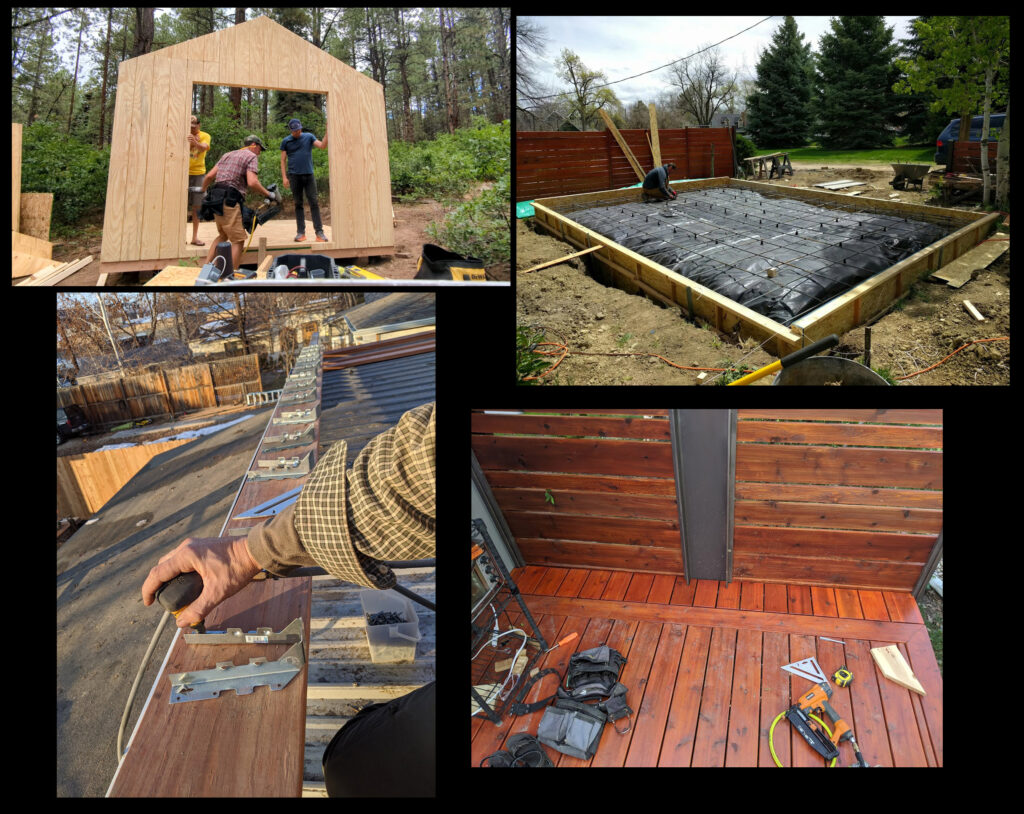
A cornerstone of Mustachianism is radical self-sufficiency. This translates into actively engaging in home maintenance and improvement projects rather than relying solely on external contractors. For many, the process of solving problems, redesigning spaces, and building new skills is inherently rewarding. The average cost of professional home repairs can range significantly, with a typical plumber charging $45-$200 per hour and general contractors often marking up materials and labor by 10-20%. Major renovations can run into tens of thousands of dollars. By undertaking these tasks oneself, individuals not only save substantial sums but also gain empowerment and reduce dependence on external services. The enjoyment derived from hands-on work, coupled with the tangible improvements to one’s living space, reinforces this as a preferred activity.
2. Community-Based Resourcefulness: A Decade of Savings: ~$42,000
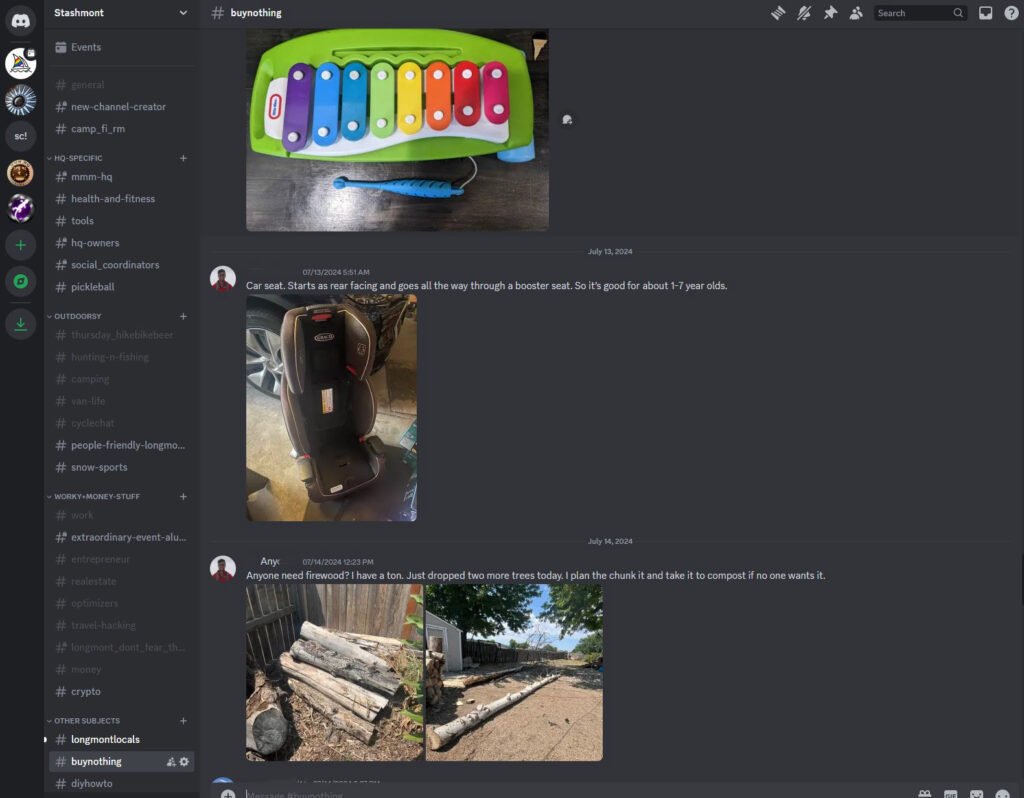
While conventional wisdom might suggest that wealth enables limitless consumption, Mustachian principles advocate for resourcefulness and community engagement. Platforms like Craigslist, Facebook Marketplace, and local "Buy Nothing" groups facilitate the sharing, repurposing, and acquisition of high-quality items at minimal to no cost. This practice extends beyond mere financial savings, fostering community connections and reducing waste. For instance, the average American discards 81 pounds of clothing per year, and countless functional household items end up in landfills. By participating in a circular economy, individuals actively reduce their environmental footprint and build social capital through exchanges and mutual aid. The estimated savings here reflect not only direct purchases avoided but also the value gained from items acquired or exchanged.
3. Active Transportation: A Decade of Savings: ~$14,000 (plus health benefits)
A hallmark of Mr. Money Mustache’s advice has always been the prioritization of active transportation, primarily cycling, over car dependency. The true cost of owning and operating a car in the U.S. can exceed $10,000 annually, encompassing depreciation, fuel, insurance, maintenance, and registration. Bikes, in contrast, incur significantly lower costs, largely limited to occasional maintenance and initial purchase. Even for individuals whose lives are largely local, substituting car trips with cycling or walking for 2,000 miles a year can yield notable financial savings. Beyond the direct financial impact, active transportation provides substantial health benefits, contributing to better physical and mental well-being, which in turn reduces potential healthcare expenditures.
4. Embracing Physical Labor: A Decade of Savings: ~$140,000 (estimated health benefits)
The "muscle over motor" principle encourages individuals to choose physical exertion over convenience whenever possible. This includes taking stairs instead of elevators, doing yard work manually, moving furniture without professional movers, and incorporating physical activity into daily routines. While direct financial savings on specific services may seem modest, the cumulative effect on health is profound. The average American spends approximately $13,000 annually on healthcare. A consistently active lifestyle is strongly correlated with reduced incidence of chronic diseases, lower medication needs, and increased overall vitality. By viewing physical activity as an integral part of life rather than a separate chore, Mustachians effectively "invest" in their long-term health, translating into substantial indirect financial benefits and higher productivity.
5. Energy Efficiency and Sustainable Living: A Decade of Savings: ~$30,000
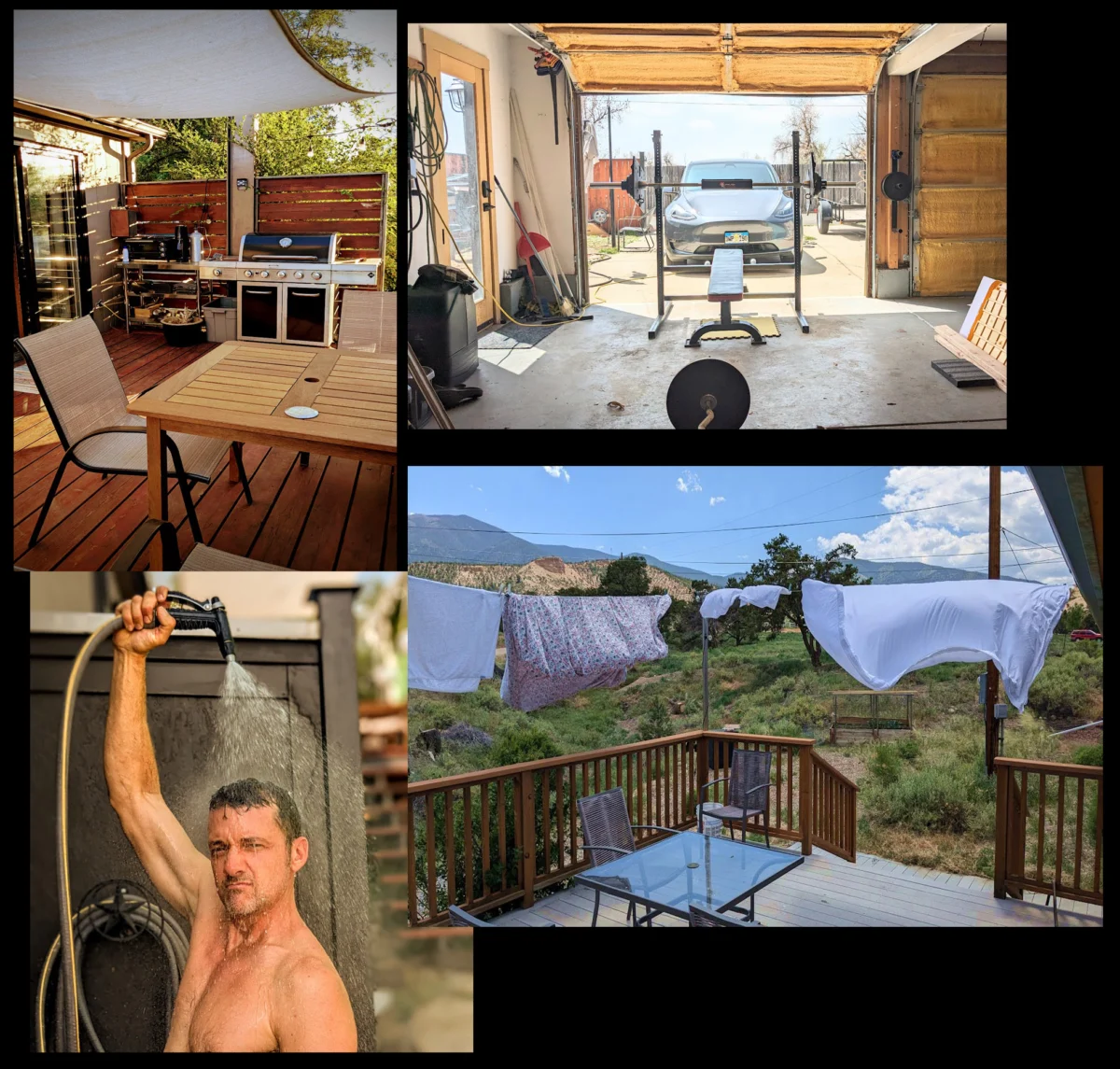
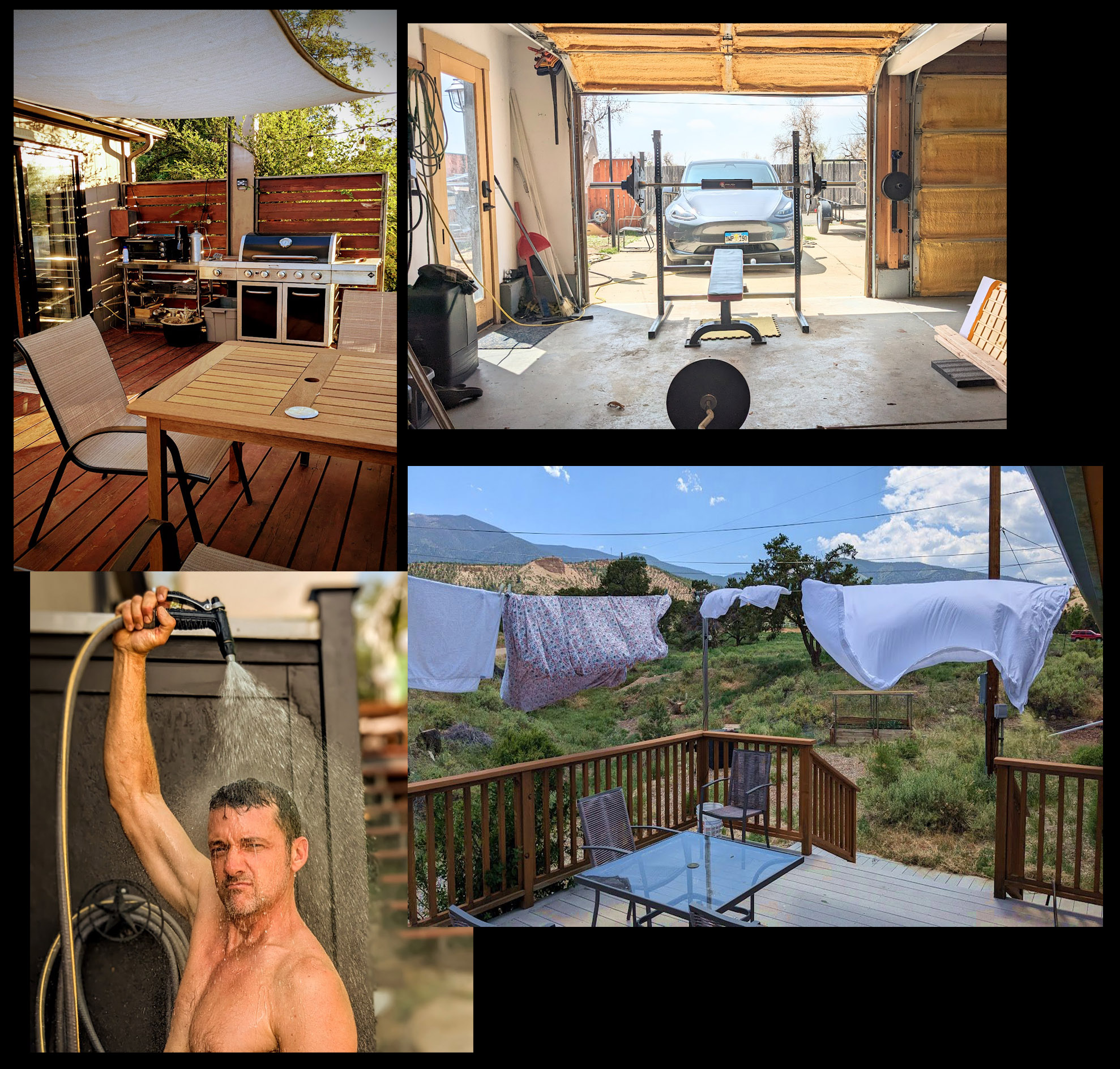
Running a home like a "glamping retreat" involves adopting sustainable practices that drastically reduce energy consumption. This can range from significant structural modifications like installing passive solar windows to simple habits such as line-drying laundry, using outdoor showers in summer, or minimizing air conditioning and heating. For instance, the average U.S. household spends around $250 per month on utilities. By implementing a suite of energy-saving measures, this cost can be significantly reduced. These practices are not viewed as sacrifices but as engaging experiments that align with an appreciation for natural seasons and a desire for environmental stewardship. The joy derived from optimizing a living space for efficiency and comfort reinforces these habits, transforming energy conservation into a form of active enjoyment.

6. Prioritizing Local Living over Constant Travel: A Decade of Savings: ~$143,000
While travel can be enriching, Mustachian philosophy encourages a discerning approach, valuing deep local engagement alongside occasional, impactful journeys. The pressure to constantly travel, especially for families, can lead to significant expenditures, with an average family vacation costing thousands of dollars. By consciously opting for "staycations" and focusing on local community events, friendships, and natural amenities, individuals can experience a high quality of life without the substantial costs and logistical complexities of frequent travel. This approach fosters stronger local ties, reduces the environmental impact associated with air travel, and often leads to greater contentment through a deeper appreciation of one’s immediate surroundings. The estimated savings here reflect both direct travel costs avoided and the intangible benefits of enhanced local social capital and reduced stress.
Cumulative Impact and Broader Implications
Taken together, these six practical applications of Mustachian principles demonstrate a compounding financial impact, estimated at over $656,000 per decade. This figure significantly surpasses the median wealth accumulated by many American seniors after decades of work, highlighting the transformative power of these seemingly simple habits. The continuous application of these principles, even after achieving financial independence, underscores that Mustachianism is not merely a strategy for early retirement but a comprehensive lifestyle choice centered on efficiency, self-reliance, and intentional living.

The implications of this philosophy extend beyond individual financial well-being. It challenges prevailing consumerist norms, advocating for a more sustainable and community-oriented approach to life. By reducing dependence on external services, minimizing consumption of new goods, and prioritizing active, energy-efficient living, Mustachian practices contribute to environmental conservation and foster resilient, interconnected communities. The enduring relevance of Mr. Money Mustache’s teachings lies not in prescribing specific financial figures, but in inspiring a shift in mindset—from viewing frugality as a burden to embracing it as a path to a richer, more fulfilling, and environmentally conscious life, regardless of one’s current financial standing.

