
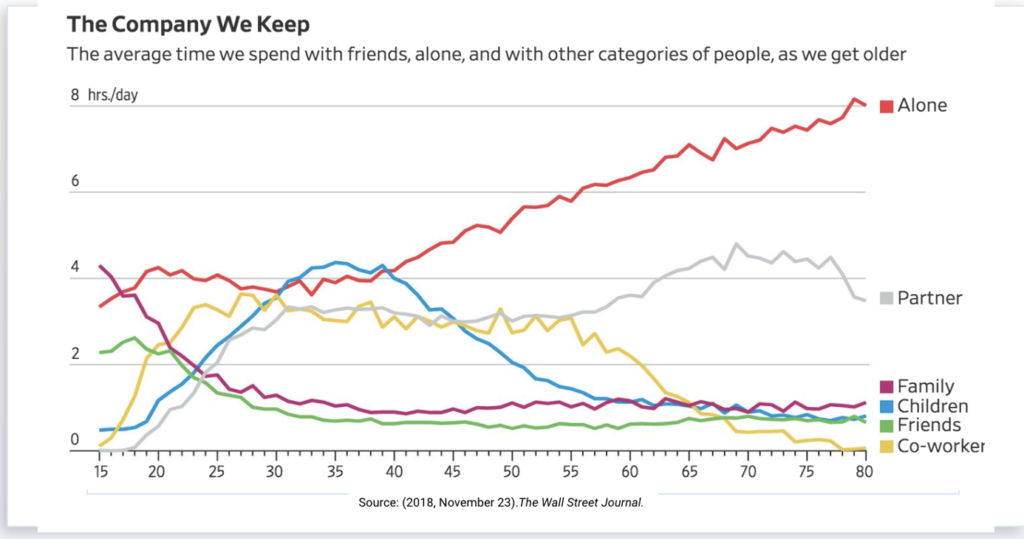
Retirement, often heralded as a period of liberation and newfound freedom, presents a profound shift in daily life. While the absence of professional obligations is a welcome change for many, a less anticipated consequence is the significant increase in solitude. This solitude, however, is not merely an absence of others; it is an immersion in one’s own thoughts. The most critical dialogues of this new phase, it turns out, are internal, unfolding in conversations that only the individual can hear. These ongoing internal dialogues, encompassing planning, imagination, reflection, as well as worry, rumination, self-criticism, and blame, hold the power to either constrict one’s life or propel it forward with enhanced intention and possibility. This insight, explored in recent discussions on The Retirement Wisdom Podcast, highlights the pivotal role of our internal discourse in navigating the complexities of post-career life.
The Science of Inner Dialogue: Expert Perspectives
Two leading researchers in the field of self-talk offer complementary perspectives on managing this internal landscape. Dr. Marilee Adams, founder and CEO of The Inquiry Institute and author of the newly updated fifth edition of "Change Your Questions, Change Your Life," posits that the questions we ask ourselves fundamentally shape our mindset. She outlines a dichotomy of operational mindsets: "Judger" and "Learner." Judger questions, characterized by their backward-looking and often self-critical nature, include inquiries like, "What’s wrong with me?" or "Why did this happen?" In contrast, Learner questions foster curiosity, agency, and a sense of possibility, such as, "What do I want now?" or "How else can I think about this?" This distinction becomes particularly salient during major life transitions like retirement, where the absence of established structures and feedback mechanisms can allow Judger questions to gain unchecked momentum. Conversely, cultivating wise, Learner-oriented questions can redirect attention toward core values and aspirations, such as finding greater meaning, joy, contribution, stronger relationships, and personal growth.
Complementing Adams’s work, Dr. Ethan Kross, director of the Emotion & Self Control Laboratory at the University of Michigan and author of "Chatter: The Voice in Our Head, Why It Matters, and How to Harness It," delves into the science of self-talk and distinguishes between ordinary negative thoughts and "chatter." Chatter, he explains, is a repetitive, looping pattern of worry, rumination, and catastrophizing. While negative emotions in measured doses can be instructive, Kross emphasizes that the detrimental impact arises when individuals become trapped in these cycles.
The convergence of Adams’s and Kross’s research underscores a shared objective: not the eradication of the inner voice, but the development of a more skillful engagement with it. Both experts agree that the presence of an inner critic is an inherent aspect of the human experience, and acceptance is a crucial first step. Furthermore, they stress that heightened self-awareness is the gateway to choice, enabling a shift from automatic reactions to intentional responses.
Strategic Approaches to Inner Discourse
Adams’s "Choice Map" offers a structured framework for navigating this internal terrain. This model provides a clear language and a practical strategy: recognize the "Judger" mindset, pause, and intentionally transition to the "Learner" mindset. A particularly potent question Adams suggests for this shift is: "Who do I choose to be in this moment?" This question empowers individuals to consciously define their response and agency, irrespective of external circumstances or internal negative patterns.
Kross, on the other hand, advocates for a versatile "toolbox" approach, recognizing that different situations call for distinct interventions. His recommendations include "distance self-talk," where individuals address themselves by name and offer coaching as they would to a close friend. He also promotes "mental time travel," encouraging individuals to consider how a current challenge will appear in their perspective six months or a year in the future. Integrating physical activity, such as a walk in nature, can further serve as a beneficial ritual, transforming individuals into more adept "chatter advisors" with a personalized suite of coping mechanisms.
Practical Strategies for Cultivating a Wiser Inner Voice
The insights from Adams and Kross translate into actionable strategies for individuals navigating the transition into retirement and beyond. The initial step involves cultivating a heightened awareness of one’s internal conversations.
1. Enhancing Self-Awareness:
- Mindful Pausing: Inspired by Adams’s work and the simple practice advocated by Dr. Aditi Nerurkar, individuals are encouraged to physically pause, interrupt the momentum of thought patterns, and adopt a "Stop. Breathe. Be." approach. This brief interlude creates space for conscious observation.
- Question Auditing: Once a pause is established, the focus shifts to identifying the nature of one’s internal questions. Are they characteristic of the "Judger" mindset, perpetuating negativity, or do they align with the "Learner" mindset, fostering exploration and growth?
2. Shifting from Judgement to Learning:
- The Switching Lane: When caught in the "Judger Pit"—a cycle of negative rumination—the strategy is to deliberately engage in a "Switching Lane" move. This involves consciously posing a Learner question to facilitate a shift in mindset. For example, if the internal dialogue is "I’ll never be able to adapt to this new routine," a Learner question might be, "What small steps can I take today to make this routine feel more comfortable?"
3. Employing Kross’s Toolbox:
- Changing the Voice: Experiment with addressing oneself by name and adopting a coaching tone. For instance, instead of thinking, "I’m so overwhelmed," try Ethan, "How can you break this down into manageable tasks?"
- Temporal Reframing: Engage in mental time travel by asking, "How significant will this issue feel in six months?" or "What will I have learned from this experience a year from now?" This often diminishes the immediate intensity of challenges.
- Rituals for Clarity: Incorporate activities like walks in nature, which can serve as effective rituals for mental recalibration and perspective-gathering.
4. Managing Venting and Seeking Supportive Perspectives:
- Recognizing the Pitfalls of Venting: Be mindful that excessive venting, while sometimes feeling cathartic, can inadvertently reinforce negative loops by keeping the problematic thoughts at the forefront.
- Seeking Constructive Empathy: Identify individuals who offer empathetic listening but also possess the ability to help broaden your perspective and encourage a more constructive outlook.
Broader Implications for Well-being
The increasing awareness and scientific exploration of internal dialogue have significant implications for individual well-being, particularly during life transitions. Retirement, while offering unprecedented freedom, demands a commensurate increase in self-awareness and emotional regulation. By consciously engaging with our inner voice, we can transform it from a potential source of anxiety and self-doubt into a powerful ally and coach. This proactive approach to managing our thoughts and emotional lives is not merely about coping; it is about thriving in the expanded possibilities that retirement affords. The research presented by Adams and Kross provides a robust, evidence-based foundation for developing these essential skills, empowering individuals to navigate their post-career journey with greater intention, resilience, and fulfillment. The ongoing dialogue we have with ourselves is, ultimately, one of the most significant investments we can make in the quality of our lives.

