
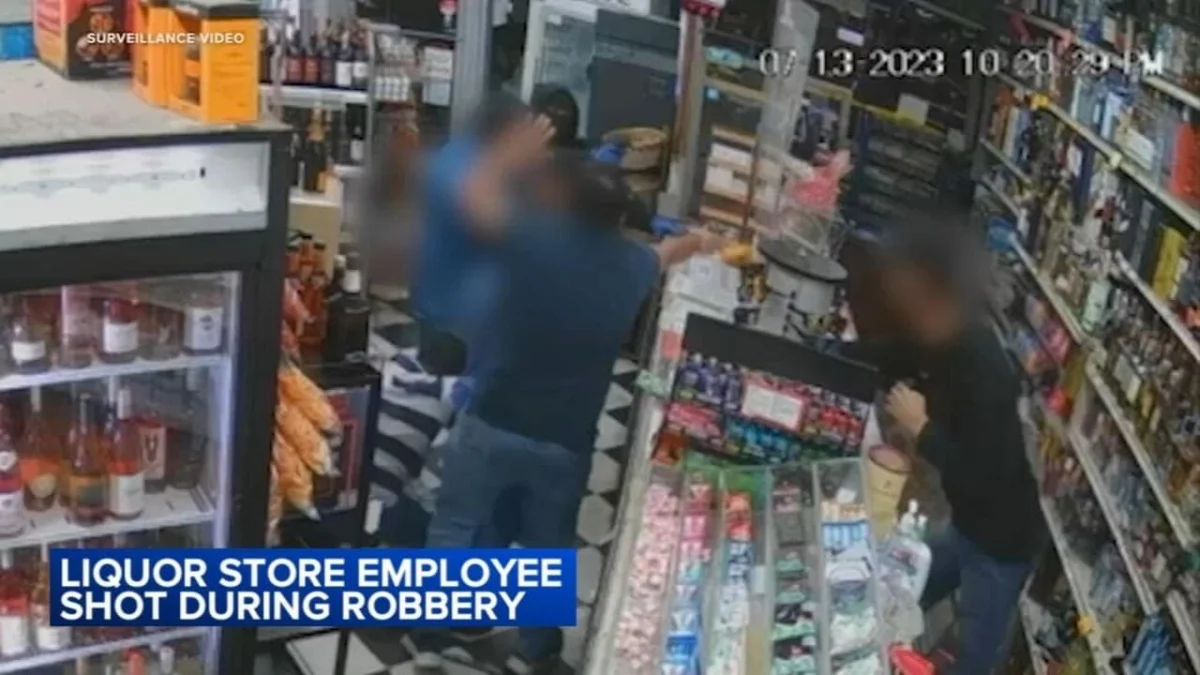
The intricate fraud scheme involved Nayi recruiting individuals to pose as robbers and coaching aspiring U-visa applicants on how to falsely report these staged incidents to law enforcement. These fake victims, primarily migrants, allegedly paid Nayi substantial sums, ranging from $5,000 to $30,000 for each fabricated incident, with the promise of a pathway to legal residency in the United States. The staged holdups were reportedly carried out at various commercial establishments across the Chicago area, including restaurants, liquor stores, gas stations, and coffee shops, creating a dangerous illusion of rampant criminality to facilitate the visa applications.
Unraveling the Scheme: The Bucktown Shooting
The elaborate deception began to unravel dramatically on July 13, 2023, when one of the staged robberies escalated into real-world violence. A "robbery crew" dispatched by Nayi entered Bucktown Food & Liquor, located at 1950 North Milwaukee in Chicago. During the fabricated holdup, one of the participants accidentally discharged his firearm, critically injuring a 26-year-old store clerk who was shot in the abdomen. Miraculously, the clerk survived the traumatic incident, but the shooting immediately drew intense scrutiny from law enforcement, converting a simulated crime into a genuine investigation and exposing the fraudulent underpinnings of Nayi’s entire operation.
According to reports from CWB Chicago, the severity of the incident and the subsequent police investigation quickly connected the dots, revealing a pattern of suspicious robberies that ultimately pointed back to Nayi’s network. The accidental shooting served as a crucial turning point, transforming what Nayi intended as a controlled charade into an undeniable criminal act that prompted federal authorities to launch a comprehensive inquiry into the broader visa fraud enterprise.
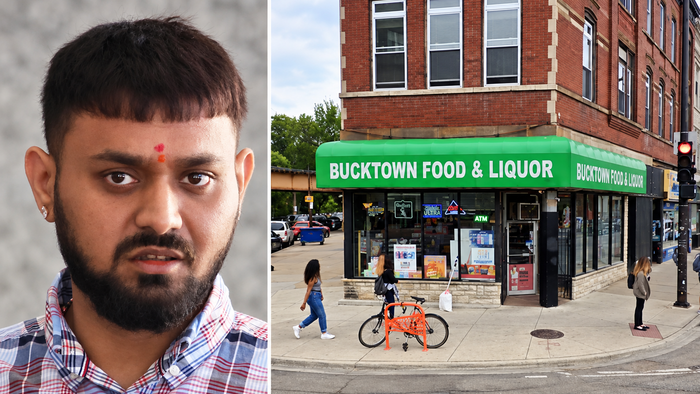
The Modus Operandi of the Fraud
Parth Nayi’s role in the conspiracy was comprehensive. He was not merely a middleman but the architect of the entire fraudulent pipeline. His responsibilities included:
- Recruitment of Robbers: Identifying and hiring individuals willing to participate in the staged armed robberies. These individuals were instructed on how to carry out the "holdups" to appear convincing to onlookers and responding police officers.
- Coaching "Victims": Meticulously instructing the aspiring visa applicants on how to behave during the staged robberies and, crucially, how to interact with police afterward. This included crafting false narratives, providing fabricated details about the incidents, and emphasizing their "cooperation" with law enforcement, which is a core requirement for U-visa eligibility.
- Visa Application Assistance: Guiding the "victims" through the complex U-visa application process, leveraging the fabricated police reports to bolster their claims as genuine crime victims. This often involved submitting fraudulent certifications from law enforcement agencies, knowingly based on false information.
The targets for these staged crimes—restaurants, liquor stores, gas stations, and coffee shops—were chosen presumably for their accessibility and the likelihood of appearing as plausible venues for armed robbery, minimizing suspicion. The substantial payments extracted from the migrants underscore the desperation of individuals seeking legal status and the predatory nature of Nayi’s scheme.
Scale and Scope of the Deception
The full extent of Nayi’s visa fraud scheme is still being uncovered, but initial estimates suggest a massive operation. While CWB Chicago identified over 100 individuals who paid for these fraudulent services, primarily individuals of Latin and South American origin, the Department of Justice believes the true number of "individuals who posed as victims" could be in the thousands.
The federal investigation revealed that the conspiracy was active for a significant period, spanning from at least December 2022 to January 2024. In May 2024, federal prosecutors indicted six individuals in connection with the scheme, with charges covering at least 16 distinct staged robberies during this timeframe. However, coverage at the time of Nayi’s sentencing indicates that the scope of the fraud encompassed "hundreds" of fake victims, suggesting that the initial indictments represented only a fraction of the broader criminal enterprise. This discrepancy between reported numbers highlights the difficulty in fully quantifying the damage and reach of such an insidious operation.

The U-Visa Program: A Pathway for Genuine Victims
To fully understand the gravity of Nayi’s actions, it is essential to contextualize the U-visa program itself. The U nonimmigrant status (U-visa) was established by the Victims of Trafficking and Violence Protection Act (VTPA) in October 2000. It is a humanitarian immigration benefit designed to protect non-citizen victims of certain serious crimes who have suffered substantial physical or mental abuse and are willing to assist law enforcement in the investigation or prosecution of those criminal activities.
Key aspects of the U-visa program include:
- Eligibility: Victims must have suffered substantial physical or mental abuse as a result of having been a victim of qualifying criminal activity. The list of qualifying crimes is extensive and includes rape, torture, trafficking, domestic violence, sexual assault, incest, murder, abduction, and, critically for this case, robbery.
- Cooperation with Law Enforcement: Applicants must possess information concerning the qualifying criminal activity and must have been, are being, or are likely to be helpful to a federal, state, or local law enforcement official in the investigation or prosecution of the crime. This "helpfulness" is certified by a law enforcement agency.
- Pathway to Permanent Residency: After three years in U-visa status, recipients can apply for lawful permanent residency (a Green Card), provided they meet certain conditions, including continued cooperation with law enforcement.
- Derivative Visas: Immediate family members (spouses, children, and in some cases, parents or unmarried siblings) may also be eligible for U-visas, further extending the humanitarian reach of the program.
The U-visa program is capped by Congress at 10,000 principal approvals per fiscal year. This annual cap, combined with the growing number of applications, has led to a severe backlog. As of June 2025, more than 400,000 petitions were pending with U.S. Citizenship and Immigration Services (USCIS), creating processing delays that can stretch for many years. This extensive backlog, a result of demand far outstripping the annual cap, inadvertently creates an environment where desperate individuals might become susceptible to fraudulent schemes promising a quicker, albeit illicit, path to legal status.
Broader Implications and Official Reactions
The Nayi case is not an isolated incident but part of a troubling trend of U-visa fraud that has drawn significant attention from lawmakers and federal agencies.

- Congressional Scrutiny: In April, Senator Tom Cotton sent a letter to the Department of Homeland Security (DHS), urging an investigation into reports that criminal organizations are staging fake crimes specifically to help fraudsters qualify for U-visas. Similarly, a House bill sponsor, Representative Chip Roy, cited another case in which 10 foreign nationals were indicted by April 10 over staged armed robberies of convenience store clerks, highlighting the systemic nature of the problem. This legislative focus underscores growing concern about the integrity of the U-visa program.
- Previous Precedents: The Nayi case follows other similar prosecutions. For instance, a Massachusetts man was sentenced in 2025 for staging at least 18 robberies to facilitate U-visa fraud, indicating a pattern of this particular type of exploitation across different jurisdictions.
- Oversight Gaps: Government audits have pointed to significant gaps in oversight. A DHS Inspector General report found that USCIS does not adequately track how many U-visa fraud referrals ultimately lead to prosecution. Furthermore, the audit revealed that the number of visas granted sometimes exceeded the annual cap in certain years between 2010 and 2020. This lack of rigorous tracking and occasional cap overruns fuel debates about the program’s vulnerabilities. While some, including a former USCIS director and immigrant advocates, contend that the massive backlog is primarily due to Congress’s restrictive cap rather than widespread fraud, cases like Nayi’s undeniable demonstrate that fraudulent exploitation is a tangible and serious threat.
- Damage to Legitimate Victims: The fraudulent schemes orchestrated by individuals like Nayi inflict profound damage on the very population the U-visa program is designed to protect. As immigration attorney Xavier Borjas stated to WBBM-TV in 2024, "there are so many people that unfortunately do qualify [for U visas] and have been victims of these crimes" who should receive relief. Fraudulent applications not only divert resources but also increase skepticism and processing delays for genuine victims, exacerbating their trauma and hindering their access to vital protections. It erodes public trust in the immigration system and can lead to calls for more restrictive policies that could inadvertently harm legitimate applicants.
Co-Conspirators and Sentencing Outcomes
Parth Nayi’s two-year sentence, while substantial, is notably below the five-year maximum penalty for conspiracy to commit visa fraud. This could be attributed to various factors, including his guilty plea, which typically results in a reduced sentence, or potential cooperation with investigators.
The broader network of Nayi’s co-conspirators also faces legal repercussions:
- Kewon Young: Nayi’s co-defendant, Kewon Young, pleaded guilty to charges in January, indicating a pattern of cooperation or admission of guilt among key figures in the conspiracy.
- Other Defendants: Three other individuals involved in the scheme have already been sentenced, receiving punishments ranging from probation to time served, suggesting varying degrees of involvement and cooperation.
- Patel’s Disappearance: Another defendant, identified as Patel, presented a dramatic turn during his trial. He vanished on the third day of proceedings, prompting Judge Mary Rowland to allow the trial to proceed in his absence. The jury subsequently convicted Patel of making a false statement on a U-visa application. His sentencing is scheduled for November 30, underscoring the federal judiciary’s commitment to holding all participants accountable, even those who attempt to evade justice.
The sentencing of Parth Nayi sends a clear message that exploiting humanitarian immigration programs for personal gain will be met with serious federal penalties. However, the ongoing revelations about the scale of the fraud, the existing legislative concerns, and the systemic vulnerabilities within the U-visa program itself underscore the persistent challenge for law enforcement and policymakers to safeguard this crucial pathway for genuine victims while deterring widespread abuse. The accidental shooting in Bucktown served as a grim reminder of the real-world dangers inherent in such elaborate deceptions, impacting not only the integrity of the immigration system but also the safety of innocent citizens.

