
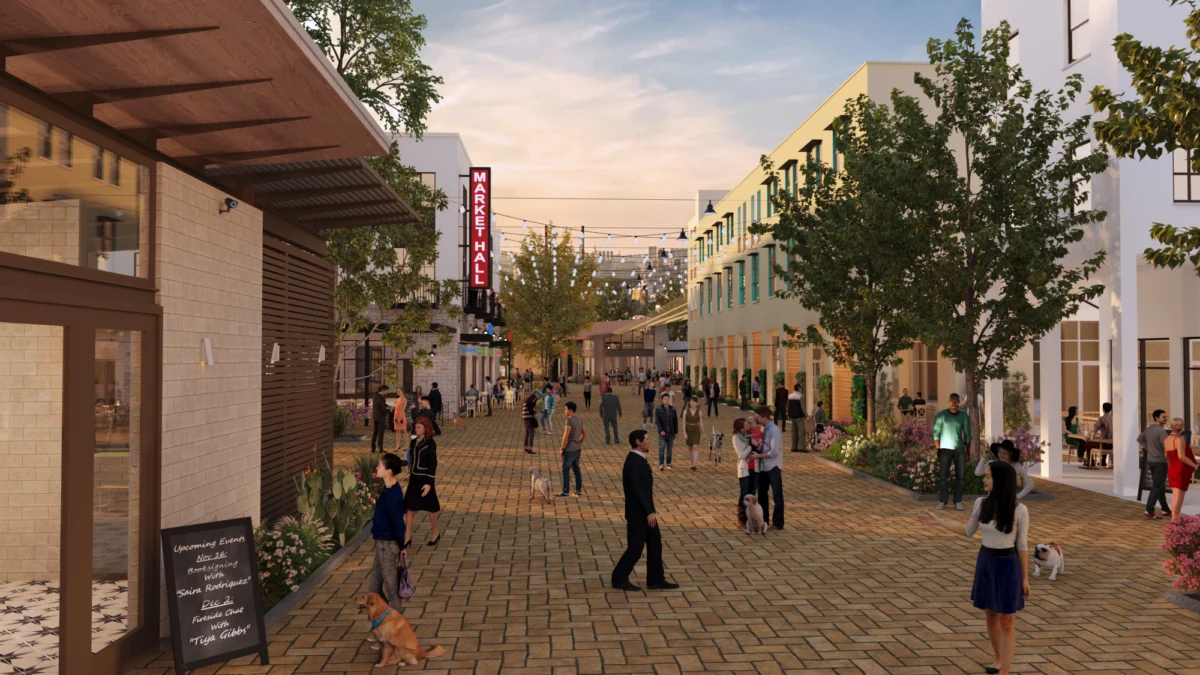
A fundamental shift in urban planning, advocating for the design and redesign of cities around human needs rather than automotive convenience, is gaining significant traction among urbanists, economists, and environmental advocates. This paradigm shift, often termed "people-centric urbanism" or the "car-free city" movement, promises profound and multi-faceted benefits, spanning economic prosperity, public health, environmental sustainability, and enhanced quality of life for residents. Proponents argue that a transition away from car-dependent infrastructure could unlock unprecedented value, transforming metropolitan areas into more vibrant, efficient, and equitable spaces.
The Economic Imperative: Unlocking Trillions in Value
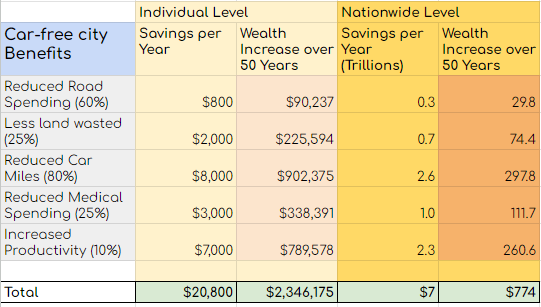
The economic case for people-centric urban development is compelling, with analyses suggesting monumental financial gains. According to various economic models, a widespread adoption of car-free principles could boost individual financial well-being by over $20,000 per person annually. This figure, when compounded over an adult lifetime, could translate into more than two million dollars in accumulated wealth per individual. On a national scale, the United States alone could see its wealth surge by an estimated seven trillion dollars per year. Over the next five decades, this compounding effect could accumulate to approximately 770 trillion dollars, a sum that surpasses the current total amount of human wealth on the entire planet.
These staggering figures are rooted in several key areas. Firstly, reduced reliance on private automobiles significantly cuts household expenses related to vehicle purchase, insurance, fuel, maintenance, and parking. Secondly, the repurposing of vast swathes of land currently dedicated to car infrastructure—roads, parking lots, and garages—frees up prime real estate for higher-value uses such as housing, commercial spaces, and public amenities. This increases property values and tax bases, fostering local economic growth. Furthermore, healthier populations, resulting from increased physical activity in walkable and bikeable environments, lead to lower healthcare costs and higher productivity. Public investment can be redirected from expensive road maintenance and expansion to more beneficial community projects, creating a virtuous cycle of prosperity.
Reclaiming Space: The Urban Design Revolution
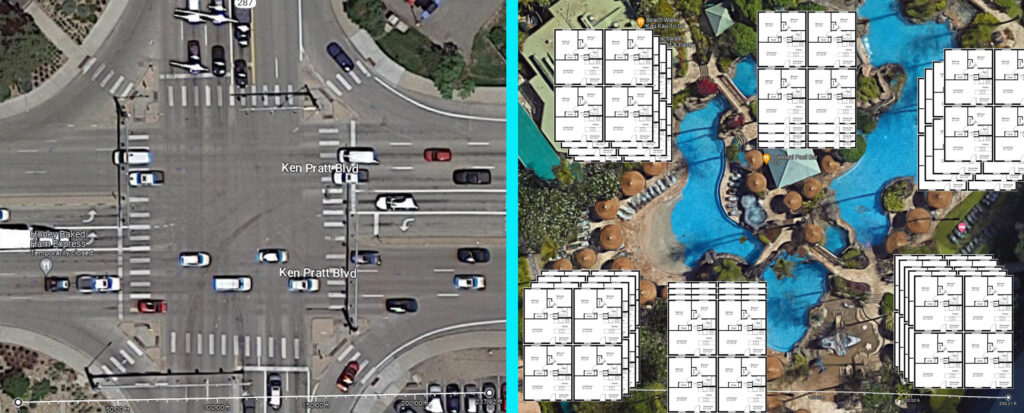
At the heart of the car-free city movement lies a radical re-evaluation of urban space. Traditional car-centric planning has inadvertently led to immense spatial inefficiency. Consider a single car parking space: it occupies an area comparable to a small studio apartment or even a substantial portion of a two-bedroom unit. Expanding this observation, a typical urban intersection, designed to facilitate the flow of vehicle traffic, can consume an astonishing 1.5 acres of land. This seemingly innocuous expanse, when re-imagined, could comfortably house approximately 200 people in modern, amenity-rich residential complexes, complete with green spaces, retail, and recreational facilities.
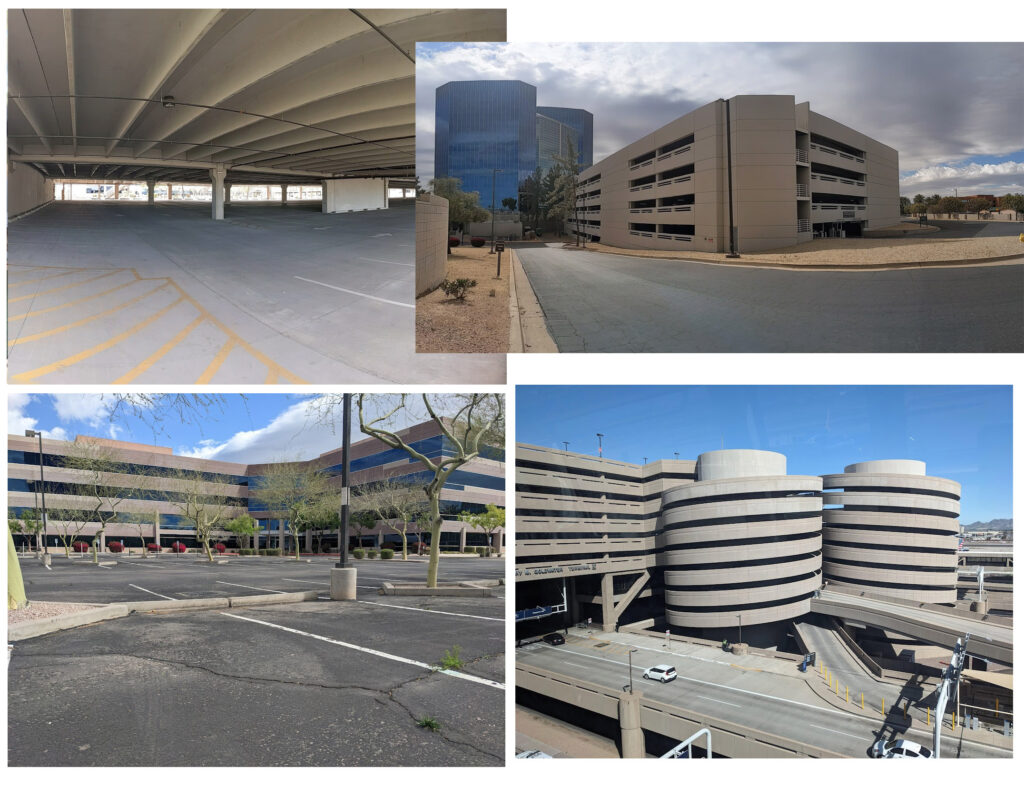
The pervasive nature of this spatial waste extends across entire cities. Expansive parking lots dominate commercial districts, vast arterial roads dissect neighborhoods, and multi-lane intersections become bottlenecks, not only consuming precious land but also generating noise, pollution, and safety hazards. This car-first approach paradoxically necessitates car ownership; by spreading out essential services and making walking or cycling unpleasant or unsafe, it creates a dependency on automobiles. A core tenet of people-centric design is to reverse this trend: by concentrating development, integrating mixed-use zoning, and prioritizing pedestrian and cycling networks, cities can become compact, accessible, and inherently less reliant on cars. This reclamation of space allows for the creation of denser, more diverse, and more aesthetically pleasing urban environments that foster community interaction and local commerce.
Beyond the Automobile: Rethinking Transportation
Addressing common concerns about mobility in a car-free future reveals a sophisticated vision for integrated transportation. Critics often question how residents would navigate daily life without private vehicles, fearing a regression to outdated public transit models. However, the proposed solution is not merely about replacing cars with buses; it’s about fundamentally redesigning the urban fabric to reduce the necessity of long-distance, motorized travel for routine activities.
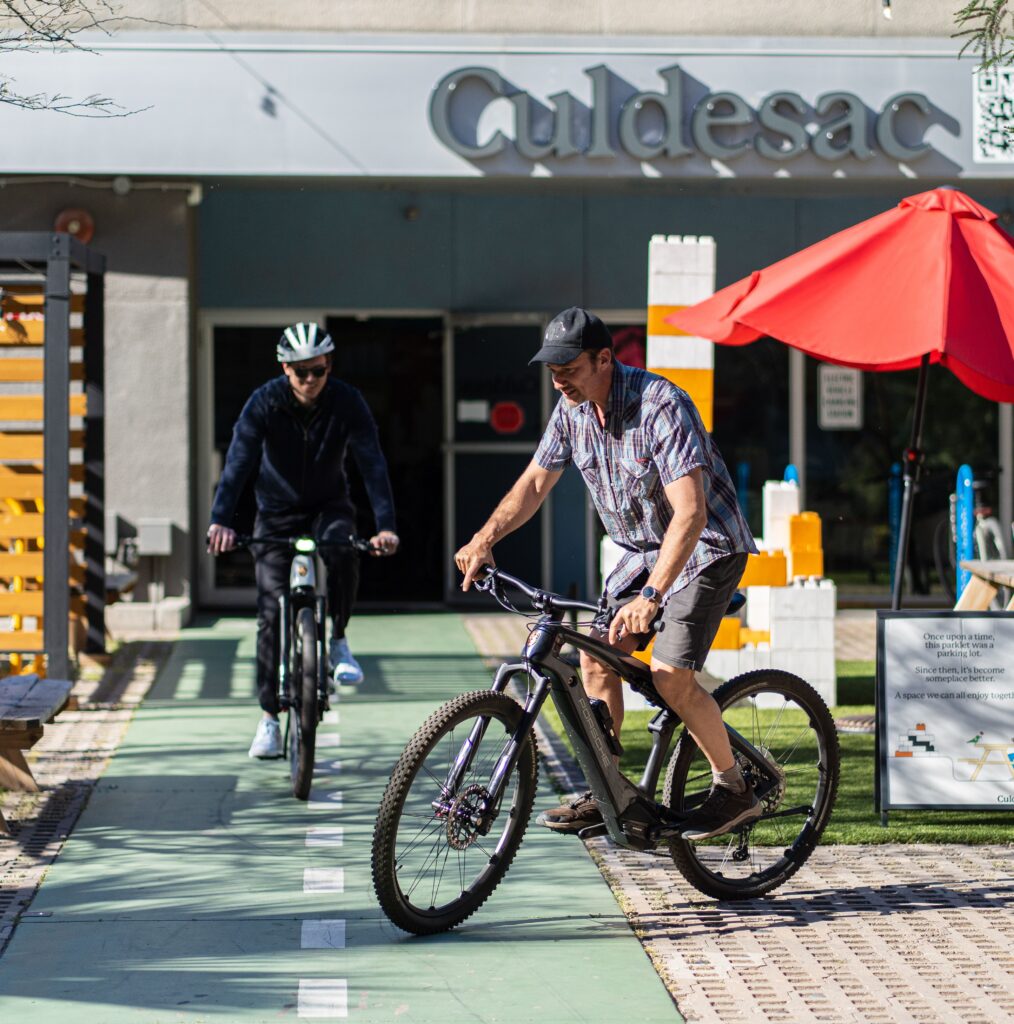
In a people-centric city, the primary modes of transport become walking and cycling. For shorter distances (under two miles), walking offers health benefits and direct connectivity. For medium distances (up to 15 miles), electric bikes and scooters provide rapid, efficient, and enjoyable travel, often outperforming cars in congested urban settings due to their ability to bypass traffic and utilize dedicated pathways. These active transportation modes are not only faster and cheaper but also contribute to physical fitness and mental well-being.
Complementing active transport, robust public transit systems — including light rail, rapid bus networks, and modern tram lines — efficiently connect different districts and serve longer commutes. These systems are designed for convenience and speed, eliminating the long waits and inefficiencies often associated with current public transit. For occasional needs, such as large cargo transport or trips to more remote areas, shared electric vehicle fleets and ride-sharing services would be readily available, minimizing the need for individual car ownership. The ultimate goal is a transportation ecosystem where the default choice is active and public transport, with private car usage reserved for specific, infrequent purposes, thereby drastically reducing traffic, accidents, and pollution.
Culdesac Tempe: A Blueprint for the Future
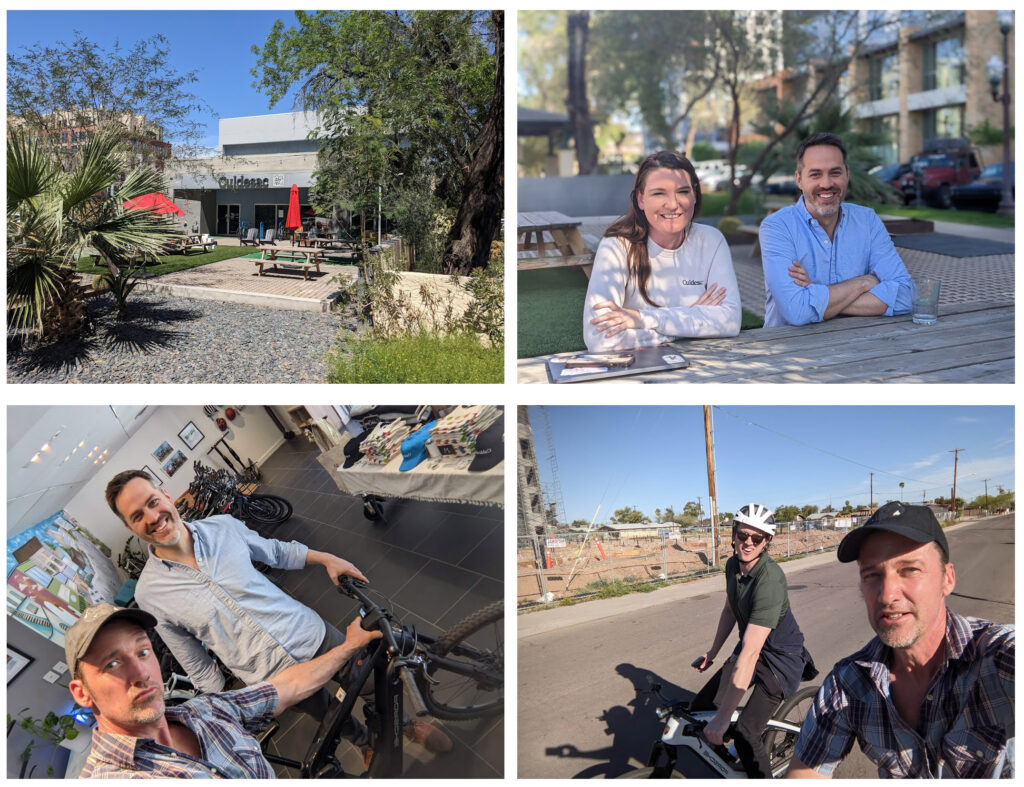
A tangible example of this transformative vision is Culdesac Tempe, the United States’ first purpose-built, car-free neighborhood. Located in Tempe, Arizona, this ambitious project serves as a living laboratory for people-centric urban design, demonstrating that a future without pervasive car dependency is not only feasible but highly desirable.

Project Overview and Design Principles
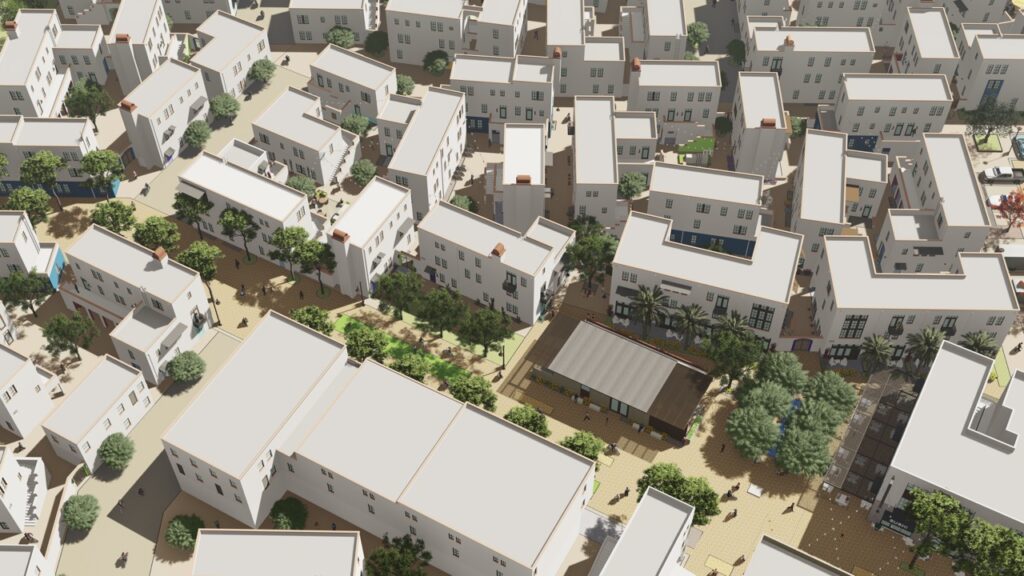
Spanning 17 acres, Culdesac Tempe is designed to house approximately 1,000 residents in a cluster of apartment buildings. What immediately differentiates it from conventional developments is the absence of traditional parking lots. The space typically consumed by vehicular infrastructure has been intelligently reallocated to create vibrant pedestrian pathways, lush green spaces, and communal gathering areas. The architectural style, inspired by Mediterranean aesthetics, prioritizes shade, natural ventilation, and heat reflection—crucial elements in Arizona’s desert climate. This thoughtful design fosters a comfortable and engaging outdoor environment, encouraging residents to walk and interact.
Integrated Amenities and Lifestyle
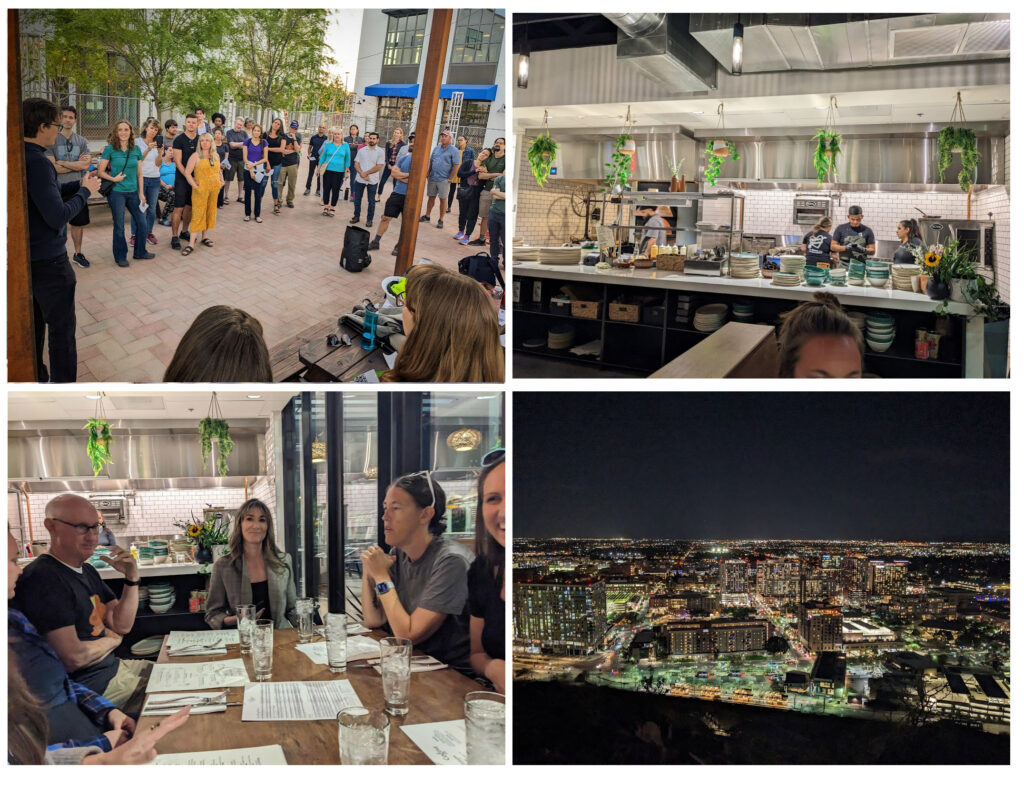
Culdesac Tempe is engineered as a self-sufficient ecosystem, integrating daily necessities directly into the neighborhood fabric. Amenities include a grocery store, restaurants, cafes, fitness centers, and various retail outlets. This mixed-use approach ensures that most daily errands and social activities are within a short walk or bike ride, dramatically reducing the need for external travel. The focus is on fostering a strong sense of community, where residents can easily connect in shared plazas, courtyards, and green spaces.
Strategic Location and Connectivity
The choice of Tempe, a city at the heart of the Phoenix metropolitan area, is strategic. Culdesac Tempe is situated within walking distance of Arizona State University, a major employment and cultural hub. Crucially, it boasts direct access to a light rail stop, providing seamless connectivity to the broader Phoenix metro area, including the airport. Residents receive an annual pass to the public transit system as part of their tenancy, further incentivizing sustainable travel. For needs beyond walking, cycling, or public transit, a fleet of shared electric cars is available on-site, providing flexible mobility solutions without the burden of private car ownership.
Founders and Vision
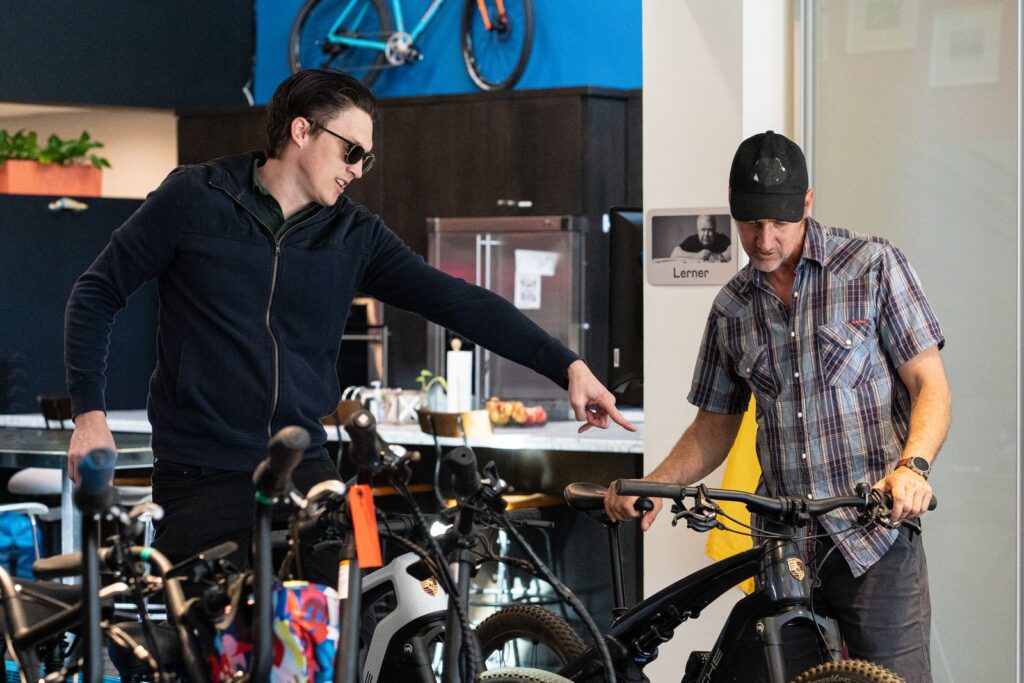
The project is the brainchild of co-founders Jeff Berens and Ryan Johnson, supported by a dedicated team including head of marketing Blythe Ingwersen. Their vision is to create a scalable model for car-free urban living, proving its financial viability and immense lifestyle benefits. Mr. Money Mustache, a prominent financial independence advocate, recently toured the site, expressing strong enthusiasm for its potential, even contemplating a personal move there in late 2023. This endorsement underscores the project’s appeal to individuals seeking both financial optimization and an enriched quality of life.
Broader Implications and the Path Forward
Culdesac Tempe represents more than just an innovative housing development; it is a proof-of-concept for a national, and potentially global, urban transformation. The success of such projects has profound implications across multiple sectors.
Scaling the Model and Overcoming Hurdles
Culdesac’s ambitious master plan extends beyond Tempe, aiming to replicate and scale this model across the United States. Their strategy involves identifying underutilized land—such as existing big-box shopping center parking lots—and transforming them into vibrant, pedestrian-oriented communities. This approach circumvents the complexities of retrofitting existing dense urban cores, offering a more immediate pathway to implementing car-free principles. However, scaling this vision requires navigating significant bureaucratic hurdles, including outdated zoning laws, community resistance (often termed NIMBYism, or "Not In My Backyard"), and entrenched car-centric planning committees. Advocacy and education are crucial to demonstrate the overwhelming benefits and counter resistance from those accustomed to the status quo.
Policy and Public Support
For people-centric urbanism to flourish, it necessitates supportive public policy. This includes reforming zoning codes to encourage mixed-use development and higher densities, investing in robust public transit and active transportation infrastructure, and re-evaluating minimum parking requirements which often mandate excessive car accommodation. Public engagement and education are equally vital, helping citizens understand the long-term economic, health, and environmental advantages of reducing car dependency. The positive feedback garnered by advocates like Kevin Dahlstrom, whose social media commentary on car-free cities has resonated widely, indicates a growing public appetite for such changes.
A Global Movement
The movement towards car-free or car-lite cities is not unique to the United States. Many European cities, such as Amsterdam, Copenhagen, and parts of Paris, have long embraced pedestrian and cycling infrastructure, demonstrating the livability and economic benefits of reduced car reliance. New urbanism movements globally are also championing similar principles, emphasizing walkability, mixed-use development, and public spaces. Culdesac Tempe adds a crucial American example to this growing global trend, showing that even in historically car-dependent regions, a different future is possible.
In conclusion, the call to build cities around people, not cars, represents one of the most significant opportunities for societal advancement in the coming decades. It is a paradigm shift with the potential to generate immense wealth, foster healthier populations, reduce environmental impact, and create more joyful, connected, and vibrant communities. The economic, social, and environmental synergies are undeniable, offering a path to fundamentally reshape human living for generations. The stakes are profoundly high, and the nascent successes of projects like Culdesac Tempe provide compelling evidence that this transformative vision is not merely aspirational, but an achievable and essential reality.

