
BEIJING — China has unequivocally stated its intent to maintain the flow of rare earth exports to Europe, irrespective of the ongoing U.S. trade deal framework with Beijing and its looming January deadline. This assurance, conveyed by China’s Commerce Ministry spokesperson He Yadong, signals a crucial development in the complex web of global critical raw materials supply and international trade relations, particularly pertinent for the European Union’s ambitious green and digital transition initiatives. The commitment underscores China’s strategic approach to managing its dominant position in the rare earth market while navigating escalating geopolitical tensions.
China’s Strategic Assurance and Europe’s Critical Dependency
Speaking on Thursday, He Yadong affirmed that the world’s second-largest economy is prepared to continue approving rare earth export licenses destined for Europe. This statement directly addresses concerns about supply chain stability, especially given Beijing’s tightening grip on rare earth exports in recent months and the broader context of U.S.-China trade friction. Europe, heavily reliant on China for these indispensable materials, views such assurances with cautious optimism.
Rare earth elements, a group of 17 chemically similar metallic elements, are not inherently "rare" in terms of geological abundance but are challenging and environmentally costly to extract and process economically. They are vital components in a vast array of high-tech applications, including electric vehicles (EVs), wind turbines, smartphones, advanced defense systems, medical imaging equipment, and numerous consumer electronics. For instance, Neodymium and Praseodymium are crucial for powerful permanent magnets in EV motors and wind generators, while Dysprosium and Terbium improve their heat resistance. The European Union’s ambitious climate goals, targeting carbon neutrality by 2050, hinge significantly on the uninterrupted supply of these materials for manufacturing renewable energy technologies and sustainable transportation solutions.
China currently controls an estimated 80-90% of the world’s refined rare earth production and processing capacity, making it the de facto global monopolist in this strategically critical sector. This dominance stems from decades of strategic investment, lower environmental regulations in the past, and a comprehensive supply chain infrastructure that spans mining, refining, and magnet manufacturing. For the EU, diversifying its rare earth supply chain is a paramount strategic objective, yet in the short to medium term, its dependency on Chinese sources remains profound.
A Chronology of Trade Tensions and Diplomatic Overtures
The backdrop to China’s recent assurance is a dynamic and often contentious series of events shaping global trade and technology policy.
In October of the preceding year, Beijing implemented a significant tightening of restrictions on all rare earth exports. This move was particularly noteworthy as it extended to products containing even a minuscule 0.1% of China-sourced rare earths, indicating a comprehensive and stringent approach to control. This action followed a new U.S. rule that had expanded its American blacklist to include majority-owned subsidiaries of Chinese companies already on an entity list, a measure estimated to potentially impact some 20,000 Chinese entities. The U.S. Commerce Department’s Bureau of Industry and Security (BIS) had justified these expanded controls as necessary to address national security concerns and prevent listed entities from circumventing restrictions through affiliates.
However, a temporary détente was achieved later that month. At a high-stakes meeting in late October 2025 between Chinese President Xi Jinping and then-U.S. President Donald Trump, both nations agreed to suspend these newly implemented measures for a period of one year. This truce provided a much-needed reprieve for global industries dependent on these critical materials, temporarily easing the escalating trade tensions. Ahead of the leaders’ subsequent summit last month, the U.S. Treasury Secretary Scott Bessent announced that this truce had been extended by an additional two months, pushing the deadline to January. This extension reflected a continued effort by both sides to manage the complex trade relationship and prevent further escalation, even as fundamental disagreements persisted.
Simultaneously, trade relations between the European Union and Beijing have seen their own fluctuations. Last week marked a period of cooling tensions, following a constructive meeting between European Trade Commissioner Maroš Šefčovič and Chinese Commerce Minister Wang Wentao in Beijing. This high-level engagement was critical for re-establishing dialogue and finding common ground. During these discussions, China expressed its willingness to utilize a "green channel" mechanism to facilitate the continued flow of rare earths to Europe. This "green channel" concept, often used in trade to expedite approvals for essential goods, suggests a streamlined process for rare earth export licenses. In return, China reportedly sought the bloc’s support for its imports of certain products in dual-use sectors – items that have both civilian and military applications – indicating a reciprocal approach to trade facilitation.
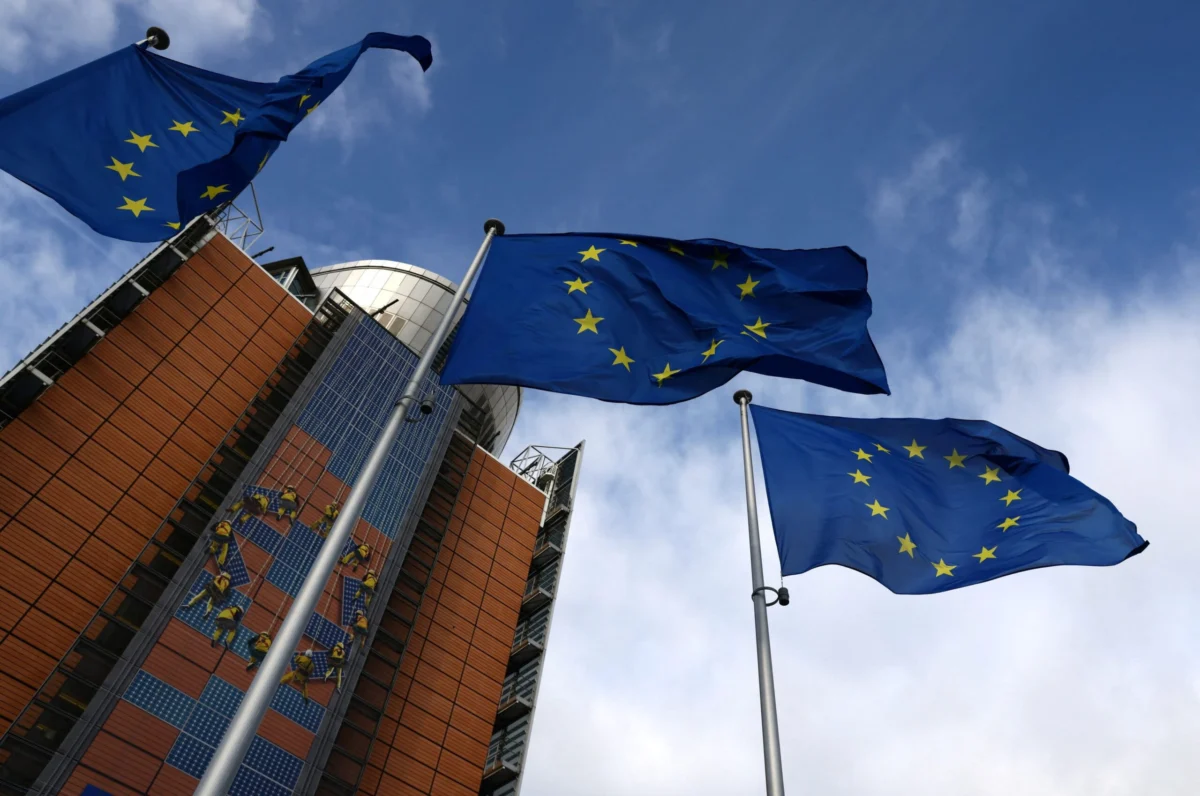
The European Commission leaders are currently convening in Brussels, with meetings scheduled for Thursday and Friday, where they are expected to meticulously review the details of these recent trade negotiations with China. The outcome of these discussions will undoubtedly inform the EU’s strategic posture on critical raw materials and its broader engagement with China.
Broader Implications and Strategic Imperatives for Europe
The assurance from Beijing, while welcomed, arrives at a time when Europe is acutely aware of its vulnerabilities in critical raw material supply chains. The 2010 rare earth crisis, when China significantly curtailed export quotas, served as a stark wake-up call for industrialized nations globally, highlighting the geopolitical leverage inherent in controlling these resources. That incident prompted widespread efforts to diversify supply, though progress has been slow and challenging.
For the EU, the continued, reliable supply of rare earths is not merely an economic consideration but a strategic imperative tied directly to its geopolitical aspirations and its commitment to the green transition. The Critical Raw Materials Act, proposed by the European Commission, aims to strengthen the EU’s raw material value chains, promote diversification of supply, and foster domestic extraction, processing, and recycling capacities. While long-term diversification efforts are underway, China’s commitment offers a crucial short-term stability.
Industry analysts suggest that China’s willingness to guarantee rare earth exports to Europe, even as it navigates a contentious trade relationship with the U.S., could be interpreted in several ways. It might be an attempt to drive a wedge between the U.S. and its European allies, leveraging Europe’s specific dependencies. Alternatively, it could be a pragmatic move by Beijing to maintain economic ties with a major trading partner and avoid further exacerbating global supply chain disruptions that could boomerang back on its own economy. It also demonstrates China’s awareness of the strategic importance of rare earths as a diplomatic tool.
European officials, while welcoming the assurances, are likely to proceed with caution. The "green channel" mechanism, if implemented effectively, could provide a more predictable supply route, but it does not diminish the underlying structural dependency. The request for support on dual-use sector imports from China also highlights the intricate give-and-take dynamics at play, underscoring the broader geopolitical balancing act the EU must perform. Ensuring that such support does not inadvertently compromise European security interests or technological autonomy will be a key consideration.
The implications extend beyond mere trade volumes. A stable rare earth supply directly impacts the competitiveness of European industries, from automotive to aerospace and defense. Disruptions could lead to manufacturing delays, increased costs, and a potential slowdown in the adoption of green technologies, thereby jeopardizing the EU’s climate targets. Therefore, China’s commitment, even if tactical, offers a window of opportunity for Europe to accelerate its domestic and international diversification strategies without facing immediate, acute supply shocks.
The Road Ahead: Diversification and Geopolitical Balancing
Looking ahead, the EU’s long-term strategy will undoubtedly continue to focus on reducing its reliance on any single source for critical raw materials. This involves exploring new mining projects within Europe, investing in advanced recycling technologies, and forging partnerships with other resource-rich nations, such as Australia, Canada, and various African countries. The development of alternative technologies that reduce or eliminate the need for certain rare earths is also a priority for research and innovation.
The current geopolitical climate, characterized by heightened competition and strategic decoupling efforts, means that the security of supply chains is now a top-tier national security concern for many developed economies. China’s latest assurance to Europe, therefore, should be viewed as a temporary reprieve rather than a permanent solution to the fundamental challenge of rare earth supply concentration. It provides breathing room for Europe to fortify its own resilience and pursue its strategic autonomy in critical raw materials, while also underscoring the delicate dance of diplomacy and economic interdependence in an increasingly multipolar world. The upcoming discussions in Brussels will be critical in shaping Europe’s response and charting its course in this complex global landscape.

