
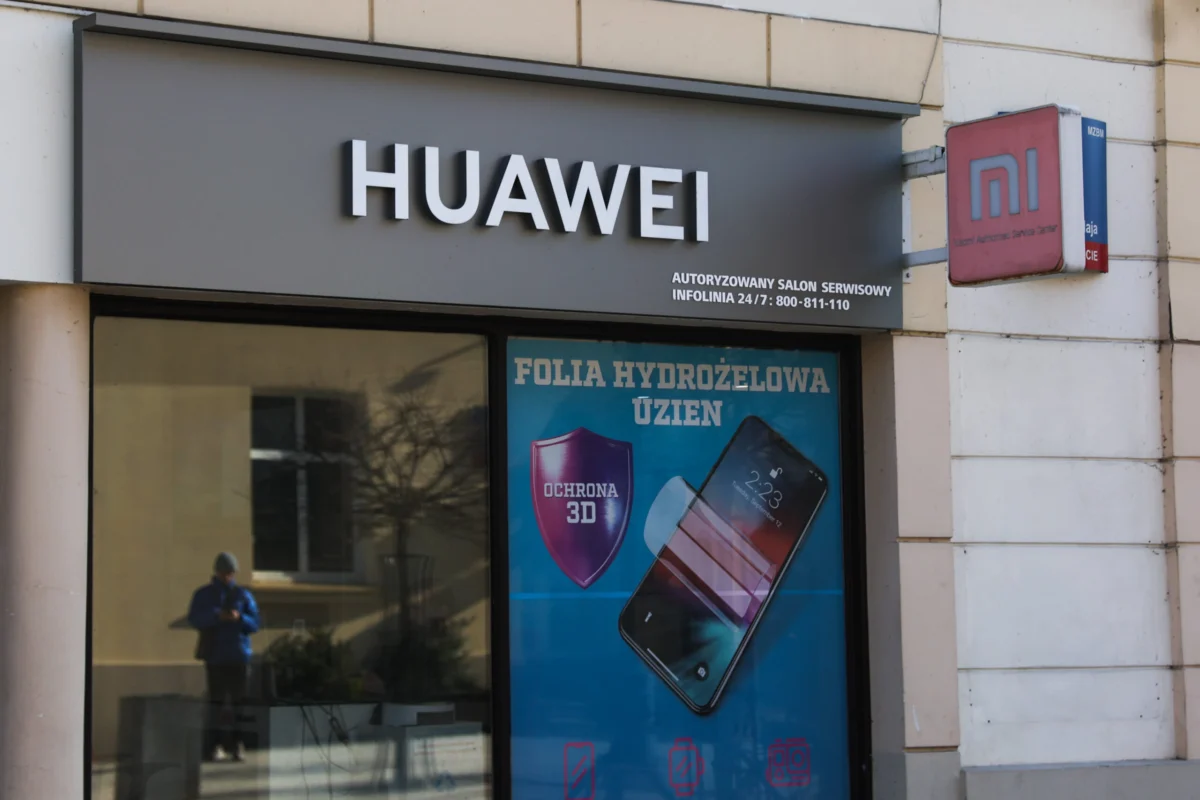
BEIJING – Equity investors are exhibiting a growing skepticism towards the rapid global expansion strategies of Chinese companies, particularly focusing on the sustainability and profitability of these overseas ventures, according to a recent analysis by Goldman Sachs. The investment community is increasingly seeking evidence of genuinely profitable growth rather than mere market penetration, a critical distinction as Chinese firms navigate a complex international landscape.
The core of investor apprehension stems from a desire for "profitable expansions," as articulated by Trina Chen, co-head of Greater China equity research at Goldman Sachs Research, during a recent podcast published by the investment bank. This sentiment underscores a broader concern that while Chinese companies are aggressively pursuing international markets, the financial returns on these ventures must justify the substantial investment and inherent risks.
Domestic Pressures Fueling Global Ambitions
The accelerated push into international markets by Chinese enterprises is largely a direct consequence of an evolving domestic economic environment. Sluggish consumer demand within China, coupled with intense competition and overcapacity in several key sectors, has created significant headwinds for growth at home. Industries such as electric vehicles (EVs), renewable energy, and various manufacturing sectors have seen profit margins squeezed and market saturation reached, compelling companies to look beyond national borders for new revenue streams and growth opportunities.
For instance, the fiercely competitive EV market in China, which has seen dozens of domestic brands vie for market share, has pushed major players like BYD, Nio, Xpeng, and Geely to expand aggressively into Europe, Southeast Asia, Latin America, and other emerging markets. Geely, a prominent automaker, recently announced its plans to enter the Canadian market next year, signaling a continued westward expansion after establishing footholds in various Asian and European nations. This strategic pivot is not unique to the automotive sector; it mirrors a broader trend across diverse industries.
Projected Global Market Share and Sectoral Reach
The scale of this global ambition is significant. Chen and her research team at Goldman Sachs predict a substantial increase in Chinese companies’ overseas market share, forecasting it to reach 31% by 2035, a sharp rise from approximately 18% currently. Their comprehensive analysis, detailed in a September 14 report, spanned more than ten critical sectors. These include high-growth areas like express delivery, advanced industrial robots, and established manufacturing segments such as so-called "white goods" – a category encompassing major home appliances like air conditioners, refrigerators, and washing machines. Companies like Haier, Midea, and Gree have already established formidable international presences in the white goods market, leveraging competitive pricing and robust supply chains.
The allure of international markets for Chinese businesses often lies in the prospect of higher profit margins compared to their home market. This margin differential allows these companies to offer products at lower price points than many incumbent local competitors, a strategy that has proven effective in gaining market share rapidly across various regions.
The Specter of "Involution" Abroad
Despite the potential for higher margins, investors are wary of a phenomenon colloquially known as "involution." This term, which describes a "race-to-the-bottom" competition characterized by relentless price wars and diminishing returns within China, is a significant concern for international expansion. Investors need reassurance that global ventures will not devolve into a similar destructive competitive environment where "the price actually gets killed because of competition," Chen cautioned. Regulators in China have actively attempted to address this involutionary trend domestically in recent years, recognizing its detrimental effects on corporate profitability and sustainable growth.
Beyond direct competition, geopolitical tensions and market access restrictions also cast a long shadow over the performance of Chinese stocks with global ambitions. Trade barriers, regulatory scrutiny, and political friction in key markets can significantly impede expansion efforts, increase operational costs, and ultimately weigh on investor sentiment and stock valuations. This confluence of competitive and geopolitical risks creates a layer of uncertainty that investors are struggling to price into current stock valuations.
Undervalued Opportunities and Harsh Market Realities
The pervasive uncertainty surrounding the long-term profitability and geopolitical stability of these overseas ventures means that a substantial portion of the global expansion opportunity for Chinese companies remains undervalued in their stock prices. Investors are hesitant to fully factor in the potential upside of international growth when faced with such multifaceted risks.
However, the market’s exacting nature also presents a stark reality for incumbent companies. Chen highlighted that investors are "ruthless" when established companies begin to lose market share. Even a moderate market share loss of 10% to 15% can trigger a drastic reduction in market capitalization, potentially shrinking it by 50% to 80%. This underscores the high stakes involved for both expanding Chinese firms and their established global competitors.
Strategic Focus Beyond Traditional Western Markets
The global strategy of Chinese companies is not solely concentrated on the mature markets of the U.S. and Europe. Goldman Sachs’ analysis reveals that some of the most rapid and successful growth is occurring in emerging markets. These regions often present unique opportunities, being underserved by existing competitors and possessing rapidly growing consumer bases.
Latin America, for example, has emerged as a significant destination for Chinese exports and investment. Euromonitor, in a report last month, observed that "Chinese brands are no longer simply market challengers." Instead, they are evolving into "long-term, embedded competitors capable of reshaping market dynamics across Latin America." This strategic shift towards developing economies allows Chinese firms to leverage their cost advantages and adapt products to local needs, often with less direct competition from established Western brands. Similarly, Southeast Asia and parts of Africa are witnessing significant inflows of Chinese capital and brands, particularly in infrastructure, digital services, and consumer goods.
Broader Implications for Global Trade and Industry
The aggressive global expansion of Chinese companies carries profound implications for the global competitive landscape. The influx of technologically advanced and cost-effective products from China is disrupting established industries worldwide, forcing traditional players to innovate faster, optimize their supply chains, and rethink their own market strategies. In sectors like solar panels, electric batteries, and consumer electronics, Chinese firms have already achieved global dominance, often through a combination of scale, government support, and relentless innovation.
This expansion also necessitates a deeper understanding of the "China speed" phenomenon – the rapid pace at which Chinese companies can develop, iterate, and deploy products, often outmaneuvering slower-moving competitors. While this agility can drive innovation and consumer benefits through lower prices, it also raises questions about fair competition, intellectual property rights, and the potential for market monopolization in the long run.
Moreover, the increasing economic footprint of Chinese companies abroad is intertwined with broader geopolitical considerations. As Chinese brands establish deeper roots in various economies, they also extend China’s soft power and economic influence. This can lead to increased trade friction, regulatory challenges, and national security concerns in host countries, particularly regarding data privacy, critical infrastructure, and supply chain resilience. Host governments are increasingly scrutinizing these investments, balancing the economic benefits against potential strategic vulnerabilities.
For investors, the evolving landscape demands heightened due diligence. Evaluating Chinese companies’ global expansion strategies now requires not only an assessment of market opportunities and competitive advantages but also a thorough understanding of the geopolitical risks, regulatory hurdles, and the companies’ ability to generate sustainable, profitable growth rather than just market share. The ability to navigate these complexities will differentiate successful global players from those that fall victim to the "involution" phenomenon on an international stage. The coming decade will undoubtedly test the mettle of these expanding enterprises and the sagacity of the investors backing them.

