
The landscape of financial independence and early retirement (FIRE) is undergoing a significant re-evaluation, as economic shifts, particularly in housing markets and inflation, challenge traditional pathways. A recent comment from a reader of the popular financial blog Mr. Money Mustache highlighted this growing concern, suggesting that much of the established FIRE advice, often rooted in a pre-2019 economic reality of lower housing costs and stable interest rates, may no longer be universally applicable. This sentiment reflects a broader debate on how individuals without six-figure tech salaries or existing homeownership can realistically pursue financial independence in the current environment.
The Evolving Critique of FIRE Principles
The reader’s critique centered on several key points: the perceived prevalence of early FIRE advocates originating from high-earning tech backgrounds, who benefited from purchasing homes at significantly lower prices before 2019; the difficulty for younger generations or those with average incomes to replicate these advantages; and the increased complexity and cost of strategies like "house hacking" or acquiring "fixer-uppers" amidst soaring real estate prices, higher interest rates, and restrictive local zoning ordinances regarding accessory dwelling units (ADUs). This commentary resonates with many who feel that the goalposts for financial independence have moved, requiring a fresh perspective on established strategies.

In response, proponents of the underlying Mustachian philosophy, which champions radical frugality and conscious spending, maintain that its core principles remain robust. The argument is that while external economic factors fluctuate, the fundamental ability to control spending and maximize savings is paramount. The blog’s founder has observed historical cycles where FIRE principles were deemed "obsolete," only to prove resilient through various economic downturns and booms, from the dot-com bubble burst to the 2008 financial crisis. This perspective suggests that adaptability, rather than abandonment, is key.
Economic Headwinds: Housing and Inflation Post-2019
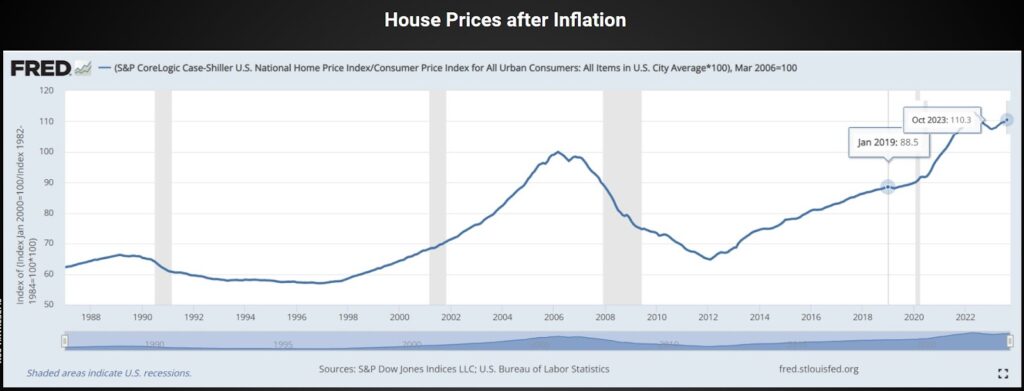
The core of the current challenge lies in the dramatic shifts in the housing market and broader inflationary pressures. Data from the St. Louis Federal Reserve illustrates a significant increase in inflation-adjusted U.S. house prices, showing approximately a 25% surge since the beginning of 2019. While this national average provides a general indicator, it masks far more substantial increases in specific metropolitan areas. For instance, Longmont, Colorado, a city often referenced by the blog’s founder, has seen its median home price escalate to $540,000, roughly triple the price observed in 2011 when the blog commenced. This exponential growth far outstrips average salary increases in many regions, pushing homeownership further out of reach for many.
Beyond absolute prices, the rapid rise in interest rates since 2022 has compounded affordability issues. A 30-year fixed-rate mortgage, which might have hovered around 3% or 4% in the pre-pandemic era, now frequently exceeds 7%. This means that even for a stable home price, the monthly mortgage payment has dramatically increased, requiring a larger proportion of income or a higher overall income threshold to qualify for a loan. The National Association of Realtors (NAR) has consistently reported declining housing affordability indices, underscoring the severity of this issue across various income brackets.
The Dual Imperatives: Income and Spending Optimization
While the Mustachian philosophy primarily emphasizes spending reduction, the current economic climate highlights the undeniable importance of income generation. The article acknowledges that some professions inherently offer higher salaries, and actively pursuing career advancement, skill development, and strategic job changes to increase income remains a viable path for many. However, a critical counterpoint is offered: high income alone does not guarantee financial security. The phenomenon of high-earning professionals, such as software engineers and doctors, experiencing financial stress late in their careers serves as a testament to the fact that significant income can be entirely consumed by equally significant spending. This reinforces the core Mustachian tenet that efficiency in spending and the elimination of waste are crucial, regardless of one’s earnings. These skills become even more critical for those navigating the financial landscape with more modest incomes.
Strategic Relocation: The Power of Geographic Arbitrage
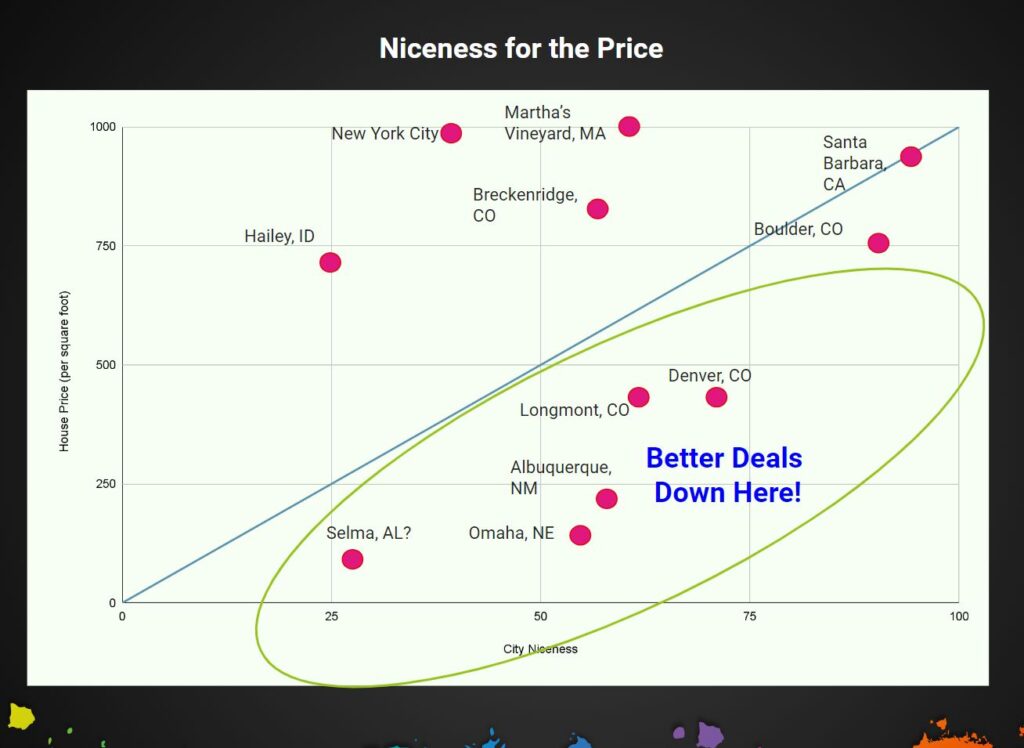
One of the most potent strategies for countering prohibitive housing costs, as championed in the discussion, is geographic arbitrage. This involves consciously choosing a location where the cost of living, particularly housing, aligns better with one’s financial goals. This is not merely about finding a "cheap" place but about optimizing the "niceness for the price" ratio, as graphically illustrated by the blog’s analysis using data from FRED (Federal Reserve Economic Data).
Domestic Geographic Arbitrage:
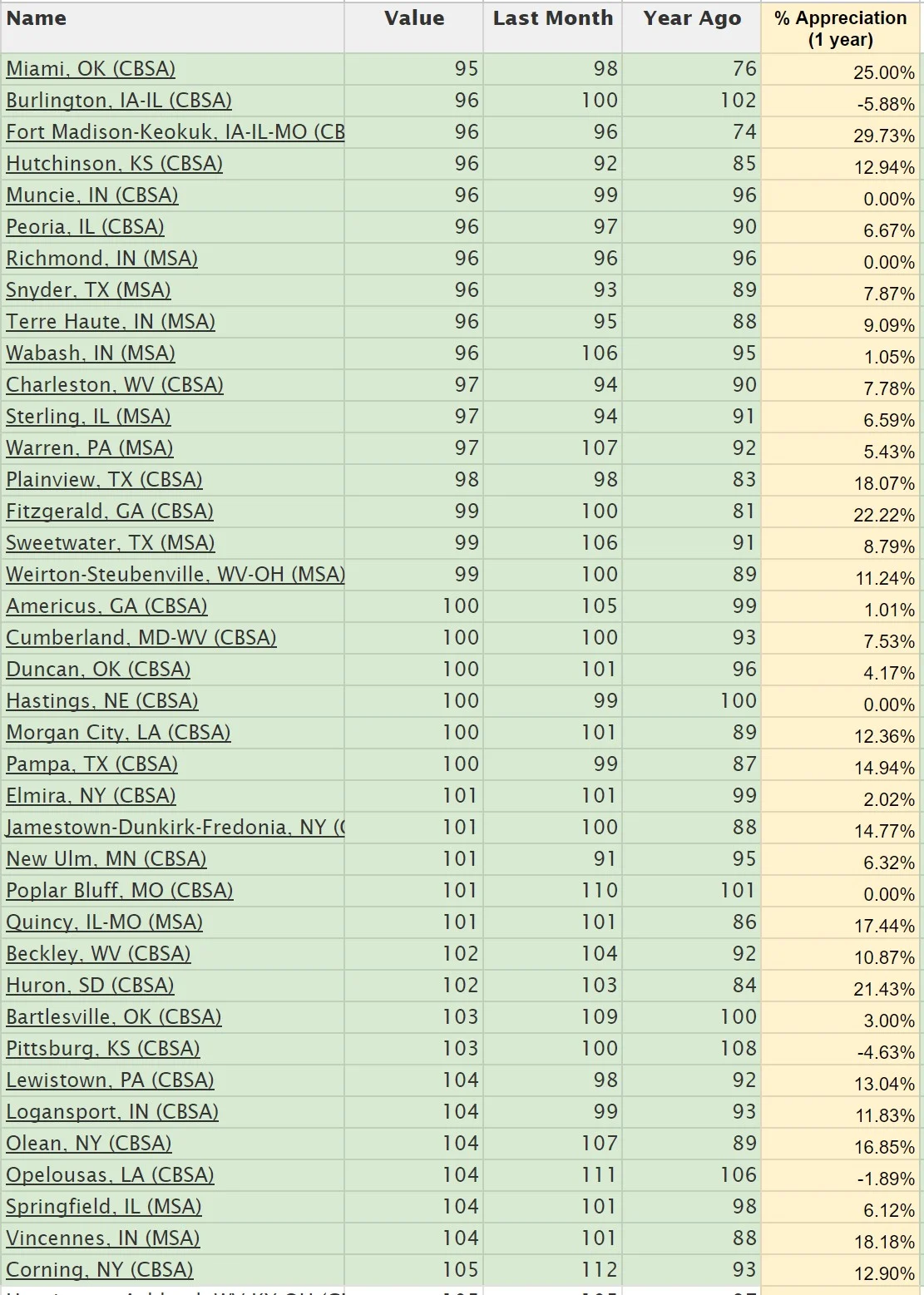
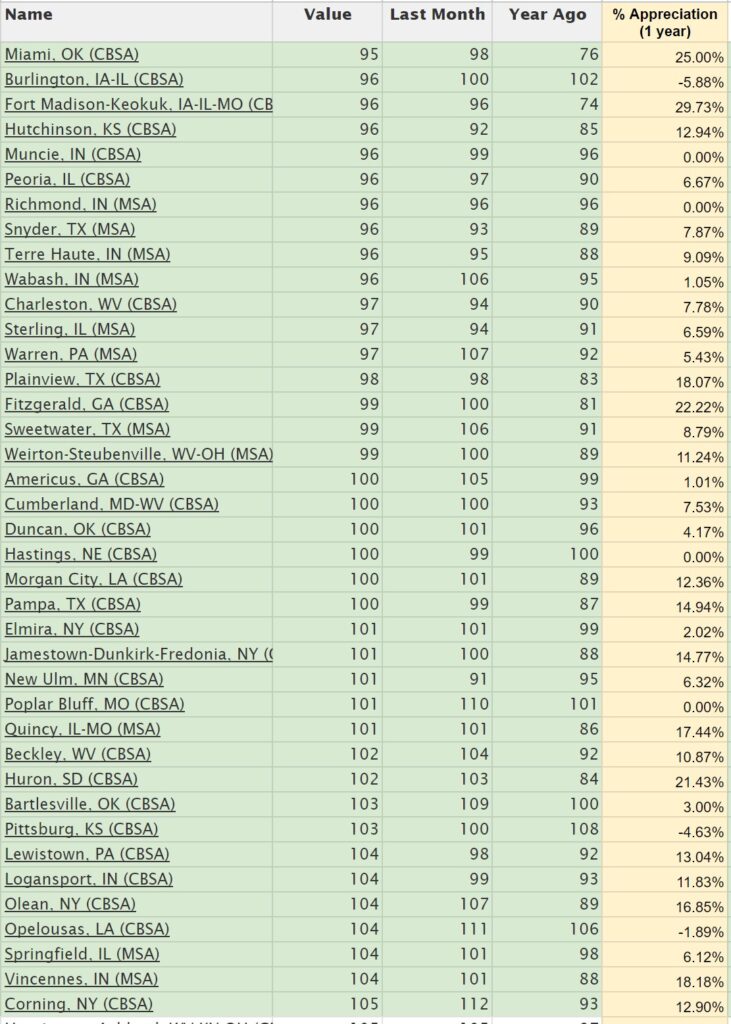
The concept encourages individuals to shed the emotional or habitual ties to a high-cost area if it impedes their financial progress. By analyzing metrics like cost per square foot across different metro areas, individuals can identify cities that offer comparable amenities or a desirable lifestyle at a fraction of the cost. For example, while Longmont, CO, might now be priced at $450 per interior square foot, other U.S. cities could offer attractive living conditions at $100-$200 per square foot. The FRED database, which lists thousands of metro areas with detailed housing data, becomes an invaluable tool for this type of research. This strategy challenges the assumption that one must remain in their birth or current city, advocating for a data-driven approach to lifestyle optimization.
International Geographic Arbitrage:
For those willing to embrace greater change, international relocation presents an even more significant opportunity for cost reduction and lifestyle enhancement. Tools like "The Earth Awaits," a FIRE blogger-created platform, allow users to filter potential living destinations based on detailed criteria such as budget, family size, housing type, and climate. A hypothetical search for a two-person family with a $0-$6,000 monthly budget in North America, seeking a two-bedroom apartment outside a city center and January lows no colder than 10F, yields a diverse list of cities like Fayetteville, AR; Columbia, MO; Athens, GA; and Chattanooga, TN, many offering a desirable quality of life at a fraction of the cost of major coastal or tech hubs.
Extending this search to South America further demonstrates the potential for drastic reductions in living expenses, with cities in countries like Ecuador, Colombia, or Peru offering attractive options for a fraction of North American costs. While moving internationally introduces complexities related to visas, citizenship, cultural adaptation, and logistics, the article frames these as "Adulting Puzzles" – manageable challenges that, when overcome, unlock immense financial and experiential rewards. The implication is that the effort required to navigate these administrative hurdles is far less burdensome than decades of additional labor to afford a high-cost lifestyle.
Implications for the Future of FIRE
The current economic environment necessitates an evolution in how the FIRE movement is approached. The days of relying solely on a high tech salary and a timely home purchase may be less prevalent for new entrants. Instead, a multifaceted approach is gaining traction:
- Diversified Income Streams: Beyond traditional employment, side hustles, gig economy work, and entrepreneurial ventures are becoming more critical for supplementing income and accelerating savings.
- Adaptability in Housing: The traditional dream of a single-family home in a desirable neighborhood may need to be re-evaluated. Renting strategically, considering smaller homes, or exploring co-housing options in more affordable locales are increasingly relevant. The challenges to "house hacking" through ADUs due to zoning and cost mean alternative creative housing solutions may be needed.
- Relentless Focus on Value: The emphasis shifts from simply cutting costs to maximizing value. This means investing in experiences, relationships, and well-being, while aggressively minimizing spending on depreciating assets or non-essential consumption.
- Global Mindset: The rise of remote work has untethered many from geographical constraints, making international geographic arbitrage a more accessible and appealing strategy for a wider demographic.
Financial experts and economists widely agree that the FIRE movement is not "obsolete" but rather maturing and adapting. The core tenets of saving aggressively, investing wisely, and managing spending remain timeless. However, the specific tactics and the timeline to achieve financial independence are subject to current economic realities. Younger generations, in particular, may need to adopt a more flexible and globally-aware approach, leveraging data and strategic relocation to build wealth and achieve their financial goals.
Conclusion: A Call for Informed Choices
Ultimately, the article concludes with a powerful message about agency and choice. Housing, like almost every significant life decision, is presented as a choice that individuals actively make. By engaging in rigorous analysis, exploring diverse options both domestically and internationally, and challenging ingrained assumptions about where one "must" live, individuals can reclaim control over their financial destinies. The emphasis is on proactive decision-making and leveraging available data to align one’s living environment with one’s financial aspirations and lifestyle preferences. This strategic thinking, combined with the enduring principles of conscious spending and waste reduction, forms the bedrock of navigating financial independence in a complex and ever-changing world. The collective sharing of successful strategies and affordable locations, as encouraged by the blog, underscores the community-driven nature of adapting to these new economic realities.

