
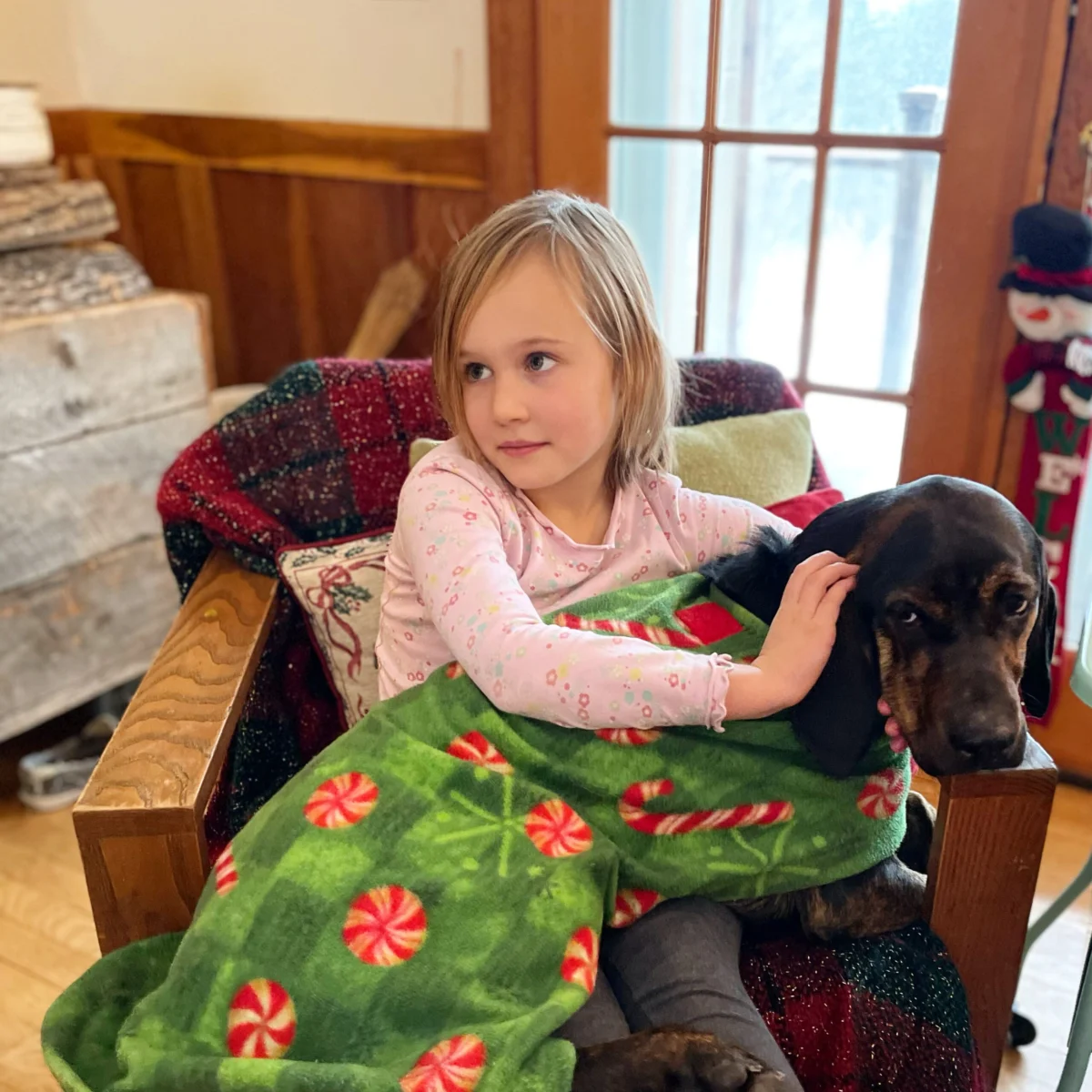
The complexities of modern pet ownership often extend beyond the initial altruistic impulse to rescue an animal in need, frequently involving significant financial outlays and profound psychological stressors for the adopting family. This reality was recently highlighted by the case of Genevieve, colloquially known as Gigi, a hound dog whose four-month tenure with a Vermont-based family underscored the limitations of behavioral, medical, and technological interventions in managing severe separation anxiety. Despite an expenditure exceeding $2,300 and the implementation of a rigorous multi-tiered training regimen, the case ultimately resulted in the rehoming of the animal—a decision that reflects a growing trend of "lifestyle compatibility" assessments in the animal welfare sector.
The Chronology of Adoption and Behavioral Onset
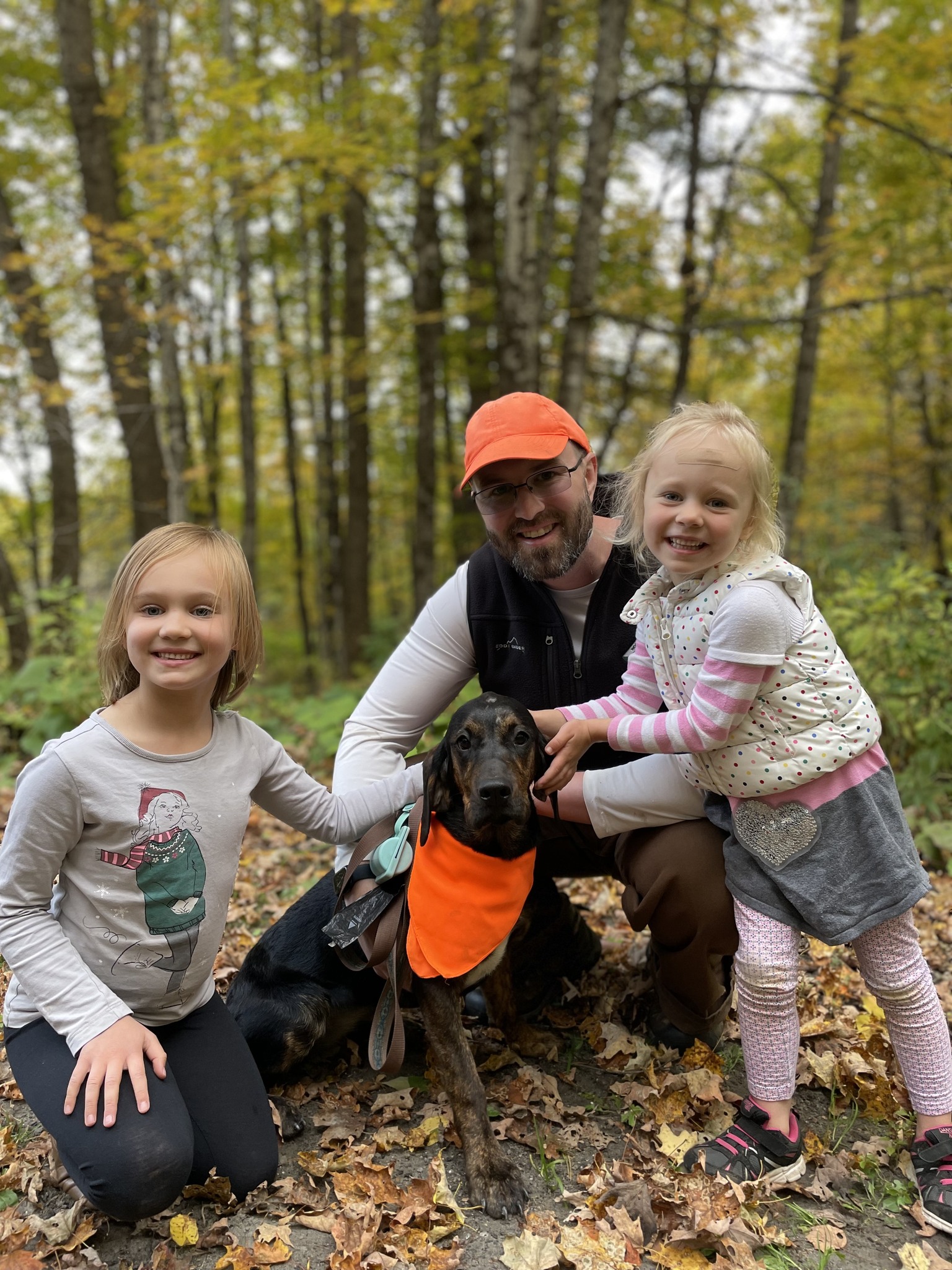
The narrative of Genevieve began in late September 2022, when she was discovered in a state of emaciation and physical distress in rural Vermont. Lacking identification tags or a microchip, the animal appeared to have been living in the wilderness for an indeterminate period. Local residents and animal welfare advocates hypothesized that she was a former bear hunting dog, a common sight in the New England region, who had become separated from her pack. Following a period of temporary sheltering with neighbors, the animal was formally adopted by a local family on October 3, 2022.

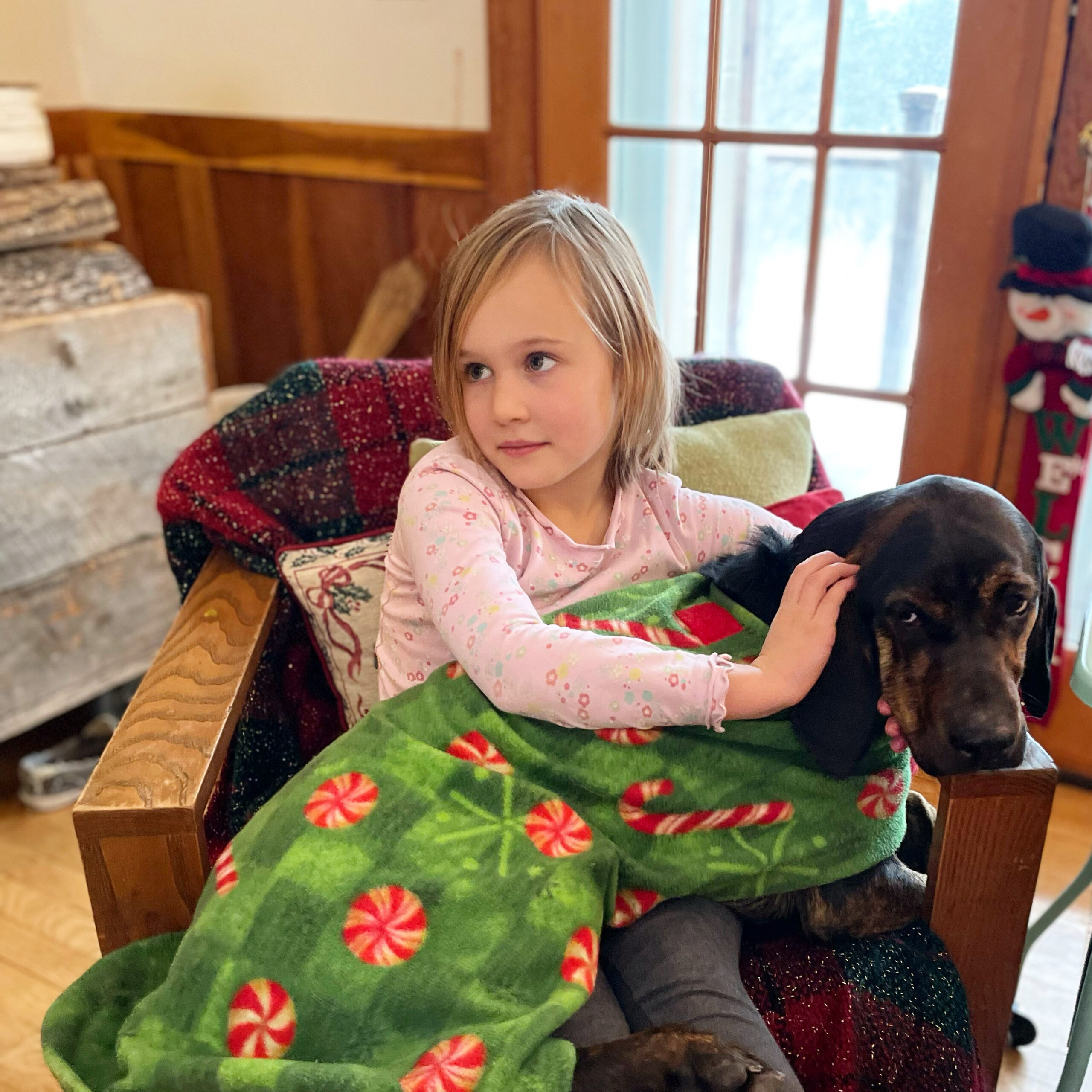
Initial assessments described Genevieve as a "perfect" companion in the presence of humans—calm, non-aggressive, and physically active. However, a critical behavioral pathology emerged almost immediately: an acute inability to remain isolated. While the animal successfully adapted to crate training for sleeping and for sanctuary from household activity, she experienced severe panic attacks whenever the homeowners departed. These episodes were characterized by vocalization, pacing, and physiological distress, regardless of the duration of the absence.
A Multi-Tiered Intervention Strategy
In an effort to stabilize the adoption, the owners implemented a comprehensive intervention strategy categorized into three primary domains: behavioral modification, technological monitoring, and medical management.
Behavioral Modification
The owners engaged a professional dog trainer to establish a desensitization protocol. This process involved "threshold training," where the owners would leave the premises for incrementally increasing durations—starting with as little as 30 seconds—to reward the dog for remaining calm. Despite months of consistent application, the animal’s "panic threshold" remained fixed at approximately five minutes. Behavioral experts noted that while the dog was well-adjusted in social settings, her response to isolation was indicative of a deep-seated psychological trauma or an innate pack dependency.
Technological Monitoring
To assist the trainer and monitor the animal’s safety, the family installed a surveillance system, including a remote-controlled camera and a treat-dispensing device. These tools were intended to provide positive reinforcement from a distance. However, the data gathered via video surveillance confirmed that the animal’s distress began almost the moment the door closed, rendering the treat-dispenser ineffective as the dog was too panicked to engage with food rewards.
Medical and Veterinary Intervention
When behavioral and technological solutions failed to yield results, the family sought veterinary assistance. A series of pharmacological treatments were trialed, beginning with mild anti-anxiety medications and escalating to sedatives and tranquilizers. According to records of the case, none of these pharmaceutical interventions successfully mitigated the panic response, highlighting a subset of the canine population for whom standard chemical stabilization is ineffective.
The Economic Impact of High-Needs Rescue
One of the most salient aspects of the Genevieve case is the financial transparency regarding the costs of attempting to rehabilitate a high-needs rescue dog. Over a period of approximately 120 days, the family documented a total expenditure of $2,373.25. This figure stands in stark contrast to the average annual cost of a healthy dog, which the ASPCA estimates ranges between $700 and $1,100 depending on size and breed.

An itemized breakdown of the costs associated with Genevieve’s care includes:
- Veterinary Services and Medications: Approximately $953.00, covering initial vaccinations, de-worming, microchipping, and multiple follow-up visits for anxiety management.
- Rehoming and Adoption Support: $600.00, paid to a foster-based rescue organization to cover the costs of spaying and future placement.
- Training and Technology: $278.77 for professional consultations and surveillance hardware.
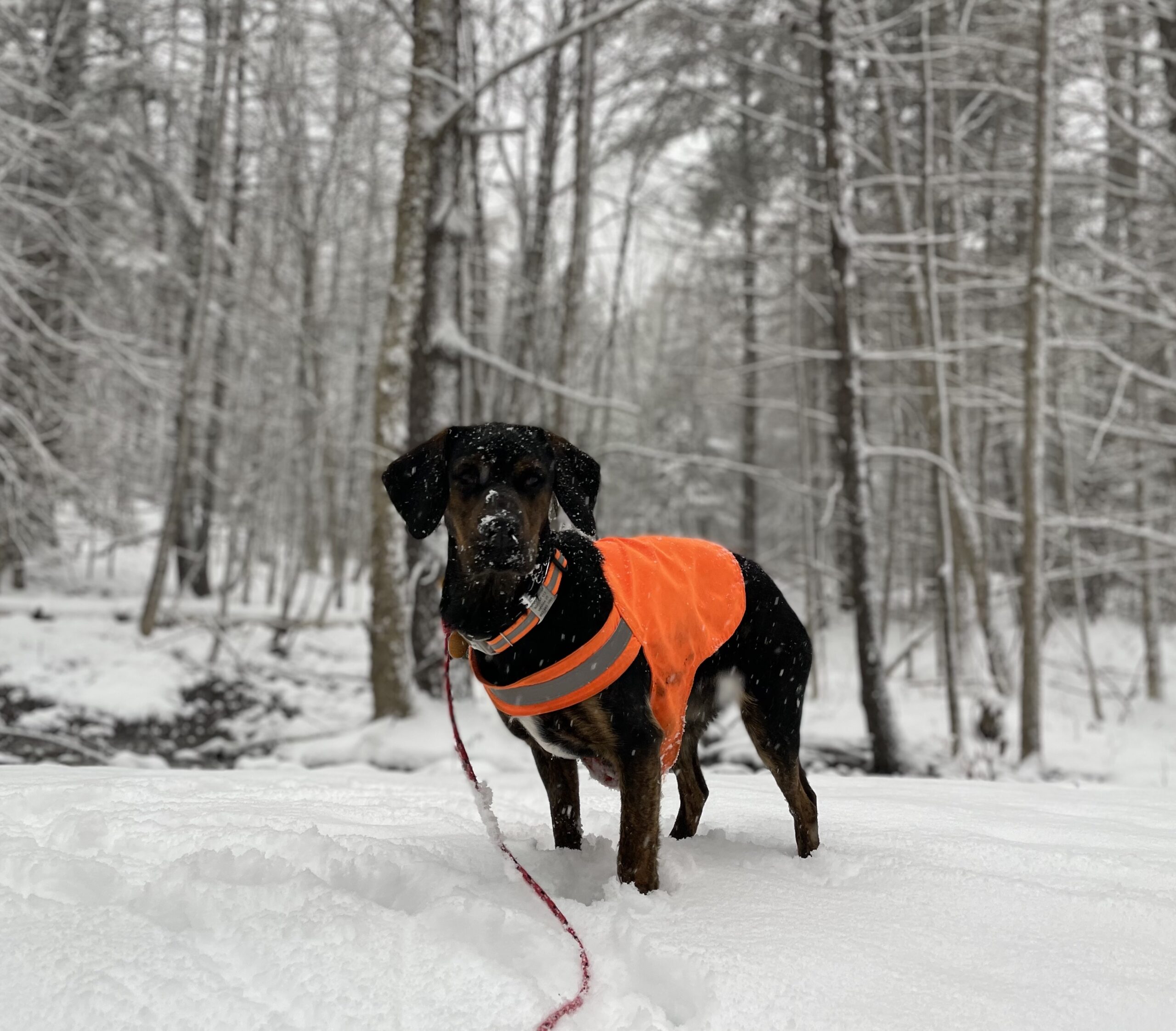
- Supplies and Nutrition: Over $540.00 for specialized gear, including high-visibility vests for the Vermont hunting season, cold-weather booties, and high-quality caloric supplementation for her initial emaciated state.
This financial data serves as a critical case study for prospective pet owners. It demonstrates that "free" or low-cost rescues can quickly become significant financial liabilities if the animal presents with unforeseen medical or behavioral complexities.
The Decision to Rehome: Analysis of Household Stability
By early 2023, the owners concluded that the situation was "untenable." The requirement that one adult remain in the home at all times to prevent the animal’s self-distress began to infringe upon the family’s ability to participate in standard societal functions, such as attending school events, religious services, or community activities.

From a journalistic and sociological perspective, this case touches upon the "failed adoption" stigma. While animal rights rhetoric often emphasizes "forever homes," modern animal welfare professionals are increasingly acknowledging that some environments are fundamentally mismatched with an animal’s specific needs. In Genevieve’s case, the foster-based rescue organization that eventually accepted her discovered a vital piece of information: her separation anxiety vanished when she was in the company of other dogs.
This finding supported the "pack dog" theory. As a former hunting hound, Genevieve likely viewed isolation not just as a stressor, but as a threat to her survival. Her successful subsequent adoption into a household with multiple other canines confirms that her behavioral issues were environmental rather than purely pathological.
Broader Implications for the Rescue Community
The Genevieve case provides several key insights into the current state of animal rescue and domestic pet management.
1. The "Pack Mentality" in Specific Breeds: The incident highlights the importance of breed-specific knowledge. Hounds, particularly those bred for hunting in packs, may possess a genetic predisposition against solitary living that cannot be "trained out" through standard domestic protocols.
2. The Role of Foster-Based Rescues: The success of Genevieve’s rehoming underscores the value of foster-based organizations over traditional shelters. These organizations allow for a more nuanced observation of an animal’s behavior in a home setting, leading to more accurate "matching" with permanent owners.
3. Financial Preparedness: The nearly $2,400 spent in four months serves as a reminder of the necessity of an emergency fund for pet owners. The family’s ability to absorb these costs without compromising their household stability was a luxury not afforded to many, raising questions about the accessibility of pet rehabilitation for lower-income households.
4. The Psychological Impact on the Adopting Family: The case highlights the emotional toll of "behavioral euthanasia" or rehoming. The owners reported feelings of failure and heartbreak, emotions that are common among families who must choose between their own quality of life and the care of a high-needs animal.
Conclusion and Regional Context
The resolution of Genevieve’s story—her placement in a multi-dog home where she is reportedly thriving—offers a bittersweet conclusion. It serves as a reminder that successful pet ownership is a confluence of timing, environment, and resources. For the family in Vermont, the experience led to a strategic pause in pet ownership, a decision motivated by the desire to prioritize family excursions and the developmental needs of their young children.
The case also occurred against a backdrop of regional challenges. Shortly after the conclusion of the Genevieve saga, the family’s community in Vermont was struck by severe flooding. The destruction of their infrastructure, including a quarter-mile driveway, added a layer of environmental and financial stress to an already difficult year. The intersection of these events—a failed high-needs adoption and a natural disaster—illustrates the unpredictable nature of domestic life and the necessity of resilience in the face of escalating "unexpected expenses."
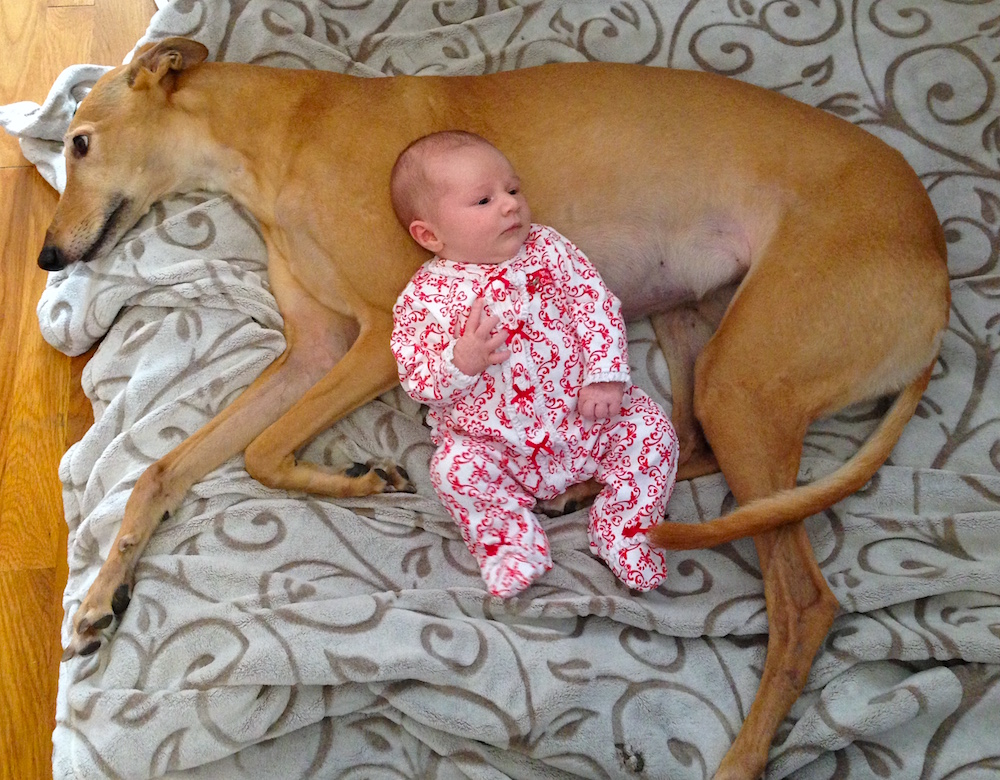
Ultimately, the story of Genevieve is less about a failure of care and more about the limits of human intervention. It reinforces the necessity of honesty within the rescue community regarding the feasibility of rehabilitating certain behaviors within a standard nuclear family structure. As the pet industry continues to grow, cases like Genevieve’s provide essential data for refining the adoption process to ensure that both animals and humans are placed in positions to succeed.

