
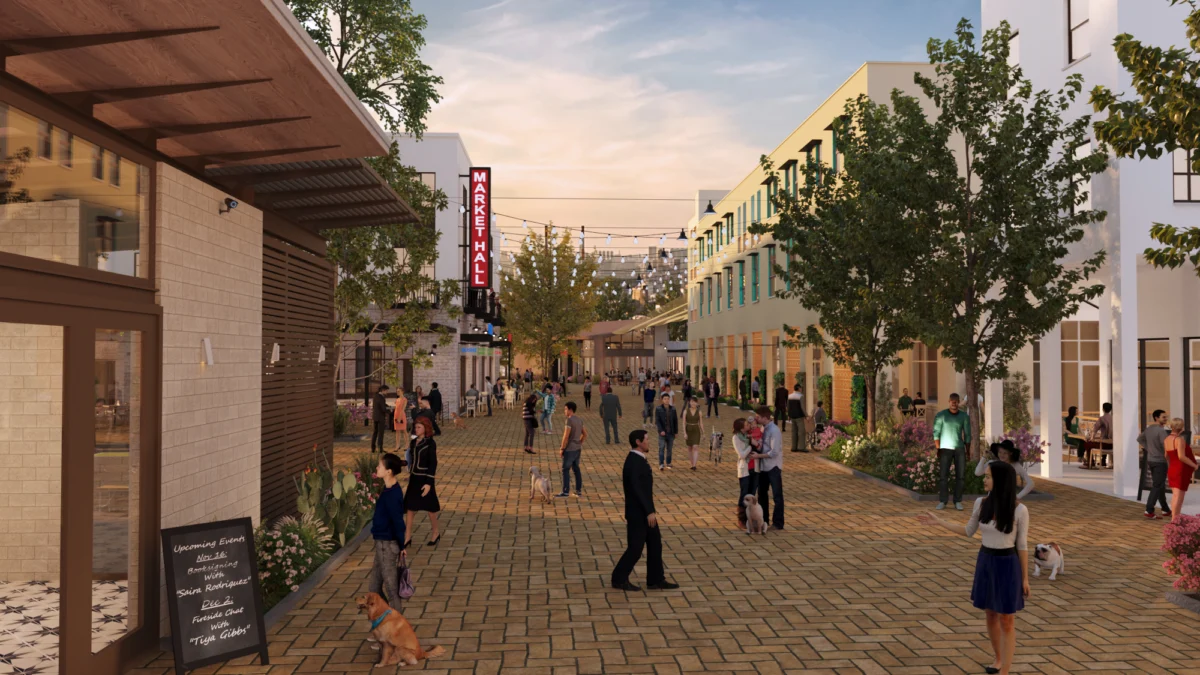
A profound shift in urban planning is gaining momentum, challenging decades of car-centric development in favor of communities designed for people. This paradigm, championed by visionaries and exemplified by innovative projects like Culdesac Tempe, promises to unlock unprecedented economic prosperity, enhance public health, and foster vibrant social connections, potentially generating trillions in wealth and fundamentally reshaping human living. This move toward pedestrian and cyclist-friendly environments is not merely an aesthetic preference but a strategic imperative with far-reaching implications for individual well-being and national economies.
The Historical Trajectory of Car-Centric Urbanism
For the better part of a century, urban development in many parts of the world, particularly North America, has been overwhelmingly influenced by the automobile. Following World War II, the rise of mass car ownership, coupled with federal highway acts and the suburbanization movement, led to cities sprawling outwards. Zoning regulations often mandated minimum parking requirements for every new building, from residential complexes to commercial centers, effectively dedicating vast swathes of valuable urban land to car storage. This design philosophy created a self-reinforcing cycle: cities were built to accommodate cars, which then made cars a necessity for daily life, further entrenching car dependence.
This approach, while initially perceived as a symbol of progress and freedom, has resulted in numerous societal drawbacks. Extensive road networks and sprawling parking lots consumed immense resources, fragmented communities, and created environments that were often hostile to pedestrians and cyclists. The economic burden of car ownership—including vehicle purchase, insurance, fuel, maintenance, and parking—became a significant household expense. Furthermore, the environmental impact, from air pollution to carbon emissions, and the public health crisis of sedentary lifestyles, have prompted a re-evaluation of this foundational urban planning principle.
Unlocking Trillions: The Economic Imperative
The economic benefits of transitioning to human-centric urban design are staggering, far exceeding conventional estimates. Proponents suggest that such a shift could boost the wealth of individuals by over $20,000 per person annually, compounding into more than two million dollars over an adult lifetime. On a national scale, this translates to an estimated seven trillion dollars per year for countries like the United States, a figure that could accumulate to approximately $770 trillion over five decades – a sum surpassing the current total human wealth on the entire planet.
These figures are derived from a comprehensive analysis of various cost savings and value creations. Firstly, a significant portion comes from the drastic reduction in personal transportation expenses. The average cost of owning and operating a car in the U.S. can exceed $10,000 annually, encompassing depreciation, fuel, insurance, maintenance, and financing. In car-free environments, these costs are largely eliminated, freeing up substantial disposable income for individuals and families.
Secondly, health benefits translate directly into economic gains. Increased physical activity from walking and cycling significantly reduces rates of obesity, cardiovascular disease, and other chronic conditions, leading to lower healthcare expenditures. Cleaner air, a direct result of fewer vehicles, further mitigates respiratory illnesses and improves overall public health, lessening the strain on healthcare systems.
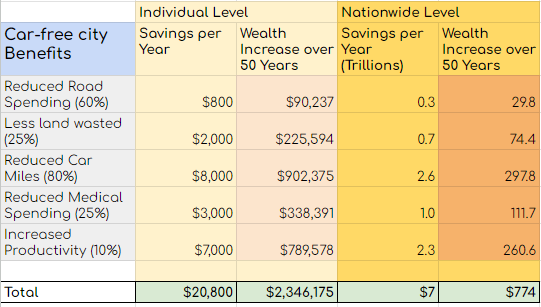
Thirdly, land-use efficiency dramatically increases property values and allows for higher density, mixed-use developments. By converting space traditionally dedicated to parking lots and wide roadways into residential units, public amenities, and commercial establishments, cities can generate more tax revenue and create more affordable housing options. The capital saved from not building and maintaining extensive car infrastructure (roads, bridges, multi-story parking garages) can be redirected to public services, green spaces, and sustainable transportation networks, fueling an investment and prosperity boom.
Reclaiming Urban Space: A Vision for Vibrant Communities
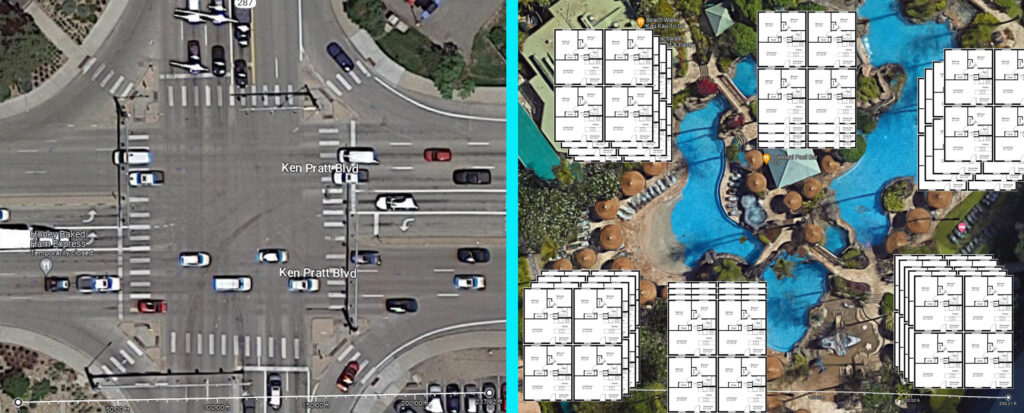
One of the most compelling arguments for human-centric urban design lies in its ability to reclaim and repurpose vast tracts of urban land currently dedicated to automobiles. The scale of this waste is often underestimated. Consider a single parking space, which could instead accommodate a modest two-bedroom apartment. An average intersection in a major city, roughly 250 by 250 feet, occupies approximately 1.5 acres. This seemingly innocuous patch of asphalt, when reimagined, could host a resort-like living area complete with a hundred two-bedroom apartments, a swimming pool, a dog park, a grocery store, and several restaurants.
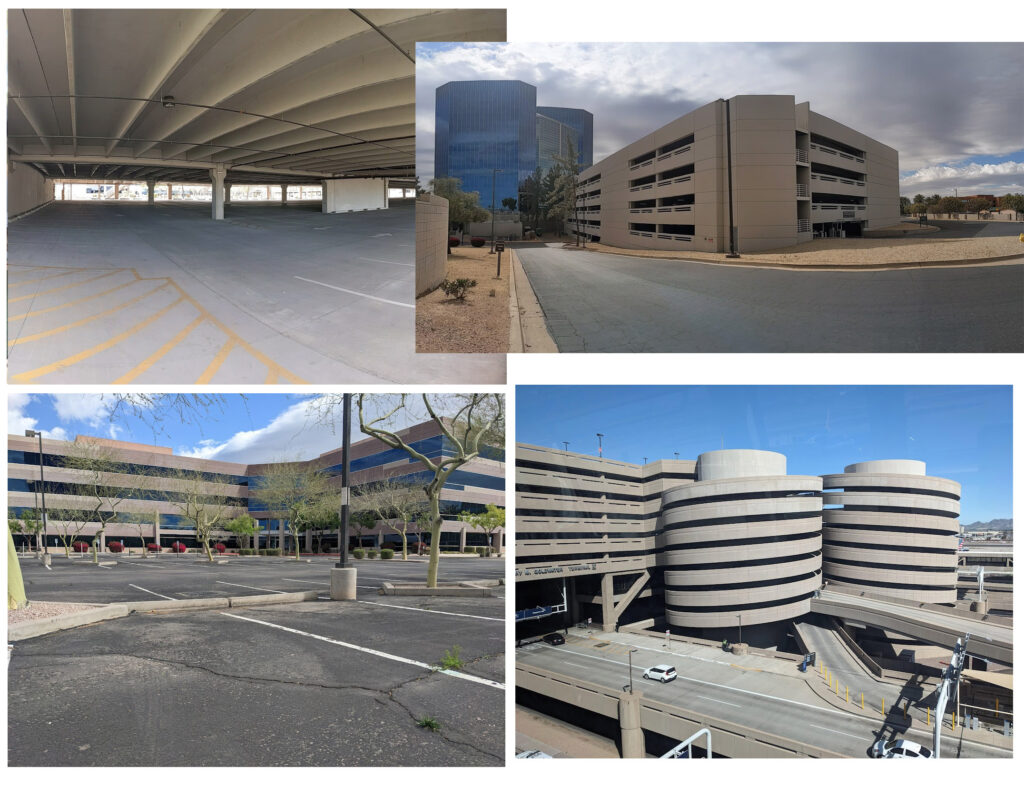
This illustrates a fundamental inefficiency in car-centric planning: the sheer amount of space required for vehicle movement, parking, and associated infrastructure. In cities obsessed with cars, like Phoenix, vast expanses are consumed by infinitely large parking garages, surface lots, and multi-lane roads. This sprawl, ironically, is precisely what creates the perceived "need" for cars, as destinations become too spread out, loud, and dangerous for walking or biking.
By eliminating this wasted space, cities can transform into denser, more walkable, and aesthetically pleasing environments. The land freed up can be utilized for parks, public squares, community gardens, local businesses, and a greater diversity of housing types, fostering a stronger sense of community and enhancing the quality of urban life. Imagine a city where every corner intersection becomes a small plaza, a vibrant market, or a pocket park – spaces that encourage social interaction, leisure, and local commerce, rather than merely facilitating vehicular transit.
The Health and Lifestyle Dividend
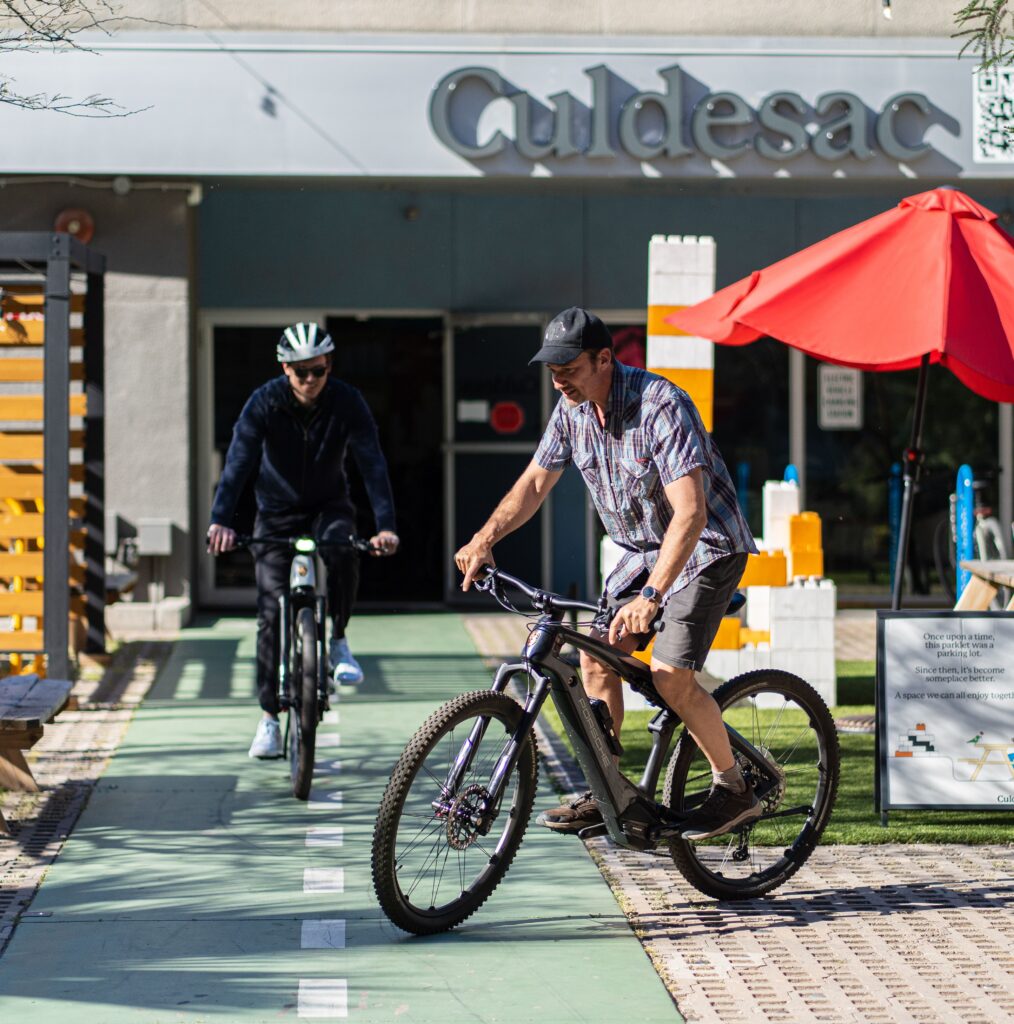
Beyond the financial and spatial benefits, the human-centric model promises a far richer, healthier, and more enjoyable daily existence. When cities prioritize pedestrians and cyclists, physical activity becomes an integrated part of daily routines. Commutes transform from sedentary, stressful experiences into opportunities for exercise and mental well-being. Regular walking and cycling are linked to reduced risks of chronic diseases, improved cardiovascular health, and enhanced mood.
Moreover, car-free environments are inherently safer and quieter. The absence of constant traffic noise and the fear of vehicle collisions creates a more peaceful and inviting atmosphere. Public spaces become true gathering places, fostering spontaneous social interactions and strengthening community bonds. Children can play safely outdoors, and residents of all ages can navigate their neighborhoods independently and comfortably. The overall reduction in stress associated with commuting, parking, and traffic congestion contributes significantly to mental health and a higher quality of life. This "more fun living" stems from a return to human scale, where the pace of life slows, and the opportunities for connection multiply.
Culdesac Tempe: A Tangible Blueprint
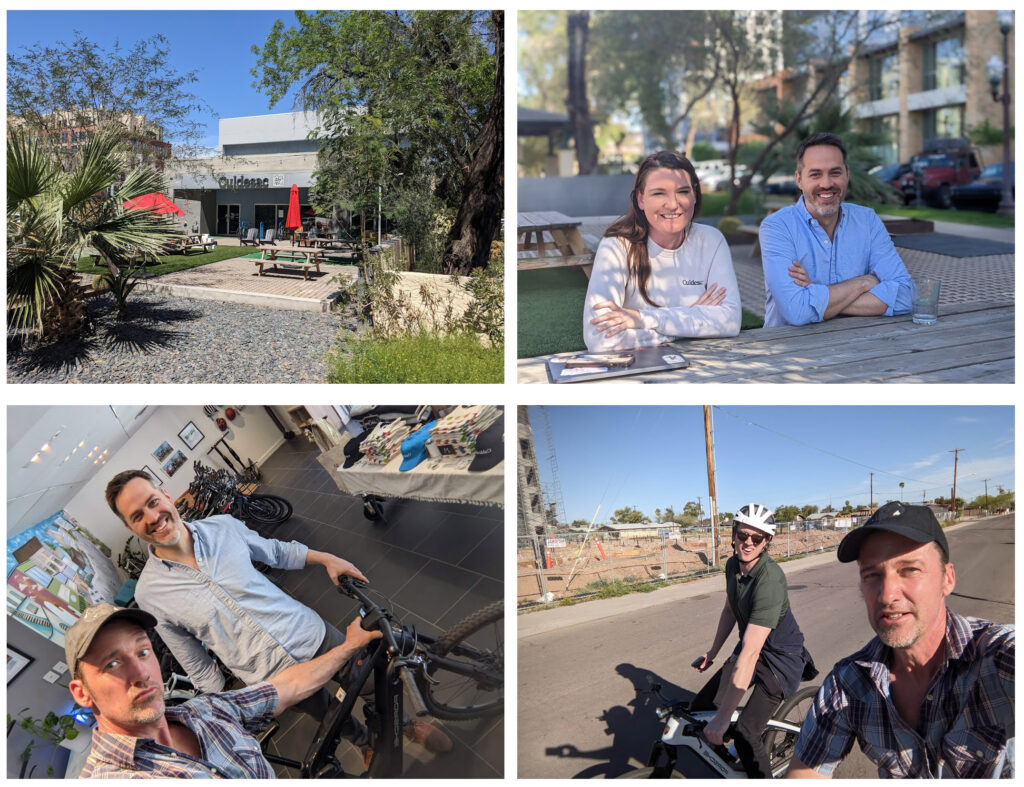
While the concept of car-free cities might seem idealistic, projects like Culdesac Tempe are demonstrating its immediate viability and profound impact. Located in Tempe, Arizona, Culdesac is the United States’ first purpose-built, car-free neighborhood designed for 1,000 residents across 17 acres. Its development represents a significant stride in translating theoretical urban planning ideals into concrete, livable realities.
Conceived by co-founders Jeff Berens and Ryan Johnson, Culdesac Tempe began welcoming its first residents in 2023. The project faced and overcame significant bureaucratic hurdles, including securing zoning changes in a city accustomed to car-centric development. Their success in navigating these challenges underscores the increasing demand for such innovative living models and the potential for progressive urban policies.
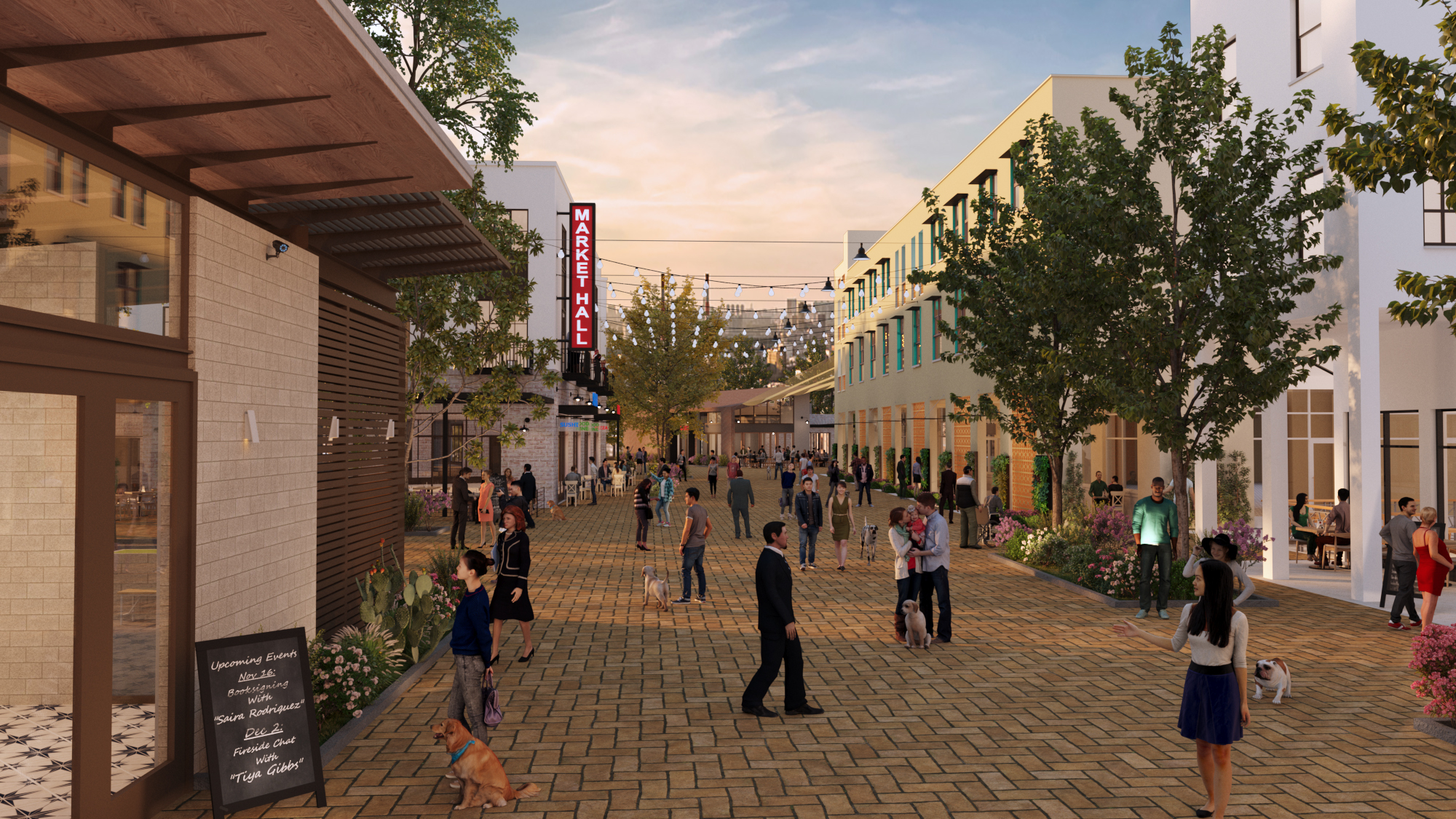
The design philosophy behind Culdesac Tempe is a masterclass in human-centric planning. Instead of vast parking lots, the space is dedicated to beautiful walking paths, lush gardens, and inviting communal areas. The architecture, inspired by Mediterranean aesthetics, incorporates elements like shade structures, natural ventilation, and reflective surfaces to mitigate the desert heat, ensuring comfort year-round. The integration of daily amenities directly into the neighborhood eliminates the need for car trips for routine tasks. Residents have access to a variety of on-site facilities, including:

- Retail and Dining: Cafes, restaurants, and local shops that serve both residents and the wider community.
- Essential Services: A grocery store, making daily shopping a short walk or bike ride away.
- Health and Wellness: A fitness center and a pool for recreation and exercise.
- Community Spaces: Co-working areas, a dog park, and various gathering spots designed to foster social interaction.
Connectivity is paramount at Culdesac. While the neighborhood itself is car-free, it is strategically located within walking distance of Arizona State University and directly adjacent to a light rail stop. This transit access provides seamless connections to the broader Phoenix metropolitan area, including the airport, making regional travel convenient. Residents receive an annual pass to the transit system included with their rent, further incentivizing public transportation use. For distances beyond walking or biking range, a fleet of shared electric cars is available, alongside abundant e-bikes and scooters, ensuring that residents retain mobility options for all their needs.
Overcoming Resistance and Scaling the Vision
The path to widespread adoption of car-free urbanism is not without its challenges. Common complaints often revolve around perceived inconveniences: "How will I drive my car?", "What about deliveries?", or "How will elderly or disabled individuals get around?" These concerns, while understandable, often stem from a deeply ingrained car-dependent mindset.

The answer, as demonstrated by Culdesac Tempe, is that the need for personal cars diminishes significantly when the urban environment is designed differently. Deliveries can be managed by smaller, electric service vehicles that navigate pedestrian-friendly paths. Mobility assistance can be provided through specialized electric shuttles, robust public transit, and accessible infrastructure. The goal is not to eliminate cars entirely but to reduce their dominance and integrate them as one option among many, primarily for longer-distance travel or specific needs.
The master plan for Culdesac extends far beyond Tempe. The founders envision a future where this model scales exponentially, aiming to develop communities for 100,000 people across 10-20 cities within the next decade. This ambitious goal involves not only proving the financial profitability and desirability of car-free developments but also actively influencing urban policy and zoning regulations. Their success in Tempe serves as a powerful case study, demonstrating that such projects are not only feasible but also highly attractive to residents and investors alike.
Broader Implications and Future Outlook
The implications of a widespread shift towards human-centric cities are transformative across multiple dimensions:
- Environmental Impact: A significant reduction in greenhouse gas emissions and air pollution, contributing directly to climate change mitigation and improved public health.
- Social Equity: Car-free communities can reduce the financial burden of transportation, making urban living more affordable and accessible for diverse income groups. Integrated public transit and pedestrian infrastructure ensure mobility for everyone, regardless of car ownership.
- Economic Transformation: A reallocation of resources from car-centric infrastructure to human-centric amenities will spur innovation in urban design, local commerce, and sustainable technologies. This could lead to a revitalization of local economies and new job creation.
- Policy and Governance: The success of projects like Culdesac Tempe will pressure city councils and urban planners to re-evaluate existing zoning laws, parking mandates, and transportation priorities, fostering a more adaptive and forward-thinking approach to urban development. Urban planners, environmental advocates, and progressive developers are increasingly recognizing these projects as vital steps towards sustainable and equitable cities.
The movement for car-free cities is not merely an architectural trend; it represents a fundamental re-imagining of how we live, work, and interact within our urban environments. It is an economic powerhouse, a public health solution, and a catalyst for vibrant communities. The stakes are immense, promising an unprecedented explosion of personal and national wealth, health, and happiness for generations to come. As more communities embrace this vision, the dream of cities built for people, not cars, moves closer to becoming a universal reality.

