
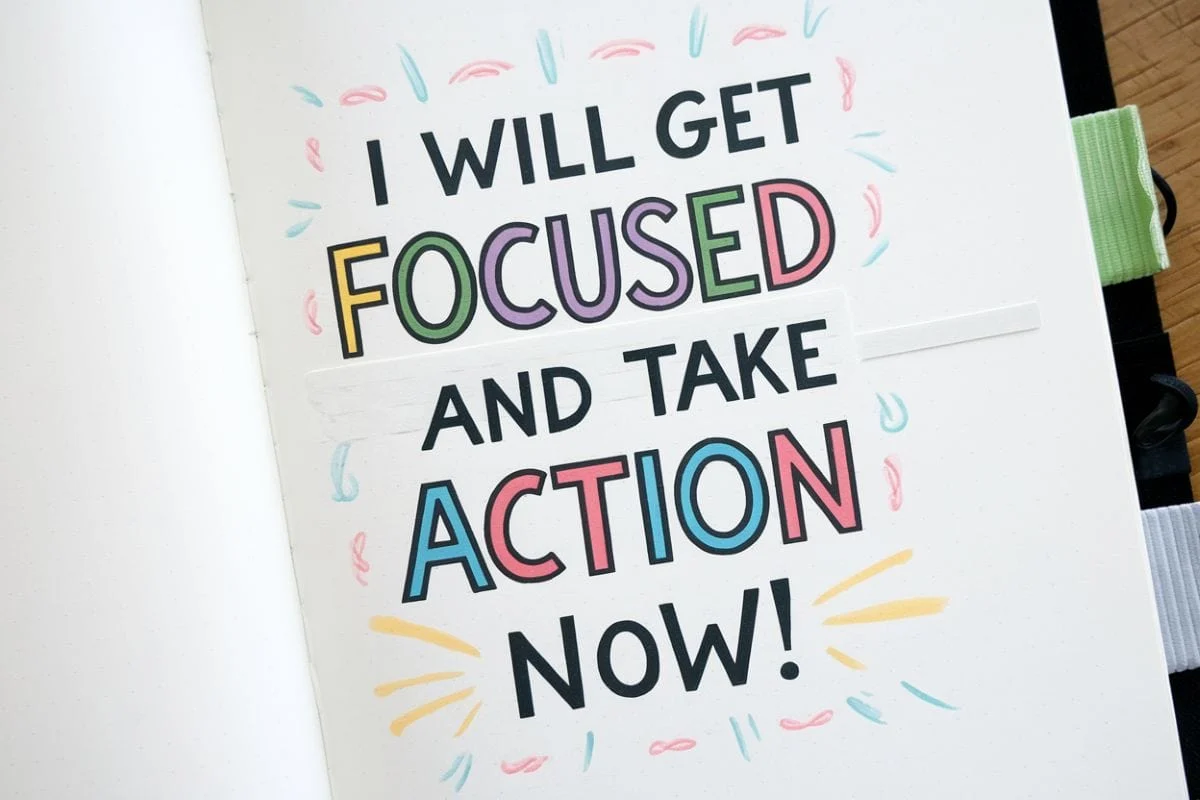
The humble to-do list, often considered the cornerstone of personal organization, finds a dynamic and adaptable home within the bullet journal system. Far from being a mere list of tasks, these custom-designed spreads offer a powerful framework for managing responsibilities, boosting productivity, and fostering a sense of accomplishment. Whether individuals opt for minimalist layouts or intricate, color-coded systems, the bullet journal to-do list serves as a versatile tool for navigating the complexities of daily, weekly, and monthly planning. This exploration delves into the multifaceted applications of to-do lists within the bullet journal, examining their structure, benefits, and diverse implementations to empower users in their pursuit of efficiency and goal attainment.
The fundamental appeal of a to-do list within a bullet journal lies in its inherent flexibility. Unlike pre-printed planners, bullet journal spreads are entirely customizable, allowing users to tailor them to their unique organizational styles and needs. This adaptability is crucial, as productivity is not a one-size-fits-all endeavor. Some individuals thrive on rigid structure, while others prefer a more fluid approach. Bullet journaling accommodates both, offering a blank canvas upon which to create a system that genuinely works.
One of the most straightforward yet effective iterations is the Simple To-Do Planner Page. This foundational spread typically involves a clear heading, followed by a series of bullet points or checkboxes where tasks are listed. The beauty of this simplicity lies in its directness. It strips away unnecessary complexity, focusing solely on the action items required. For those new to bullet journaling or who prefer an uncluttered aesthetic, this minimalist approach can be incredibly effective. It allows for quick capture of tasks and provides a clear visual of what needs to be accomplished, fostering a sense of progress as items are checked off. The absence of elaborate design elements ensures that the focus remains squarely on the tasks themselves, preventing the planning process from becoming a chore in itself.

Color-Coded To-Do List Bujo Pages elevate the simple to-do list by incorporating visual cues for prioritization and categorization. The strategic use of color can transform a static list into an intuitive and dynamic organizational tool. By assigning specific colors to different types of tasks—such as urgent, important, personal, work-related, or even tasks designated for specific times of day—users can gain an immediate understanding of their workload at a glance. For instance, a common practice is to use red for urgent deadlines, yellow for high-priority items, and blue for optional or less time-sensitive tasks. This method not only aids in prioritization but also helps in mentally compartmentalizing different aspects of one’s life, reducing cognitive load and making it easier to switch between different modes of thinking. The visual distinction provided by color coding can significantly improve efficiency by allowing users to quickly identify which tasks demand immediate attention and which can be addressed at a more opportune moment.
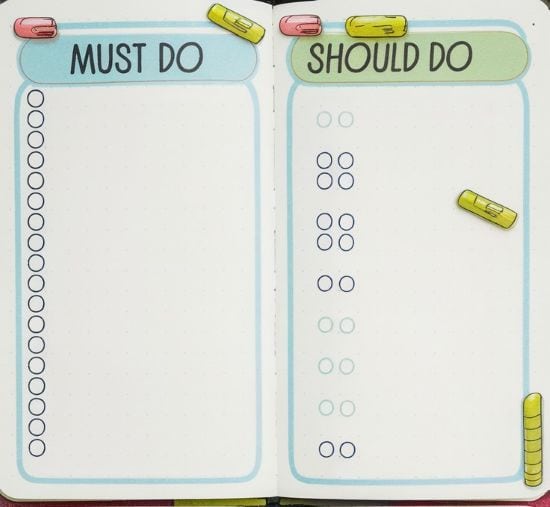
When faced with a daunting number of tasks, prioritization becomes paramount. The Must Do – Should Do – If I Have Time Planner Formats offer a structured solution to this common challenge. This tiered approach categorizes tasks based on their urgency and importance, guiding users to focus their energy on what truly matters. The "Must Do" section is reserved for critical tasks that have immediate deadlines or significant consequences if not completed. The "Should Do" category encompasses important tasks that contribute to larger goals but may have a slightly more flexible timeline. Finally, the "If I Have Time" section includes desirable tasks or those that can be deferred without significant impact. This hierarchical organization helps prevent individuals from feeling overwhelmed by a lengthy list, allowing them to concentrate on the most impactful actions first. By explicitly defining these categories, users can make more informed decisions about how to allocate their time and resources, ensuring that essential responsibilities are met while still allowing for personal or discretionary activities.

A variation of this prioritization system is the Must Do – Should Do format, which streamlines the process by focusing on the two most crucial tiers of tasks. This simplified version is ideal for individuals who find the three-tiered system too granular or who prefer a more direct approach to identifying their core responsibilities. By concentrating on what absolutely needs to be done and what is highly important, this layout ensures that the most critical items are never overlooked. It provides a clear directive for the day or week, promoting a sense of focus and enabling users to achieve key objectives with greater certainty.
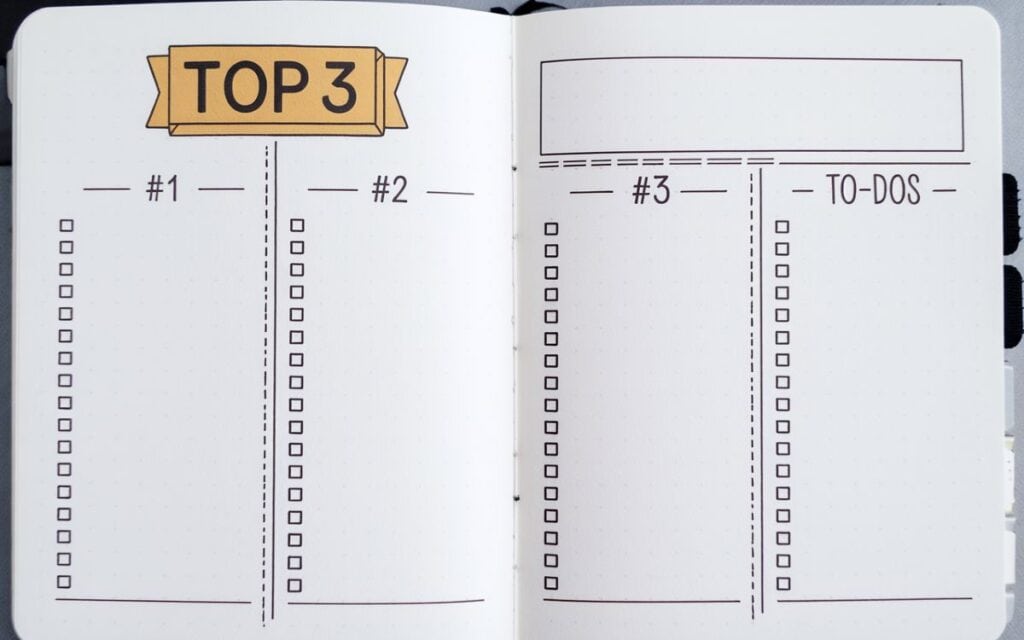
For many, productivity is intrinsically linked to how effectively they manage their daily schedule. The Daily Top 3 Method directly addresses this by encouraging users to identify and focus on the three most important tasks for any given day. This approach combats the tendency to overcommit and become paralyzed by an extensive to-do list. By narrowing the focus to a select few high-impact items, individuals can experience a greater sense of accomplishment as these key tasks are completed. The "Daily Top 3" can be implemented as a standalone spread or integrated into a daily bullet journal log. It serves as a powerful reminder of daily priorities, helping to maintain momentum and prevent less critical tasks from derailing progress on what truly matters. This method is particularly effective for individuals who struggle with task initiation or who tend to get sidetracked by less important activities.

The temporal scope of planning can significantly influence the type of to-do list structure that is most beneficial. Whether planning by the day, week, or month, bullet journaling offers adaptable layouts to suit these varying needs.
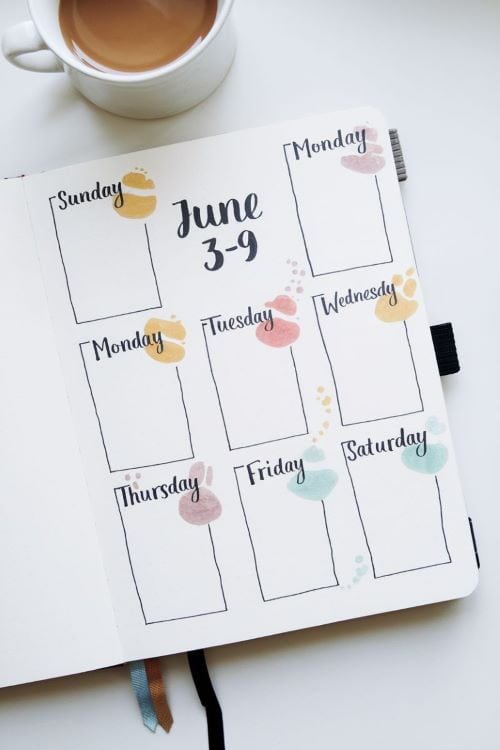
A Bujo To-Do List Layout Daily Spread Example For The Week offers a consolidated view of daily tasks across an entire week. This spread typically divides a page or two into seven sections, one for each day. Within each day’s section, users can list their specific tasks, appointments, and commitments. This format is invaluable for those who appreciate a holistic overview of their weekly schedule, allowing them to identify potential conflicts, plan for transitions between tasks, and ensure a balanced distribution of activities throughout the week. It also facilitates the rolling over of unfinished tasks from one day to the next, providing a continuous thread of accountability.

Expanding on this, a Bujo To-Do List Layout Weekly Spread Example For The Month can provide a broader perspective. This type of spread might list key tasks or objectives for each week of the month, often accompanied by checkboxes or spaces for notes. It’s particularly useful for project management or for tracking progress on long-term goals that are broken down into weekly milestones. By visualizing the month at a glance, individuals can better strategize their efforts, allocate resources effectively, and ensure that they are consistently moving towards their larger monthly objectives.
For a more granular view of immediate responsibilities, a Bujo To-Do List Layout Monthly Spread Example is indispensable. This spread typically presents a calendar grid for the month, with space within each day’s box to list tasks. Some variations include a dedicated section at the bottom or side of the page for monthly-specific to-dos that don’t necessarily fall on a particular day. This format is excellent for capturing recurring monthly tasks, appointments, and deadlines, ensuring that nothing slips through the cracks. It provides a comprehensive overview of the month’s commitments, allowing for proactive planning and efficient time management.
Beyond general task management, bullet journals can be adept at handling routine tasks, which often form the backbone of productivity and well-being. A dedicated space for tracking these recurring responsibilities ensures they are not overlooked amidst more pressing demands.
The Time-Based Tasks layout is a practical solution for individuals whose schedules are dictated by available time slots. This spread allows users to list tasks and assign them to specific time blocks throughout the day. For example, a user might note "Respond to emails (9:00 AM – 9:30 AM)" or "Exercise (5:00 PM – 5:45 PM)." This method is particularly beneficial for those who thrive on structure and need a clear roadmap for their day. It helps in creating a sense of flow and prevents time from being wasted on deciding what to do next. The visual representation of time commitments can also help in identifying periods of over-scheduling or under-utilization, allowing for adjustments to optimize productivity.
Weekly Recurring Tasks represent a crucial category of responsibilities that, if neglected, can lead to accumulating clutter or missed opportunities. A dedicated spread for these tasks allows users to list them once and then simply check them off each week as they are completed. This can include anything from household chores like laundry and grocery shopping to personal habits like journaling or exercising. By having a consistent checklist, users can build routines and ensure that essential recurring tasks are consistently addressed, contributing to a well-managed personal and professional life.
For situations where weekly tasks are not fixed, the Weekly Rotating Tasks spread offers a flexible solution. This layout allows users to list tasks that change from week to week, providing a dynamic system for tracking varied responsibilities. Instead of pre-filling tasks, users can write in the specific items that need attention for that particular week. This adaptability is invaluable for individuals with fluctuating workloads or diverse project commitments. As tasks are completed, they can be crossed off, and new tasks can be added for the following week, ensuring that the list remains relevant and effective.
Finally, for larger endeavors, the Bullet Journal Project Planner To-Do List is an essential tool. Projects, whether professional or personal, can feel overwhelming if not properly segmented. This spread allows users to break down a large project into smaller, manageable milestones and individual tasks. It can incorporate deadlines, priority levels, and status updates for each component, providing a clear roadmap for completion. By visualizing the project’s progression through a series of actionable steps, individuals can maintain motivation, track their progress, and celebrate the achievement of each milestone. This methodical approach reduces the likelihood of procrastination and ensures that complex projects are systematically addressed, leading to successful outcomes.
In conclusion, the bullet journal to-do list is far more than a simple recording of tasks. It is a personalized productivity engine, a strategic planning tool, and a visual testament to one’s commitment to organization and achievement. By offering a diverse range of layouts—from the minimalist to the elaborately color-coded, from daily priorities to long-term project breakdowns—the bullet journal empowers individuals to craft a system that resonates with their unique needs and working styles. The adaptability and customizability inherent in bullet journaling ensure that to-do lists can evolve alongside the user, becoming an indispensable partner in navigating the complexities of modern life and consistently moving towards defined goals. The ultimate success of any to-do list, regardless of its design, lies in its ability to foster action, provide clarity, and ultimately, help individuals get things done.

