

The implementation of practical financial literacy for children has become a focal point for developmental experts as consumerism increasingly targets younger demographics. In rural Vermont, a specific model of early childhood financial education has emerged, utilizing high-pressure consumer environments—such as county fairs and school book fairs—as "living laboratories" for money management. This approach, practiced by a family documented through the Frugalwoods personal finance project, focuses on children aged five and seven, emphasizing the transition from abstract concepts to tangible economic consequences. By categorizing household expenditures into "needs" and "discretionary wants," and establishing a internal labor market, this model seeks to demystify the adult world of commerce while mitigating the anxiety often associated with fiscal discussions.
The Foundation of the Family Money Philosophy
The core of this educational framework is a bifurcated system of responsibility. Parents assume the role of the primary providers, covering all essential "needs." This category is strictly defined to include shelter, healthcare, nutrition, clothing, and educational materials, as well as the cost of admission to cultural and recreational venues like museums and fairs. By securing these essentials, the parents establish a baseline of safety, ensuring that the children’s forays into financial management do not impact their basic well-being.

The secondary tier involves discretionary items. Under this philosophy, the children are responsible for funding their own "extras." These include specialty snacks and desserts at restaurants, souvenirs or trinkets at gift shops, and specific items from the Scholastic Book Fair. This distinction is critical in a modern economy where children are frequently the targets of sophisticated marketing. By requiring children to use their own earned capital for these items, the parents shift the role of the "gatekeeper" from the adult to the child’s own budget, effectively neutralizing the common "pester power" often observed in retail settings.
The Internal Labor Market: Chores and Compensation
To facilitate this system, the household operates a structured labor market where children can earn "fair market value" for specific tasks. This system distinguishes between "Daily Unpaid Work" and "Compensated Labor."
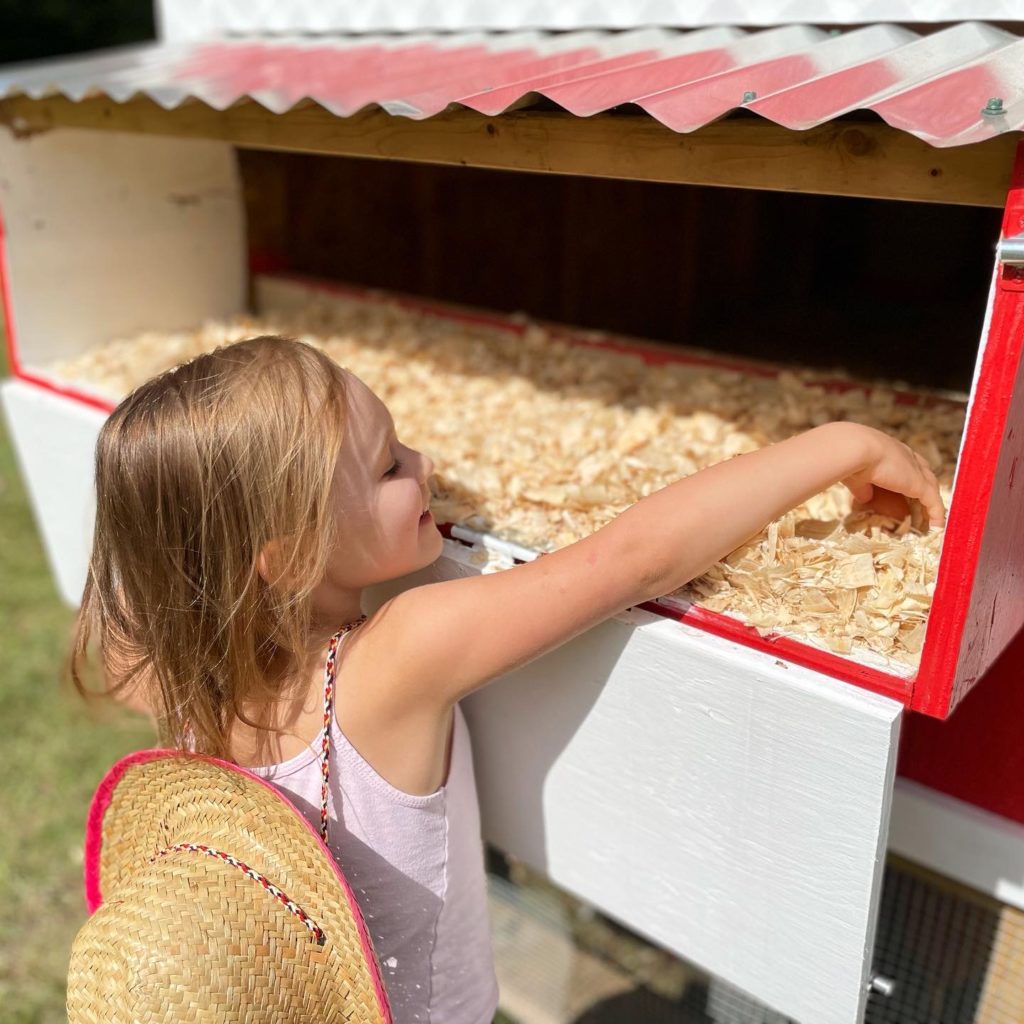
Daily Unpaid Work is framed as a civic duty within the family unit. These tasks include maintaining personal hygiene, cleaning one’s own room, clearing the table, and contributing to the homestead’s operation, such as collecting eggs from chickens or managing compost. The rationale is that these activities contribute to the child’s own well-being or the basic functioning of the home, for which no external payment would typically be expected.

Compensated Labor, conversely, involves tasks that provide a broader service to the parents or the household infrastructure. Examples include:
- Organizing common areas (e.g., kitchen cabinets or drawers).
- Cleaning the parents’ laundry.
- Assisting with seasonal property maintenance.
- Assisting with heavy cleaning of the family vehicle.
A notable feature of this system is the allowance for negotiation. In one documented instance, the seven-year-old child negotiated a $10 lump sum payment for a comprehensive reorganization of the kitchen cabinets. This introduces the concept of value-based pricing and project management. However, the system maintains strict quality control; compensation is only rendered if the task is completed to a professional standard without significant adult intervention. This reinforces the economic reality that labor must meet a certain threshold of utility to command a wage.
Chronology of Financial Milestones: The Unicorn Debt and the Museum Incident
The efficacy of this hands-on approach is best illustrated through a series of chronological events that served as pivotal learning moments.
The 2022 County Fair Debt Incident:
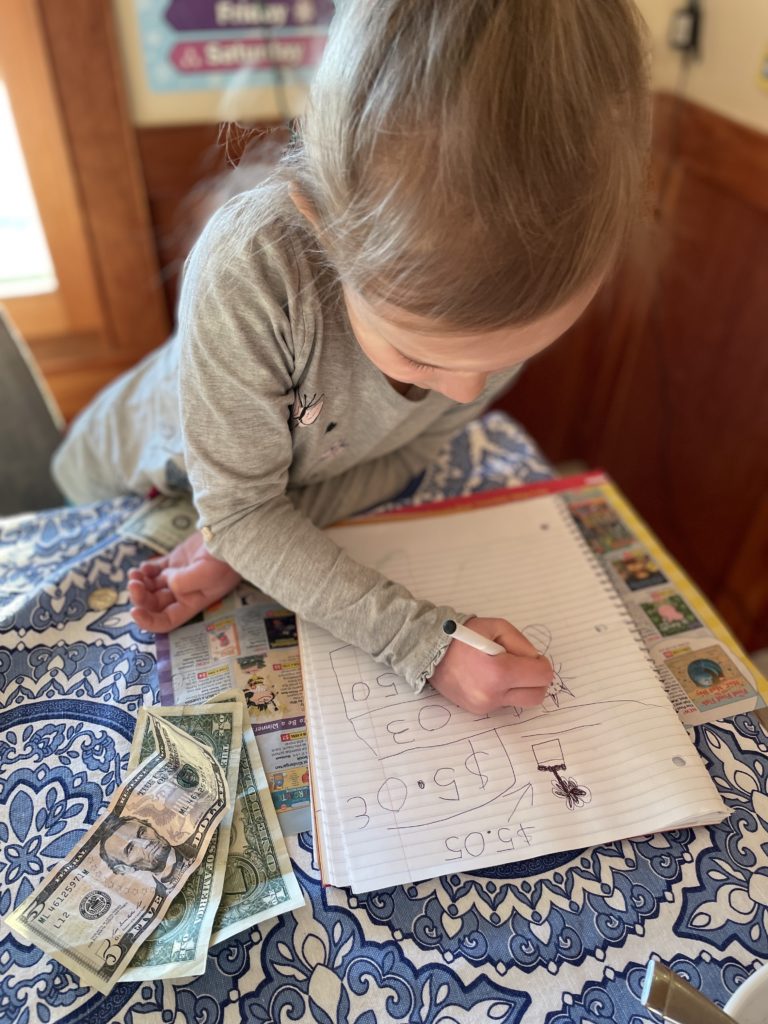
During a visit to the local county fair, the elder child, then aged six, sought to purchase an inflatable unicorn priced at $13. At the time, her liquid assets totaled only $9. The parents allowed the child to enter into a debt agreement, providing the remaining $4 on the condition that it be repaid through mandatory labor.
The aftermath of this purchase provided a visceral lesson in the "disutility of debt." Upon returning home, the child was required to perform chores to pay off the $4. The child noted that it was "not fun" to work for an item she already possessed, as the labor no longer resulted in a new reward. This experience with the psychological weight of debt led to a significant behavioral shift; neither child has opted to spend beyond their means in the subsequent year.
The 2023 Museum Loss Event:
In the summer of 2023, at a science museum gift shop, the elder child misplaced her wallet after hours of careful comparison shopping. The ensuing distress provided an opportunity to discuss the physical responsibility of wealth management. While the wallet was eventually recovered through the museum’s lost and found, the event served as a stark reminder that capital can be lost through negligence, and that unlike digital transactions, physical cash is often unrecoverable.
The Summer 2023 "Dessert Split" Negotiation:
During a series of farm-to-table pizza events, the children began purchasing their own desserts. This led to a sophisticated economic dispute when the elder child realized she was funding a $7 dessert that her younger sister was also consuming. This resulted in a negotiation where the siblings agreed to split the cost. Because $7 cannot be divided evenly into whole dollar amounts, the children were forced to engage in coin denomination math, further integrating basic arithmetic with real-world financial transactions.
Data and Analysis: The State of Financial Literacy
The Vermont model aligns with broader trends in financial education that emphasize "just-in-time" learning. According to data from the Council for Economic Education (CEE), only 25 states currently require high school students to take a course in personal finance. Research suggests that waiting until high school may be too late to form foundational habits.
A 2022 study by T. Rowe Price found that nearly half of parents miss opportunities to talk to their children about money, often due to a lack of confidence or a desire to "protect" children from adult stresses. However, financial experts argue that children as young as five are capable of understanding basic economic concepts such as trade-offs, scarcity, and delayed gratification. By demystifying the source of family funds—explaining that "Mama works and is paid money for her work, which buys our groceries"—the parents in the Vermont study are addressing what experts call the "invisible money" problem, where children see cards swiped or buttons clicked without understanding the labor-to-capital pipeline.

Broader Impact and Educational Implications
The implications of this household micro-economy extend beyond simple math skills. It fosters a sense of agency and independence. By allowing children to order their own food and handle their own transactions at a counter, they practice social navigation and self-advocacy.
Furthermore, the model addresses the emotional intelligence required for financial stability. By treating money as a "tool" rather than a measure of "self-worth" or "status," the children are less likely to develop the anxiety-based spending or hoarding behaviors often seen in adults. The "Frugalwoods" approach emphasizes that while money can facilitate happiness to an extent (through safety and small treats), it is secondary to other "tools" like health, safety, and community.
Future Outlook: Transitioning to Institutional Banking
As the children mature, the educational scaffold is set to expand. The next phase involves the introduction of a "Bank of Parental Units," which will simulate a formal savings account. This system will introduce the concept of compound interest, where the parents pay a high interest rate on the children’s saved capital to demonstrate the benefits of long-term wealth accumulation.

Currently, the children tend to spend the majority of their earnings on immediate gratification, such as the aforementioned $7 desserts. The introduction of interest is designed to incentivize the transition from a "consumer" mindset to an "investor" mindset.
Conclusion
The Vermont household experiment serves as a compelling case study in the power of experiential learning. By integrating financial lessons into the fabric of daily life—rather than treating money as a taboo or a complex abstract theory—parents can equip the next generation with the resilience needed to navigate a consumer-driven world. The success of the "Unicorn Debt" lesson suggests that early exposure to small, controlled failures is perhaps the most effective way to prevent large, catastrophic financial failures in adulthood. As these children move toward formal banking, the foundation of labor, negotiation, and responsibility appears firmly established.

