
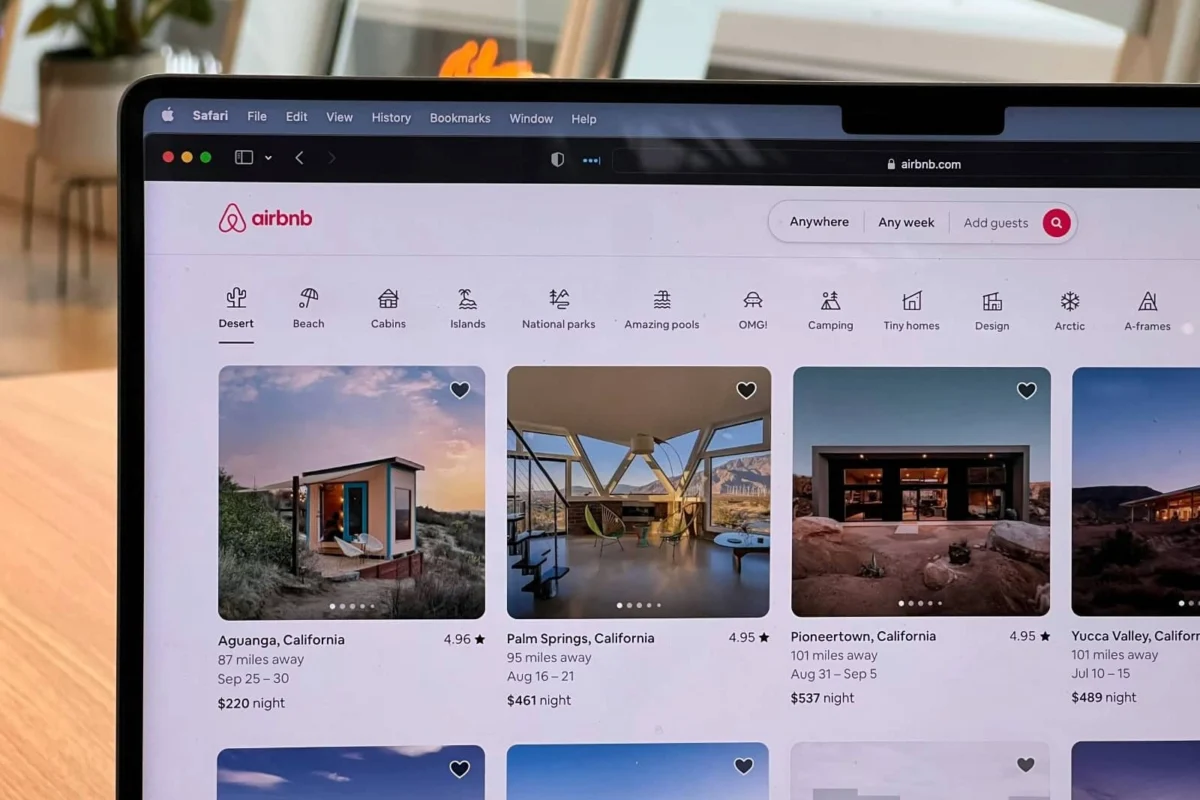
The much-anticipated Airbnb Summer 2026 release event, helmed by CEO Brian Chesky, has concluded, but the prevailing narratives—centered on expanded car rentals, boutique hotel partnerships, and integrated grocery delivery—may be overshadowing a more profound, albeit less publicized, transformation. While these guest-facing enhancements capture immediate attention, the true paradigm shift, one poised to fundamentally alter how properties secure bookings, lies within four newly unveiled artificial intelligence (AI) features. These advancements, operating largely outside the current media spotlight, represent a significant evolution in the platform’s strategy and its implications for hosts and property managers are substantial.
The core of this transformative change is Airbnb’s deployment of AI to personalize the guest experience at the individual listing level. This is not a broad, platform-wide optimization, but a granular adjustment to how each property is presented to every potential visitor. The content displayed on a property’s page, the specific photographs highlighted, the selection of reviews that are surfaced, and the very reasons presented to encourage a booking, will now be dynamically tailored. This personalization is driven by Airbnb’s sophisticated AI, which analyzes its vast understanding of individual guest preferences, travel intentions, and past behavior. Consequently, the same property, powered by the same underlying data, will present a distinct experience to each user, a move that redefines the concept of "listing optimization."
This strategic pivot necessitates a re-evaluation of how hosts and property managers approach their online presence. The assumption that generic optimization strategies will suffice is no longer valid. The effectiveness of a listing will increasingly depend on its ability to provide rich, detailed information that the AI can leverage to connect with specific guest needs. Before embarking on any modifications to listing content, it is crucial for property owners to ascertain whether their current performance issues stem from the listing’s descriptive elements or from external factors such as pricing. Tools like Mashvisor’s Data API can provide critical market intelligence, offering insights into occupancy rates and average daily rates for comparable properties. This data-driven approach allows hosts to pinpoint the root cause of booking shortfalls—be it content or cost—before investing time and resources in optimization efforts.
The Four Pillars of AI-Driven Personalization
Airbnb’s Summer 2026 release introduced four key AI features that will shape the future of short-term rental bookings. Understanding these functionalities is paramount for any host or property manager aiming to thrive in this evolving landscape.
Feature 1: Personalized Listing Highlights
This AI-driven feature dynamically emphasizes different aspects of a property listing based on a guest’s identified trip purpose and known preferences. For instance, a family traveling with children might see the listing’s extra bedroom, spacious backyard, or child-friendly amenities brought to the forefront. Conversely, a remote worker searching for a place to stay could be shown highlights related to high-speed Wi-Fi, a dedicated workspace, or a quiet environment. This is not achieved by hosts creating multiple versions of their listing; rather, Airbnb’s AI intelligently curates and prioritizes content from a single, comprehensive listing description to suit individual guest profiles.
The implication of this feature is profound: every attribute of a property has the potential to become a decisive factor for a specific guest. Incomplete amenity lists, vague descriptions, and the omission of seemingly minor details can now create significant blind spots, potentially costing bookings. Hosts are compelled to ensure their listings are as exhaustive and detailed as possible, covering a wide spectrum of potential guest needs and interests.
Feature 2: AI-Curated Review Highlights
With over a billion reviews accumulated on its platform, Airbnb is now harnessing AI to intelligently surface specific reviews and even particular phrases within those reviews that directly address a guest’s likely concerns or interests. This moves beyond generic review summaries, offering targeted social proof that is personalized to each visitor. The AI identifies and presents reviews that align with the property’s strongest attributes and the individual guest’s search parameters.
The quality, depth, and relevance of a property’s reviews have consequently transformed into active conversion assets. Properties with limited or superficial review coverage on key attributes will find themselves at a distinct disadvantage. This not only impacts their overall star rating but can render them effectively invisible on specific dimensions that a particular guest prioritizes. Hosts must therefore actively encourage detailed, attribute-specific reviews to maximize the impact of this AI curation.
Feature 3: "Ask About the Home" Powered by Your Content
Guests can now engage with properties through natural language queries, asking specific questions that Airbnb’s AI will answer by drawing information directly from the host’s reviews, photos, and map data. Questions such as "Is there a hiking trail nearby?" or "Does the backyard have adequate shade?" or "Is the kitchen well-equipped for a group of six?" can now be addressed in real-time.
Previously, such inquiries might have gone unanswered, forcing potential guests to conduct their own research across multiple platforms, often leading to frustration and abandoned bookings. Now, Airbnb acts as an intelligent concierge, extracting answers from the host’s provided content. If the relevant information—whether through a descriptive review, an informative photograph, or accurate map data—is present, the AI can provide a satisfactory response. If not, the question may go unanswered, potentially leading to a lost booking. This feature underscores the critical need for comprehensive and accurate listing content that anticipates guest queries.
Feature 4: AI-Generated Listing Comparisons
When a guest saves multiple properties to a wishlist, they will now receive an AI-generated comparison. This is not a static table of amenities, but a dynamic, personalized "case" for each property, highlighting key differentiators based on the property’s most relevant attributes, prevailing review themes, and specific differences pertinent to that particular traveler’s profile.
The competitive landscape has thus shifted from a simple comparison of price or star ratings to a contest of how effectively Airbnb’s AI can articulate the value proposition of each listing. Properties endowed with richer, more detailed data are better positioned to "win" these AI-generated arguments, persuading the guest of their suitability. This necessitates a strategic approach to data enrichment across all aspects of a listing.
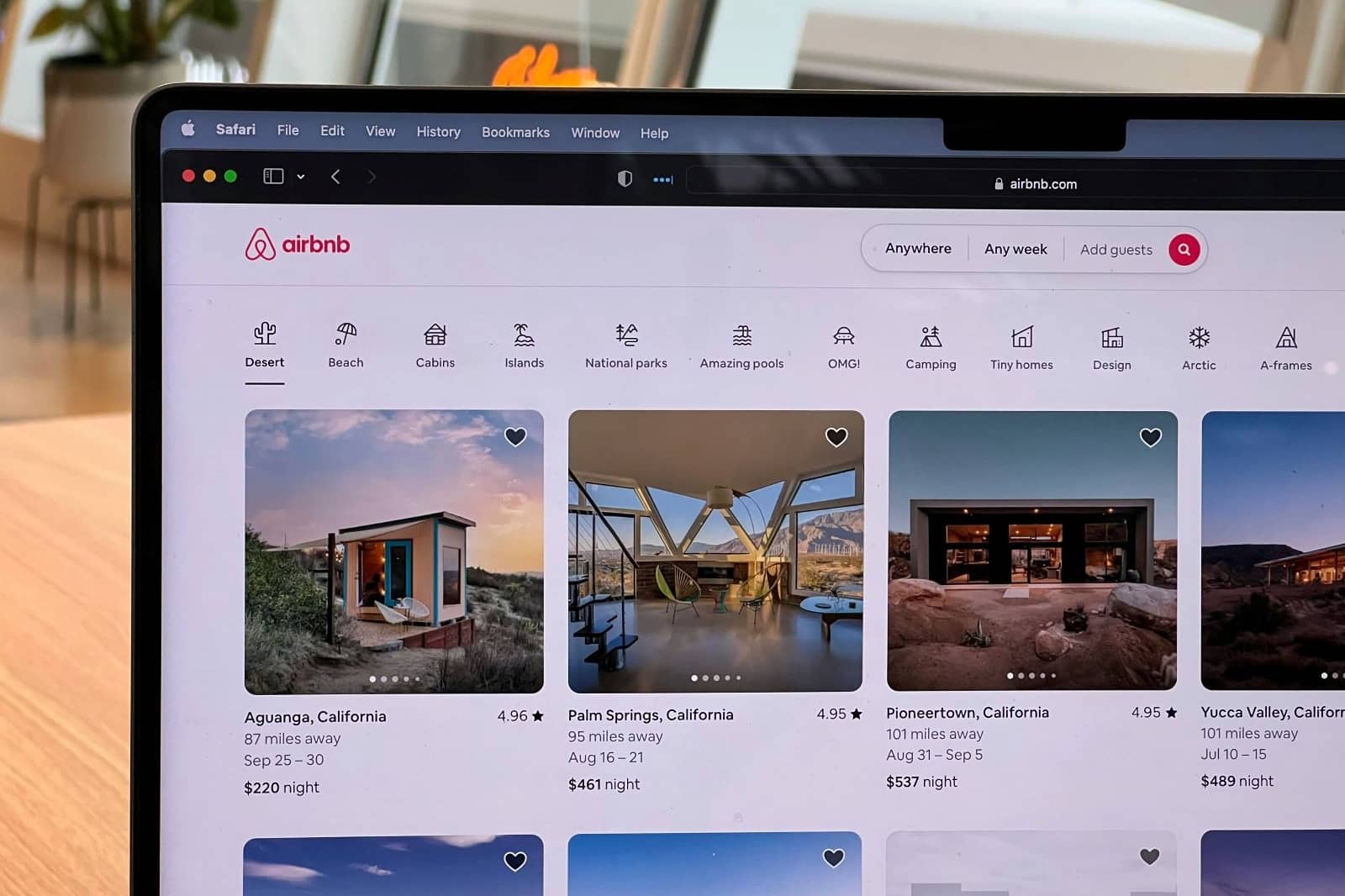
Strategic Imperatives for Hosts and Property Managers
The fundamental shift initiated by Airbnb is clear: passive listings are destined to underperform. Properties that actively provide the AI with a wealth of detailed, high-quality information will be the ones that consistently secure bookings under this new system.
For individual hosts, this means their listing description, photo captions, amenity details, and even their house manual are no longer merely informational documents for guests. They have become crucial training data for the platform’s booking engine. Vague or superficial content will yield similarly vague or unimpressive results. Conversely, specific, rich, and multi-dimensional content is more likely to be surfaced to the most relevant guests at the opportune moment.
Property managers, in particular, need to rethink their review strategy. The focus must extend beyond achieving high star ratings to actively soliciting detailed reviews that highlight specific attributes of the property. Reviews that mention the property’s high-speed internet, its location on a quiet street, or its proximity to popular attractions are now invaluable, indexable content that the AI can leverage. Post-checkout guest communication should be meticulously designed to elicit these granular details.
Furthermore, the approach to photography is being revolutionized. It is no longer sufficient to possess aesthetically pleasing images. Hosts must prioritize photos that are functionally informative, images that visually answer common guest questions. This includes showcasing the setup of a workspace, the ambiance of the backyard, or the specifics of the parking situation. Airbnb’s AI can now reference these images in real-time responses to guest inquiries, adding another layer of interactive utility.
The Broader Strategic Context
The developments unveiled at Airbnb’s Summer Release are not merely incremental product updates; they represent the logical culmination of a long-term strategy initiated by Chesky. This strategy has focused on building the most comprehensive dataset on both guests and hosts within the travel industry and then effectively activating that data. The platform has now reached a critical mass of data density—encompassing guest profiles, property characteristics, and booking patterns—allowing for a level of personalization that individual hosts or property managers could never replicate manually.
Encouragingly, the foundation of this enhanced data advantage lies within the hosts’ own contributions: their listings, their reviews, their photographs, and their property details. Hosts who have diligently invested in creating rich, detailed, and honest listings over the past few years now possess a significant competitive asset. Conversely, those who approached their listings as a perfunctory task are now more vulnerable.
This moment calls for a comprehensive audit of existing listings, shifting the focus from mere aesthetics to informational depth. Hosts should critically assess which attributes remain undescribed, which guest questions their current photographs fail to answer, and which review themes lack sufficient coverage. The booking algorithm has undergone a substantial upgrade in sophistication, and listing content must evolve in tandem to remain competitive.
Before undertaking any significant rewriting of listing content, it is imperative for hosts and property managers to establish a clear understanding of their current market position. Tools such as Mashvisor’s Property Finder and Short-Term Rental (STR) analytics provide access to actual Airbnb performance data, including occupancy rates, average daily rates, cash-on-cash returns, and neighborhood comparables. This market visibility ensures that optimization decisions are grounded in empirical data rather than conjecture.
Conclusion: The Era of Algorithmic Selling
Airbnb has fundamentally ushered in an era of fully personalized booking experiences. The platform now leverages a property’s reviews, photographs, and listing data to construct a real-time argument in favor of, or against, that property for every potential guest.
Hosts and property managers who recognize their listing content as a strategic asset will undoubtedly gain a competitive edge and secure more bookings. Those who fail to adapt will find their properties increasingly overlooked, not due to inherent inferiority, but because their data offering is less robust. The algorithm is now performing a significant portion of the sales function. The onus is on hosts to ensure they have equipped it with sufficient compelling information to make a persuasive case.
As Airbnb’s platform continues its sophisticated evolution, so too does the bar for competitive success. Mashvisor’s comprehensive tracking of occupancy rates and average daily rates across millions of U.S. short-term rentals offers hosts and property managers the essential market intelligence needed to accurately assess their listings’ standing. This data-driven insight is crucial for making informed optimization decisions. Understanding the market dynamics and one’s own performance metrics is the essential prerequisite for effective strategic adjustments.
The Airbnb platform’s increasing sophistication demands a parallel evolution in host strategies. By embracing the power of detailed content and leveraging data analytics, hosts can ensure their properties are not only visible but compelling in the eyes of the AI-powered booking engine, ultimately driving greater occupancy and revenue in this dynamic new landscape.

