
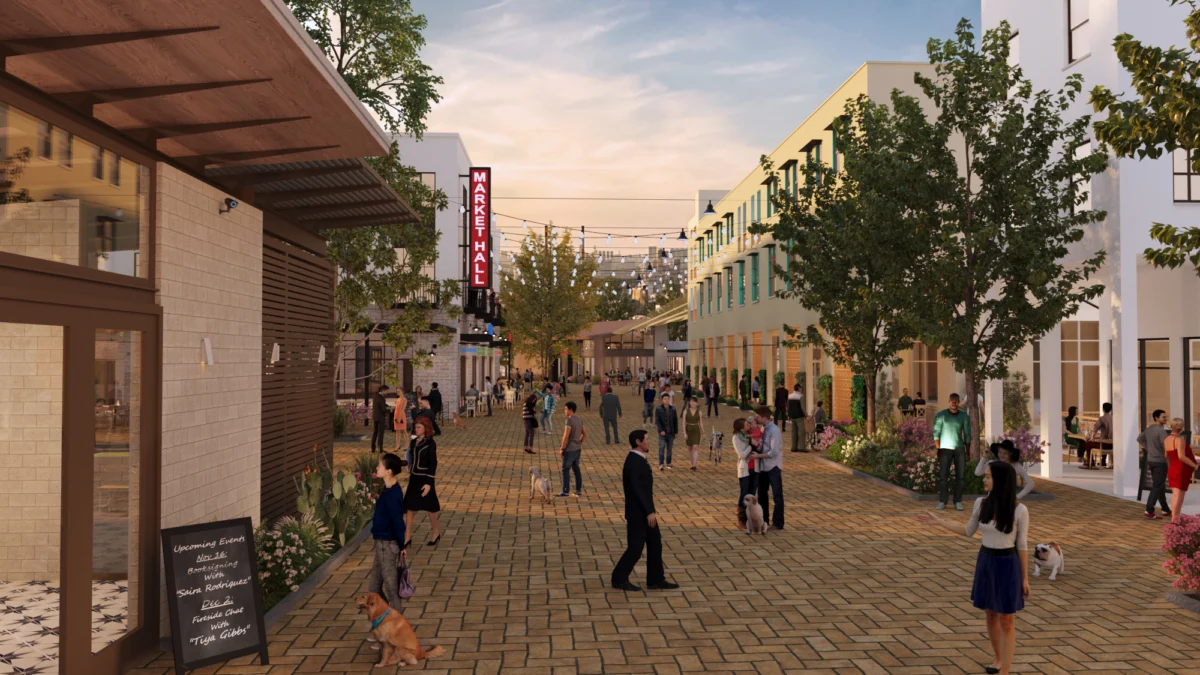
A compelling argument is emerging from financial and lifestyle experts, positing that a radical shift in urban planning—from car-centric to human-centric design—holds the key to unlocking unprecedented economic prosperity, significant health improvements, and a richer quality of life for global populations. This transformative vision suggests that prioritizing people over vehicles in the design and redevelopment of cities could generate trillions of dollars in wealth and resolve many entrenched societal issues, challenging the prevailing car-dependent urban landscape that has dominated development for decades.
The Foundational Shift: People Over Cars
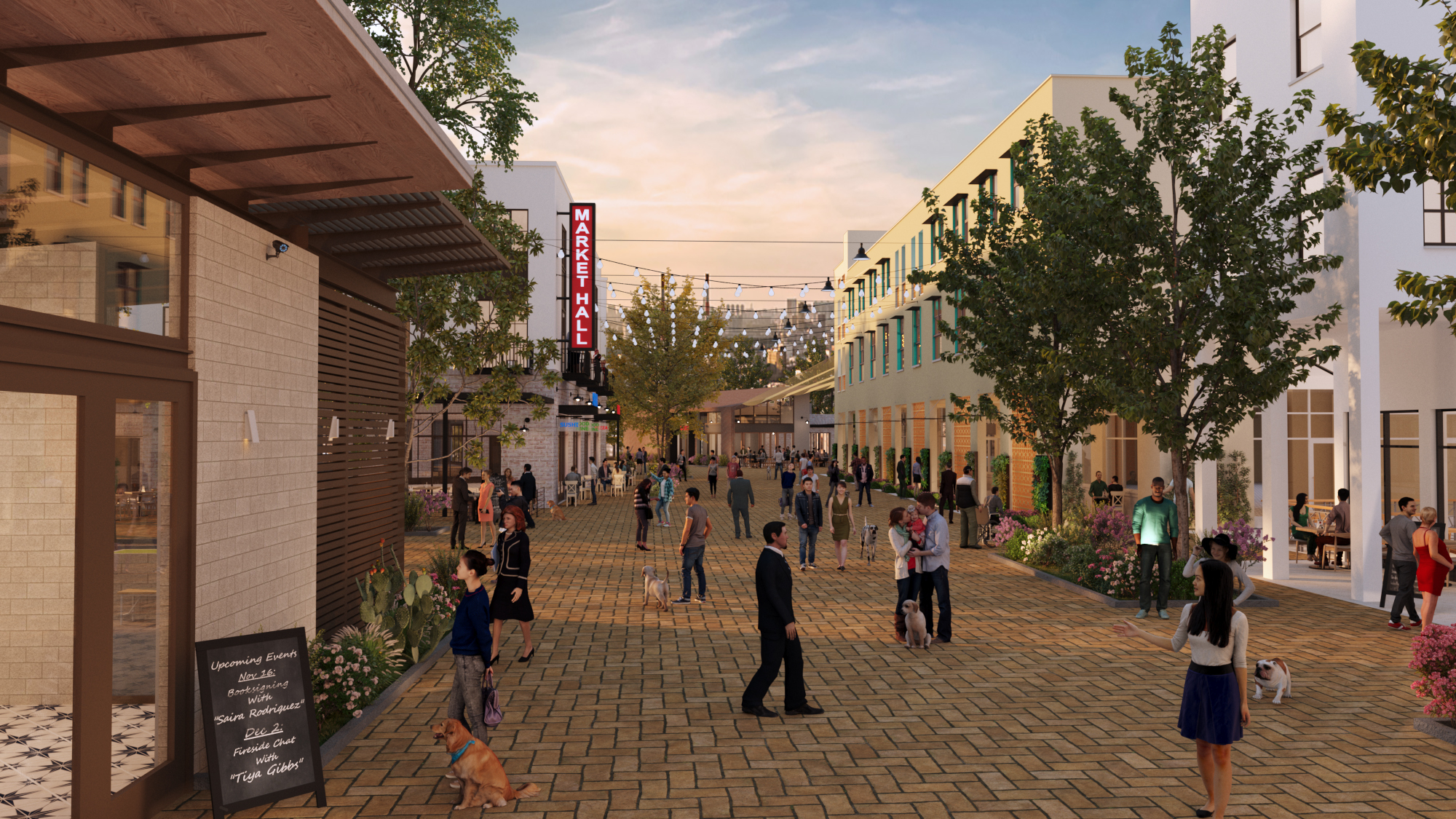
The core proposition is straightforward yet revolutionary: cities and countries should be built and retrofitted around the needs and experiences of people, rather than primarily accommodating automobiles. This means designing environments that encourage walking, cycling, and robust public transportation, integrating essential amenities within easy reach, and reclaiming vast tracts of land currently dedicated to vehicle infrastructure. Proponents argue that the benefits extend far beyond mere convenience, impacting economic stability, public health, and social cohesion on a monumental scale.
An Economic Revolution: Unlocking Trillions in Wealth
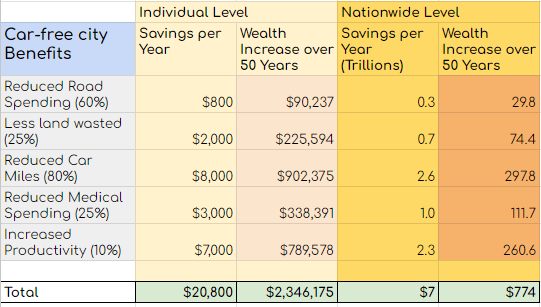
The economic implications of such a transformation are staggering. Conservative estimates suggest a potential "life boost" of over $20,000 per person annually, translating into a cumulative gain exceeding two million dollars over an adult lifetime. On a national scale, this paradigm shift could boost the wealth of a country like the United States by approximately seven trillion dollars per year. Over five decades, this compounds into an astonishing 770 trillion dollars, a figure that surpasses the current total human wealth on the entire planet.
This immense wealth generation stems from several interconnected factors. Firstly, the direct costs associated with car ownership—including purchase, insurance, fuel, maintenance, and depreciation—represent a significant financial burden on individuals and households. By reducing reliance on private vehicles, these expenditures are dramatically curtailed. Secondly, the massive public investment in car-centric infrastructure, such as sprawling road networks, multi-lane highways, and extensive parking facilities, diverts funds that could otherwise be used for more productive community development. Reallocating these resources towards human-scaled infrastructure, like pedestrian zones, bike paths, and efficient public transit, offers a higher return on investment in terms of public utility and long-term sustainability. Thirdly, healthier, more active populations require less healthcare, freeing up substantial public and private funds. Finally, denser, mixed-use developments that emerge from human-centric design often boast higher property values and create more vibrant local economies, attracting businesses and fostering job growth.
Beyond Finance: Health, Lifestyle, and Community
The benefits transcend financial metrics, profoundly enhancing individual well-being and community vitality. A human-centric city fosters physical activity, leading to reduced rates of obesity, heart disease, diabetes, and other chronic conditions associated with sedentary lifestyles. This, in turn, lessens the strain on healthcare systems and improves overall public health. Beyond physical health, the mental and social benefits are equally significant. Walkable neighborhoods encourage spontaneous interactions, fostering stronger community bonds and reducing feelings of isolation. Streets become safer, quieter, and more aesthetically pleasing, transforming mundane commutes into enjoyable experiences. The elimination of constant traffic noise and air pollution contributes to a higher quality of life, promoting relaxation and reducing stress. Residents would experience homes that are not only potentially more affordable but also integrated into more beautiful and functional living spaces, surrounded by accessible amenities and green areas.
The Staggering Cost of Car-Centric Infrastructure
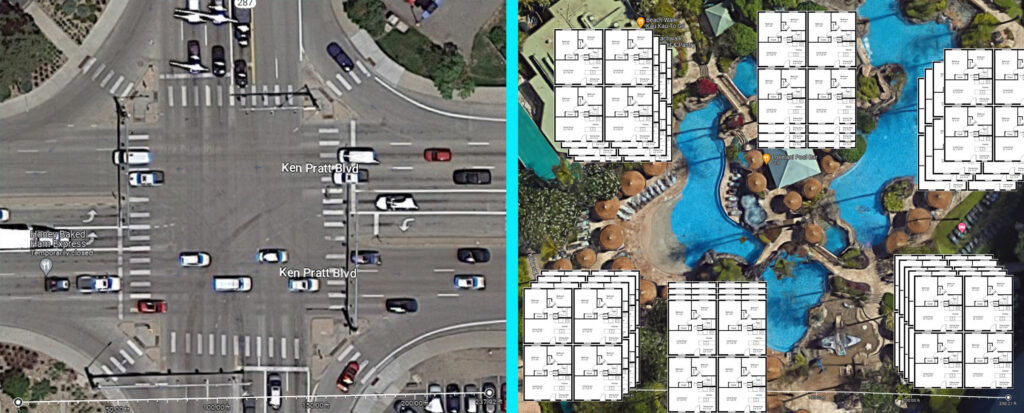
A critical aspect of this argument lies in the inefficient allocation of space within car-centric cities. The sheer volume of land dedicated to automobiles is often underestimated. Consider the space occupied by a single parking spot: it could instead house a small, well-designed apartment. Expanding this perspective, a typical urban intersection, spanning approximately 250 by 250 feet, consumes about 1.5 acres. This seemingly innocuous patch of asphalt, often perceived as a necessary evil for traffic flow, could alternatively accommodate around 200 people in a resort-like setting, complete with residential units, green spaces, a pool, a dog park, and essential retail outlets like a grocery store and restaurants.
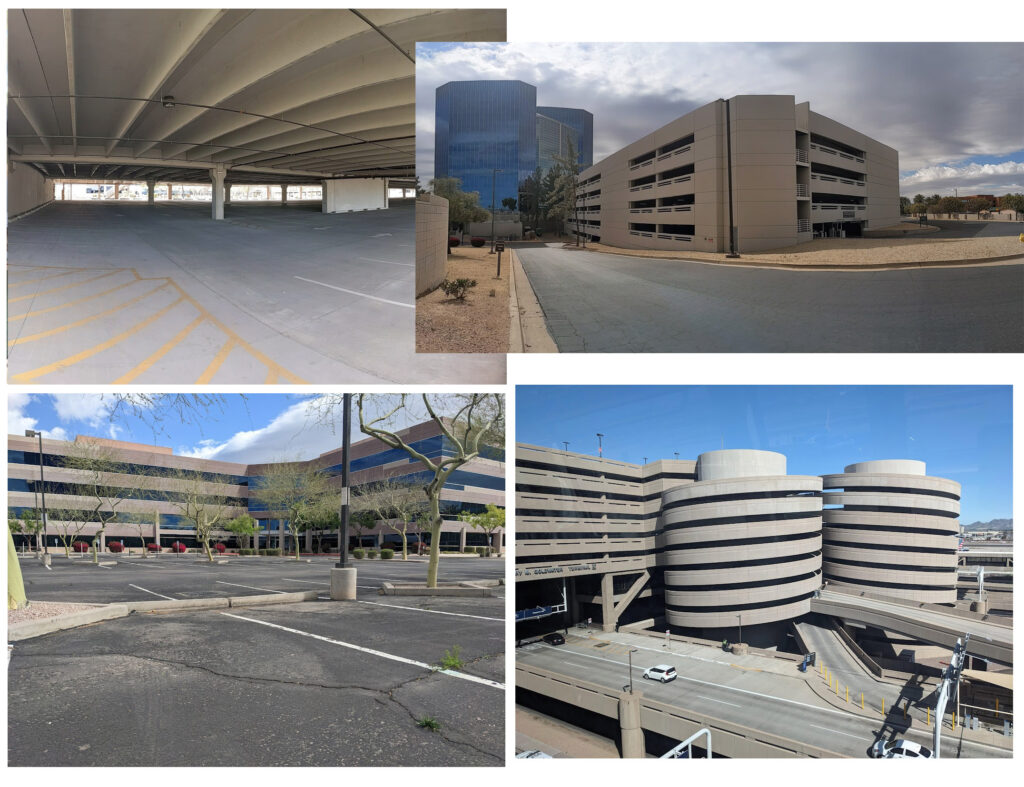
This illustrates a pervasive problem: vast swathes of urban land are consumed by parking lots, garages, and roads, effectively spreading out destinations and making non-vehicular travel impractical, undesirable, and often dangerous. The current infrastructure creates a self-fulfilling prophecy: cities are built for cars, necessitating car ownership, which then justifies more car infrastructure, perpetuating a cycle of sprawl, inefficiency, and environmental degradation. The visual evidence from cities like Phoenix, with their expansive, often underutilized parking facilities, highlights the extent of this spatial waste.
Overcoming the Status Quo: Challenges and Resistance
Implementing such a radical shift is not without its challenges. Entrenched interests, existing bureaucratic structures, and public resistance to change often hinder progressive urban planning initiatives. City councils, typically tasked with maintaining the status quo, are frequently influenced by established businesses, organizations, and residents who lack the vision to foresee the benefits of a transformed urban environment. The common refrain, "But how will we keep driving our cars just as much as we do now?" encapsulates the fundamental misunderstanding. The very premise of human-centric design is to reduce the need for cars by creating environments where daily needs are met within walking or cycling distance, or through efficient public transit. The objective is not to ban cars entirely but to make them less essential for daily living.
Culdesac Tempe: A Blueprint for the Future
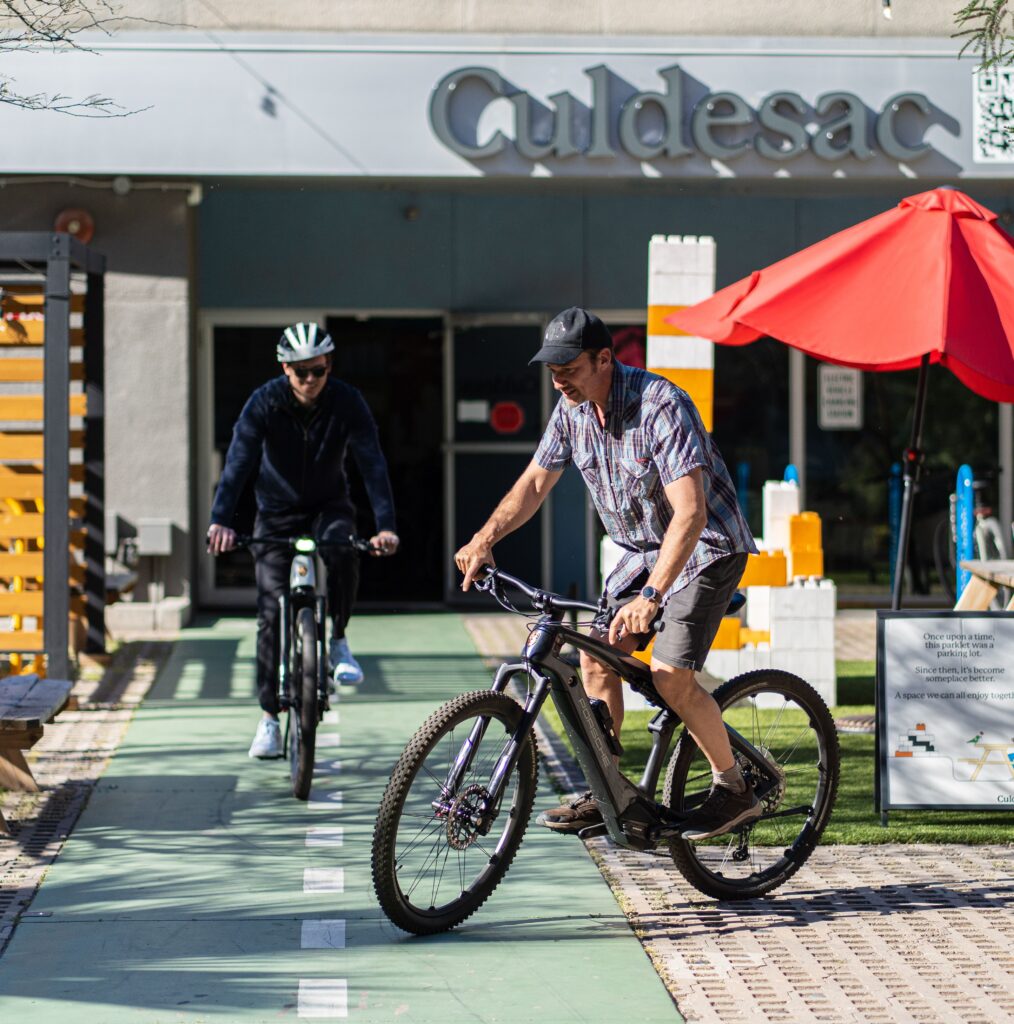
Despite these formidable obstacles, pioneers are demonstrating that human-centric urbanism is not just an idealistic concept but a tangible, profitable reality. One such groundbreaking project is Culdesac Tempe, located in Arizona. This 1000-person, car-free neighborhood serves as a living laboratory for the future of urban development.
Chronology and Development: Culdesac Tempe represents a significant departure from conventional American development. Conceived and brought to fruition by visionary founders like Jeff Berens and Ryan Johnson, the project navigated complex zoning and regulatory hurdles to create the country’s first ground-up car-free community. Its development, starting from an initial design phase, has progressed to the point where residents can now move in, experiencing the intended lifestyle firsthand. The project’s office itself exemplifies the philosophy, having replaced its own parking lot with a mini-park, showcasing the potential for reclaiming urban space.
Innovative Design and Integrated Amenities: Spanning 17 acres, Culdesac Tempe is designed to maximize human interaction and minimize vehicular intrusion. The space traditionally allocated to parking lots has been ingeniously repurposed for inviting walking paths, communal gathering areas, and vibrant green spaces. The neighborhood integrates a comprehensive array of amenities directly into its fabric, eliminating the need for residents to drive for daily essentials. These include:
- A dedicated grocery store
- Multiple restaurants and cafes
- Co-working spaces
- A fitness center and climbing gym
- A swimming pool and spa
- A dog park
- Event spaces for community gatherings
- Extensive open green spaces and courtyards
The architectural style, influenced by Mediterranean aesthetics, prioritizes comfort in Tempe’s hot desert climate, incorporating features like ample shade, natural breezes, and heat-reflecting materials. This design ethos fosters a comfortable, joyful environment year-round, even maximizing the benefits of the region’s mild winters.
Resident Experience and Lifestyle: The living experience at Culdesac Tempe is designed for convenience, community, and active living. Residents are empowered with diverse transportation options:
- Walking and Cycling: The neighborhood’s layout makes walking and cycling the primary modes of transport for internal travel and nearby destinations. Electric bikes are readily available, with a fleet of over 60 e-bikes at the HQ, significantly extending the practical cycling range (up to 15 miles).
- Public Transit: Strategically located within Tempe, the community is within walking distance of Arizona State University and directly on a light rail stop. An annual pass to the public transit system is included with rent, providing seamless access to the wider Phoenix metropolitan area, including the airport.
- Shared Mobility: For trips beyond walking, cycling, or transit range (e.g., to the mountains), residents have access to a fleet of rideshare electric cars. While personal vehicles are not prohibited from entering the city, their use is expected to be significantly reduced.
This integrated approach enables residents to lead fulfilling lives with minimal or no reliance on private cars, fostering a lifestyle that is both economically efficient and environmentally sustainable.

Broader Implications and Scalability: Culdesac Tempe is envisioned not merely as an isolated project but as a scalable model for future urban development. The company’s ambitious master plan includes:
- Developing additional "car-free by design" neighborhoods across the United States.
- Pioneering new zoning codes that facilitate human-centric development, overcoming traditional car-mandating regulations.
- Leveraging public-private partnerships to acquire and transform underutilized urban land, such as vast parking lots of defunct shopping centers, into vibrant, mixed-use communities.
- Advocating for policy changes that incentivize sustainable urban growth and reduce car dependency.
Supporting the Movement: Calls to Action and Advocacy
The success of this urban transformation hinges on widespread recognition and support. Individuals can contribute by:

- Educating Themselves and Others: Understanding the profound benefits of human-centric design is the first step.
- Advocating Locally: Engaging with local city councils and planning departments to push for policies that prioritize pedestrians, cyclists, and public transit.
- Supporting Innovative Projects: Seeking out and championing developments like Culdesac Tempe that exemplify this new vision.
- Considering Lifestyle Changes: Embracing walking, cycling, and public transit where feasible in existing environments to demonstrate demand for alternatives.
The Transformative Impact: A Paradigm Shift
The shift to people-first cities represents a foundational change comparable to discovering a cure for a widespread chronic illness. Just as a physician would advise a patient with multiple ailments caused by poor lifestyle choices to adopt healthy habits, urban planners and policymakers are now presented with an obvious path to address a multitude of societal problems through intelligent city design. The synergies are immense: economic vitality, environmental sustainability, improved public health, and enhanced social capital. Every step taken towards better city design and every car trip eliminated contributes exponentially to personal and national wealth, fostering prosperity for generations to come. The stakes are profoundly high, offering a future where cities are not just efficient but truly thriving, joyful places to live.
This visionary approach is gaining traction among experts, with figures like bank founder and multi-entrepreneur Kevin Dahlstrom advocating for car-free cities from the ground up, garnering significant positive feedback for their insights into this critical urban evolution. The momentum for a more human-centered world is building, promising a brighter, more prosperous future for all.

