
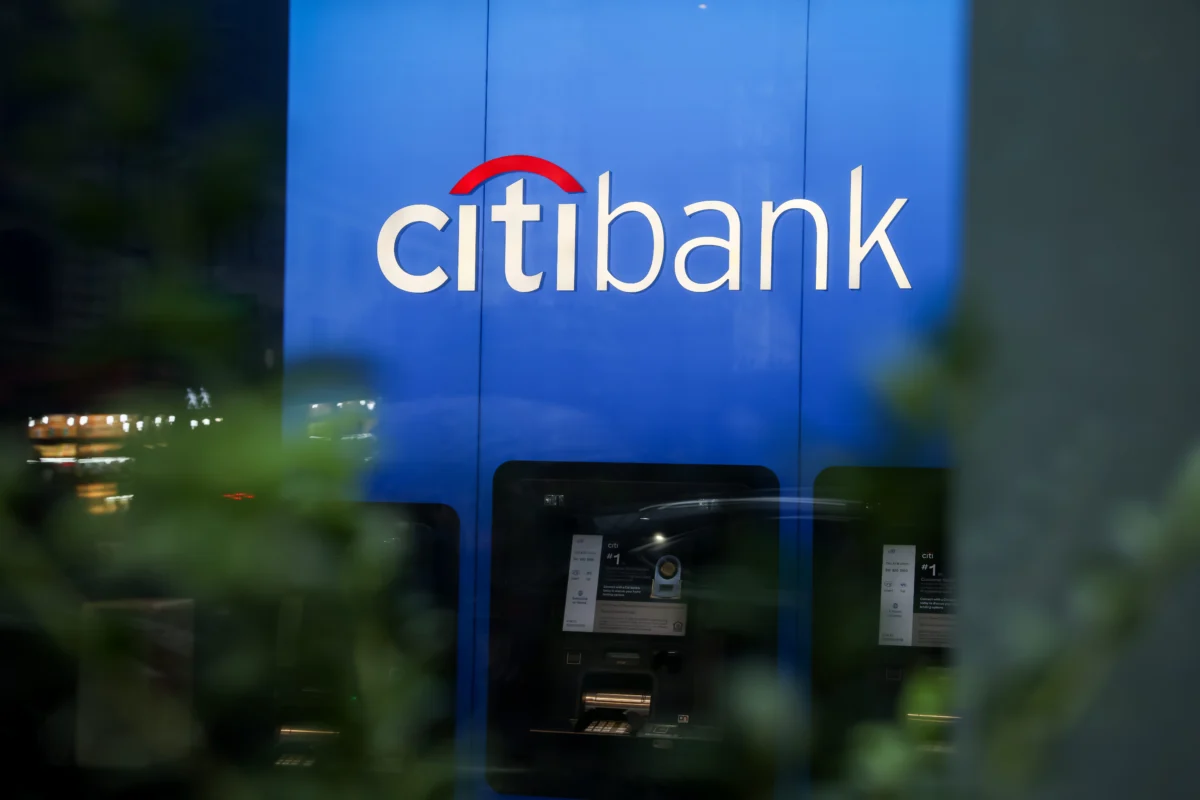
U.S. officials, led by Deputy Treasury Secretary Francis Brooke, have intensified pressure on Beijing for enhanced market access for American financial giants Mastercard Inc. and Citigroup Inc. during at least two significant bilateral meetings held this week in Bangkok. These high-level discussions, occurring on the sidelines of the Group of 20 finance meetings and the IMF-World Bank annual gathering, underscore Washington’s persistent efforts to ensure that previously agreed-upon commitments for financial sector liberalization translate into tangible operating licenses for U.S. firms in China’s vast and lucrative market. The negotiations reflect a delicate balance of diplomatic engagement and economic strategic objectives, aiming to secure a level playing field for American companies in a market long dominated by state-backed domestic players.
High-Level Diplomatic Engagement in Bangkok
The series of confidential meetings in Bangkok brought together the U.S. Treasury delegation with key Chinese counterparts, including officials from the People’s Bank of China (PBOC) and the Ministry of Finance. These closed-door discussions, confirmed by a U.S. Treasury official speaking anonymously due to the sensitive nature of the talks, specifically addressed the regulatory hurdles and market entry processes for U.S. financial institutions. While the precise details of the deliberations remain undisclosed, the focus was unequivocally on accelerating the approval processes for companies like Mastercard, Visa, and Citigroup, signaling a concerted push from the American side.
The timing of these meetings is particularly salient, following closely on the heels of a critical state visit last month by Chinese President Xi Jinping to Washington, where he met with U.S. President Donald Trump. During that summit, both leaders reportedly reached an agreement that included provisions for regulatory approval concerning market access for U.S. companies. The Bangkok discussions, therefore, served as a crucial follow-up, designed to iron out the specifics and ensure the implementation of these high-level pledges. Such continuity in dialogue suggests a strategic approach by the U.S. administration to leverage top-tier diplomatic agreements into concrete business outcomes for its corporations.
The Strategic Importance of China’s Financial Market
China represents an unparalleled opportunity for global financial services firms. With a rapidly expanding middle class, increasing wealth, and a burgeoning digital economy, its financial market is one of the largest and fastest-growing worldwide. The onshore payment market alone is estimated to be worth over $50 trillion annually, offering immense potential for card-clearing businesses. Similarly, the A-share market, encompassing shares traded on China’s mainland exchanges, boasts a market capitalization exceeding $10 trillion, making it a critical frontier for investment banking, brokerage, and asset management services. For global players like Mastercard and Citigroup, securing deeper access is not merely about incremental growth but about establishing a foundational presence in a market that will undoubtedly shape the future of global finance.
However, despite its allure, China’s financial sector has historically been notoriously difficult for foreign firms to penetrate fully. While Beijing has progressively opened its financial sector since 2018, gradually lifting foreign ownership caps in areas such as securities, futures, and fund management, significant barriers persist. Cross-border capital flows remain tightly controlled, and state-backed domestic entities continue to hold dominant positions, particularly in critical areas like payments and banking services. This backdrop makes every step towards greater market access a significant development, often achieved through prolonged negotiations and diplomatic pressure.
Mastercard’s Path to Independent Operations
Mastercard’s ambitions in China revolve around transitioning from its current joint venture model to operating as a wholly owned, independent entity for yuan card payments. Currently, Mastercard processes yuan card payments in China through a local joint venture with NetsUnion Clearing Corp., a partnership that commenced operations in 2024. While this collaboration has allowed Mastercard a foothold in the market, an independent operating license would grant it full control over its business strategies, technological infrastructure, and customer relationships within China. This independence is crucial for maximizing profitability, innovating locally, and competing directly with domestic giants like China UnionPay.
The pursuit of an independent license by Mastercard is not merely a corporate goal but a strategic imperative. In a market where digital payments are increasingly prevalent and competition is fierce, the agility and autonomy provided by a wholly owned operation are indispensable. Such a license would allow Mastercard to fully integrate its global network and technological expertise with local market demands, potentially introducing new products and services tailored specifically for Chinese consumers and businesses. The U.S. officials’ advocacy for Mastercard underscores the significant economic value placed on this market by American industry and the government’s commitment to supporting its firms’ global expansion.
Citigroup’s Ambitious Securities Play
For Citigroup, the focus of the market access discussions centers on obtaining a wholly owned securities license in China. This license would enable the bank to engage in a comprehensive suite of onshore market activities, including A-share brokerage, underwriting, research, and principal trading businesses. Citigroup has been proactively laying the groundwork for this expansion, having already hired several dozen employees for its China unit and with plans to increase its China securities staff to approximately 100 professionals. The bank first submitted its application in late 2021, and industry observers, including a Reuters report last month, had anticipated approval could be imminent.
Securing such a license is a game-changer for Citigroup. It would allow the bank to tap directly into China’s burgeoning capital markets, serving both international clients seeking exposure to Chinese assets and domestic Chinese companies looking to raise capital. The ability to conduct A-share brokerage and underwriting services would position Citigroup as a major player in China’s equity market, a sector that has seen significant growth and increasing sophistication. Furthermore, principal trading would allow the bank to engage directly in market-making and proprietary trading activities, generating substantial revenue streams. The expansion reflects Citigroup’s long-term strategic commitment to China, viewing it not just as a market for traditional banking services but as a crucial hub for its global investment banking and capital markets operations.
A Precedent Set by Visa
The renewed pressure for Mastercard and Citigroup’s market access comes on the heels of a significant breakthrough for another American payments giant, Visa Inc. On October 13, China granted Visa Inc. approval to begin preparations for a wholly owned domestic card-clearing business. This landmark decision allows Visa up to a year to finalize its preparations before formally applying for an operating license, as confirmed by the PBOC. Visa’s approval is a critical precedent, demonstrating China’s willingness to grant independent operational status to foreign payment networks, even if the process remains lengthy and complex.
Visa’s success provides a blueprint and a positive signal for Mastercard. It validates the U.S. government’s persistent advocacy and suggests that China is indeed moving, albeit gradually, towards fulfilling its commitments to open up its financial sector. For Mastercard, Visa’s approval could expedite its own process, as the regulatory framework and operational guidelines established for Visa might serve as a template. However, each application is subject to individual review, and the competitive landscape remains a significant factor. Nevertheless, Visa’s progress injects a renewed sense of optimism into the prospects for other foreign financial firms seeking deeper market penetration.
Navigating Regulatory Complexities and Competition
Despite the positive developments, foreign financial firms operating in China continue to face a myriad of challenges. The regulatory environment is often opaque, complex, and subject to sudden changes. Obtaining licenses requires navigating multiple government agencies, each with its own set of requirements and approval processes. Moreover, foreign firms must contend with entrenched competition from powerful state-backed domestic players, which often benefit from preferential treatment, extensive networks, and deep local market understanding.
For payment companies like Mastercard, the challenge lies in building a robust domestic network and convincing local banks and merchants to adopt their services, often against the backdrop of well-established domestic alternatives. For banks like Citigroup, while the opportunities in securities are immense, they must compete with large Chinese investment banks that have long-standing relationships with state-owned enterprises and a dominant share of the domestic brokerage market. Furthermore, data localization requirements, cybersecurity regulations, and geopolitical tensions can add layers of complexity and risk to operations in China. Success for foreign firms will hinge on their ability to adapt to local market conditions, build strong local teams, and maintain a consistent dialogue with regulatory authorities.
Geopolitical Undercurrents and Investor Confidence
The discussions in Bangkok and the broader progress on market access are inextricably linked to the intricate tapestry of U.S.-China relations. The engagement at the presidential level between Donald Trump and Xi Jinping, with a third meeting anticipated at the Asia-Pacific Economic Cooperation (APEC) summit in Shenzhen, China, in November, indicates a sustained effort to manage the complex relationship. The granting of financial licenses, while seemingly purely economic, carries significant geopolitical weight.
Dan Wang, China director at Eurasia Group, noted that "The move suggests the US-China trade environment remains benign, and Beijing is keen to keep up the momentum." She characterized the licensing of U.S. financial firms as a "limited concession" on market access but emphasized that it signals China’s continuing commitment to opening up. This ongoing liberalization, even if gradual, is expected to "marginally bolster investor confidence in Chinese assets." This sentiment is crucial, as global investors continuously weigh the risks and rewards of investing in China, often influenced by the perceived stability of bilateral trade relations and the predictability of market access policies.
For the U.S., securing these market access agreements is a critical component of its broader economic strategy, demonstrating its ability to advocate for its companies and ensure reciprocal trade terms. For China, these concessions can be seen as a way to attract foreign capital and expertise, enhance the competitiveness of its domestic financial sector, and signal its commitment to reform and opening, thereby countering narratives of economic insularity. The delicate dance between cooperation and competition continues to define the U.S.-China economic relationship, with financial market access serving as a key barometer of progress.
Looking Ahead: Future Engagements and Long-Term Prospects
The upcoming APEC summit in Shenzhen in November is expected to provide another platform for Presidents Trump and Xi to review progress on economic agreements and potentially set the stage for further advancements in financial market access. Such high-level interactions are essential for maintaining momentum and resolving lingering issues that often arise in complex cross-border negotiations. The continuity of dialogue, from Washington to Bangkok and potentially to Shenzhen, underscores the strategic importance both nations place on managing their economic ties.
The long-term prospects for U.S. financial firms in China remain cautiously optimistic. While the path to full market integration is likely to be protracted and fraught with challenges, the recent approvals and intensified diplomatic efforts suggest a trajectory towards greater openness. Success for Mastercard, Citigroup, and other foreign firms will not only depend on securing licenses but also on their ability to innovate, localize their offerings, and adapt to China’s unique market dynamics and regulatory landscape. As China continues its journey of financial reform, the role of international players will be crucial in shaping its future, fostering greater competition, and integrating its economy more deeply into the global financial system. The current developments represent significant milestones in this ongoing evolution, promising both opportunities and continued complexities for all involved.

