
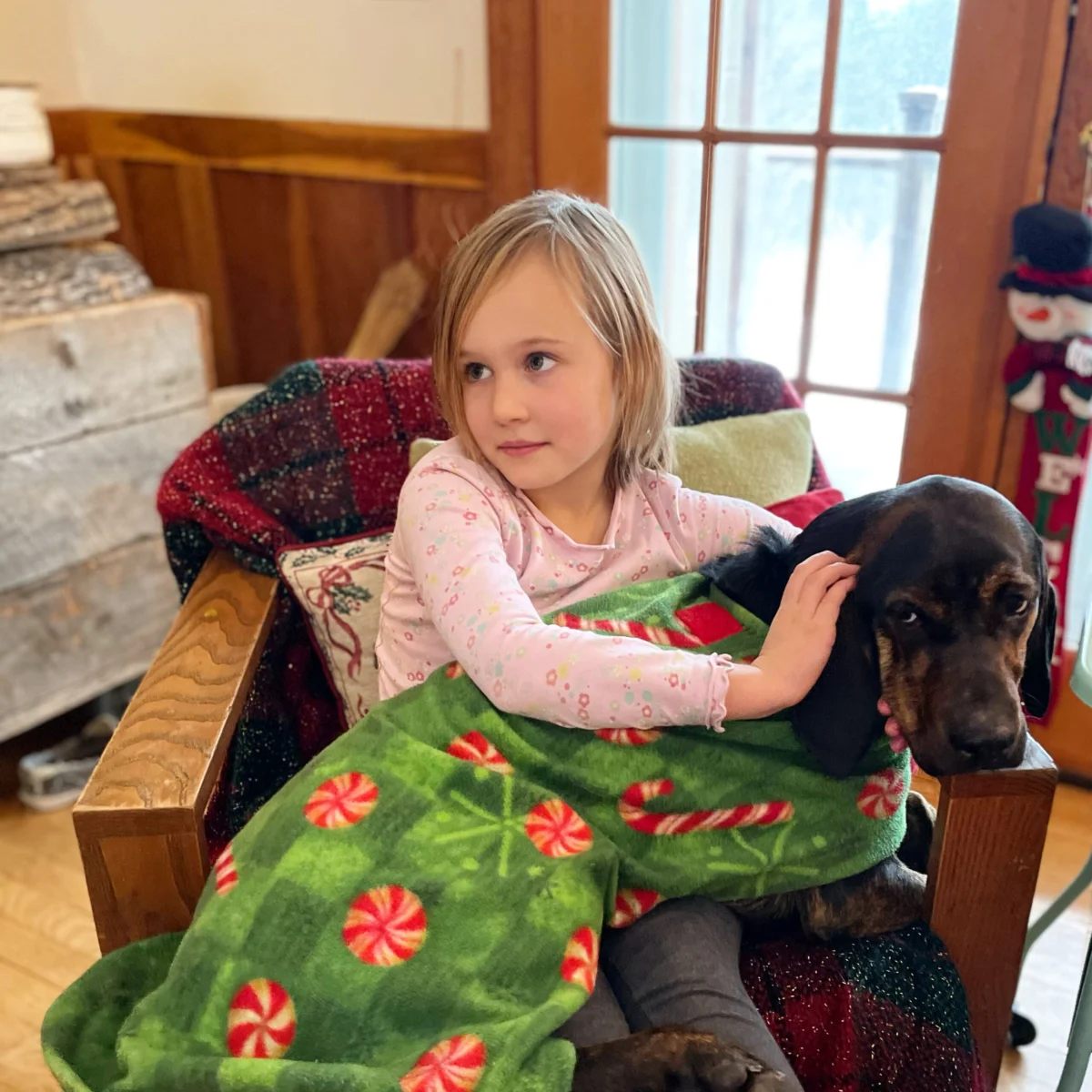
The integration of rescue animals into domestic environments often presents unforeseen challenges that test the financial and emotional resilience of adoptive families. A recent case involving a Vermont-based family and a scenthound named Genevieve, colloquially known as Gigi, provides a detailed look at the complexities of canine separation anxiety and the substantial costs associated with behavioral rehabilitation. Despite a four-month period of intensive intervention involving professional training, pharmacological support, and specialized equipment, the case ultimately resulted in the rehoming of the animal—a decision that highlights the limitations of domestic care for certain working-breed temperaments.
Background and Initial Acquisition
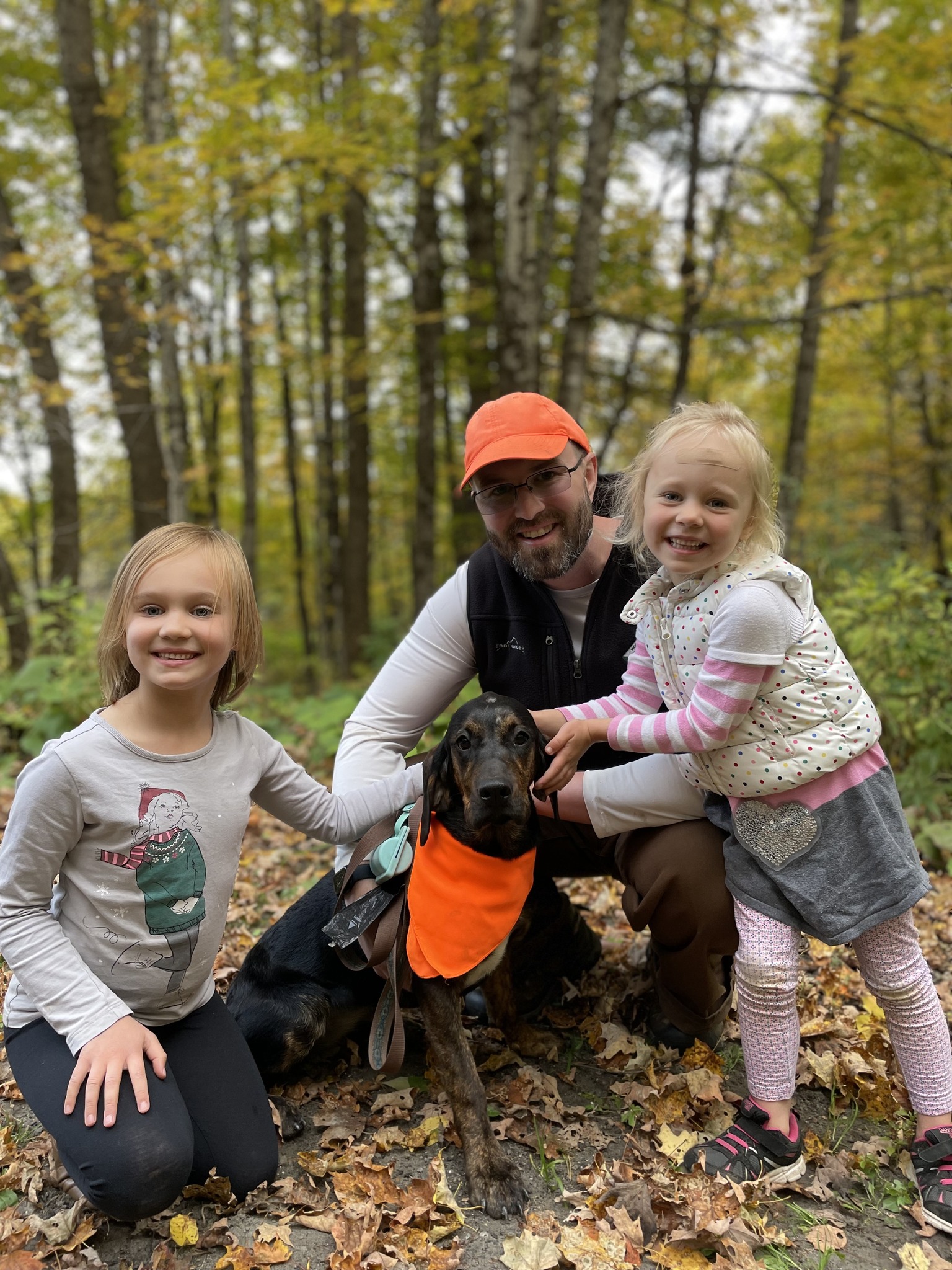
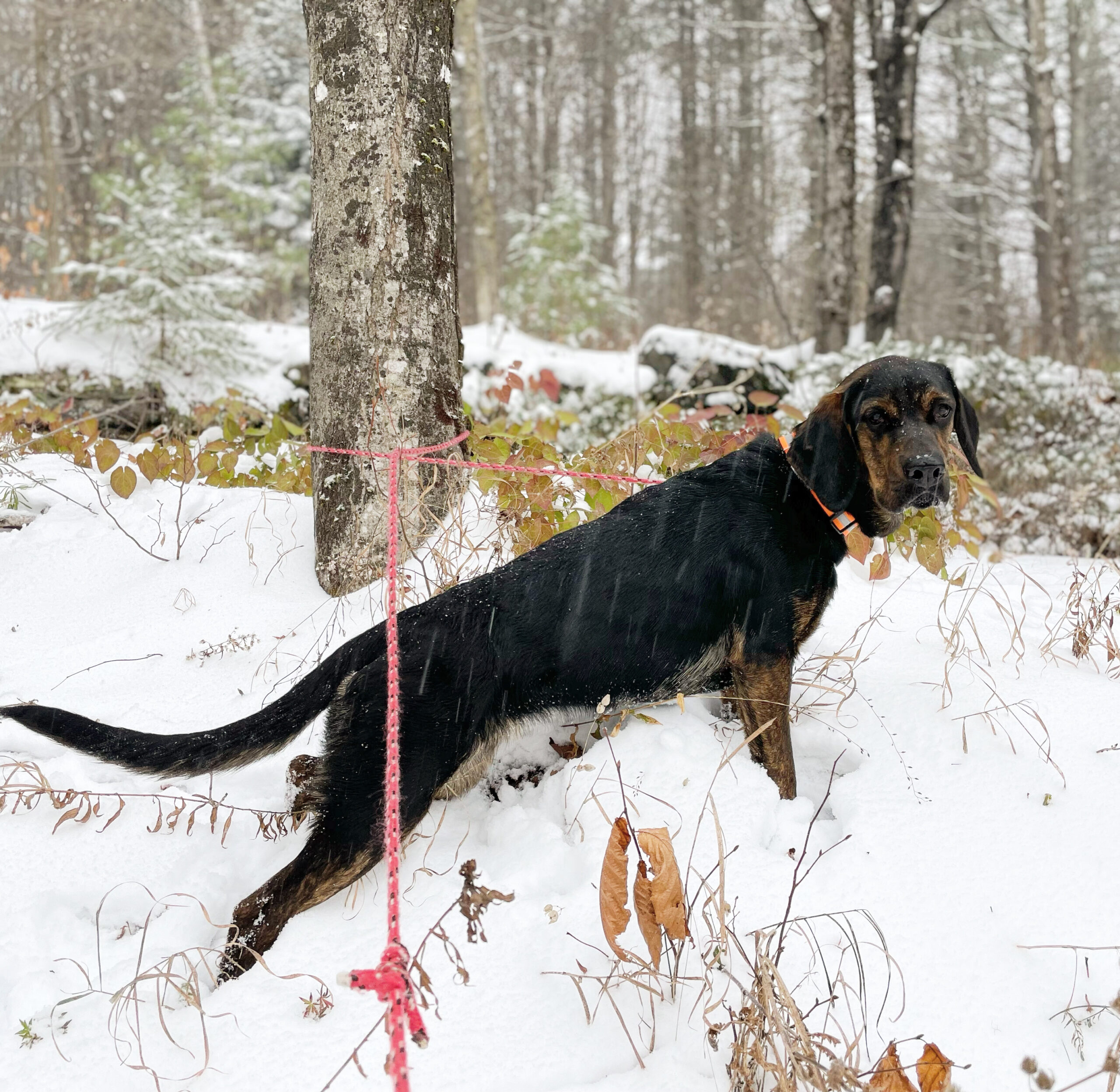
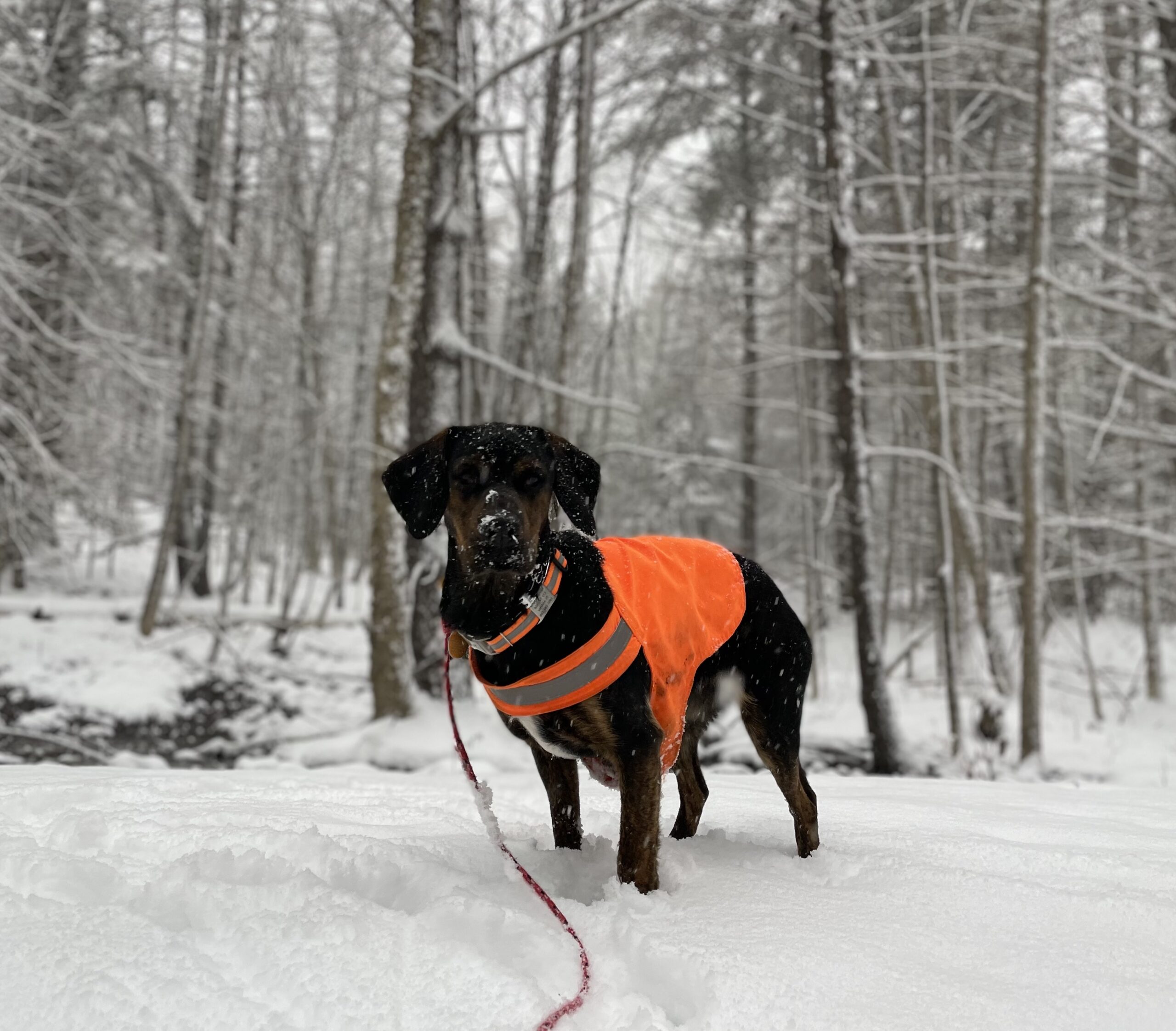
The subject of this case, Genevieve, was discovered in late September 2022. Found in a state of emaciation and covered in superficial abrasions, the dog was located in a rural Vermont yard. Initial efforts to identify an owner through local advertisements, social media outreach, and veterinary scans for a microchip proved unsuccessful. Based on the animal’s physical condition and breed characteristics, experts and observers hypothesized that Genevieve was a bear-hunting dog that had become separated from her pack—a common occurrence in the region’s hunting seasons.

On October 3, 2022, the family officially transitioned from temporary fosters to adoptive owners, seeking to provide a permanent home for the animal. Initial observations suggested a well-adjusted temperament; the dog was noted for her calm demeanor around children, her aptitude for hiking, and her lack of nuisance barking. However, as the family attempted to resume a standard routine, a severe and intractable form of separation anxiety became apparent.
Clinical Presentation of Separation Anxiety
Separation anxiety in canines is a recognized behavioral disorder characterized by signs of distress when the animal is separated from its primary attachment figures. In the case of Genevieve, the symptoms were categorized as severe. Unlike mild cases where a dog might engage in minor vocalization or pacing, Genevieve’s response to being left alone involved immediate and escalating panic attacks.
The family reported that even brief absences—defined as five minutes or less—triggered a physiological and behavioral crisis. These episodes frequently resulted in the dog soiling her crate with both urine and feces and engaging in repetitive, compulsive pacing. This behavior occurred regardless of the prior exercise levels or the comfort of the environment, suggesting a deep-seated psychological trigger rather than a lack of physical stimulation.
Chronology of Intervention and Behavioral Modification
Over a period of 120 days, the owners implemented a multi-tiered strategy to mitigate Genevieve’s anxiety. The timeline of these interventions reflects a standard "escalation of care" model used in veterinary behavioral medicine.
Phase I: Behavioral Conditioning
Working with a professional dog trainer, the family attempted a systematic desensitization protocol. This involved leaving the house for very short durations—starting at 30 seconds—and returning to reward the dog for calm behavior. The goal was to gradually increase the duration of absence. However, the dog remained unable to surpass the five-minute threshold before reaching a state of panic.
Phase II: Technological and Environmental Monitoring
To better understand the triggers and timing of the panic attacks, the family installed a surveillance system. This included a standard indoor camera and, subsequently, a specialized remote-treat-dispenser camera. The latter allowed the owners to observe the dog in real-time and dispense high-value rewards remotely to reinforce calm behavior. These efforts provided data on the severity of the attacks but did not result in a reduction of the anxiety symptoms.
Phase III: Pharmacological Intervention
Under veterinary supervision, a series of medications were prescribed to chemically stabilize the dog’s emotional state. The pharmacological approach included:
- Anti-anxiety medication: Designed to raise the dog’s overall threshold for stress.
- Mild sedatives: Intended to induce a state of relaxation during planned absences.
- Tranquilizers: Employed as a last-resort measure to prevent the physiological "fight or flight" response.
Despite the administration of these various classes of drugs, the dog’s panic response to isolation remained unchanged. The failure of these medications suggested that the root of the anxiety was potentially tied to the animal’s fundamental social structure—specifically, her history as a pack-oriented hunting dog.
Financial Analysis of Rescue Integration
The economic impact of this four-month period was significant, totaling $2,373.25. This figure stands in stark contrast to the average annual cost of dog ownership, which the ASPCA estimates ranges between $700 and $1,500 depending on the size and breed of the dog.

The breakdown of expenses in the Genevieve case serves as a data point for the "hidden costs" of rescue animals:
- Medical and Veterinary Care: $911.98 (inclusive of vaccinations, de-worming, and multiple follow-up visits for anxiety).
- Behavioral Support and Technology: $278.77 (inclusive of professional training sessions and surveillance hardware).
- Supplies and Maintenance: $582.50 (inclusive of high-quality food, crates, toys, and winter-specific gear).
- Rehoming and Philanthropy: $600.00 (a voluntary payment to the rescue organization to cover the costs of spaying and future fostering).
This expenditure reflects a proactive attempt to resolve a behavioral crisis, yet it also underscores the financial risk inherent in adopting animals with unknown histories. For many households, a $2,300 expenditure over four months for a single pet would represent a significant budgetary strain.
The Rehoming Decision and Post-Integration Outcome
By early 2023, the family reached the conclusion that the living situation was untenable. The necessity of having one adult remain at the home at all times to prevent the dog from entering a state of panic had begun to negatively impact the family’s social and educational commitments. Reports indicate that the family ceased attending community events, church services, and recreational activities as a unit.
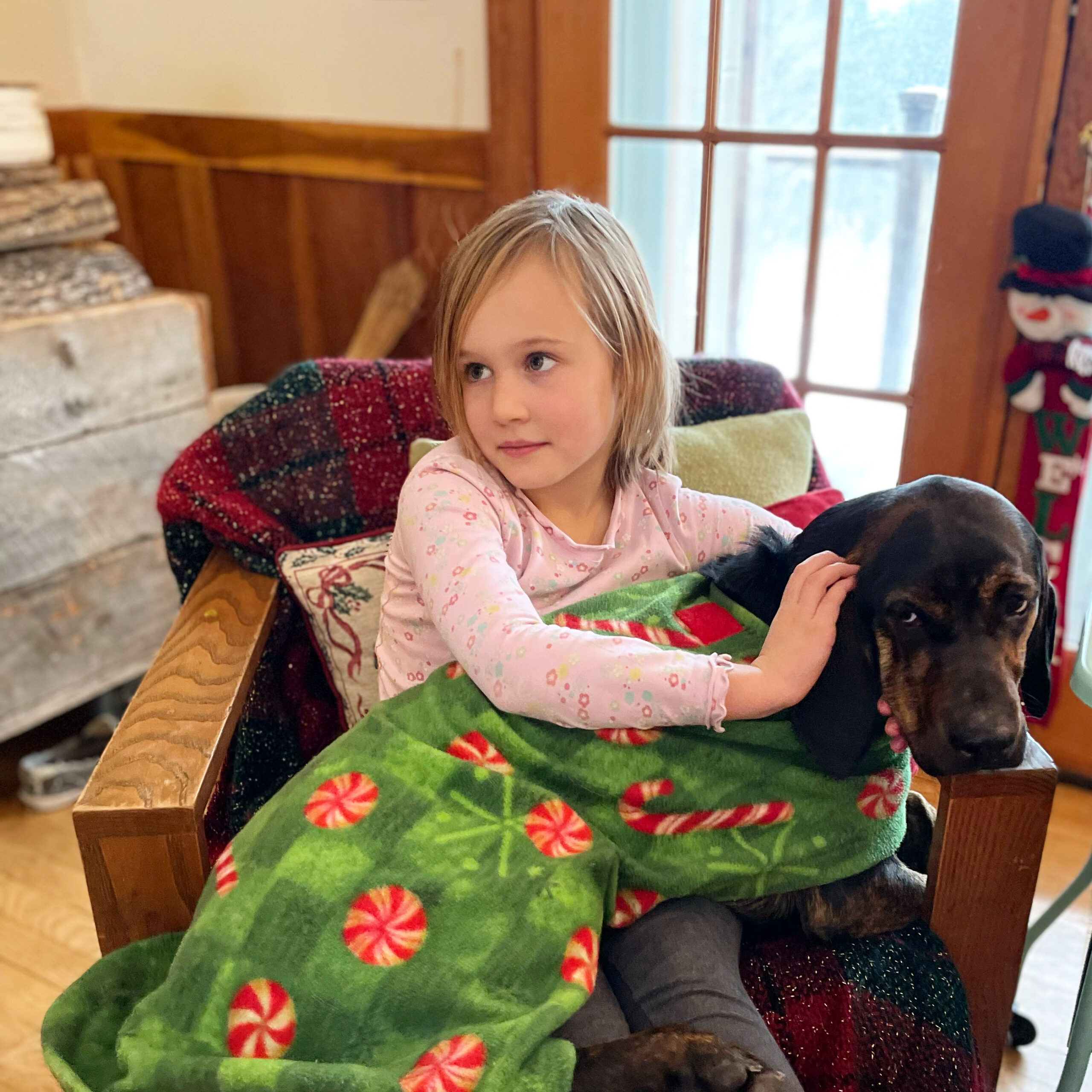
In February, the dog was surrendered to a foster-based rescue organization specializing in hounds. The organization’s subsequent assessment provided a critical insight: Genevieve’s anxiety was not triggered by the absence of humans specifically, but by the absence of a "pack." When placed in an environment with other dogs, her separation anxiety vanished. She could be left alone by humans as long as canine companions were present.
This finding supports the theory that Genevieve was a working dog bred and raised in a pack environment. For such animals, isolation is not merely a preference but a perceived threat to survival. Genevieve has since been successfully adopted into a multi-dog household, where she is reportedly thriving without the need for pharmacological intervention.
Broader Implications and Analysis
The case of Genevieve the Hound offers several takeaways for prospective pet owners and animal welfare advocates. First, it highlights the importance of breed-specific behavioral traits. Scenthounds, particularly those used for large-game hunting, are often bred for high social drive and may not be suited for "only-dog" suburban or rural households where owners are frequently away.
Second, the case illustrates the emotional toll of rehoming. The owners expressed a sense of "failure," a common psychological phenomenon among adopters who cannot meet the specialized needs of a rescue animal. However, from a journalistic and objective perspective, the rehoming resulted in a "positive-sum" outcome: the dog was placed in an environment that met her biological and psychological needs, and the family was able to restore their household stability.
Finally, the financial data serves as a cautionary disclosure for the pet adoption industry. While the narrative of "saving" a stray animal is powerful, the reality can involve significant capital investment in veterinary and behavioral health.
Contextual Addendum: Regional Challenges
It is worth noting that the family involved in this case also faced external stressors, including the recent catastrophic flooding in Vermont. While their residence remained intact, the regional infrastructure and personal property—including a quarter-mile driveway—sustained damage from torrential rains. These events underscore the importance of household flexibility and the ability to respond to emergencies, which can be severely hampered by the requirements of a high-needs pet.
In conclusion, the story of Genevieve is a testament to the complexities of the human-canine bond. It suggests that successful pet ownership is not merely a matter of "love and a warm bed," but a precise alignment of an animal’s inherent nature with a family’s lifestyle and resources. When that alignment fails, professional rehoming through rescue organizations remains a vital and humane tool for ensuring animal welfare.

