
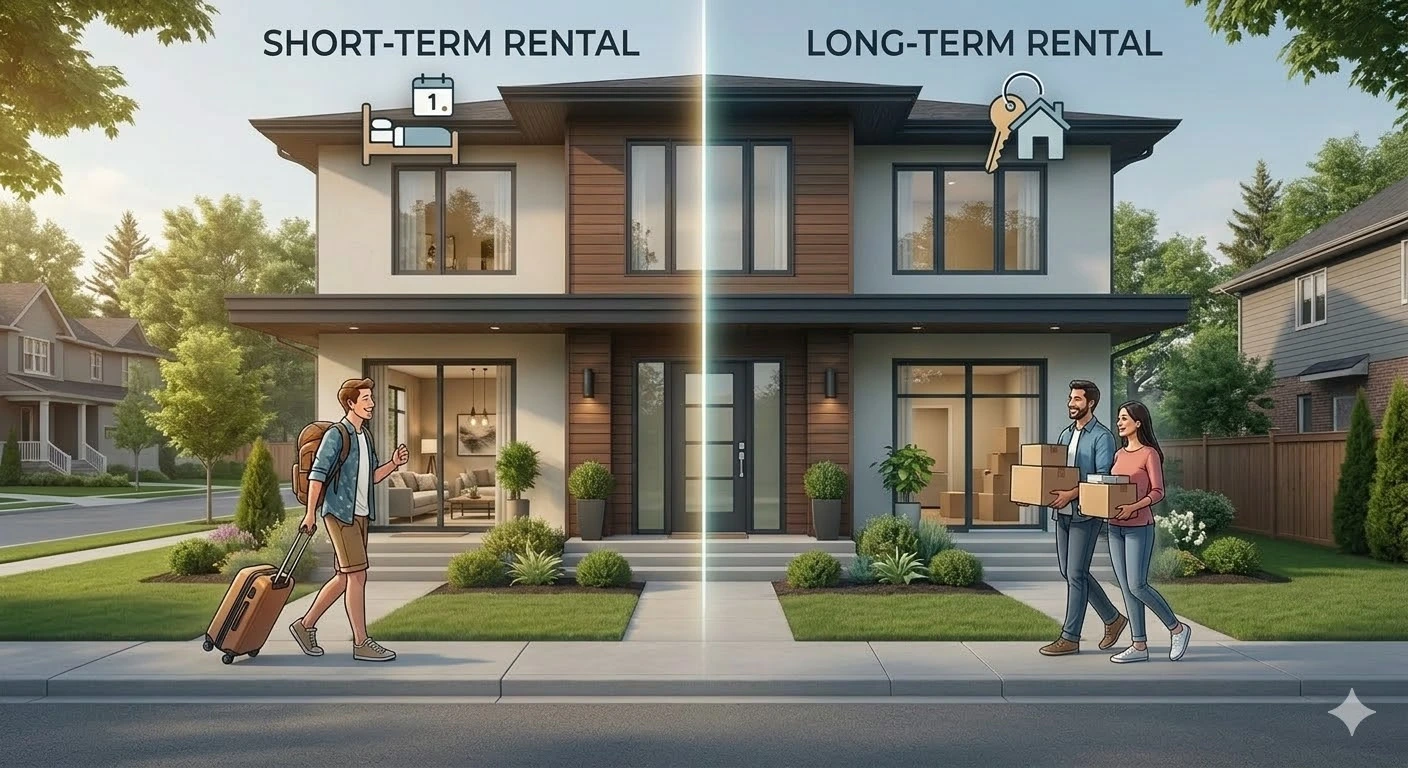
Just a few years ago, the short-term rental market, particularly through platforms like Airbnb, was widely perceived as a straightforward path to passive income. College students were reportedly supplementing their incomes by renting out spare bedrooms, and a burgeoning trend suggested that investing in almost any property, listing it online, and collecting rent was a simple way to add a cash-flowing asset to a real estate portfolio. This perception was significantly bolstered by market data during the post-pandemic travel surge of 2021-2022, which indicated that short-term rentals often outperformed their long-term counterparts in numerous U.S. markets. However, as of 2026, this landscape has undergone a significant transformation. Occupancy rates and revenue growth in many short-term rental markets have plateaued, while regulatory scrutiny has intensified. The notion of short-term rentals as a passive income stream has largely dissolved, revealing them to be a demanding business venture. Concurrently, traditional long-term rentals, while historically a stable option, present their own set of challenges. Emerging from this dynamic is the mid-term rental, offering a third distinct strategy that real estate investors must now carefully consider. The era of a clear, universally dominant rental strategy has passed, necessitating a comprehensive re-evaluation by investors.
The Shifting Sands of Regulation: A Tale of Two Rental Markets
Historically, the regulatory framework for new business models has lagged behind their adoption. The short-term rental market initially benefited from this lag, with fewer regulations making market entry comparatively easier. This allowed for rapid expansion in popular tourist destinations and urban centers. However, by 2026, the regulatory environment for short-term rentals has become significantly more complex and restrictive. Many cities and states, particularly those heavily reliant on tourism, have implemented stringent rules. Jurisdictions such as New York City, Honolulu, Santa Monica, New Orleans, and San Francisco are often cited as having "de-facto" bans, where regulations are so prohibitive that they effectively curtail the short-term rental market.
These regulations encompass a wide array of operational aspects, including:
- Licensing and Permits: Requiring property owners to obtain specific permits and licenses to operate short-term rentals, often involving annual fees.
- Zoning Restrictions: Limiting where short-term rentals can be established, sometimes prohibiting them in residential zones.
- Occupancy Limits: Setting caps on the number of guests allowed per property.
- Safety Standards: Mandating specific safety features, such as smoke detectors, carbon monoxide detectors, and fire extinguishers.
- Taxation: Implementing additional taxes, such as hotel occupancy taxes or specific short-term rental taxes.
- Duration Limits: Restricting the maximum number of nights a property can be rented out on a short-term basis per year.
The increasing burden of compliance and the potential for substantial fines for violations have compelled many investors to reconsider the viability of short-term rentals. For those seeking to navigate this terrain, resources like Mashvisor’s portal, which tracks U.S.-wide short-term rental regulations, have become indispensable tools.
Simultaneously, the long-term rental market, while traditionally subject to established landlord-tenant laws, is also experiencing regulatory evolution. Landlords have long operated under state and local housing codes, including those that have been in place for decades, such as:
- Habitability Standards: Ensuring properties are safe and livable, with functioning utilities.
- Lease Agreement Requirements: Mandating specific clauses and disclosures in rental contracts.
- Eviction Procedures: Outlining legal processes for removing non-paying or problematic tenants.
- Security Deposit Regulations: Governing the collection, holding, and return of tenant security deposits.
However, recent legislative trends in 2026 are increasingly tilting the balance in favor of tenants, introducing new costs and complexities for landlords. For instance, in California, new laws have introduced stricter rent control measures and tenant protections, making it more difficult and costly for landlords to adjust rental rates or evict tenants. Similarly, Washington state has seen legislative changes aimed at enhancing tenant rights, potentially increasing landlord responsibilities and operational expenses. These shifts underscore a broader national trend where the legal landscape for both rental strategies is becoming more intricate, demanding a thorough understanding of local ordinances and state statutes. Investors can no longer assume a laissez-faire regulatory environment for either short-term or long-term rentals; diligent legal review is paramount.
Escalating Costs: The Price of Investment in 2026
The financial calculus of real estate investment has been significantly impacted by rising costs across the board. While short-term rentals have generally been more capital-intensive than long-term rentals, this cost differential has widened in 2026 due to a confluence of factors. General increases in U.S. home prices, coupled with higher property taxes, elevated mortgage interest rates, and escalating insurance premiums, have raised the baseline cost of property ownership for all investors.
For short-term rental properties, the financial implications of regulatory changes are substantial. Annual permit and registration fees, substantial fines for non-compliance, and the imposition of new taxes add direct operational costs. Furthermore, platform fees, such as those introduced by Airbnb in 2025, directly impact host earnings. Beyond these mandated expenses, the intensifying market competition necessitates increased investment in property amenities and upgrades. For example, in markets like Gatlinburg, Tennessee, a hot tub has become a near-standard amenity for short-term rentals, representing an additional capital expenditure. The pressure to differentiate and attract guests in a crowded marketplace often translates into higher costs for furnishings, technology, and ongoing maintenance. Consequently, operating a vacation rental property in 2026 is demonstrably more expensive than in previous years.
Long-term rental properties are not immune to these rising costs. New legislation often mandates upgrades, such as requiring landlords to provide and maintain working stoves and refrigerators. Moreover, tenants are increasingly prioritizing energy efficiency, compelling landlords to invest in more efficient appliances and insulation to meet tenant expectations and potentially reduce utility costs for renters. The startup and ongoing expenses for both rental strategies have therefore escalated, demanding a more precise and data-driven approach to cost estimation. Investors must move beyond general assumptions and obtain reliable figures for both potential income and anticipated expenses to accurately project cash flow before committing to a particular strategy.
Location, Location, Location: A Strategic Imperative
The choice of location remains a cornerstone of real estate investment, and in 2026, its significance is amplified by shifting demographic and travel trends. While regulatory shifts have already been discussed, the strategic consideration of market selection extends beyond legal compliance. Travel patterns are notoriously fluid, and the issue of market saturation adds another layer of complexity to investment decisions.
For traditional long-term rentals, recent data indicates a significant migration trend. Prospective tenants are increasingly relocating to the Southeast and the Mountain West regions, often referred to as the "Sunbelt," a departure from the historical preference for larger urban centers seen a decade ago. Understanding these demographic shifts is crucial for identifying markets with robust rental demand.
However, identifying where people are moving or visiting is only part of the equation. The critical question for investors is how to strategically position their assets within these evolving markets. Daryl Fairweather, Chief Economist for Redfin, offers insights into these market dynamics:
When asked about markets likely to see a conversion of short-term rentals to long-term rentals, Fairweather explained, "Conversions are most likely where short-term economics weaken or regulations tighten. This typically occurs in markets that have seen a surge in short-term rental supply, leading to decreased occupancy and nightly rates, while the underlying demand for long-term housing remains stable. These are often areas that experienced significant growth in tourism or remote work popularity, leading to an imbalance." She further elaborated, "Bottom line: Conversions cluster where STR revenue softens but long-term fundamentals remain solid."
Regarding markets where short-term rentals might still outperform long-term rentals in 2026, Fairweather noted, "Yes, some markets will still favor STRs. These are typically destinations with very strong, consistent seasonal or year-round tourism, where demand consistently outstrips supply. Think of major international tourist hubs or unique event-driven destinations. However, even in these markets, success is not guaranteed." She emphasized, "Bottom line: STR success depends on professional management, dynamic pricing, and consistent demand. Passive Airbnb investments in random towns are risky."
Therefore, investors must meticulously research which locations are best suited for short-term versus long-term rentals. Market trends are not static, and staying abreast of these changes is essential for making informed investment decisions.
The Occupant Factor: A Reassessment of Tenant Profiles
A key attraction for many investors embracing short-term rentals was the perceived simplicity of dealing with temporary guests. The assumption was that short-term occupants would present fewer issues than long-term tenants, avoiding common landlord headaches such as:
- Long-term Lease Disputes: Issues arising from extended contractual obligations.
- Tenant Turnover: The process and cost associated with finding new tenants between leases.
- Property Damage: The potential for significant wear and tear or deliberate damage over extended periods.
- Late Rent Payments: The challenges and legal processes involved in collecting overdue rent.
The image of the transient Airbnb guest as an ideal occupant seemed to promise a smoother, less demanding rental experience.
However, the reality has proven more nuanced. A growing body of anecdotal evidence and online forums highlights a spectrum of guest behaviors that can create significant challenges for short-term rental hosts. These include:
- Parties and Disturbances: Guests hosting unauthorized events that can lead to property damage and complaints from neighbors.
- Property Damage: Accidental or intentional damage to furnishings, fixtures, and the property itself.
- Theft: Instances of guests stealing items from the rental property.
- Violations of House Rules: Guests disregarding policies on smoking, pets, or noise levels.
Beyond guest behavior, the operational costs associated with hosting short-term guests are considerable. This includes providing high-speed internet, stocking hotel-like amenities (toiletries, linens, kitchenware), and the necessity of professional cleaning services between each guest turnover.
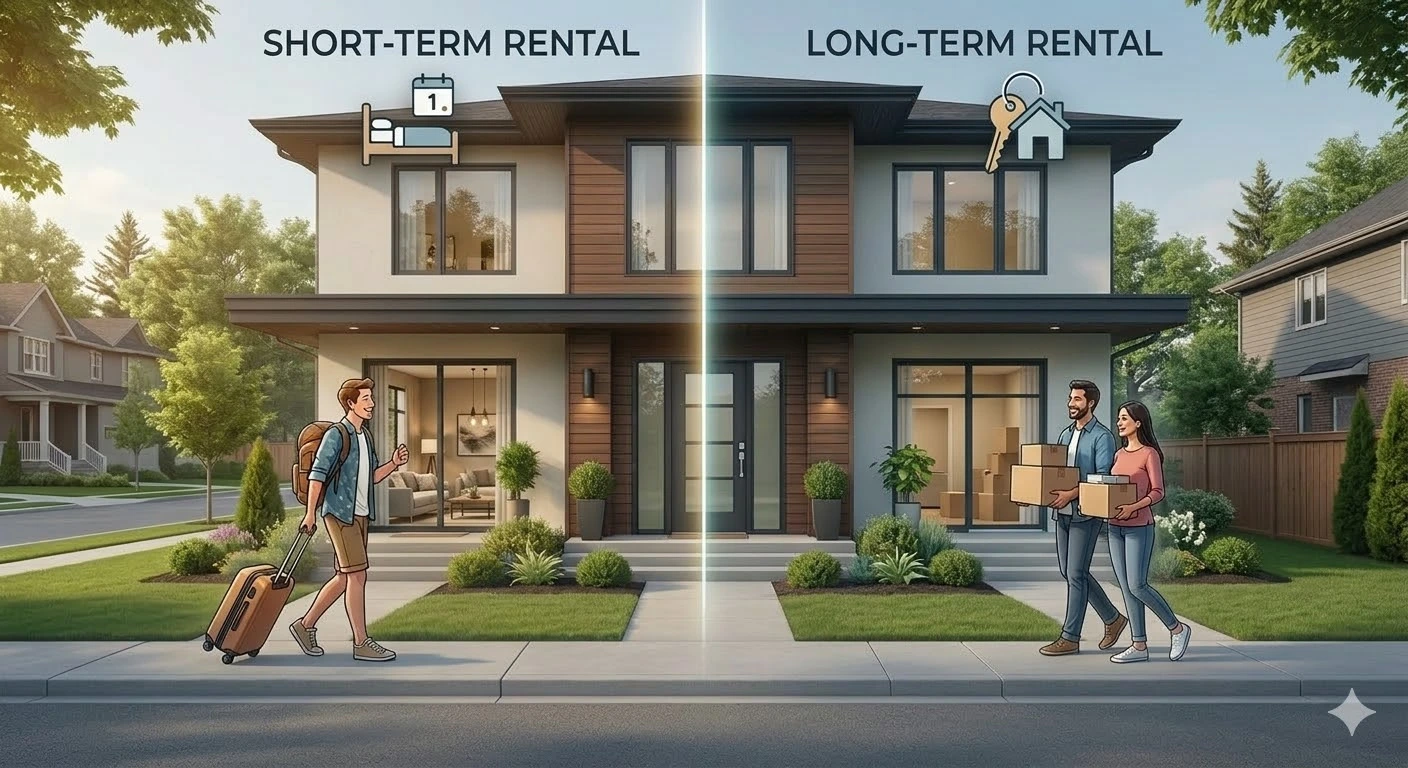
In 2026, it is no longer a simple dichotomy of one occupant type being inherently superior. Both short-term guests and long-term tenants require distinct management strategies, incur unique costs, and present specific risks. Real estate investors must carefully assess their capacity to manage these differences, evaluating their risk tolerance and developing robust strategies for mitigating potential issues associated with each type of occupant.
The Effort Divide: Redefining Passive and Active Investment
A recurring theme in online discussions among short-term rental hosts is the realization that the business demands significant effort. Many hosts who initially envisioned passive income have discovered that actively managing a hospitality service is a demanding undertaking. This is particularly true for those who choose to manage their properties directly rather than outsourcing to a professional property management company.
Similarly, long-term rental property ownership, while often perceived as more straightforward, is also an active investment. Landlords frequently face demanding situations such as evictions, managing tenant turnover, and responding to emergency maintenance requests. The early perception of short-term rentals as effortlessly passive income has largely dissipated, revealing that both strategies require a substantial time commitment.
Both short-term and long-term rentals can be transformed into more passive investments through the engagement of property managers. However, the cost of such services must be carefully weighed against the potential rental income. Property management fees for long-term rentals typically range from 8% to 12% of the monthly rental income, whereas for short-term rentals, these fees are considerably higher, often falling between 15% and 25%.
Ultimately, neither hosting short-term rentals nor managing long-term rentals is inherently passive. Investors must realistically assess their capacity for day-to-day operations and their willingness to commit their time. Alternatively, factoring in the costs of professional management from the outset is crucial for achieving a truly passive rental income stream. This requires a thorough analysis during the investment property evaluation process.
The Rise of the Third Way: Mid-Term Rentals Emerge
The decision-making process for rental property investors is no longer confined to a binary choice between short-term and long-term rentals. A distinct and increasingly popular third option has entered the market: the mid-term rental. These properties are typically rented for periods ranging from one month to six months, and sometimes up to a year. They represent a middle ground, bridging the gap between the transient nature of short-term stays and the extended commitment of long-term leases.
Mid-term rentals cater to a specific demographic, including traveling healthcare professionals, individuals on extended business assignments, digital nomads, and those in the process of relocating. This unique tenant profile makes mid-term rentals particularly successful in specific types of locations:
- Areas with Large Hospitals or Medical Centers: Attracting traveling nurses and other medical staff.
- Cities with Significant Business Travel: Catering to professionals on extended assignments.
- University Towns: Providing housing for visiting faculty or students on semester-long programs.
- Areas Experiencing Population Growth or Relocation: Serving individuals transitioning between residences.
A significant advantage of mid-term rentals is that they often fall outside the scope of the stringent regulations imposed on short-term rentals, providing a less complex operational environment. While the average daily rates (ADRs) for short-term rentals may be higher on a per-night basis, mid-term rentals often achieve higher occupancy rates. When combined with lower turnover costs and reduced cleaning fees compared to short-term rentals, this can translate into greater overall profitability within the same real estate market.
Compared to traditional long-term rental properties, mid-term rentals offer greater flexibility for tenants. As these properties are typically furnished, tenants are often willing to pay a premium. Data suggests that tenants may pay an additional $600 to $800 per month for a furnished, flexible mid-term lease compared to a standard long-term unfurnished lease. This hybrid model presents a compelling proposition for investors seeking a balance of consistent income and manageable operational demands. With the emergence of this third viable rental strategy, real estate investors must now re-evaluate which option offers the greatest potential in markets where all three are feasible.
Strategic Pivots: Converting or Selling Rental Properties
For some real estate investors, 2026 represents a critical juncture for re-evaluating their existing rental portfolios. A property that was once a lucrative short-term rental might now be located in an oversaturated market, leading to diminished profit margins. Alternatively, new regulations may have rendered the short-term rental business model legally untenable or financially unfeasible.
In such scenarios, investors face a critical decision: convert the property to a long-term rental or sell it. This choice hinges on a thorough analysis of current real estate market trends and the investor’s financial position. Key considerations include the optimal timing for selling, the potential for missing out on future profits if holding the property, the carrying costs associated with holding, and the performance of long-term rentals in the same market.
When asked about when an investor should consider selling a vacation property instead of converting it to a long-term rental, Fairweather advised, "An investor should consider selling when the property no longer justifies the complexity and risk of short-term rentals or when the capital could be better used elsewhere. This might be due to declining profitability, increased operational burdens, or a more favorable market for selling property outright." She further elaborated, "Bottom line: Sell if the property no longer provides strong returns, market prices are favorable, or regulations make your STR strategy unprofitable."
If the market conditions permit a successful conversion to a long-term rental, Fairweather offers strategic guidance: "If converting makes sense, focus on these four things. First, assess the demand for long-term rentals in the area. Is there a stable tenant pool? Second, understand the competitive landscape for long-term rentals. What are comparable properties renting for? Third, evaluate the costs of conversion. This might involve removing some of the short-term amenities and ensuring the property meets long-term rental standards. Finally, consider the management aspect. Will you self-manage or hire a property manager for the long-term lease?" Her concluding remark was, "Bottom line: Long-term rentals offer predictability over upside. Treat the conversion as a strategic business decision."
Conclusion: Data-Driven Decisions in a Dynamic Market
The rental property market in 2026 is characterized by increased complexity and a departure from the easy profitability once associated with short-term rentals. Both short-term and long-term rental markets have evolved, presenting distinct challenges and opportunities. However, the fundamental principle of real estate investment remains: opportunities exist, but they require a more discerning approach and a reliance on data-driven decision-making.
Whether an investor remains committed to a specific strategy or explores new avenues like mid-term rentals, the key is to identify the right market and the right property for that strategy. Tools like Mashvisor provide valuable data insights, supporting investors in making informed choices by analyzing short-term and long-term rental performance. For mid-term rentals, leveraging supplemental data alongside these tools can help accurately forecast potential earnings. By embracing data and a strategic mindset, real estate investors can navigate the evolving landscape and identify the most profitable rental strategies for their portfolios.
Frequently Asked Questions
1. Can short-term rentals still be profitable in 2026?
Yes, short-term rentals can still be profitable in 2026, but profitability is highly contingent on factors such as location, prevailing regulations, occupancy rates, and operational costs. In tourism-driven markets with robust demand, Airbnb rentals may indeed generate higher income than traditional leases. However, investors must conduct thorough due diligence, meticulously analyzing local laws and competitive conditions before committing capital.
2. What is the difference in profitability between short-term and long-term rentals?
Short-term rentals often offer higher revenue per night due to their transient nature. However, long-term rentals typically provide more stable and predictable monthly income, coupled with lower management and operational costs. The most profitable strategy is determined by a complex interplay of local tourism demand, rental regulations, property values, and expected occupancy rates.
3. How do short-term, mid-term, and long-term rentals differ?
Short-term rentals are typically leased for a few nights or weeks through platforms like Airbnb. Mid-term rentals generally span one to six months and are popular with traveling professionals or digital nomads. Long-term rentals are traditional leases lasting six to twelve months or more, offering landlords consistent, stable income.
4. Is Airbnb still a good investment in 2026?
Airbnb can generate higher income in high-demand markets, particularly in tourist destinations. However, it also necessitates more active management, higher operating expenses, and strict adherence to local regulations. Long-term rentals, conversely, tend to offer more predictable cash flow and fewer day-to-day management responsibilities.
5. How should investors choose between short-term and long-term rental strategies?
Investors typically compare projected rental income, anticipated occupancy rates, estimated operating costs, and local regulatory frameworks before selecting a rental strategy. Analyzing historical rental data and prevailing market trends is essential for determining whether a property is likely to perform better as a short-term or long-term rental.

