
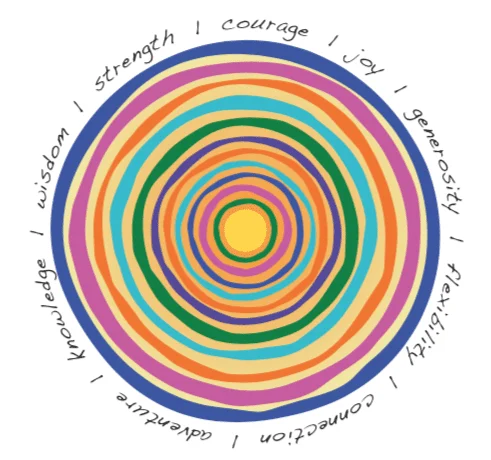
Society’s pervasive emphasis on youth often casts a shadow over the aging process, fostering a narrative that undervalues and even shuns those in their later years. This prevailing sentiment, while unfortunate, presents a critical juncture for individuals and communities to re-evaluate their perspectives and actively cultivate an "aging with gusto" mindset. This approach, championed by programs like Aging with Gusto, a Vital Aging Network initiative, emphasizes maintaining positive self-perceptions and fostering appreciation for older adults, a shift with profound implications for well-being and longevity.
The impact of these perceptions is far from anecdotal. Research consistently demonstrates a strong correlation between positive attitudes towards aging and increased lifespan. Studies, such as those referenced by the Vital Aging Network, indicate that individuals who hold more optimistic views about getting older can live, on average, a remarkable 7.5 years longer than their counterparts who harbor negative sentiments. This longevity advantage is not merely a statistical curiosity; it is rooted in the psychological and physiological benefits derived from a positive outlook. Conversely, the perception of being a burden can significantly diminish an older adult’s sense of self-worth, elevating the risks of depression and social isolation. These conditions, often termed "silent killers," pose a substantial threat to the health and quality of life for older individuals.
The Power of Positive Perception: Beyond Stereotypes
Donna Comer, coordinator and facilitator for the Aging with Gusto program, underscores the critical role of perception in shaping the aging experience. "How we think about aging has a big impact on how we age," she states. Comer acknowledges that aging inherently presents challenges, but she posits that "raising awareness of aging and increasing appreciation for how people of all ages contribute to our families and our communities is an essential first step in adopting a more positive view of both retirement and aging." This call for increased awareness and appreciation is echoed by prominent figures in the field of aging advocacy.
Jo Ann Jenkins, CEO of AARP and author of Disrupt Aging: A Bold New Path to Living Your Best Life at Every Age, is a vocal proponent of this paradigm shift. Jenkins’ work, disseminated through her book and the dedicated Disrupt Aging website, highlights not only the increasing longevity of individuals but also the improved quality of life and the active defiance of age-related stereotypes. Her message resonates with a growing body of evidence suggesting that the traditional, often negative, stereotypes associated with aging are increasingly outdated.
Shattering Illusions: Real-Life Encounters with Vitality
The disconnect between societal stereotypes and the reality of aging was vividly illustrated at an arts and aging conference several years ago. The keynote speaker invited audience volunteers to embody the perceived physical limitations of ages 70, 80, and 90. The volunteer portraying 70 adopted a slow, tentative gait, while the 80-year-old mimicked hobbling with a cane, pausing frequently. The individual embodying 90 relied on a simulated wheelchair. This staged demonstration of frailty was dramatically contrasted by the appearance of an actual 90-year-old participant – a marathon runner – who sprinted onto the stage. This powerful moment served as a potent visual refutation of the audience’s preconceived notions of what "old" looks and acts like, highlighting the vast spectrum of capability and vitality that can exist in later life.
A similar initiative by AARP further dismantled these ageist misconceptions. In a widely shared video, millennials were tasked with depicting what "old" looked like, their portrayals including struggles with texting, navigating imaginary stairs, and an inability to perform a single push-up. The subsequent segment of the video featured these same millennials interacting with older adults who effortlessly performed these tasks and more, demonstrating a level of physical and cognitive agility that defied the millennials’ assumptions. The millennials’ astonishment underscores a societal blind spot, where ageism—the tendency to view older persons as debilitated and unworthy of attention or employment—persists despite evidence to the contrary. The crucial takeaway is that aging does not have to be synonymous with decline; ageism is a learned prejudice, not an inherent consequence of growing older.
Lessons from Longevity: The Blue Zones Approach
The concept of defying ageist assumptions and embracing a vibrant later life is also central to the work of longevity expert Dan Buettner. In his seminal book, The Blue Zones: Lessons for Living Longer from the People Who’ve Lived the Longest, Buettner details the habits of populations around the world who consistently live exceptionally long and healthy lives. His research identifies nine key lifestyle principles that contribute to remarkable longevity, suggesting that adding years, and even decades, to one’s life is achievable through conscious choices and the adoption of specific practices.
While the specific details of Buettner’s nine habits are not enumerated in the provided text, their inclusion in the context of "aging with gusto" suggests a holistic approach to well-being. This likely encompasses elements such as:
- Plant-Slanted Diets: Emphasizing whole, unprocessed foods, with a focus on fruits, vegetables, legumes, and whole grains.
- Moderate Caloric Intake: Avoiding overeating and maintaining a caloric deficit, often referred to as the "80% rule" – eating until 80% full.
- Regular, Natural Movement: Incorporating physical activity into daily life, rather than relying solely on structured exercise. This can include walking, gardening, and other forms of natural movement.
- Purpose-Driven Life (Ikigai): Having a sense of purpose or a reason to wake up in the morning, contributing to mental and emotional well-being.
- Down-Shift Times: Incorporating daily routines to shed stress, such as napping, prayer, or happy hour.
- Belonging to a Faith-Based Community: Regular participation in spiritual or religious services has been linked to increased longevity.
- Loved Ones First: Prioritizing family and close relationships, fostering strong social connections.
- Social Engagement: Surrounding oneself with people who support healthy behaviors and maintaining a sense of community.
- Wine in Moderation: Consuming moderate amounts of alcohol, typically red wine, with meals and in a social context.
The implications of Buettner’s research, when viewed through the lens of "aging with gusto," are profound. They suggest that longevity is not solely a matter of genetics or access to advanced medical care, but rather a consequence of lifestyle choices and a positive engagement with life. These principles offer a tangible roadmap for individuals seeking to not only live longer but also to live better, with vitality and purpose.
Broader Impact and Future Implications
The movement towards "aging with gusto" has significant implications for societal structures and individual well-being. By challenging ageist norms, communities can foster environments where older adults are valued, respected, and actively engaged. This can lead to:
- Reduced Healthcare Costs: Healthier, more engaged older adults are likely to experience fewer chronic diseases and require less intensive medical intervention, potentially reducing healthcare burdens.
- Increased Social Cohesion: Intergenerational connections are strengthened when older adults are integrated into community life, fostering mentorship, shared wisdom, and a sense of belonging for all age groups.
- Economic Contributions: Dispelling the myth of older adults as solely consumers of services, this approach recognizes their potential as valuable contributors to the workforce, volunteer organizations, and entrepreneurial ventures.
- Enhanced Mental Well-being: A positive outlook on aging directly combats loneliness, depression, and anxiety, leading to greater overall happiness and life satisfaction for individuals.
The work of organizations like the Vital Aging Network and AARP, alongside the research of individuals like Dan Buettner, signifies a growing consensus: aging is not a passive decline but an active, potentially vibrant, phase of life. The resources they offer, such as the AgingWithGusto.com and BlueZones.com websites, provide accessible pathways for individuals to learn more about cultivating a positive approach to aging. The related podcast episodes listed further underscore the breadth of discussion and expertise dedicated to this critical topic, offering diverse perspectives on navigating the journey of aging with intention and enthusiasm.
Ultimately, the shift towards "aging with gusto" is a call to action for individuals and society alike. It is an invitation to reframe our understanding of aging, to celebrate the accumulated wisdom and experience of older adults, and to embrace the opportunity for continued growth, contribution, and joy throughout the lifespan. By actively challenging negative stereotypes and fostering positive perceptions, we can unlock the potential for a more fulfilling and robust future for all as we age.

