
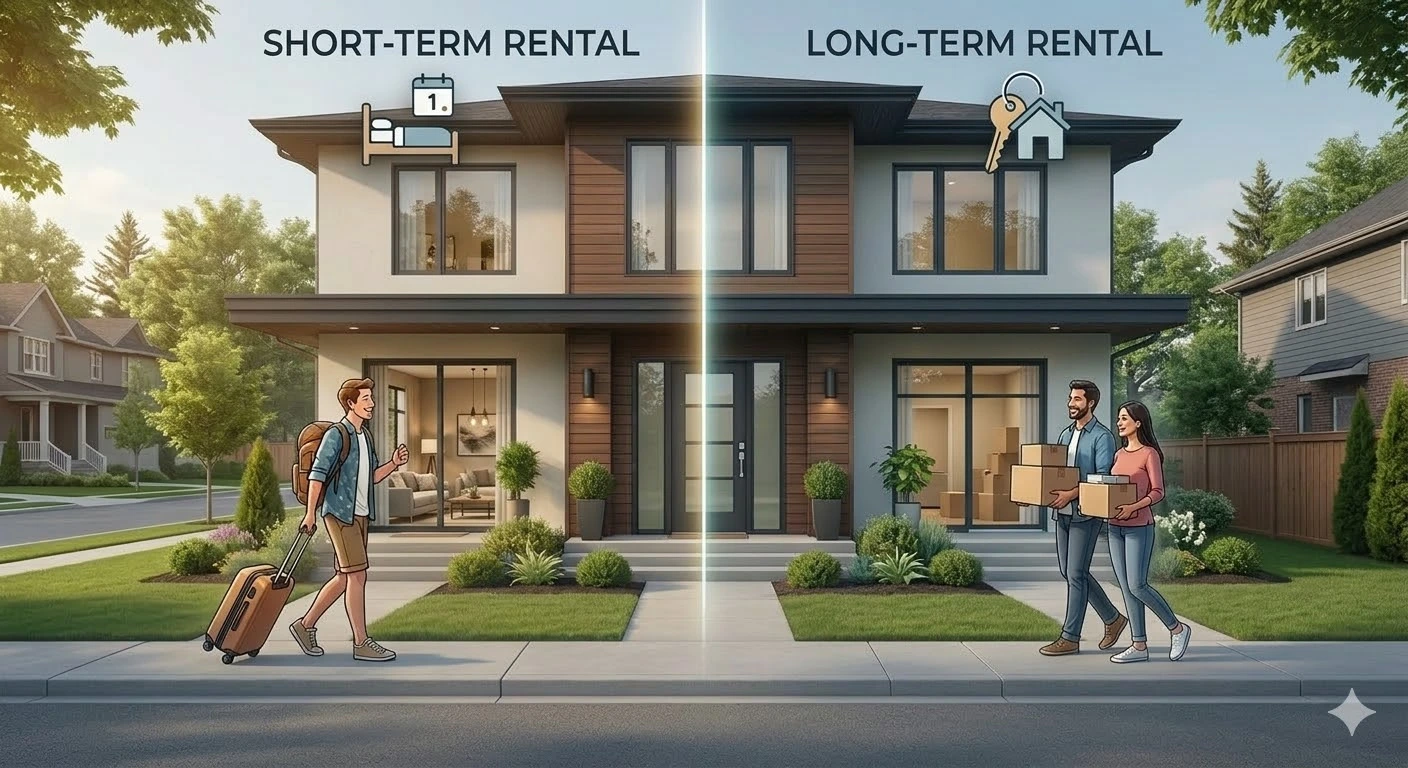
Just a few years ago, the allure of short-term rental properties, particularly through platforms like Airbnb, presented itself as a straightforward path to passive income. The post-pandemic travel surge of 2021-2022 amplified this perception, with many investors believing that acquiring a property in almost any location and listing it on Airbnb would instantly transform it into a lucrative cash-flow asset. Market data from that period often supported this notion, indicating that short-term rentals frequently outperformed their long-term counterparts across numerous U.S. markets. However, as 2026 unfolds, a significant recalibration is underway. The once-passive income stream has evolved into a full-fledged business, marked by decelerating occupancy and revenue growth in many areas, alongside a substantial increase in regulatory oversight. This evolution compels real estate investors to move beyond simplistic strategies and engage in a more nuanced assessment of their investment choices. The traditional long-term rental market, too, is not without its own evolving complexities, and a burgeoning third category, the mid-term rental, has emerged, further complicating the decision-making process. Consequently, investors today must conduct a thorough re-evaluation of their strategies, considering a multifaceted approach to rental property investment.
The Evolving Regulatory Terrain: A Tale of Two Markets
The initial ease of entering the short-term rental market stemmed largely from a regulatory vacuum. Laws and ordinances were slow to adapt to the rapid proliferation of platforms like Airbnb. This allowed investors to capitalize on what was, for a time, a largely unregulated sector. By 2026, however, this landscape has dramatically transformed. Major tourist destinations and even many secondary markets now have robust regulations governing short-term rentals. Cities like New York City, Honolulu, Santa Monica, New Orleans, and San Francisco have implemented policies so stringent they are often described as "de-facto" bans, effectively curtailing or eliminating most short-term rental operations. These regulations typically encompass a wide array of requirements, including obtaining permits and licenses, adhering to zoning restrictions, meeting safety and occupancy standards, and often paying specific occupancy or tourism taxes. For many investors, navigating this intricate web of legal compliance has become a significant deterrent, leading them to reconsider their short-term rental ventures.
The increasing regulatory burden on short-term rentals has, for some, made the decision to pivot to long-term rentals more appealing. However, the traditional rental market is also experiencing its own regulatory shifts, albeit with a different focus. While landlords have historically been subject to various state and local housing laws, dating back to the early 20th century, 2026 is witnessing the introduction of new legislation that significantly alters the landlord-tenant dynamic. These emerging laws often aim to provide greater tenant protections, which can translate into increased costs and operational complexities for landlords.
For instance, in California, new rent control ordinances, such as the Tenant Protection Act of 2019 (AB 1482), which has been extended and strengthened, limit annual rent increases and provide greater eviction protections. Furthermore, the state’s stringent habitability laws require landlords to maintain properties to a high standard, often necessitating significant investment in upgrades and ongoing maintenance. In Washington state, recent legislation has focused on capping late fees for rent payments and expanding tenant rights regarding lease renewals, potentially impacting landlord revenue and predictability.
The implications of these evolving legal frameworks are clear: investors can no longer assume a predictable regulatory environment for either short-term or long-term rentals. A comprehensive understanding of local, state, and sometimes even federal housing laws is paramount. This includes staying abreast of proposed legislation and understanding the potential financial and operational impacts of compliance. The era of minimal regulatory oversight for short-term rentals is over, and the long-term rental market is also becoming more complex, demanding greater diligence from property owners. Tools and resources that provide up-to-date information on rental regulations are becoming indispensable for investors seeking to mitigate legal risks.
The Escalating Costs of Rental Property Ownership
Beyond the legal complexities, the financial calculus of rental property investment has also undergone a significant shift. While short-term rentals have historically been more capital-intensive than long-term rentals, the overall cost of owning and operating both types of properties has increased substantially. The broader economic climate, characterized by higher home prices, rising mortgage rates, and increased property taxes, forms the baseline.
For short-term rentals, the escalating costs are compounded by several factors. Regulatory compliance often translates into direct expenses, such as annual permit fees, registration costs, and potential fines for violations. Moreover, the introduction of new platform fees by entities like Airbnb in 2025 has further added to the operational overhead for hosts. The competitive nature of the short-term rental market also necessitates ongoing investment in property amenities and services to attract guests. For example, in popular vacation destinations like Gatlinburg, Tennessee, a hot tub is no longer considered a luxury amenity but a baseline expectation for an Airbnb, adding to the initial investment and ongoing maintenance costs. This heightened competition requires hosts to continuously upgrade their offerings, thereby increasing the overall cost of running a successful short-term rental business.
Long-term rental properties are not immune to these rising costs. New tenant-focused legislation often mandates that landlords provide certain amenities or meet specific standards, such as ensuring the availability of working appliances like stoves and refrigerators, thereby increasing upfront and ongoing operational expenses. Furthermore, as tenants become more environmentally conscious, there is an increasing demand for energy-efficient homes, requiring landlords to invest in upgrades such as better insulation, energy-efficient windows, and modern HVAC systems. These improvements, while potentially enhancing property value and appeal, represent a significant capital outlay.
The combined effect of these cost increases means that both short-term and long-term rental investments demand more thorough financial planning. Investors can no longer rely on general assumptions about costs; detailed cost estimates, encompassing everything from acquisition and renovation to ongoing maintenance, insurance, and taxes, are essential. Accurate income projections are equally critical to determine the true profitability and cash flow potential of each rental strategy.
Location, Location, Location: A Dynamic Equation
The adage "location, location, location" remains a cornerstone of real estate investment, but its interpretation in 2026 is far more dynamic. While regulatory changes have a significant impact on location suitability, broader shifts in population movement and travel trends also play a crucial role.
For traditional long-term rentals, demographic shifts are particularly noteworthy. Data indicates a continuing migration trend towards the Southeast and Mountain West regions of the U.S., often referred to as the "Sunbelt," a reversal from the decades-long dominance of larger urban centers. Understanding these migration patterns is crucial for identifying markets with sustained demand for long-term housing.
The short-term rental market, while historically driven by tourism, is also subject to evolving travel behaviors and market saturation. Identifying locations that can sustain strong occupancy rates and competitive pricing requires a deeper analysis than simply looking at popular tourist spots. Daryl Fairweather, Chief Economist for Redfin, offers valuable insights into these market dynamics.
Fairweather suggests that conversions from short-term to long-term rentals are most likely to occur in markets where the short-term rental economics are weakening, or regulations are tightening, but where the fundamentals for long-term rentals remain robust. This indicates a strategic shift in markets where the high revenue potential of short-term rentals is diminished by operational challenges or declining demand, making the stability of long-term leases more attractive.
Conversely, certain markets may still favor short-term rentals. Fairweather notes that success in these areas is contingent on professional management, dynamic pricing strategies, and consistent demand. This highlights that in 2026, "passive Airbnb investments in random towns are risky." The emphasis has shifted from passive income to active management and strategic positioning, even within markets that continue to support short-term rentals. Investors must therefore conduct granular market analysis, considering not only general trends but also specific local demand drivers, competition levels, and the potential for future regulatory changes when evaluating a location for any rental strategy.
The Occupant Factor: Rethinking Tenant Dynamics
The perceived appeal of short-term rentals was, in part, due to the assumption that temporary guests would present fewer issues than long-term tenants. The traditional concerns associated with long-term renters—such as property damage, lease violations, late payments, and the complexities of eviction—seemed absent in the short-term model. Guests were assumed to be transient, treating the property with a degree of respect akin to a hotel stay.
However, the reality of the short-term rental market has revealed a more complex picture. Anecdotal evidence and online forums are replete with "Airbnb horror stories," detailing instances of property damage, unauthorized parties, and guests overstaying their welcome, often leading to significant financial and emotional distress for hosts. Beyond guest behavior, the operational costs of catering to short-term occupants are substantial. Providing high-speed internet, hotel-like amenities, and professional cleaning services after each stay adds considerably to the expense of operating a short-term rental.
In 2026, the notion that one type of occupant is inherently superior to another is no longer tenable. Both short-term guests and long-term tenants present unique challenges and require distinct management approaches. Investors must assess their capacity to handle the specific demands of each. This involves evaluating risk mitigation strategies, understanding the potential issues associated with each tenant type, and developing effective protocols for addressing them. The decision of which occupant type to cater to should be based on a realistic appraisal of an investor’s management style, risk tolerance, and financial resources.
The Effort Spectrum: From Passive Dream to Active Reality
The early narrative surrounding short-term rentals often painted them as a passive income dream. However, a closer examination of online communities and host experiences reveals a starkly different reality. Many hosts who entered the market expecting minimal effort have discovered that running a short-term rental is, in fact, akin to managing a hospitality business, demanding significant active involvement. Even when outsourcing property management, the oversight and decision-making required can be substantial.
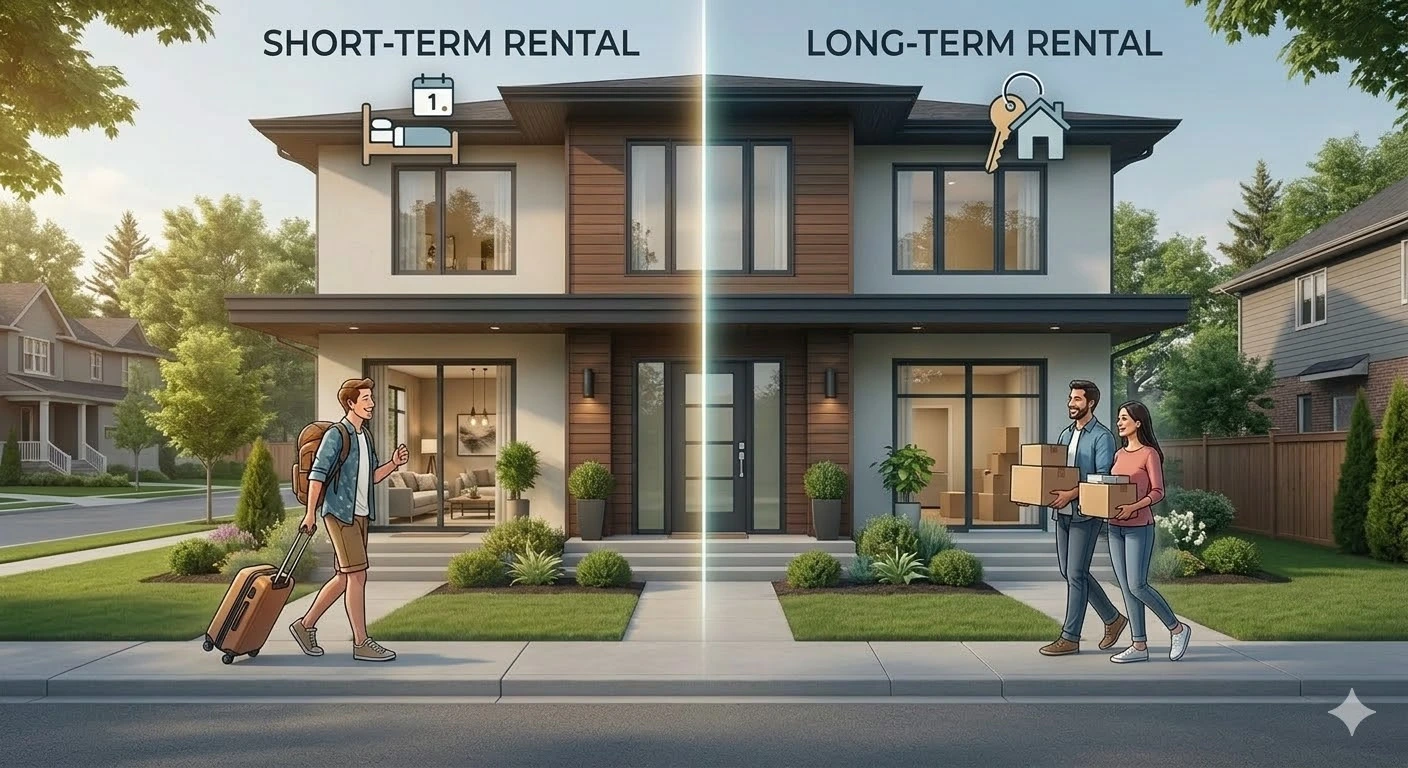
Similarly, traditional long-term rentals, while perhaps less glamorous, have always been recognized as requiring active management. While the day-to-day involvement might differ, landlords frequently face demanding situations such as tenant evictions, managing tenant turnover, and responding to emergency maintenance requests.
The concept of passive income in rental property investment is achievable, but it typically involves hiring professional property managers. However, this comes at a cost. For long-term rentals, property management fees generally range from 8% to 12% of the monthly rental income. For short-term rentals, these fees are considerably higher, often falling between 15% and 25%, reflecting the increased complexity and demand for services.
Therefore, neither being a short-term host nor a long-term landlord is inherently passive. Investors must realistically assess their capacity and willingness to engage in the day-to-day operations and time commitment required for each strategy. Alternatively, factoring in property management costs from the outset is crucial for anyone aiming for a truly passive rental income stream. This involves a careful analysis of potential earnings versus management expenses to ensure that the net cash flow remains attractive.
The Rise of the Mid-Term Rental: A Strategic Middle Ground
The investment landscape has evolved beyond a simple dichotomy of short-term versus long-term rentals. A compelling third option has emerged: the mid-term rental. Defined as a property rented for a period of one to six months, and sometimes up to twelve months, mid-term rentals occupy a unique niche between the fleeting stays of short-term rentals and the extended commitments of long-term leases.
These rentals typically attract a specific demographic, including traveling healthcare professionals (such as nurses), individuals on extended business assignments, digital nomads, and those in the process of relocating. The demand for mid-term rentals is often concentrated in areas with a strong presence of hospitals, large corporate centers, or universities.
A significant advantage of mid-term rentals is their ability to often circumvent the stringent regulations that plague many short-term rental markets. While short-term rentals may boast higher average daily rates, mid-term rentals often achieve higher occupancy rates. This, combined with lower turnover costs and reduced cleaning frequency compared to short-term stays, can lead to superior overall profitability within the same real estate market.
Compared to long-term rentals, mid-term properties offer greater flexibility and are typically furnished. This premium is reflected in rental rates, with tenants often willing to pay a premium of $600 to $800 per month above traditional long-term lease rates for these temporary accommodations. This hybrid model presents a promising avenue for investors seeking a balance between consistent cash flow and higher earning potential, particularly in markets where the demand for such flexible housing solutions is robust.
Strategic Decisions for the Modern Investor: Conversion, Sale, or New Venture
The current market conditions necessitate a strategic re-evaluation for many real estate investors, particularly those currently operating in the short-term rental space. For some, a once-profitable short-term rental may now be struggling due to market oversaturation or restrictive regulations, leading to diminished profit margins. In such scenarios, investors face a critical decision: convert the property to a long-term rental or sell it altogether.
This decision hinges on a careful examination of current real estate market trends and the investor’s individual financial situation. Key considerations include assessing whether the current market conditions are favorable for selling, or if holding the property for a future sale might yield better returns. The financial implications of holding an underperforming asset, such as negative cash flow or ongoing carrying costs, must also be weighed.
Daryl Fairweather offers guidance on when an investor might consider selling a vacation property instead of converting it to a long-term rental. She advises selling when the property no longer justifies the complexity and risk associated with short-term rentals, or when the capital tied up in the property could be deployed more effectively elsewhere. This includes situations where the property’s returns are no longer strong, market prices are favorable for a sale, or regulatory changes have rendered the short-term rental strategy unprofitable.
If a conversion to a long-term rental is deemed the more strategic option, Fairweather emphasizes four key areas for success: treating the conversion as a deliberate business decision, understanding the predictability of long-term rentals, focusing on maintaining the property, and ensuring strong tenant relationships. This approach underscores the shift from a potentially high-reward but high-risk short-term model to a more stable, predictable, yet less dynamic long-term strategy.
Navigating the Future: Data-Driven Decisions in a Complex Market
The real estate investment landscape of 2026 is undeniably more intricate than in previous years. Both the short-term and long-term rental markets have undergone significant transformations, introducing new challenges and opportunities. The emergence of mid-term rentals further diversifies the investment possibilities. Amidst this complexity, one factor remains constant: the availability of real estate investment opportunities. However, success now hinges on a more discerning approach, guided by robust data and a clear understanding of market dynamics.
For investors who remain committed to a specific strategy, the key lies in identifying the right real estate market and property that aligns with that strategy. Tools and platforms that provide comprehensive data on short-term and long-term rental performance, including occupancy rates, rental income estimates, and historical trends, are invaluable. For mid-term rentals, leveraging supplemental data alongside existing analytical tools can help accurately forecast potential earnings.
Ultimately, the choice of rental strategy—short-term, mid-term, or long-term—should be driven by a thorough analysis of potential cash flow and return on investment. By utilizing reliable market data, investors can make informed decisions, ensuring that their chosen strategy is not only viable but also profitable in the evolving real estate environment.
Frequently Asked Questions
Can short-term rentals still be profitable in 2026?
Yes, short-term rentals can remain profitable in 2026, but profitability is heavily dependent on location, local regulations, occupancy rates, and operating costs. In high-demand, tourism-driven markets, Airbnb rentals may still generate higher income than traditional leases. However, investors must conduct thorough due diligence on local laws and competition before committing capital.
What is the difference between short-term and long-term rentals in terms of profitability?
Short-term rentals often offer the potential for higher revenue per night due to premium pricing for shorter stays. However, long-term rentals provide more stable, predictable monthly income and typically involve lower management costs and less frequent turnover. The most profitable strategy is contingent on local tourism demand, rental regulations, property prices, and expected occupancy rates.
How do mid-term rentals differ from short-term and long-term rentals?
Short-term rentals are typically rented for a few nights or weeks via platforms like Airbnb. Mid-term rentals generally span one to six months and are popular with traveling professionals or digital nomads. Long-term rentals are traditional leases lasting six to twelve months or more, offering landlords consistent income and stability.
Is Airbnb still a good investment in 2026?
Airbnb can still be a lucrative investment in high-demand markets, particularly tourist destinations. However, it demands more active management, higher operating expenses, and strict adherence to local regulations. Long-term rentals, while potentially offering lower per-night revenue, tend to provide more predictable cash flow and require less day-to-day management.
How should investors choose between short-term and long-term rental strategies?
Investors should compare projected rental income, occupancy rates, operating costs, and local regulations for both strategies. Analyzing historical rental data and market trends is crucial to determine which strategy will perform best for a specific property and location.

