
The jarring impact of a rear-end collision in Alabama in 2019 served as an unexpected catalyst for Andy Zimney, a consultant specializing in organizational culture, to re-evaluate his career trajectory and personal well-being. The incident, which led to an emergency room visit and a subsequent diagnosis of a probable concussion, initiated a chain of events that culminated in Zimney requesting a sabbatical to prioritize his health and redefine success. This experience highlights a growing trend of professionals seeking extended breaks to address burnout and explore new life paths, with sabbaticals emerging as a valuable tool for both personal rejuvenation and a proactive approach to retirement planning.
The Catalyst: An Unforeseen Accident and Its Lingering Effects
The pivotal moment occurred while Zimney was on a business trip in Alabama. The Uber he was traveling in was struck from behind by a drunk driver. Zimney recounted the harrowing experience: "I spent the next eight hours in the ER. Although there were no visible signs of injury, the doctor told me I likely had a concussion and gave me a list of symptoms to look out for in the days and weeks ahead." Despite the medical assessment, Zimney returned to his professional duties shortly after. Within two weeks, the subtle yet debilitating symptoms of the concussion began to manifest. "I had trouble concentrating. I didn’t have much energy and was mentally and physically spent at the end of each workday, if not before," Zimney stated.
The persistent nature of these post-concussion symptoms, which did not resolve naturally over the subsequent three months, prompted Zimney to seek a structured period away from his demanding professional life. His request for a sabbatical was driven by a clear objective: to step back, reassess his priorities, and critically examine his definition of success moving forward. "I knew I needed to focus on my health," Zimney explained. "I also knew that if I didn’t do so right away, I’d end up feeling and possibly even burning out before I reached retirement age." This proactive stance underscores a growing awareness among professionals about the importance of preventative self-care in the face of demanding careers.
The Sabbatical: A Month of Intentional Reset
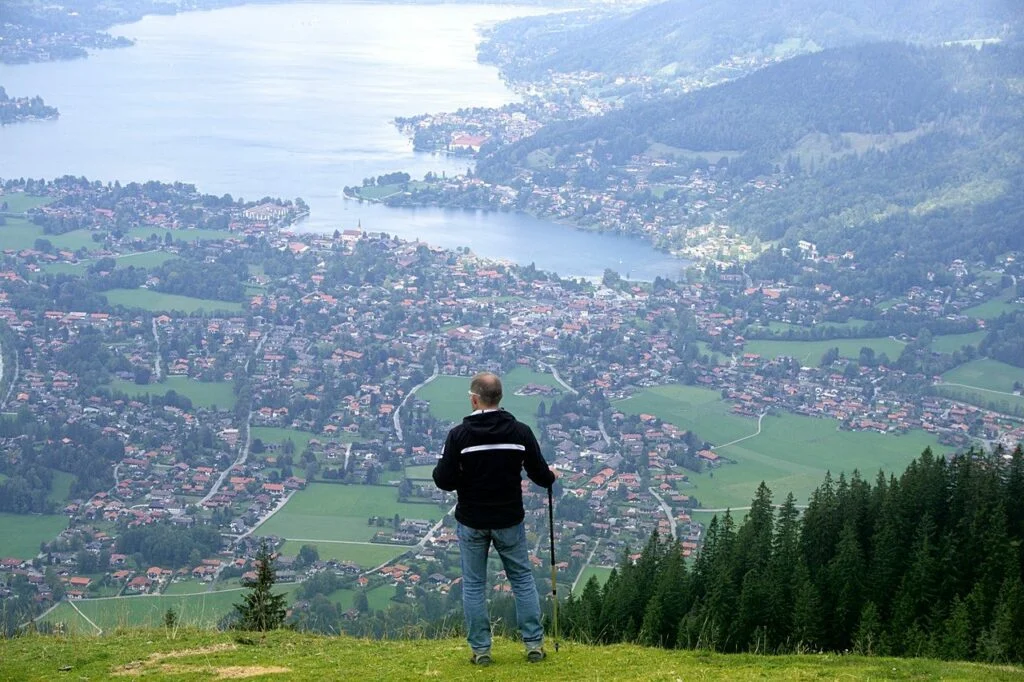
With the crucial support of his business partners and his family, Zimney embarked on a one-month sabbatical. This period was deliberately structured to foster recovery and introspection. His itinerary included essential elements for physical and mental restoration: ample sleep, regular exercise, a commitment to improved nutrition, spending time in nature, and reconnecting with loved ones. This intentional approach to disconnecting from work and engaging in restorative activities is a hallmark of effective sabbaticals.
The decision to take a sabbatical, rather than immediately considering a career change or early retirement, allowed Zimney to explore his options without the pressure of making irreversible decisions. It provided a controlled environment to address his health concerns and gain clarity on his future aspirations. This approach aligns with a broader understanding of well-being in the modern workforce, where prolonged periods of stress and demanding workloads can significantly impact an individual’s long-term health and career satisfaction.
Broader Context: The Rise of Burnout and the Appeal of Sabbaticals
Zimney’s experience is not an isolated incident. The prevalence of workplace burnout has become a significant concern across various industries. A 2021 report by Deloitte found that 70% of executives believe their organization is facing a high level of burnout, and 77% have experienced at least one burnout symptom in the past year. This widespread issue has led many individuals to seek alternatives to the traditional career path, with sabbaticals gaining traction as a viable solution.
Historically, sabbaticals were primarily associated with academia, offering tenured professors extended periods for research and professional development. However, in recent decades, the concept has expanded, with corporations increasingly recognizing the benefits of offering sabbaticals to their employees. Companies like Google, Microsoft, and Patagonia have implemented sabbatical programs, often citing improved employee retention, enhanced creativity, and a renewed sense of purpose as key outcomes. These programs typically require employees to have a certain tenure with the company and often involve a commitment to return to their roles after the break.
The increasing recognition of mental health as a critical component of overall well-being has also contributed to the normalization of sabbaticals. As societal attitudes towards mental health evolve, so too does the willingness of individuals to prioritize their psychological and emotional health by taking time off work. The COVID-19 pandemic further accelerated this trend, as many individuals experienced a profound reassessment of their priorities and work-life balance.
The "Retirement Test Drive": Sabbaticals as a Prelude to Later Life
For individuals approaching retirement age, a sabbatical can serve as an invaluable "retirement test drive." This concept, championed by organizations like Retirement Wisdom, suggests that a temporary period away from full-time employment can provide a realistic preview of life in retirement. It allows individuals to experiment with different activities, routines, and lifestyle choices without the permanent commitment of retirement.
This "test drive" approach can help individuals answer critical questions such as:
- What activities will fill my days in retirement?
- How will I structure my time and maintain a sense of purpose?
- What are my financial needs and lifestyle expectations in retirement?
- Will I thrive in a less structured environment?
By engaging in a sabbatical with these questions in mind, individuals can identify potential challenges and make informed adjustments before making the full transition into retirement. This proactive approach can mitigate the risks of post-retirement disillusionment or regret, ensuring a smoother and more fulfilling transition.
Lessons Learned and Practical Applications
While the original article snippet mentioned "Lessons learned" and "Tips," the specific details were not provided. However, based on Zimney’s experience and the broader context of sabbaticals, several key lessons can be inferred and elaborated upon:
Key Lessons from a Sabbatical:
- Prioritization of Health: Zimney’s primary motivation was his health. This underscores the fundamental importance of recognizing and addressing physical and mental well-being. Ignoring persistent symptoms can lead to more significant health issues and burnout.
- Redefining Success: A sabbatical provides the necessary space to move beyond externally imposed definitions of success and to establish personal benchmarks. This can involve re-evaluating career goals, personal values, and life aspirations.
- The Power of Disconnection: Unplugging from work is crucial for mental recovery. This means not just taking time off but actively disengaging from work-related communications and responsibilities to allow for genuine rest and rejuvenation.
- The Value of Nature and Connection: Zimney’s inclusion of enjoying the outdoors and spending time with family and friends highlights the restorative power of nature and human connection. These elements are often the first to be neglected in demanding professional lives and are vital for holistic well-being.
- Proactive Planning for the Future: Zimney’s foresight in recognizing the potential for burnout before retirement demonstrates a valuable lesson in proactive career and life management. Addressing issues early can prevent more significant crises later on.
Tips for Utilizing a Sabbatical Effectively:
For individuals considering a sabbatical, whether for personal rejuvenation or as a "retirement test drive," the following practical tips, informed by common sabbatical experiences, can be beneficial:
- Define Clear Objectives: Before embarking on a sabbatical, articulate what you hope to achieve. Are you seeking rest, skill development, creative exploration, or a trial run for retirement? Clear objectives will guide your activities and help you measure success.
- Secure Necessary Approvals and Support: If employed, work closely with your employer to outline the terms of your sabbatical, including duration, responsibilities before departure, and expectations upon return. Inform family and friends about your plans to ensure their understanding and support.
- Develop a Flexible Itinerary: While having objectives is important, allow for flexibility. A sabbatical is an opportunity for discovery, so be open to spontaneous experiences and unexpected opportunities. Avoid over-scheduling yourself, as this can recreate the pressure of your regular work life.
- Plan Your Finances: Ensure you have a clear understanding of your financial situation during the sabbatical. This may involve setting aside savings, exploring potential income streams (if permitted and aligned with your goals), or adjusting your spending habits.
- Embrace the Unknown: A sabbatical is a journey into the unknown. Be prepared for moments of uncertainty, but view them as opportunities for growth and learning. This mindset is particularly valuable when using a sabbatical as a retirement test drive, as it helps you prepare for the inherent unpredictability of post-work life.
- Consider a "Digital Detox": While complete disconnection may not always be feasible, consciously limit your engagement with work-related technology. This allows for deeper immersion in your sabbatical activities and a more profound sense of presence.
- Document Your Experience: Keeping a journal, blog, or simply taking photos can be a powerful way to process your experiences, track your progress, and capture valuable insights. This documentation can be particularly useful for reflection upon your return or as you consider future life transitions.
- Prepare for Re-entry: If returning to a job, plan for your re-entry. This might involve discussing updated responsibilities, setting realistic expectations for yourself, and communicating your renewed focus to colleagues.
The Broader Impact on the Future of Work and Retirement
The increasing adoption of sabbaticals by individuals and organizations signals a potential shift in how we perceive work, well-being, and the transition into later life. As the traditional linear career path becomes less common, and the concept of a single, lifelong career is challenged, flexible breaks and planned transitions will likely become more prevalent.
For employers, offering sabbatical programs can be a strategic investment in their workforce, fostering loyalty, reducing turnover, and enhancing the overall productivity and creativity of their employees. For individuals, sabbaticals offer a powerful mechanism for self-discovery, personal growth, and a more intentional approach to navigating significant life changes.
As individuals like Andy Zimney demonstrate, a sabbatical can be more than just a break; it can be a transformative experience that reshapes perspectives, revitalizes spirits, and provides the clarity needed to embrace the next chapter of life with purpose and well-being. The growing interest in sabbaticals as a "retirement test drive" further suggests a maturing understanding of the retirement process, moving beyond a simple cessation of work to a deliberate and planned phase of life.
The conversation around sabbaticals, once confined to academic circles, is now a mainstream dialogue, reflecting a societal recognition of the need for breaks, reflection, and intentional life planning. As more individuals share their sabbatical experiences, the understanding and utilization of these extended breaks are likely to expand, offering a valuable tool for personal and professional fulfillment in an increasingly dynamic world.

