
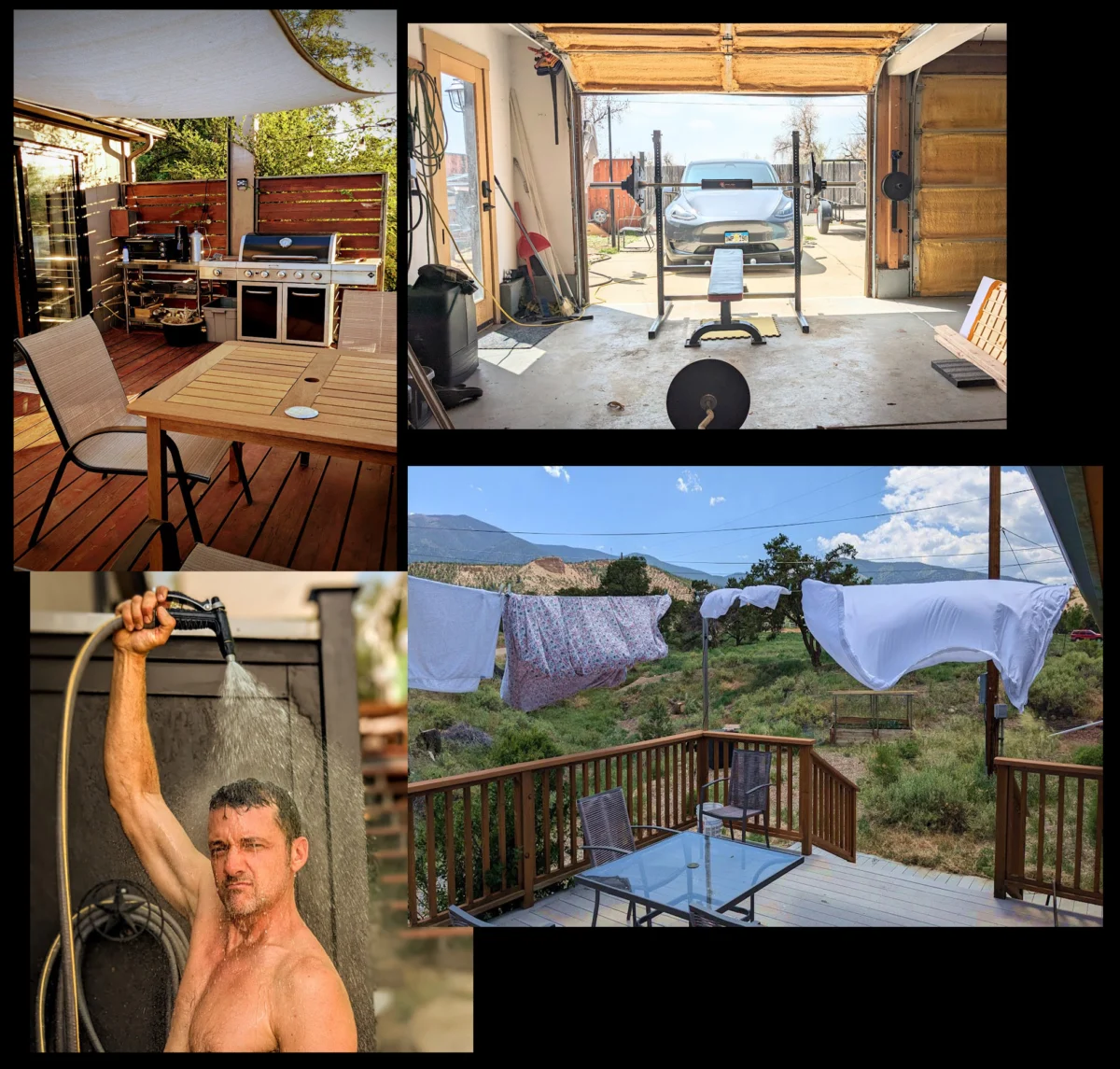
Peter Adeney, widely known by his pseudonym Mr. Money Mustache, has publicly addressed recent criticisms suggesting his accumulated wealth has disconnected him from the financial struggles of the average individual and that he no longer adheres to the money-saving practices he advocates. In a recent article, Adeney, a prominent figure in the Financial Independence, Retire Early (FIRE) movement, countered these assertions by detailing how core Mustachian principles remain integral to his daily life, not as sacrifices, but as sources of personal enjoyment and sustained financial well-being. This response comes as his blog, which has influenced millions globally, enters its second decade, prompting reflections on the long-term applicability of his philosophy.
The Genesis and Evolution of Mustachianism
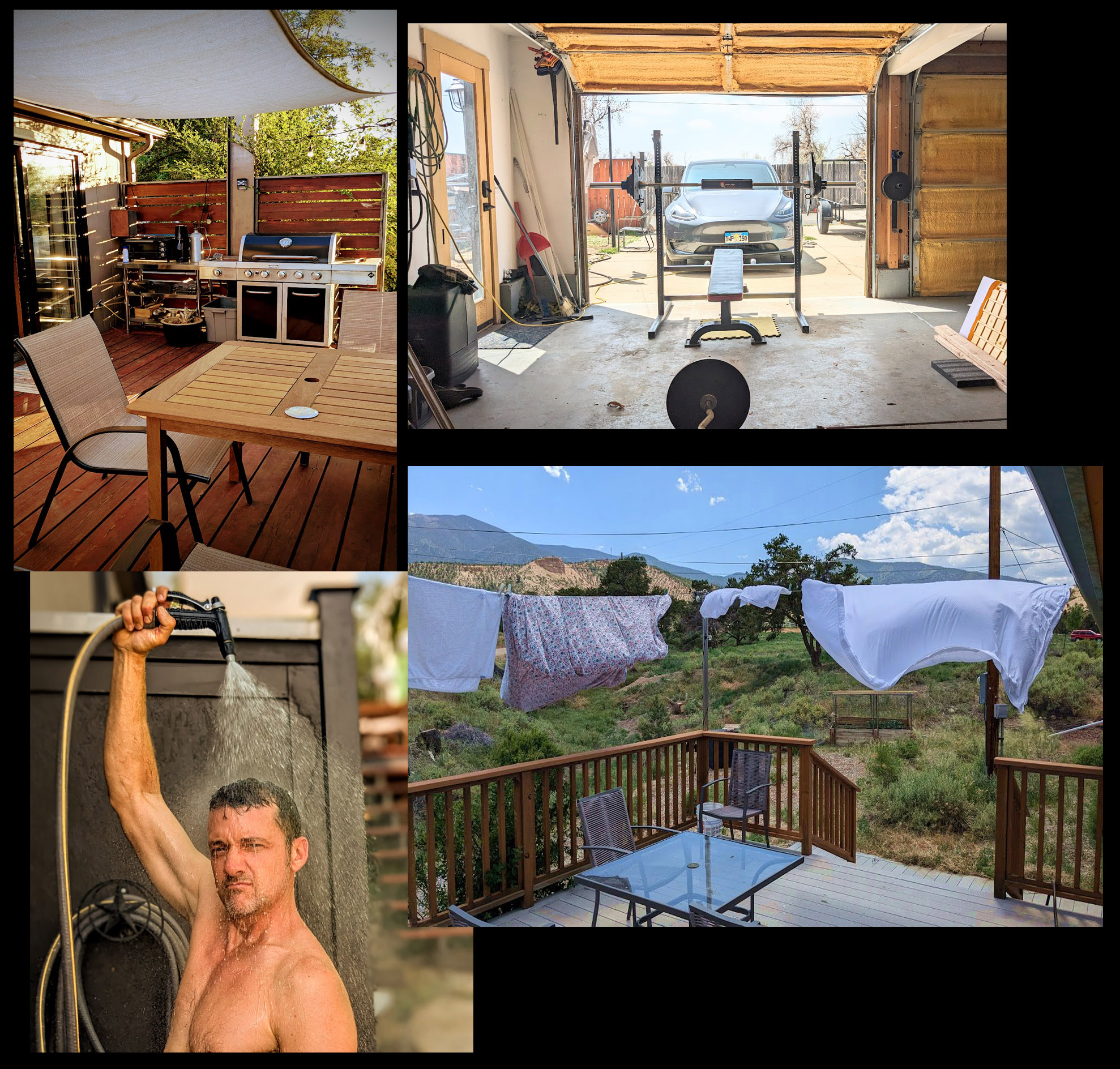
Mr. Money Mustache gained widespread recognition in the early 2010s for his blog, which documented his journey to early retirement at age 30 through aggressive savings, minimalist living, and a philosophy that prioritizes efficiency and self-reliance over consumerism. His teachings resonated with a growing segment of the population seeking alternatives to the traditional 40-year career path, sparking a cultural phenomenon known as the FIRE movement. The core tenet, "Mustachianism," posits that by dramatically reducing unnecessary expenses and investing the difference, individuals can achieve financial independence far sooner than conventionally believed.
Over the past twelve years, Adeney’s own financial success has mirrored that of many of his dedicated followers, or "Mustachians," whose wealth levels have consistently grown. However, this success has also drawn criticism from some who argue that his current affluent status makes his advice less relatable or even disingenuous. The sentiment, often encapsulated in phrases like, "He’s too rich and fancy to understand the common person’s plight," suggests a perceived disconnect between the guru’s current reality and the challenges faced by those still striving for financial freedom.
Challenging the Narrative: Frugality as a Lifestyle Choice
Adeney directly confronts these criticisms, asserting that while personal life details shared online are prone to misinterpretation, a closer look at his actual daily routines and those of his community would dispel such "conspiracy theories." He argues that the fundamental aspects of his lifestyle, which led to his initial financial independence, have largely remained unchanged. The key, he emphasizes, is not simply cutting expenses, but cultivating a deep-seated appreciation for efficiency, creativity, self-awareness, and continuous self-improvement. This approach, he explains, enhances overall quality of life while simultaneously reducing monthly expenditures.
He contrasts this "Mustachianism" with what he terms "Standard Advice," which often focuses solely on achieving a specific savings percentage through sacrifice, with any surplus income simply enabling more consumption. In contrast, the Mustachian philosophy aims to intrinsically improve one’s life in ways that naturally lead to lower costs, transforming frugal habits from burdens into sources of satisfaction.
To illustrate this point, Adeney outlines six specific practices he continues to embrace, demonstrating how they blend enjoyment with significant financial savings. He frames these savings in terms of decades, utilizing a "rule of 172" – multiplying a monthly expense by 172 to estimate its compounded value over ten years if invested – to underscore the long-term impact of seemingly small decisions.
Practical Pillars of Enduring Frugality
-
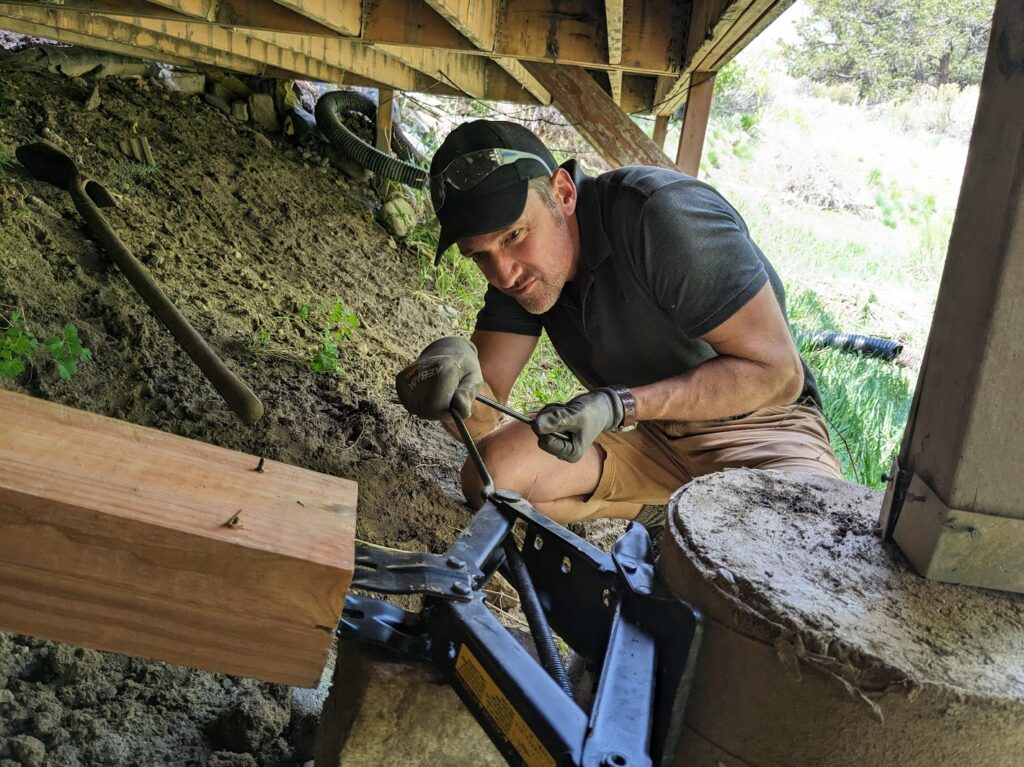
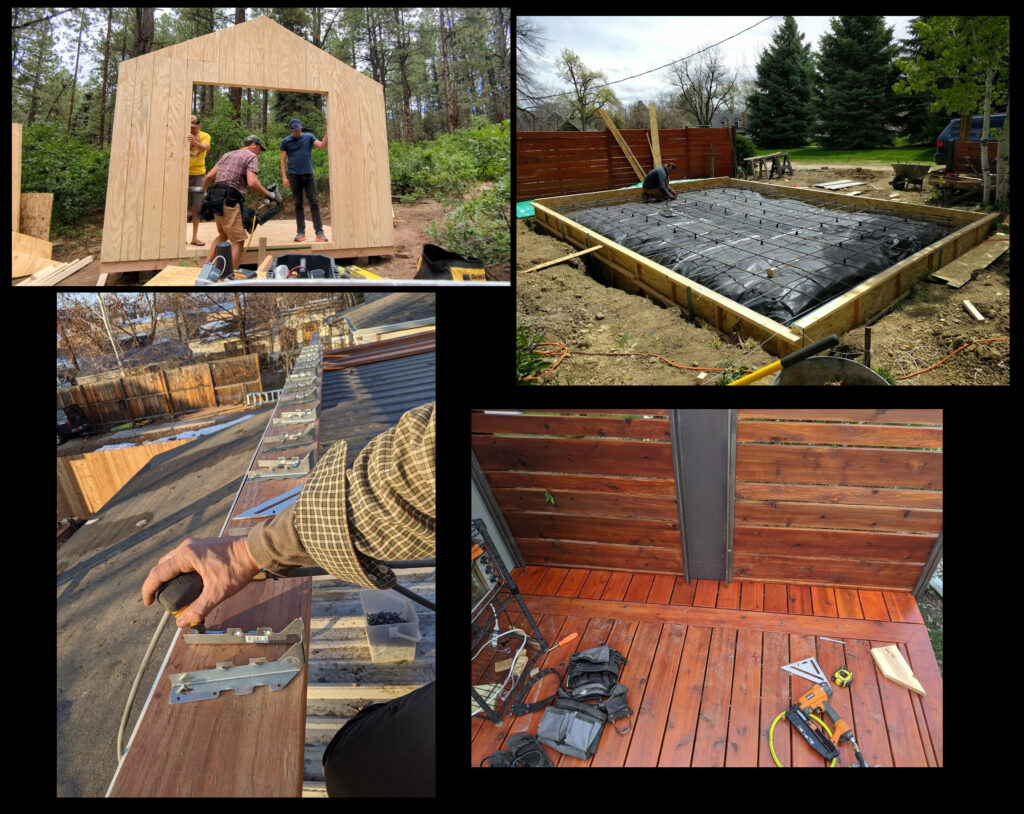
Self-Sufficiency in Home Maintenance: Adeney champions self-sufficiency, particularly in home repair and renovation. His personal passion for redesigning and improving living spaces translates into substantial savings. While the average American homeowner spends between 1% and 4% of their home’s value annually on maintenance, often ranging from $1,000 to $5,000 for routine upkeep and significantly more for major renovations, Adeney estimates his DIY approach saves him an average of $20,000 per year. This dedication to hands-on work, extending to helping friends and teaching others, results in an estimated $287,000 saved per decade when compounded. This practice not only eliminates professional labor costs but also fosters a sense of accomplishment and reduces reliance on external services, embodying the "producer over consumer" mindset.
-
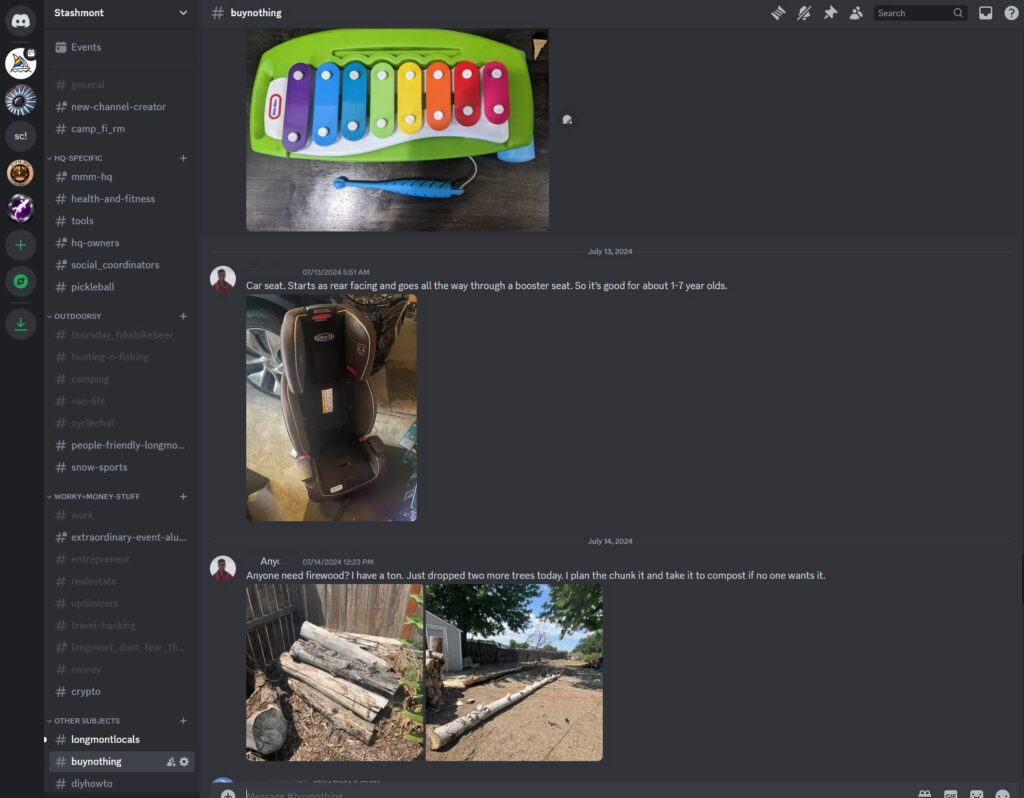
Leveraging Community and Second-Hand Markets: The article highlights the economic and social benefits of engaging with platforms like Craigslist, Facebook Marketplace, and local "Buy Nothing" groups. While many affluent individuals might opt for convenience and new purchases, Adeney emphasizes the joy and community-building aspect of sharing, repurposing, and acquiring high-quality used items. In his local MMM-HQ community, a Discord server facilitates constant exchanges, helping members with DIY projects and facilitating the free or low-cost transfer of goods. This approach not only saves money by avoiding retail prices but also fosters stronger local ties. For an average household, consistently buying second-hand and participating in sharing economies can reduce spending on furniture, electronics, and other goods by hundreds to thousands annually. Adeney estimates his personal savings from this habit at approximately $42,000 per decade.
-
Prioritizing Bikes Over Cars: A cornerstone of the Mr. Money Mustache philosophy, active transportation remains a key practice. Adeney reiterates the significant cost differential between car ownership and cycling. According to AAA, the average annual cost of owning and operating a new vehicle in the U.S. in 2023 was over $12,000, or approximately 75 cents per mile. Bikes, with minimal depreciation and maintenance, offer a stark contrast. Despite his ability to afford multiple vehicles, Adeney continues to use bikes or walk for at least 95% of his local trips, covering around 2,000 miles annually. This habit, even for relatively short distances, yields an estimated $14,000 in savings per decade by avoiding fuel, insurance, maintenance, and depreciation costs associated with car usage.
-
Embracing "Muscle Over Motor" for Health and Savings: Beyond transportation, Adeney extends the principle of physical activity to everyday tasks. He consistently chooses stairs over elevators, runs golf courses instead of using carts, moves his own furniture, and opts for manual labor like shoveling snow and raking leaves over motorized alternatives. This "use it or lose it" approach to physical health is presented as a conscious decision for increased fitness and energy. While difficult to quantify precisely, the financial benefits are substantial. U.S. national health expenditure averaged over $13,000 per person annually in 2022. By maintaining excellent health and avoiding illness and medication costs, Adeney conservatively estimates a saving of $10,000 per year, leading to an estimated $140,000 per decade. This highlights the often-overlooked financial dividend of a physically active lifestyle, reducing long-term healthcare burdens and enhancing productivity.
-
Energy Efficiency as a "Glamping Retreat": This point delves into what Adeney humorously calls his "Energy Efficiency Playground." He describes running his home akin to a "glamping retreat," driven by a blend of engineering, carpentry, and a "mad scientist" approach to improving his living space. This involves significant projects like installing passive solar windows and smaller daily habits such as line-drying laundry, using outdoor clotheslines for a portion of the year, taking shorter, cooler showers, and leveraging natural ventilation. While the average combined gas and electric bill in his area is about $250 per month, his personal usage amounts to roughly $75, resulting in a monthly saving of $175. Over a decade, this translates to approximately $30,000 in compounded savings. More than just the financial gain, Adeney emphasizes the enjoyment derived from these experiments and living in harmony with the seasons, transforming energy conservation into a fulfilling hobby.

-
Local Living Over Constant Travel: In an era where extensive travel is often equated with a fulfilling life, Adeney advocates for a balanced approach, prioritizing local living and discerning travel choices. He notes the common phenomenon of friends constantly traveling, often wishing they had more time at home. By consciously saying "no thanks" to excessive travel plans and "yes please" to local engagements, he highlights numerous benefits: reduced travel expenses, deeper engagement with local community, more time for personal projects and hobbies, better sleep, and fewer logistical headaches. While travel undoubtedly broadens horizons, Adeney suggests that replacing just two weeks of family travel with quality time at home could save approximately $5,000 annually in direct costs, plus another $5,000 in incidental benefits like enhanced health and local friendships. This conservative estimate results in a striking $143,000 per decade in wealth accumulation. The emphasis here is on intentionality – choosing enriching experiences while recognizing the inherent value and health benefits of home life.
Cumulative Impact and Broader Implications
Taken collectively, the six practices detailed by Mr. Money Mustache represent an estimated compounded saving of $656,000 every decade. This figure is particularly striking when juxtaposed against the median wealth of many American seniors, which often falls significantly short of this amount even after four decades of work. Adeney emphasizes that these recent wealth increases are directly attributable to these simple, enjoyable habits, which he and other Mustachians have practiced consistently throughout their financial journeys, both before and after achieving early retirement.

The article serves as a powerful reaffirmation of the core tenets of Mustachianism: that true financial independence and an enriched life are not solely about accumulating vast sums of money, but about cultivating a mindset of efficiency, resourcefulness, and intentional living. It suggests that even minor adjustments to lifestyle, focused on reducing unnecessary consumption and embracing self-reliance, can lead to profound long-term financial and personal benefits.
The ongoing discourse surrounding Mr. Money Mustache’s wealth and practices underscores a broader societal conversation about consumerism, financial freedom, and the definition of a "good life." As the FIRE movement continues to gain traction, Adeney’s consistent message — that a fulfilling life can be both less expensive and more enjoyable — remains a compelling counter-narrative to conventional spending patterns, demonstrating that wealth, rather than dictating a luxurious lifestyle, can simply reinforce the freedom to live authentically and efficiently.

