
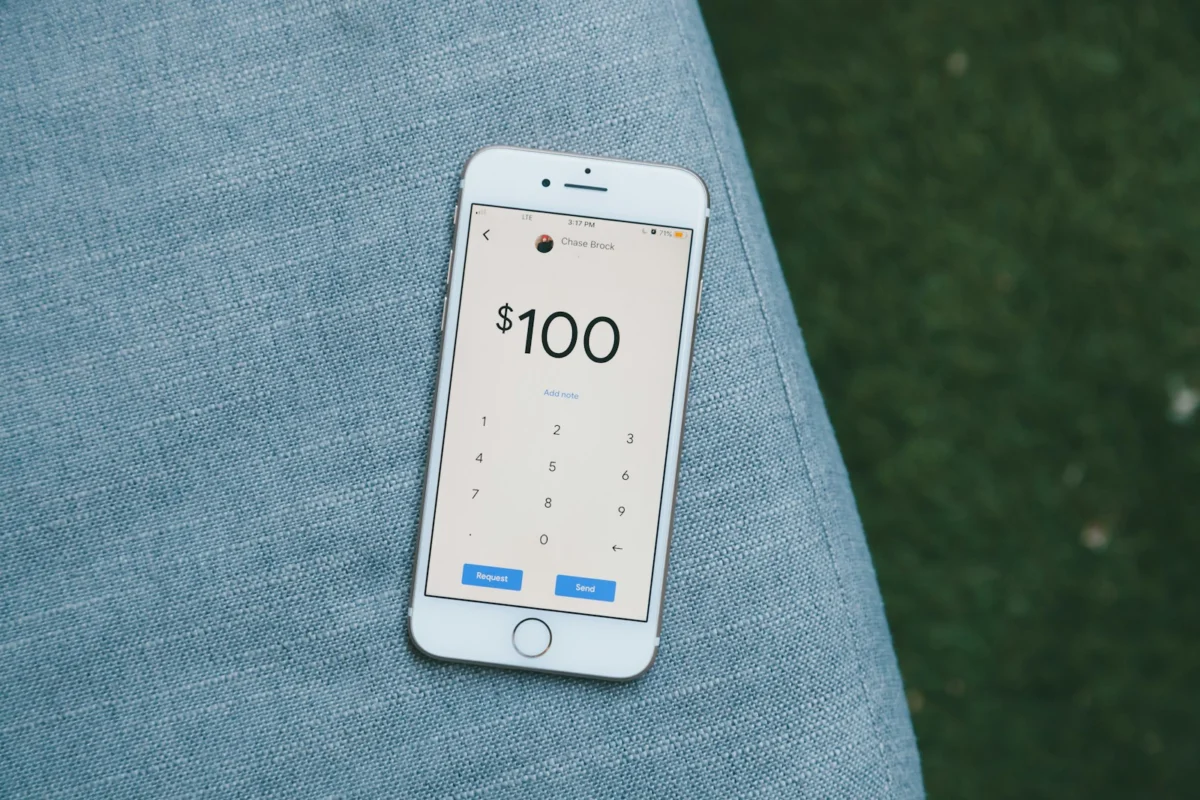
In an increasingly digitized economy, where transactions are often frictionless and instantaneous, the traditional understanding of personal finance is undergoing a profound transformation. Most purchases, from the daily coffee on the commute to recurring streaming service renewals and impulse online orders, occur in mere seconds. Individually, these expenses may appear negligible, but collectively, they possess the power to subtly yet significantly reshape a monthly budget, often without the consumer’s immediate awareness. This phenomenon frequently leads individuals to a retrospective realization of their spending habits only after a meticulous review of end-of-month bank statements, by which time the opportunity for timely financial adjustments has long passed. Money tracker applications have emerged as a pivotal solution to this challenge, offering a real-time, consolidated view of financial activity accessible from virtually any location, thereby empowering users to maintain continuous oversight of their monetary flows.
The Pervasive Challenge of Unseen Spending
Financial instability and budgetary strain are not always direct consequences of singular, large-ticket purchases. More frequently, they stem from an accumulation of dozens, if not hundreds, of small transactions that gradually accrue over weeks and months. Consider an individual who regularly makes minor expenditures — a snack here, a digital download there, a small subscription — without much conscious attention. Over a relatively short period, these seemingly insignificant purchases can coalesce into a substantial sum, often far exceeding initial expectations. A daily money tracker application is specifically designed to illuminate these spending patterns, making them transparent and easier to recognize before they escalate into significant financial impediments. This heightened awareness is not merely about identifying problems; it fundamentally creates opportunities for more informed and strategic financial decision-making, shifting the paradigm from reactive damage control to proactive management.
According to a 2023 survey by Statista, approximately 60% of consumers admit to making impulse purchases at least occasionally, with 20% doing so frequently. Such micro-spending, while seemingly harmless, contributes significantly to budget overruns. Furthermore, a report by Fidelity Investments indicated that nearly 70% of Americans struggle with financial planning, often citing a lack of clarity regarding their daily spending as a primary obstacle. This data underscores the critical need for tools that demystify personal finance and bring clarity to everyday transactions.
Evolution of Personal Finance Management: From Ledgers to Algorithms
The concept of tracking personal finances is by no means new. For centuries, individuals and households have employed various methods, from simple handwritten ledgers and cash-based envelope systems to more sophisticated spreadsheet programs in the early digital age. The advent of personal computers in the 1980s saw the rise of desktop software like Quicken and Microsoft Money, which offered rudimentary digital record-keeping. However, these tools were often cumbersome, required manual data entry, and lacked real-time integration.
The true revolution began with the widespread adoption of the internet and, more critically, smartphones in the 21st century. This era ushered in a new wave of financial technology, or "fintech," characterized by mobile accessibility, cloud computing, and advanced data analytics. Companies like Mint.com pioneered web-based financial aggregation, setting the stage for the explosion of mobile-first money tracker applications that we see today. This chronological shift reflects a continuous drive towards greater convenience, automation, and real-time insight, moving personal finance from a tedious monthly chore to an integrated aspect of daily life. The global market for personal finance software was valued at over $1.2 billion in 2022 and is projected to grow at a compound annual growth rate (CAGR) of over 15% through 2030, driven largely by the increasing demand for mobile-first solutions.
Defining the Modern Money Tracker Application
As personal finance tools gain ubiquitous popularity, users increasingly seek streamlined, intuitive methods to monitor their spending and organize their financial data. A money tracking application is, at its core, a sophisticated digital instrument engineered to record, categorize, organize, and analyze an individual’s spending activity. Unlike the laborious process of manually reviewing dozens of paper receipts or logging into multiple bank and credit card accounts, these applications consolidate diverse financial information into a single, cohesive interface.
The fundamental value proposition of a money tracker app lies in its ability to transform disparate, often fragmented, transactions into a lucid and actionable picture of where money is allocated throughout the month. This enhanced visibility is a game-changer, making traditional budgeting and future financial planning not just significantly easier, but also far more effective and less prone to oversight. By providing a holistic view, these apps empower users to identify financial strengths, weaknesses, and opportunities for optimization.
Demystifying Spending Habits: The Power of Data-Driven Revelation
A common misconception among many individuals is that they possess a clear and accurate understanding of their own spending habits. However, this perception often diverges sharply from reality once actual transaction data is meticulously reviewed. This is precisely where money tracker apps prove invaluable, acting as objective financial mirrors.
Consider the common patterns that emerge: frequent restaurant visits, a proliferation of recurring subscriptions (often forgotten after the initial sign-up), escalating transportation costs, and the pervasive impact of impulse purchases. These categories frequently consume a far larger portion of a household budget than initially estimated. A robust money tracker app excels at highlighting these often-hidden trends, allowing users to understand precisely which spending categories demand closer scrutiny and potential adjustment. For instance, an app might reveal that "dining out" accounts for 25% of discretionary income, or that a user has five active streaming subscriptions, only two of which are regularly utilized. These small, data-driven insights are the catalyst for meaningful and sustainable financial improvements, fostering a sense of control rather than restriction.
Maximizing Effectiveness: Strategic Engagement with Your Financial Tracker
The utility of a money tracker app is directly proportional to the user’s engagement with it. The most successful users do not merely download the application; they integrate it into their routine. This involves two critical habits: regular information updates and consistent review of spending categories. Instead of relegating financial checks to a single, often rushed, end-of-month session, proactive users cultivate a habit of monitoring their financial activity throughout the week.
This consistent engagement serves several key purposes. Firstly, it allows for the early identification of potential budgetary issues or overspending trends, enabling corrective action before these issues grow large enough to derail broader financial goals. Secondly, it reinforces financial awareness, embedding it as a regular part of daily life rather than an isolated, occasional task. By making finance a continuous conversation rather than a periodic audit, individuals can adapt more quickly to changing financial circumstances and maintain better control.
Automated vs. Manual Tracking: Tailoring the Approach to Individual Needs
The landscape of personal finance is diverse, and individuals manage their money in profoundly different ways. Recognizing this, money tracker applications often offer flexibility in how transactions are recorded and managed, primarily through a choice between automated and manual tracking.
An expense tracker app equipped with bank synchronization capabilities can automatically connect to a user’s bank accounts, credit cards, and even investment portfolios. This integration allows the app to automatically collect transaction data, categorize spending using intelligent algorithms, and provide real-time updates. The primary advantages of this approach are significant time savings and a drastic reduction in the likelihood of missing important expenses. For busy professionals or those who prefer minimal manual input, automated tracking offers unparalleled convenience and accuracy. The technology typically relies on secure API (Application Programming Interface) connections, often employing industry-standard encryption and authentication protocols, to ensure data transfer is both efficient and safe.
Conversely, an expense tracker app without direct bank account linking functionality may appeal to users who prioritize greater privacy, have unique financial setups (e.g., extensive cash transactions), or simply prefer meticulous manual control over every financial record. This approach requires users to manually input each transaction, categorize it, and reconcile their accounts. While more time-consuming, it offers a heightened sense of security for those wary of sharing financial credentials and provides an intimate, tactile engagement with every penny spent. The choice between these two methods ultimately hinges on individual preferences, comfort levels with data sharing, and the specific nuances of one’s financial habits.
Beyond Basic Record-Keeping: Essential Features of Modern Expense Tracker Solutions
Modern financial tools have evolved far beyond simple transaction lists. The most effective and useful platforms seamlessly combine convenience with deeply meaningful financial insights, transforming raw data into actionable intelligence.
Common features now standard in leading expense tracker app solutions include:
- Intelligent Spending Categories: Pre-defined and customizable categories (e.g., groceries, utilities, entertainment) allow for granular analysis of where money is directed. Many apps use AI to automatically categorize transactions, learning from user adjustments.
- Robust Budgeting Tools: Users can set spending limits for various categories, track progress against these limits, and receive alerts when approaching or exceeding them. Some apps incorporate "envelope" budgeting systems or zero-based budgeting principles.
- Recurring Payment Monitoring: Automatic identification and tracking of subscriptions, loan payments, and other recurring bills prevent missed payments and highlight opportunities to cancel unused services.
- Savings Tracking and Goal Setting: Users can establish specific financial goals (e.g., down payment for a house, retirement fund, vacation savings) and track their progress towards these objectives, often with visual indicators and motivational nudges.
- Visual Reports and Analytics: Sophisticated graphs, charts, and trend analyses provide a clear, digestible overview of financial health, allowing users to visualize spending patterns over time, identify peak spending periods, and compare current habits to historical data.
- Net Worth Tracking: Advanced apps consolidate assets (bank accounts, investments, real estate) and liabilities (loans, mortgages) to provide a real-time snapshot of overall financial net worth.
- Bill Reminders and Alerts: Notifications for upcoming bills, low account balances, or unusual spending patterns help users stay ahead of their finances.
These integrated features collectively empower users to move beyond basic record-keeping, transforming their financial information into an easily understandable and actionable narrative.
The Imperative of Security: Is Your Money Tracker App Safe?
The question of security is paramount when entrusting sensitive financial data to any digital platform. The safety of a money tracker app is not universal; it fundamentally depends on the provider and the robustness of the security measures implemented within the platform. Reputable financial applications prioritize user data protection and typically employ a multi-layered security architecture.
Key security measures often include:
- Bank-Level Encryption: Data transmitted between the user’s device and the app’s servers, as well as data stored on the servers, is typically secured with advanced encryption protocols (e.g., 256-bit AES, similar to those used by major financial institutions).
- Multi-Factor Authentication (MFA): Requiring more than one method of verification (e.g., password plus a code sent to a mobile device) adds a critical layer of security against unauthorized access.
- Read-Only Access: When linking bank accounts, most legitimate money tracker apps only request "read-only" access to transaction data. This means they can view balances and transactions but cannot initiate transfers or payments from the user’s accounts.
- Regular Security Audits: Reputable providers routinely undergo independent security audits and penetration testing to identify and rectify vulnerabilities.
- Compliance with Data Protection Regulations: Adherence to international and regional data privacy laws such as GDPR (General Data Protection Regulation) in Europe or CCPA (California Consumer Privacy Act) in the US, demonstrates a commitment to user data rights.
Financial experts and consumer advocacy groups consistently emphasize that evaluating the security practices and privacy policies should always be an integral part of the decision-making process when selecting any financial tool. A thorough review of a company’s privacy policy and terms of service can provide crucial insights into how data is handled, stored, and protected.
Monitoring Expenses Anywhere: The Power of Accessibility
One of the most significant advantages conferred by modern financial technology is unparalleled accessibility. The era of financial information being confined to spreadsheets on a desktop computer is largely over. Whether an individual is traveling internationally, engaging in retail shopping, or meticulously planning a budget from the comfort of their home, a mobile money tracker app provides immediate, relevant access to financial data. This pervasive flexibility is crucial, supporting more agile and informed financial decision-making in the myriad scenarios of everyday life.
This ubiquitous access transforms financial awareness from an occasional, burdensome task into an integrated, seamless component of daily living. Users can check their budget before making an impulse purchase, track a payment immediately after a transaction, or review their savings goals during a lunch break. This integration fosters a continuous loop of awareness and adjustment, making financial management less of a chore and more of an intuitive process.
PocketGuard: An Illustrative Example of Expense Tracking Innovation
Platforms like PocketGuard exemplify the design philosophy aimed at helping users organize financial information and monitor spending activity more effectively. Such applications typically provide tools that simplify the understanding of income streams, illuminate spending patterns through clear categorization, and highlight budgeting opportunities in a structured and digestible manner. The underlying goal is to make day-to-day money management not only easier but also significantly more transparent.
The true value of technology, particularly in the realm of personal finance, is realized when it simplifies complex processes rather than introducing additional layers of complication. Applications like PocketGuard aim to distill complex financial data into clear, actionable insights, thereby empowering users without overwhelming them. By aggregating data, visualizing trends, and offering proactive alerts, these platforms stand as testament to how digital tools can genuinely enhance financial well-being.
Cultivating Personal Financial Oversight: A Methodical Approach
The journey towards effective personal financial management begins with a foundational understanding of one’s income sources and a consistent, disciplined approach to recording expenses. Regardless of the chosen methodology — be it traditional spreadsheets, simple notebooks, or a sophisticated money spending tracker app — the ultimate objective remains constant: to establish clear visibility into all financial activity. Once these spending patterns become unambiguously clear, the path to making informed, confident financial decisions becomes significantly less arduous and more intuitive. This proactive approach allows individuals to identify areas of overspending, allocate funds more strategically, and align their daily financial choices with their long-term aspirations.
Final Reflections on Financial Empowerment
Expense tracking, at its core, is not an exercise in draconian restriction of every purchase. Rather, it is an empowering practice centered on gaining a profound understanding of where one’s money flows and, crucially, making financial decisions with clarity and confidence. A well-designed money tracker app provides the essential visibility needed to recognize nuanced spending patterns, robustly support budgeting efforts, and maintain an elevated state of financial awareness, irrespective of geographical location or time of day.
The sooner individuals cultivate a deep understanding of their financial habits, the more readily they can align their spending with their personal goals, whether those goals involve debt reduction, wealth accumulation, or simply achieving greater financial peace of mind. As the digital age continues to reshape our interactions with money, the question for many remains: What methods are you currently employing to monitor your expenses, and have you discovered a tracking system that effectively helps you stay organized and firmly in control of your financial destiny? The tools are readily available; the empowerment lies in their adoption and consistent application.

