
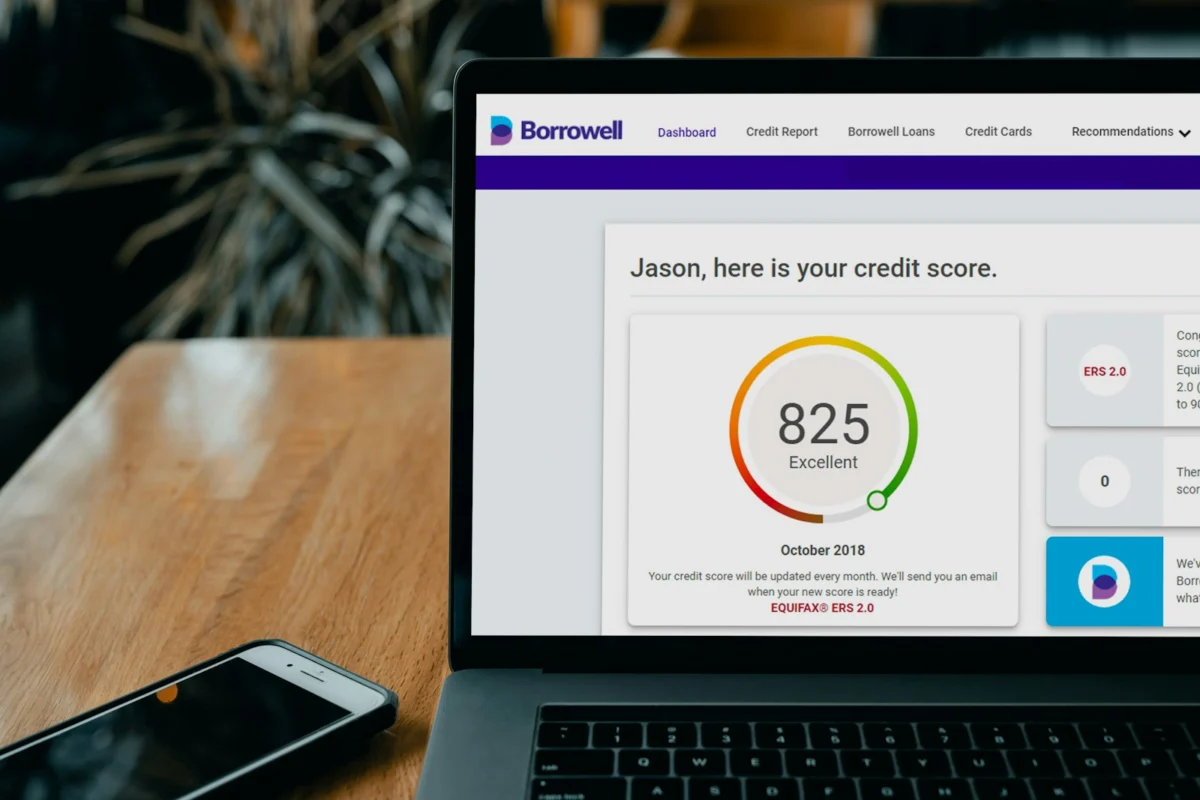
Whether one prefers the tangibility of cash or actively seeks every available store and airline credit card, the elusive three-digit credit score invariably casts a long shadow over an individual’s financial life. This numerical summary provides a concise yet comprehensive snapshot of one’s money management prowess, serving as a critical determinant for entities considering extending loans, approving rental applications, or offering lines of credit. A favorable score can unlock aspirations like homeownership and yield substantial savings in interest payments over a lifetime, while a poor one can erect significant barriers. This ubiquitous metric thus prompts a fundamental inquiry: at what point does a credit score transition from merely acceptable to genuinely "good"?
In the realm of most prevailing credit scoring models, a score surpassing 670 is generally categorized as "good." However, this broad classification often masks a more nuanced spectrum. Officially, the "good" bracket typically encompasses scores between 670 and 739, with scores of 740 and above ascending into the "very good" or "excellent" echelons. A standardized breakdown, commonly referenced by major credit bureaus, delineates these categories as follows:
| Credit Score Category | Credit Score Range |
|---|---|
| Very Poor | 300 to 579 |
| Fair | 580 to 669 |
| Good | 670 to 739 |
| Very Good | 740 to 799 |
| Exceptional/Excellent | 800 to 850 |
It is crucial to recognize that pinpointing a definitive "good" score can be complex, primarily due to the existence of multiple credit scoring models and the varying interpretations applied by lenders. Each model employs distinct algorithms, and each lender possesses a unique risk appetite, influencing their approval criteria.
The Genesis and Evolution of Credit Scoring Models
The concept of evaluating an individual’s creditworthiness predates formalized scoring models, often relying on subjective assessments of character, reputation, and local knowledge. However, the post-World War II economic boom and the subsequent expansion of consumer credit necessitated a more standardized, objective, and scalable method for risk assessment. This demand paved the way for the advent of modern credit scoring.
Contrary to popular belief, an individual does not possess a singular "credit score." Instead, they maintain a comprehensive credit history, meticulously compiled by credit bureaus, which then serves as the raw data for various companies to calculate different credit scores using proprietary mathematical formulas. These credit scoring models are distinct from credit bureaus. The three dominant credit bureaus – Experian, Equifax, and TransUnion – are the repositories that collect and maintain an individual’s credit history. Scoring models, in turn, process this data, assigning different weights to various pieces of information to produce a numerical representation of creditworthiness.
A Timeline of Dominant Credit Scoring Systems:
FICO Score: The Industry Standard
The oldest and arguably most influential credit score, the FICO score, was pioneered by the Fair Isaac Corporation. Launched in 1958, it gradually became the benchmark for general lending decisions, solidifying its position as the go-to score for approximately 90% of lenders and creditors by the late 1980s. Its widespread adoption stems from its proven predictive power in assessing the likelihood of a borrower defaulting on financial obligations.
FICO scores are calculated based on five primary categories, each contributing a specific percentage to the overall score:
- Payment History (35%): The most critical factor, reflecting whether bills are paid on time.
- Amounts Owed (30%): Encompasses the total debt and, crucially, the credit utilization ratio (how much credit is used versus how much is available). Lower utilization is better.
- Length of Credit History (15%): The longer the history of responsible credit use, the better.
- New Credit (10%): Recent applications for credit and newly opened accounts. Too many in a short period can signal higher risk.
- Credit Mix (10%): A healthy blend of different types of credit (e.g., revolving credit like credit cards and installment loans like mortgages or auto loans) demonstrates diverse financial management capability.
For FICO, a score of 670 to 739 is considered "good." Scores ranging from 740 to 799 are classified as "very good," while an "exceptional" FICO score begins at 800 and extends to the maximum of 850. Many banks offer free FICO score access to their customers, or individuals can obtain it, often alongside credit monitoring services, directly from myFICO.
VantageScore: The Competitor’s Ascent
Recognizing FICO’s dominance, the three major credit bureaus – Experian, Equifax, and TransUnion – collaboratively developed VantageScore in 2006 as an alternative. Initially, VantageScore utilized a different scoring range than FICO, causing some confusion in the market. However, with the release of VantageScore 3.0 in 2013, it harmonized its range to the familiar 300 to 850 scale, aligning with FICO.
The current iteration, VantageScore 4.0, maintains this range while introducing key methodological distinctions from FICO. Notably, it places less weight on medical debt, acknowledging its often unexpected nature, and analyzes credit utilization as a trend over time rather than a mere snapshot. This "trended data" approach aims to provide a more holistic view of a consumer’s financial habits. Services like Credit Karma commonly provide users with their VantageScore, offering a valuable, often free, means for consumers to track their credit progress, even if lenders predominantly use FICO.

According to Experian’s interpretation, a "good" VantageScore falls between 661 and 780. A score of 601 to 660 is deemed "fair," and scores from 781 to 850 are considered "excellent."
Industry-Specific Models
While FICO and VantageScore dominate general consumer lending, certain industries historically developed their own specialized scoring models. These models, sometimes employing different score ranges (e.g., 250 to 900) and weighting criteria unique to their sector, were prevalent in areas like mortgages and auto lending. However, since the late 1980s, a significant shift has occurred, with most industries, with the notable exception of insurance, largely adopting the FICO score for consistency and efficiency. When applying for credit with a specialized lender, it is prudent to inquire about the specific scoring model they utilize to ensure accurate interpretation of one’s score.
Lender Perspectives: What Constitutes a "Good" Score for Approval?
Ultimately, the utility of a credit score lies in its interpretation by lenders. Regardless of the model employed, financial institutions seek assurance that a borrower can and will repay borrowed funds promptly. Given FICO’s prevalence, most lenders typically look for a score of 670 or higher.
However, lending standards are not monolithic. Some lenders specialize in subprime markets, catering to individuals with lower credit scores, sometimes as low as 620, though often at higher interest rates to offset increased risk. Conversely, institutions offering premium credit products, extensive credit lines, or highly competitive interest rates will often target borrowers with excellent credit, typically above 740.
Scores below 620 are widely considered subprime by most private lenders, making it challenging to secure unsecured credit or traditional loans. Nevertheless, government-backed loan programs, such as FHA (Federal Housing Administration) mortgage loans or USDA (United States Department of Agriculture) loans, are designed to broaden access to homeownership and may approve borrowers with credit scores as low as 580, reflecting a public policy objective to support specific segments of the population.
Informed financial planning necessitates understanding one’s current credit standing. Consistent credit score tracking, available through various financial services, empowers individuals to assess their position before applying for new credit and to strategically improve their score if necessary.
The Profound Financial Ramifications of a Good Credit Score
A robust credit score is far more than a mere number; it serves as a critical barometer of financial health, offering a swift, albeit imperfect, gauge of an individual’s capacity to manage monetary obligations. Its influence permeates various facets of the financial journey:
Mortgages and Loans: The Gateway to Major Investments
When applying for significant financing such as a mortgage, auto loan, or personal loan, lenders meticulously scrutinize credit scores to determine both the eligibility for the loan and, crucially, the interest rate and loan amount offered. A superior credit score almost invariably translates into more favorable borrowing terms. The difference of even a few percentage points in an interest rate can accumulate into tens of thousands of dollars in savings over the lifespan of a large loan, particularly a 30-year mortgage. For example, a borrower with a 760 FICO score might secure a 6.5% interest rate on a $300,000 mortgage, paying approximately $2,000 per month. A borrower with a 650 FICO score might be offered a 7.5% rate on the same loan, resulting in monthly payments closer to $2,100, totaling over $36,000 more in interest over the loan’s term.
Credit Cards: Access to Flexibility and Rewards
Qualifying for desirable credit cards, especially those offering lucrative rewards programs, low Annual Percentage Rates (APRs), or substantial credit limits, typically requires at least a good credit score. As with other loans, a higher score generally leads to a lower interest rate. Credit card APRs can fluctuate wildly, often by 10% to 20% or more. A lower APR provides a crucial safety net, mitigating the financial burden if an individual occasionally carries a balance.
Bank Accounts: Soft Checks and Account History

While less directly impacted by the three-digit score itself, banks may perform a "soft" credit check when individuals apply for new accounts. This is primarily to review payment history, not necessarily to assess the credit score for lending purposes. More commonly, banks leverage services like ChexSystems, which tracks bank account activity, to identify patterns of account overdrawing or fraud, rather than relying on traditional credit scores.
Renting a Home: A Landlord’s Assurance
The rental market has increasingly adopted credit checks as a standard practice. Property management companies and landlords often run soft credit inquiries to evaluate a prospective tenant’s payment history. While they may not fixate on the specific numerical score, a low score, indicative of past payment issues, can be a significant red flag, potentially hindering approval for desirable rental properties.
Credit-Based Insurance Scores: An Unseen Factor
In many states, insurance companies utilize "credit-based insurance scores" to help determine premiums for auto and home insurance. While distinct from FICO or VantageScore, these scores are derived from information in credit reports and can influence the cost of coverage, highlighting another subtle way credit history impacts daily finances.
Strategies for Cultivating a Strong Credit Score
The encouraging reality is that an individual possesses considerable agency in shaping their credit score, regardless of its current standing. Credit scores are fundamentally a reflection of financial behavior; consequently, strategic adjustments to these behaviors can yield substantial improvements. The weighting of factors may vary slightly between scoring models, but the core components remain consistent, generally in descending order of importance: payment history, amounts owed (credit utilization), length of credit history, new credit, and credit mix.
Based on these foundational elements, the following actionable steps are instrumental in building or enhancing a credit score:
-
Prioritize On-Time Payments: The bedrock of a healthy credit score is an impeccable payment history. Late or missed payments on existing loans or credit cards are glaring red flags for prospective lenders. Establishing automatic payments for all financial obligations is an effective strategy to ensure consistency. For those without traditional credit accounts, services like Experian Boost™ can link utility, phone, and cable bills to an Experian credit report, allowing these regular payments to contribute positively to credit history.
-
Maintain Low Credit Utilization: The proportion of credit used versus available credit (credit utilization ratio) is a critical factor. Ideally, this ratio should be kept below 30% across all revolving credit accounts, with 0% being optimal. A high utilization ratio suggests financial strain and increased risk. This ratio can be improved by either paying down existing balances or, strategically, by requesting a credit limit increase on an existing card or opening a new credit card, thereby expanding the total available credit.
-
Preserve Established Credit Accounts: The length of one’s credit history significantly impacts the score. Therefore, it is generally beneficial to keep older credit card accounts open, even if they are no longer actively used. This strategy contributes to a longer average age of accounts. The only exceptions are cards with annual fees that outweigh their benefits or if the temptation to overspend on an unused card is too great. In such cases, canceling the card after careful consideration might be warranted, but often, simply cutting up the physical card while keeping the account open is the better option.
-
Cultivate a Diverse Credit Mix: A credit history demonstrating responsible management of various types of credit (e.g., a credit card, a personal loan, and an installment loan like an auto loan) can positively influence the score. This diversity signals to lenders a broader capability in handling different financial products.
-
Strategically Space New Credit Applications: Each application for new credit results in a "hard inquiry" on the credit report, which can cause a small, temporary dip in the score. While unavoidable when seeking new credit, it is prudent to spread out applications rather than submitting several in quick succession. For instance, if planning a major purchase like a home, avoid applying for new credit cards or loans in the months leading up to a mortgage application to allow the score to recover. It’s worth noting that multiple inquiries for the same type of loan (e.g., several auto loan inquiries) within a short window (typically 14-45 days) are often grouped as a single inquiry by scoring models, recognizing "rate shopping" behavior.
-
Vigilantly Monitor Credit Scores and Reports: Regular monitoring of one’s credit score prevents unpleasant surprises and allows for proactive management. Services like Capital One’s CreditWise or free annual reports from AnnualCreditReport.com provide valuable insights. Timely detection of errors or fraudulent activity on a credit report is crucial, as these can be disputed and removed, preventing undue negative impact on the score.
-
Consider a Secured Credit Card: For individuals with no credit history or a poor one, a secured credit card offers an accessible pathway to building credit. These cards require a refundable security deposit, which typically serves as the credit limit, minimizing risk for the issuer. Consistent, responsible use of a secured card, characterized by on-time payments and low utilization, will be reported to credit bureaus, establishing a positive credit history.

-
Become an Authorized User: An expedient method to establish or bolster credit is to become an authorized user on another individual’s (e.g., a trusted family member’s) existing credit card account. The primary cardholder’s responsible credit usage, including payment history and utilization, will then be reflected on the authorized user’s credit report, often without the need for the authorized user to even use the card. It is paramount that the primary cardholder has an excellent payment history to ensure a positive impact.
-
Explore Credit Builder Loans: Specifically designed for those with limited or no credit history, credit builder loans function uniquely. Instead of receiving funds upfront, the "loan" amount (typically $500-$1,000) is held by the lender, often in a locked savings account. The borrower then makes regular, small payments over a set period (e.g., 12-24 months), with these payments reported to credit bureaus. Upon successful completion of the repayment term, the borrower receives the original loan amount, having simultaneously built a positive credit history.
Factors Unrelated to Your Credit Score
It is equally important to understand what does not influence a credit score. While a credit score aims to comprehensively assess financial risk, it intentionally excludes certain personal and financial attributes, often due to regulatory protections against discrimination or because they are not directly indicative of credit repayment behavior.
These factors do not affect your credit score:
- Income: While high income can make repayment easier, the score focuses on behavior, not capacity.
- Employment History: Job stability is not directly factored into the score.
- Age: Discrimination laws prevent age from being a direct factor.
- Marital Status: Personal relationships are irrelevant to creditworthiness.
- Race, Religion, Nationality, Sex: These are legally protected characteristics and are excluded.
- Public Assistance: Receiving government benefits does not impact the score.
- Child Support: Payment or receipt of child support is not a factor.
- Promotional/Self-Checks (Soft Inquiries): Checking your own score or promotional offers does not harm it.
- Medical Information: Health conditions or medical treatments are generally excluded.
- Assets: The value of personal assets (e.g., investments, property) not tied to a loan is not included.
- Rent Payments (Historically): While services like Experian Boost are changing this, traditional credit scoring models did not automatically include rent payments unless reported by specialized rent-reporting services.
Frequently Asked Questions (FAQ)
Q: What is considered a good credit score?
A: Generally, a good credit score falls between 670 and 739 under the FICO model, or 661 to 780 for VantageScore. Scores above these ranges are considered very good to exceptional, offering access to the best terms.
Q: What credit score do I need to buy a house?
A: Most conventional mortgage lenders typically seek a good credit score of 620 or higher. However, government-backed loans, such as FHA or USDA loans, are often available to borrowers with scores as low as 580, expanding access to homeownership.
Q: Is 700 a good credit score?
A: Yes, a 700 credit score is firmly within the "good" range for both major scoring models. This typically qualifies individuals for favorable interest rates on a wide array of loans and credit cards.
Q: How can I improve my credit score quickly?
A: The most rapid improvements often come from paying down credit card balances to reduce your credit utilization ratio (which accounts for 30% of your FICO score) and ensuring all existing bills are paid on time (accounting for 35% of your FICO score). These two factors collectively make up 65% of your score’s calculation.
Q: Does checking my own credit score lower it?
A: No. Checking your own credit score is classified as a "soft inquiry" and has no detrimental effect on your score. Only "hard inquiries," initiated by lenders when you apply for new credit, can cause a small, temporary dip.
Q: How long does it take to build a good credit score?
A: The timeline varies based on an individual’s starting point and consistency. However, many consumers can achieve a good credit score range within 12 to 18 months of diligent on-time payments, low credit utilization, and responsible credit management, particularly when starting from a "fair" credit score. Building credit from scratch may take slightly longer, requiring the establishment of a credit history.
Summary
In the intricate tapestry of modern finance, comprehending and actively managing one’s credit score stands as an indispensable pillar of financial health. A "good" credit score is not merely an arbitrary number but a powerful facilitator for pivotal life events, from securing a home to accessing advantageous loan terms. It serves as an efficient, albeit complex, guide in navigating personal financial decisions, underscoring the imperative for every individual to understand its mechanics and proactively cultivate a strong credit profile.

