
Despite a deliberate two-year effort to embrace a more abundant spending philosophy, renowned financial independence advocate Mr. Money Mustache, also known as Peter Adeney, has revealed that his annual expenses remain significantly below conventional levels for affluent individuals. His recent budget audit indicates an increase in annual spending from approximately $20,000 to $30,000, a figure that, while higher, still places him well within the parameters of financial independence supported by a modest investment portfolio. This outcome challenges traditional notions of wealth and consumption, highlighting the enduring influence of ingrained frugal habits even when actively seeking to loosen the purse strings.
Background of the "Abundance Experiment"
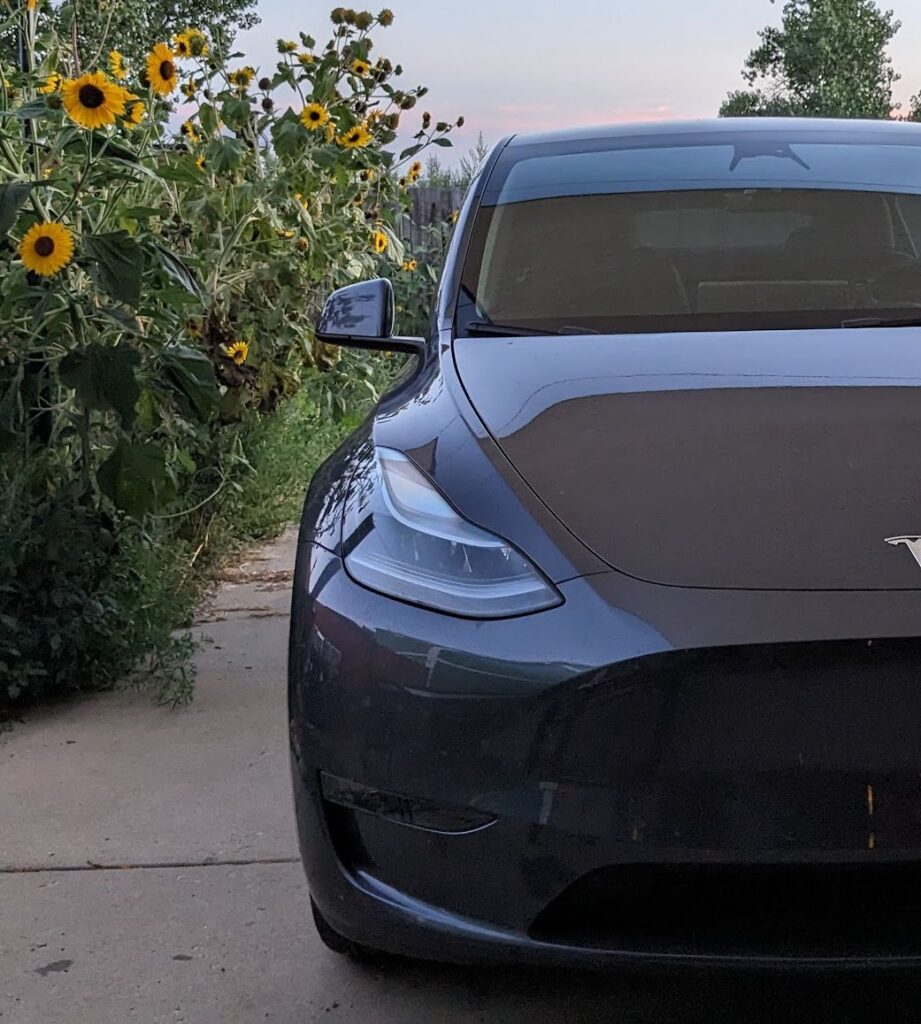
The journey into this "abundance experiment" began approximately two years ago, in April 2023, when Mr. Money Mustache published a blog post titled "Why Buy a Model Y?" on his highly influential personal finance website, MrMoneyMustache.com. This article marked a notable departure from his long-standing reputation as a proponent of extreme frugality and minimal consumption, a philosophy that underpinned the popular Financial Independence, Retire Early (FIRE) movement he helped popularize. For many of his devoted followers, the purchase of a Tesla Model Y, a relatively high-value consumer item, represented a perceived loss of credibility, seen as a contradiction to the core tenets of lean living and high savings rates that define the FIRE lifestyle.
At the time, Adeney framed the Tesla acquisition not as a surrender to consumerism, but as a deliberate first step in a broader program to consciously increase his spending. His stated intention was to explore how a more liberal approach to discretionary expenses might impact his overall happiness and quality of life, asserting his capacity to adapt his habits and realign his financial approach as an "enlightened middle-aged Badass." This philosophical shift aimed to test the boundaries of his financial independence, moving beyond mere survival to a state where money served as a tool for self-actualization and enhanced experiences, rather than just accumulation.
Chronology of Increased Spending
Following the initial Tesla purchase, the subsequent two years, encompassing 2023 and 2024, saw Adeney actively engaging in what he described as a "marvelous time traveling everywhere and spending money like I thought a proper wealthy person would do." This period was characterized by a series of lifestyle upgrades and increased discretionary expenditures across various categories:
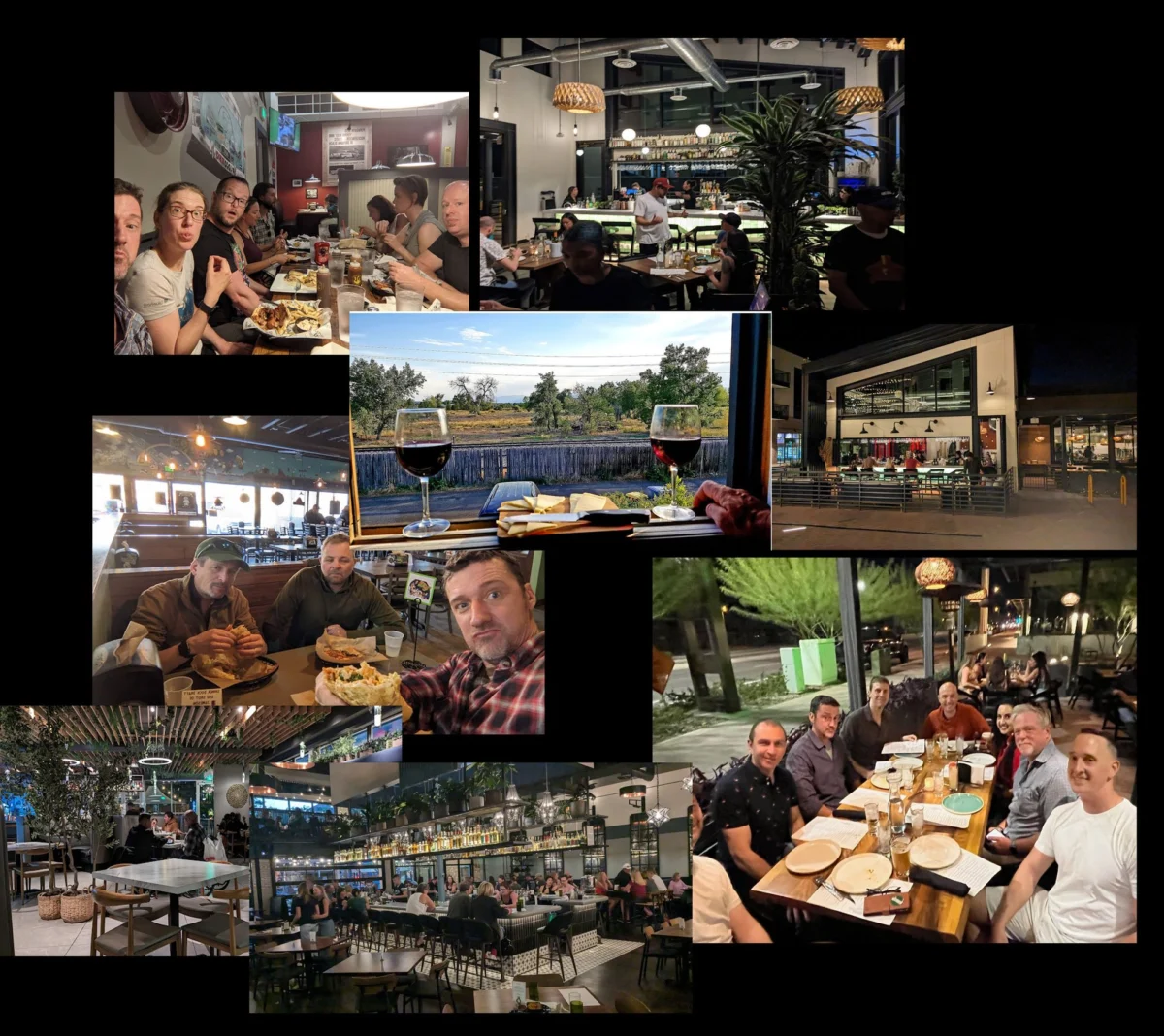
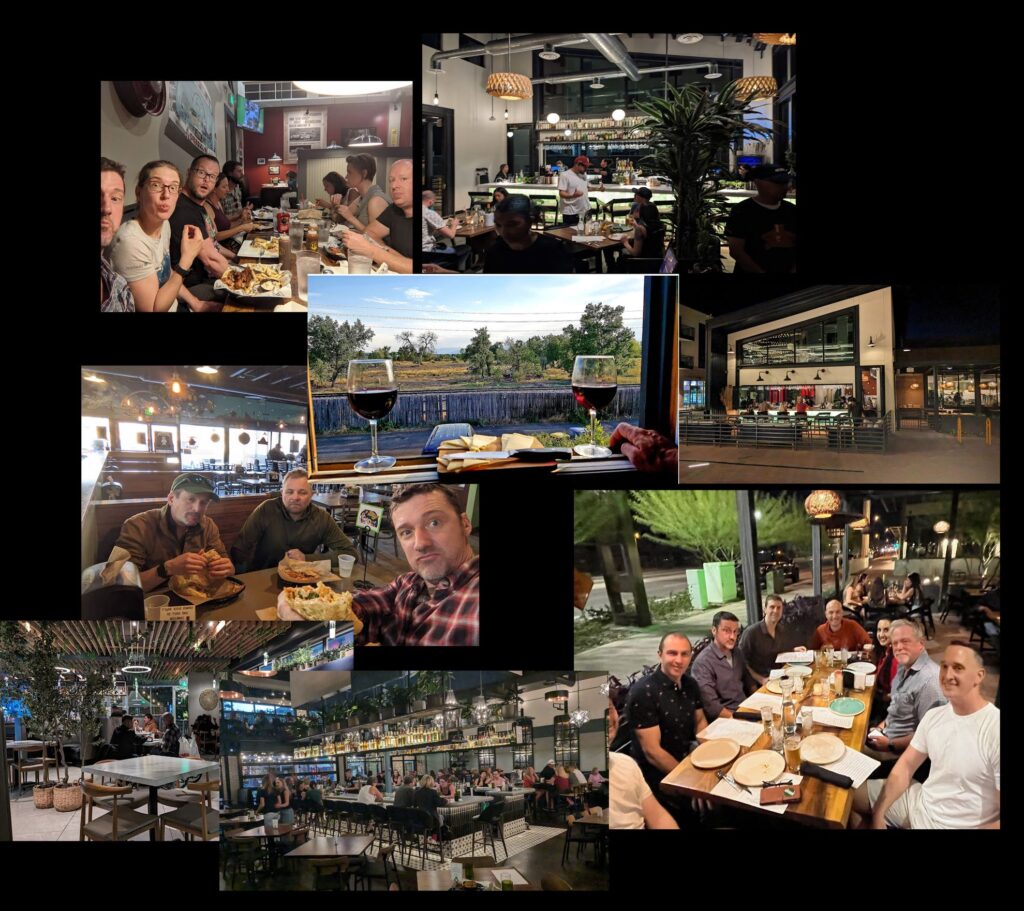
- Dining and Hospitality: Adeney consciously chose to dine out in "stylish restaurants" more frequently, moving beyond mere sustenance to experiences. Hotel bookings were prioritized based on "niceness rather than their cheapness," reflecting a desire for comfort and quality.
- Travel Comfort: Air travel saw an upgrade, with Adeney opting for "reduced torture" seats, indicating a willingness to pay a premium for enhanced comfort during flights.
- Grocery Habits: A notable shift occurred in grocery shopping, where he reported giving "zero fucks about paying double for groceries" if he happened to be in a Whole Foods market, contrasting with his usual reliance on bulk purchasing from Sam’s Club and Costco (for which he maintains memberships at both warehouse stores).
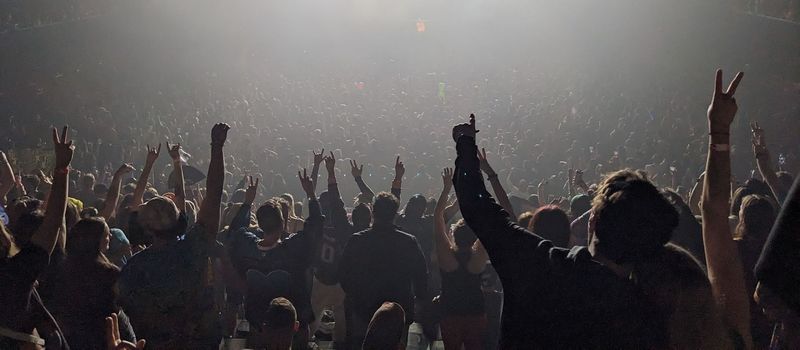
- Entertainment and Experiences: The period was rich with cultural and recreational activities. Highlights included attending multiple late-night Electronic Dance Music (EDM) concerts with his son and visiting three different Meowwolf immersive art venues. One notable adventure was a Christmas Day road trip from his winter home in Tempe, Arizona, to Las Vegas, specifically to experience a Meowwolf installation.
- Personal Flexibility: Spending much of the year as a single man afforded him a wide-open schedule, facilitating spontaneous meet-ups with friends, exploration of new places, and engagement with new people as opportunities arose. This flexibility contributed to what he described as a "year of adventurous transition," which felt more expansive than its twelve-month duration.
Throughout this period of increased spending and enjoyment, Adeney consciously avoided meticulously tracking his budget, confident that his financial cushion would absorb the additional costs. He acknowledged a suspicion that his expenses might have "crept back into full American Consumer territory," but the enjoyment derived from these experiences overshadowed any immediate concern for detailed financial reconciliation.
The Unexpected Budget Revelation
The impetus for a formal budget review came recently during an informal coaching session with a friend, where both decided to tally their spending for the past year for comparison. This exercise led to a surprising discovery for Mr. Money Mustache. After meticulously sorting and summing all transactions into a spreadsheet, the overall spending increase, while present, was found to be "pretty minimal" in the grand scheme of his financial standing.
The detailed budget, covering a full year of his "abundance experiment," showed total expenditures of $30,026.76, derived from $20,284.67 on his personal card and $9,742.09 on his business card. This represents an increase from his previously reported annual spending of approximately $20,000 in 2019. It is noteworthy that this increase occurred against a backdrop of significant inflation witnessed in recent years. According to the U.S. Bureau of Labor Statistics, the Consumer Price Index (CPI) has shown cumulative inflation of over 19% between December 2019 and December 2024, meaning that maintaining a constant lifestyle would inherently cost more. Even with this inflationary pressure, Adeney’s spending rose by roughly 50% in nominal terms, but his baseline was already exceptionally low.
Detailed Spending Categories:
The audited budget table provided specific insights into how the funds were allocated:
- Groceries: $5,960.39 (for himself, his young adult son about half the time, and guests).
- Restaurants: $2,243.59 (allocated for "special fun rather than just getting food").
- Travel: $6,158.77 (including business travel for events like Camp Fi and other conferences, which he described as "fun").
- Utilities: $1,909.51.
- Amazon/House: $3,554.10 (with approximately 75% of the business card portion attributed to construction materials for clients, often friends, reimbursed via invoice).
- Booze: $250.67 (primarily for wine and other beverages for entertaining).
- Healthcare: $3,536.66 (a new cost compared to his self-insured status in 2019).
- Automobile: $2,425.21 (covering insurance and registration, with an acknowledgment that depreciation could be added for a more accurate figure).
- Phone + Internet: $1,410.56 (for gigabit internet and Google Fi mobile service).
- Property Taxes: $2,577.30 (noted as "surprisingly reasonable" for his neighborhood’s home values).
Comparing this to his 2019 spending, he noted an increase in travel and entertainment but a reduction in home renovation expenses, partly due to his increased time away from home.
Financial Independence Context and Implications
Adeney’s current spending level of approximately $30,000 annually remains remarkably low for an individual with his net worth. He highlighted that this amount "could still be sustained by a $1 million investment nest egg." Given that his investments are "quite a bit higher than that," particularly after "recent years of crazy economic growth and the never-ending stock market rally," he concluded that he is "still way under budget."
This finding is significant within the context of the FIRE movement. The traditional "4% rule" suggests that a person can safely withdraw 4% of their investment portfolio annually in retirement without depleting their principal. For an annual spending target of $30,000, a nest egg of $750,000 would theoretically suffice. His statement of having "quite a bit higher" than $1 million implies a significantly lower withdrawal rate, providing an even greater margin of safety and financial longevity.
The Pillars of Persistent Frugality:
Despite his conscious efforts to spend more, several structural elements of Mr. Money Mustache’s lifestyle continue to underpin his remarkably low expenses:
- Paid-Off Housing: The most substantial saving comes from the complete absence of housing costs, specifically a mortgage payment. He paid off his home "long ago," eliminating what is typically the largest expense for most households. He also noted a secondary benefit: not needing to purchase house insurance, saving him "another $2000 per year," which he views as boosting the effective return on his mortgage payoff. While acknowledging that taking out a low-interest mortgage in 2021 to invest in stock index funds might have been "optimum financial" strategy given market performance, he prioritizes the "great peace of mind" derived from being debt-free.
- DIY Home Maintenance: His affinity for "working on and taking care of my own home" means he incurs "no bills for lawn mowing, plumbers, tree pruning or handyman services." This hands-on approach directly translates into significant savings on routine home maintenance and improvement costs.
- Optimized Healthcare Strategy: His healthcare expenses, totaling $3,536.66 per year (approximately $308 per month), are notably efficient. This is achieved through a combination of a membership with a Direct Primary Care (DPC) medical clinic ($107 per month) and a high-deductible plan ($201 per month) with Sedera, a health sharing organization. He asserts that this combined cost is less than the cheapest standard health insurance Bronze plan, yet provides personalized support with zero deductible for most typical medical needs, along with protection against larger medical bills. He attributes his low medical costs primarily to "good health and good luck," underscoring the preventative aspect of his lifestyle.
The Paradox of Abundance and Future Optimizations
Mr. Money Mustache expressed satisfaction with the outcome of his experiment, stating that he "genuinely had more fun with the abundance mindset" and plans to "keep trying more life experiments in the coming years." His experience highlights a nuanced understanding of abundance, one that is not necessarily tied to escalating consumption but to a heightened sense of freedom and enjoyment within his existing financial framework.
He reflected on a principle of happiness: "Fixing your persistent problems is more effective than just doubling down on things that are already good in your life." Applying this, he identified his current "annoyance" as "physical chaos" due to his space-intensive hobbies (construction, music) within his "pretty small house." He desires a doubling of his workshop space from his current 440-square-foot two-car garage to approximately 1,000 square feet. However, he remains deeply attached to his current location, views, and neighbors, making relocation for a larger space conditional on a "perfect opportunity" arising on his block.
Longer-term, he playfully included a "mountain compound with its own cliffs and stream" on his "maybe" list, humorously illustrated by an AI-generated image. Yet, he immediately tempered this aspiration by questioning if "another place to my portfolio" would genuinely enhance his happiness, given his already "overbooked with joyful things" schedule and existing property commitments (his house and a co-working space). This demonstrates a deliberate, thoughtful approach to future acquisitions, prioritizing existing commitments and potential trade-offs over impulsive expansion.
Broader Implications for the FIRE Movement

Mr. Money Mustache’s "abundance experiment" offers valuable insights for the broader FIRE community and those aspiring to financial independence. It suggests that:
- Ingrained Habits Persist: Deeply ingrained frugal habits, cultivated over years, can be remarkably resilient, even when intentionally challenged. This implies that once a certain level of financial efficiency is achieved, it becomes a default mode that is difficult to significantly alter, even for those with substantial wealth.
- Redefining "Wealthy" Spending: The experiment redefines what "wealthy spending" can look like. Rather than excessive luxury, it can manifest as strategic upgrades for comfort, enriching experiences, and value-driven choices that enhance life quality without leading to runaway expenses.
- Freedom of Choice: Financial independence grants the ultimate freedom: the ability to choose how one spends time and money, whether that means doubling down on frugality or deliberately exploring more expansive living, without financial constraint or guilt.
- Optimization Beyond Accumulation: The focus shifts from merely accumulating wealth to optimizing life experiences and solving genuine "problems" (like insufficient workspace) rather than simply buying more things.
Current Market Note on Electric Vehicles:
In a separate, timely note, Mr. Money Mustache highlighted a potential market opportunity for electric vehicles (EVs). He stated a rumor that the $7,500 EV tax credit might be discontinued with an upcoming presidential transition, suggesting that the current period could be "the cheapest chance to buy what I feel are the best cars on the market: The Model Y, or Model 3." He noted that both used and new prices for these models are at "record lows," and offered a personal referral code for an additional $1,000 discount on a new Tesla, reflecting his continued advocacy for the vehicles he chose for his own "abundance experiment." This observation reflects current market dynamics and potential policy changes impacting EV adoption and affordability.
The findings from Mr. Money Mustache’s two-year "abundance experiment" underscore a unique perspective on financial freedom and happiness. While he succeeded in increasing his discretionary spending, his deeply embedded principles of value and efficiency ensured that his expenses remained far below what many would consider typical for a wealthy individual. His journey continues to provide a real-world case study in how financial independence can be leveraged not just for early retirement, but for a deliberate, optimized, and joyful life, irrespective of conventional consumerist pressures.

