
Peter Adeney, widely known as Mr. Money Mustache within the global Financial Independence, Retire Early (FIRE) movement, has announced a significant personal and philosophical undertaking: a four-month relocation to Culdesac Tempe, Arizona. Beginning December 1st, Adeney, a key figure whose blog has inspired millions to pursue financial autonomy, will immerse himself in the nation’s first purpose-built car-free neighborhood, marking a new chapter in his post-early-retirement life and serving as a real-world demonstration of his long-held advocacy for sustainable, walkable urbanism. This move, following the completion of his son’s high school education, represents a deliberate step into a new environment, designed to foster personal growth, challenge established routines, and champion a radical departure from traditional, car-dependent American lifestyles.
The Genesis of Freedom: A Journey from Tech to Financial Independence
Adeney’s journey into what he terms "freedom" began profoundly in 2005. At that time, a demanding career in the tech sector, coupled with the impending responsibilities of fatherhood, prompted a pivotal decision. He chose early retirement, not merely as an escape from work, but as a proactive measure to dedicate his prime hours to raising his children. This decision, radical for its time, predated the mainstream popularization of the FIRE movement, which Adeney himself would later help define and expand through his influential blog. His foresight proved accurate, as he reflects on how demanding his tech career would have been in parallel with full-time parenting. The ensuing eighteen years have validated this choice, allowing him to navigate the complexities of family life, including significant personal hardships, while maintaining a degree of flexibility and control over his time that few can achieve. A poignant milestone in this journey was his son, "Little MM," starting kindergarten thirteen years ago, a moment he chronicled for his readership, and now, the recent completion of high school, signifying the close of a primary child-rearing phase and opening new possibilities.
The philosophy underpinning Adeney’s early retirement has always extended beyond mere financial calculations. It is deeply rooted in the concept of intentional living, optimizing resources not just for wealth accumulation, but for maximum life satisfaction and personal agency. His blog consistently champions frugality, anti-consumerism, and a do-it-yourself ethos, all geared towards reclaiming time and energy otherwise spent on the "treadmill" of conventional employment and consumption. This personal experiment in Tempe is a logical extension of that philosophy, applying the principles of intentionality to residential choice and community engagement.
Culdesac Tempe: A Blueprint for Sustainable Urban Living
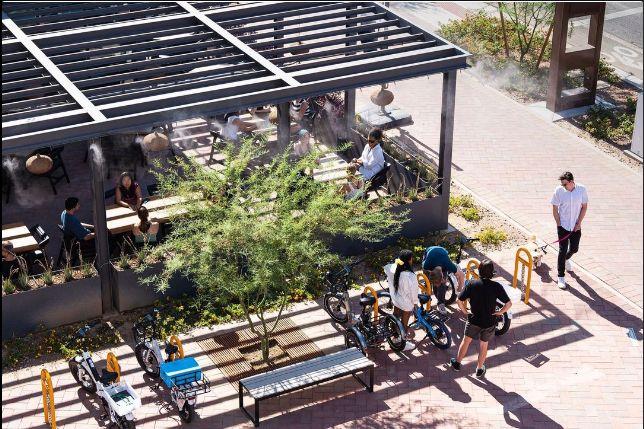
The chosen destination, Culdesac Tempe, is not merely a warm, sunny escape from Colorado’s winter, but a highly symbolic choice aligned with Adeney’s long-standing advocacy for alternative urban development. Culdesac Tempe is heralded as the United States’ first ground-up, car-free residential community. Developed with an explicit focus on walkability, bikeability, and public transit accessibility, it offers a stark contrast to the sprawling, car-centric designs prevalent across most American cities. The community integrates residential units with retail, dining, and green spaces, all accessible by foot or bicycle, and is strategically located adjacent to Tempe’s light rail system, providing connectivity to the broader Phoenix metropolitan area.
The design principles of Culdesac Tempe resonate directly with Adeney’s repeated calls for urban environments that prioritize human scale over automotive convenience. Such communities aim to reduce carbon footprints, mitigate traffic congestion, lower household transportation costs, and foster stronger social bonds among residents. According to data from the Environmental Protection Agency (EPA), transportation accounts for the largest share of greenhouse gas emissions in the U.S., making car-free or car-lite living a significant strategy for environmental sustainability. Furthermore, studies on urban planning consistently demonstrate that walkable communities are associated with improved public health outcomes, increased physical activity, and reduced stress levels. The average American household spends approximately 16% of its income on transportation, often the second-largest expenditure after housing. By eliminating car ownership or significantly reducing car dependence, residents in communities like Culdesac can realize substantial financial savings, further reinforcing the Mustachian principles of financial efficiency.
The Arizona Experiment: Logistics and Lived Experience
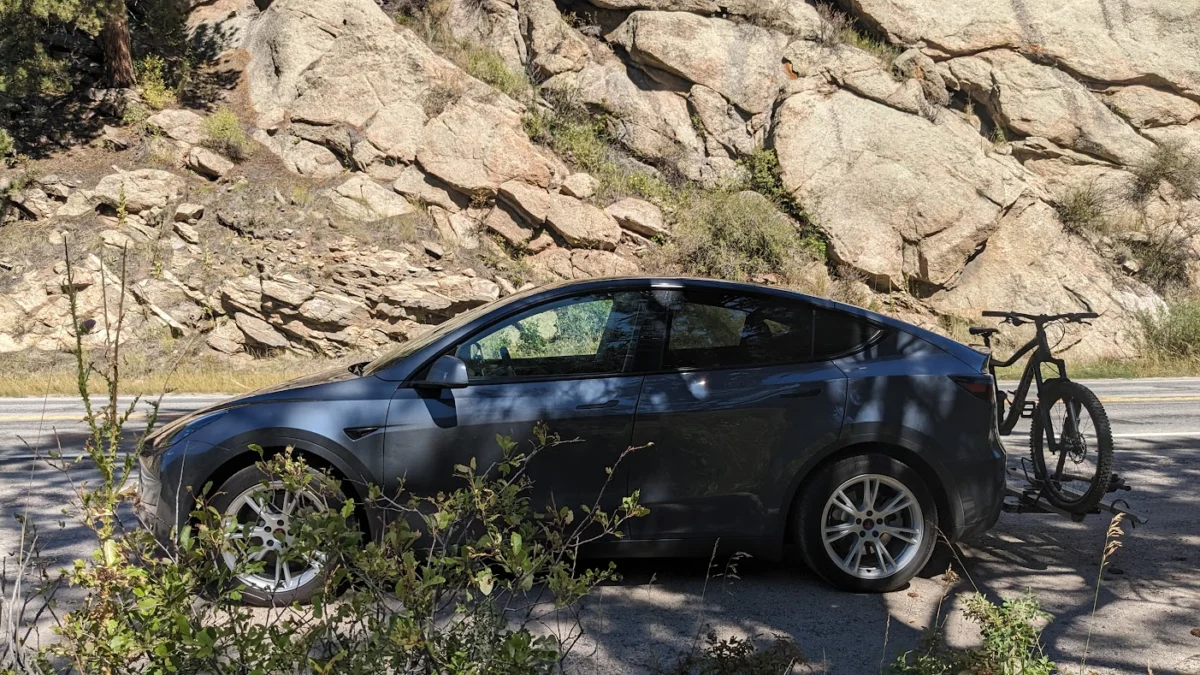
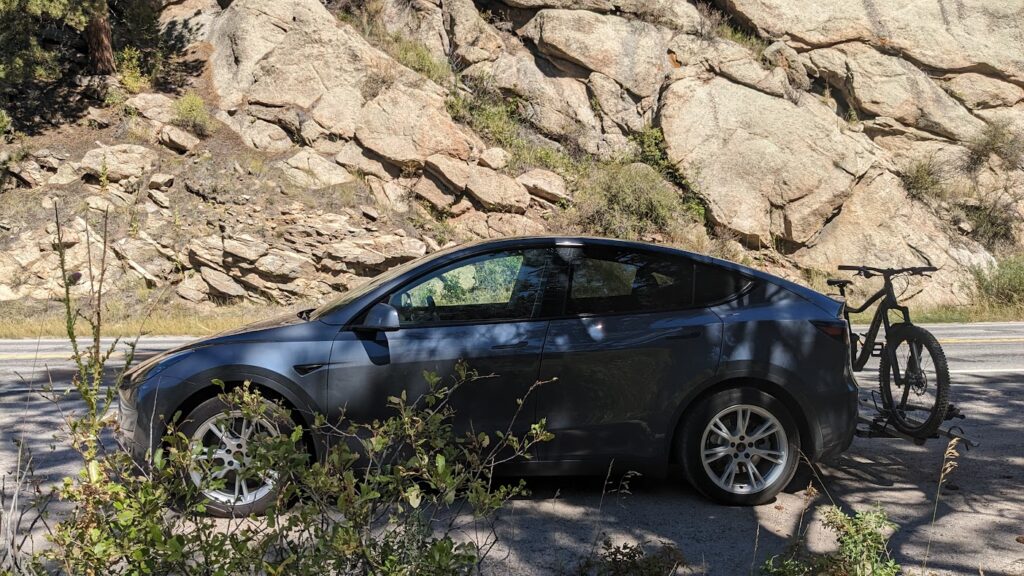
Adeney’s relocation is set for December 1st, involving a road trip from Colorado to Arizona in his Tesla Model Y, which will serve as a "convenient electric moving truck" for essential clothes, tools, and a mountain bike. His son will join him for the initial journey, and then alternate months between Arizona and Colorado to spend time with both parents, while Adeney will remain in Tempe for the entire four-month duration. They have secured a spacious two-bedroom apartment within Culdesac, providing ample space for their stay.
Upon arrival, the Model Y will be parked offsite, allowing Adeney to fully embrace the car-free lifestyle. This mirrors his current practice in Colorado, where he primarily uses his car for heavy hauling or inter-city travel, relying on biking and walking for daily needs. Culdesac Tempe’s infrastructure, which includes onsite bike, scooter, and even car-sharing options, alongside its light rail access, is designed to make a car-free existence not just feasible, but convenient.
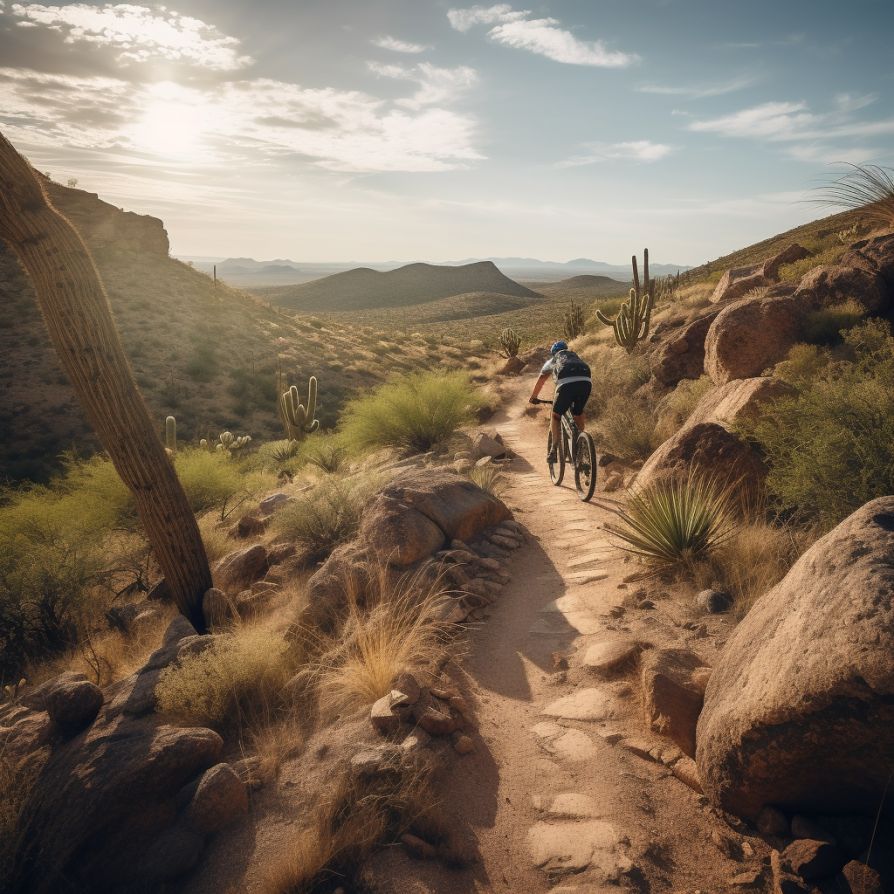
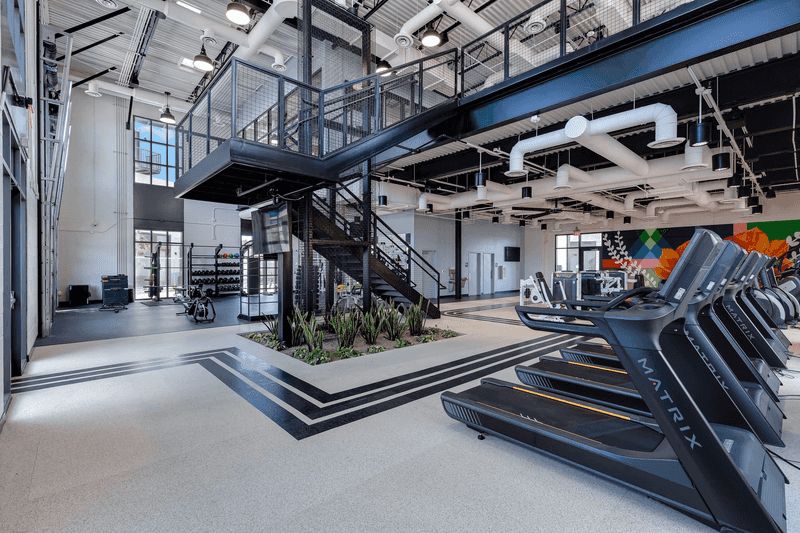
During his time in Arizona, Adeney anticipates "inventing a whole new life" for himself. Freed from the familiar routines and community engagements of his Colorado home – particularly the "plentiful construction sites" that often occupy his time – he plans to explore new activities. High on his list is mountain biking, taking advantage of Arizona’s favorable winter climate. He also expresses eagerness to meet new people within the Culdesac community, engage in physical activities at the community’s gym facilities, and simply slow down when needed. This deliberate shift away from established comforts is presented not as a sacrifice, but as a vital challenge necessary for maintaining meaning and joy in life.
Addressing practical concerns, Adeney has outlined plans for his Colorado home. His house, which includes a main floor with two bedrooms and a separate walkout lower-level apartment, is typically used as a single residence with the apartment serving as a guest suite. For the winter, he intends to rent out one of these spaces to a trusted acquaintance, allowing him to generate income – a classic "Mustachian" strategy of "making money while taking vacations" – while retaining the other section for occasional visits back to Colorado.
Beyond Personal Enrichment: Advocating for Urban Transformation
Adeney explicitly states that this Arizona sojourn transcends mere personal journaling; it carries a broader purpose. His first-layer goals are undoubtedly personal: to experience an exceptional winter, forge new connections, and enjoy the car-free lifestyle. However, these individual aspirations are interwoven with a profound civic objective: he deeply desires Culdesac Tempe to achieve widespread success. His hope is that this pioneering development will serve as a compelling model, inspiring the construction of similar car-free or car-lite neighborhoods across the country. Such success, he believes, could fundamentally improve the way U.S. cities are planned and expanded in the future, fostering more sustainable, equitable, and community-oriented environments. This aligns with a growing movement among urban planners and environmentalists who advocate for "15-minute cities" or "complete communities," where essential services and amenities are accessible within a short walk or bike ride, reducing reliance on private automobiles.
This experiment also functions as a powerful statement about the importance of "deliberate life changes." In a prosperous society where comfort often leads to complacency, Adeney argues against the temptation to settle for the status quo – the "Netflix, comfort foods, and occasional luxury purchases" trap. Instead, he urges his readers to introduce "strategic hardship" and continuous experimentation into their lives. This might involve relocating to a new community, pursuing a more fulfilling job, embracing new physical challenges, or expanding social circles. The underlying principle is that intentional change, even if difficult, is a catalyst for growth, resilience, and a deeper appreciation for life.
He draws upon his own history as an example, recalling the courage it took to move to the U.S. alone at age 24, leaving behind family, friends, and his old job. That singular act of bold experimentation, he reflects, profoundly shaped his present life for the better. He notes that as one ages and becomes more comfortable, such radical shifts can seem daunting. Yet, he maintains that the spirit of positive experimentation remains crucial.
The Science of Strategic Hardship and Future Horizons
Adeney’s philosophical stance on strategic hardship is further supported by recent scientific thought, which he references through Dr. Anna Lembke’s book, "Dopamine Nation." Lembke, a psychiatrist, posits that the human brain establishes a baseline for happiness based on the most challenging experiences encountered. By actively engaging in difficult endeavors, individuals can recalibrate this baseline, making everyday pleasures seem more vibrant and life, in general, more fulfilling. Conversely, a life devoid of hardship can lead to a blunted capacity for joy and a sense of unmotivation, as the brain struggles to find stimulation. This concept reinforces Adeney’s call for purposeful change, even if it feels difficult, because "hard things are good."
Looking beyond the four-month experiment, Adeney emphasizes that his plans are intentionally open-ended. While he anticipates returning to Colorado as his home base, he views this period as a new phase of life, ripe for "layering on new adventures." He hints at potential future projects, including the possibility of an "MMM Mountain Retreat" linked to the two mountain properties he has been helping to develop. This flexibility underscores the ultimate "freedom" that early retirement has afforded him – the ability to continually redefine his path and pursue new passions without the constraints of conventional employment.
For those interested in following his journey or even experiencing a slice of the car-free lifestyle themselves, Adeney has established a dedicated tracker page on his website (mrmoneymustache.com/culdesac/). Additionally, Culdesac Tempe offers short-term rentals, presenting an opportunity for others to undertake their own "Mini Culdesac Experiment" at rates competitive with nearby hotels.
This move by Mr. Money Mustache is more than a personal relocation; it is a live demonstration of his core tenets – financial independence leading to radical freedom, the pursuit of deliberate life challenges, and the advocacy for sustainable, human-centric urban design. As he embarks on this new chapter, the FIRE community and urban planning enthusiasts alike will undoubtedly be watching to see the insights and inspiration that emerge from his four-month immersion in car-free living.

