
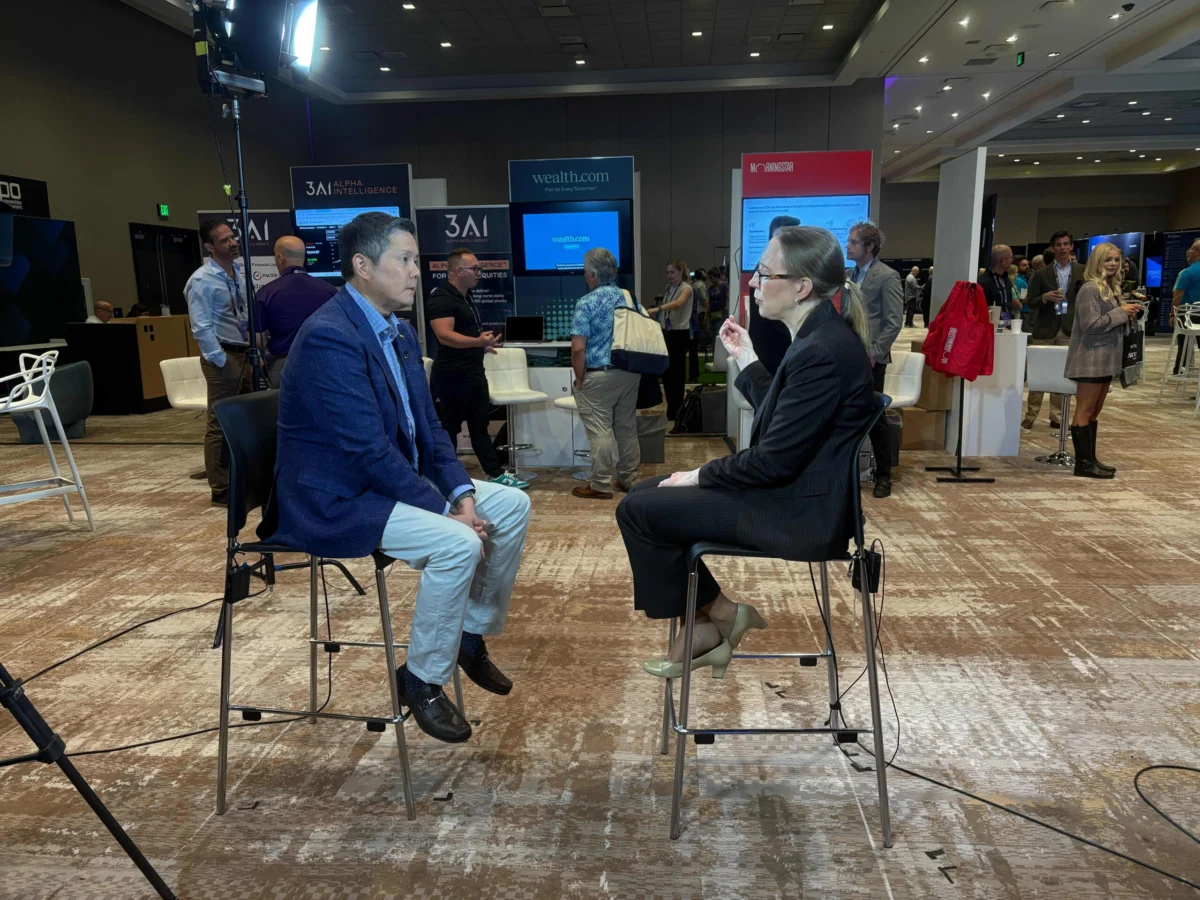
SEC Commissioner Hester Peirce, a prominent voice within the regulatory body, has articulated a clear willingness to engage with Wall Street on the development and integration of emerging exchange-traded fund (ETF) products linked to cryptocurrencies and the burgeoning field of tokenization. Speaking from VettaFi’s Exchange 2026 conference in Las Vegas, Peirce conveyed a proactive stance, inviting industry participants to collaborate with the Securities and Exchange Commission (SEC) to navigate the complexities of these innovative financial instruments. Her remarks, made during an exclusive interview with "ETF Edge" host Dominic Chu, underscore a critical juncture in the U.S. financial regulatory landscape, balancing the imperatives of market innovation with robust investor protection.
A Call for Dialogue and Experimentation
Peirce’s invitation to "come in and talk to us about what you’re trying to do" signals a departure from what some industry stakeholders have perceived as a more reticent or even adversarial stance from the SEC in the past. Her emphasis on working with innovators "toward being able to experiment to see whether the market wants your products" suggests a regulatory philosophy that recognizes the organic evolution of financial markets. This approach is particularly salient in the context of digital assets, an area characterized by rapid technological advancement and novel financial structures that often challenge existing regulatory frameworks. The VettaFi Exchange conference, a significant gathering for ETF professionals, served as an ideal platform for Peirce to deliver this message, highlighting the critical role of ETFs in democratizing access to various asset classes and the potential for digital assets to further expand this trend.
The global ETF market has experienced exponential growth over the past two decades, with assets under management surpassing $11 trillion globally by the end of 2023, according to industry reports from firms like BlackRock and State Street Global Advisors. This growth has been fueled by their low costs, tax efficiency, and diversified exposure, making them a cornerstone of modern investment portfolios. The recent approval of spot Bitcoin ETFs in the United States, following years of regulatory deliberation, marked a significant milestone, opening the floodgates for institutional and retail capital to access cryptocurrency markets through a regulated, familiar investment vehicle. Peirce’s comments indicate that this pivotal development might be just the beginning, with the SEC now turning its attention to the next wave of innovation.
Tokenization: The Next Frontier in Financial Instruments
Beyond direct cryptocurrency exposure, Peirce specifically addressed the escalating interest in the tokenization of financial instruments. Tokenization involves converting rights to an asset into a digital token on a blockchain, potentially revolutionizing how assets are owned, traded, and managed. This concept extends far beyond cryptocurrencies, encompassing real estate, fine art, private equity, and even traditional securities like stocks and bonds. Peirce noted a discernible uptick in interest in tokenization, particularly since a shift in administrative attitudes toward crypto and blockchain technology. "It’s not the SEC’s job to decide… how the market moves forward," she stated, reinforcing the principle that market forces, rather than regulatory dictates, should drive innovation. However, she acknowledged that "people have come to us and they’ve said, ‘We really think tokenization has potential here.’"
The potential benefits of tokenization are manifold, including enhanced liquidity for illiquid assets, fractional ownership, increased transparency, faster settlement times, and reduced operational costs through the elimination of intermediaries. Industry projections suggest that the market for tokenized assets could reach trillions of dollars in the coming decade. For instance, a report by the Boston Consulting Group and Archax projected that tokenized illiquid assets alone could reach $16 trillion by 2030. While offering significant promise, tokenization also presents unique regulatory challenges, including determining the appropriate classification of tokenized assets (e.g., security, commodity, currency), ensuring robust cybersecurity measures, and addressing issues of jurisdictional clarity across borders. Peirce’s willingness to engage indicates an understanding that stifling this innovation could place the U.S. at a disadvantage in the global financial landscape.
Balancing Innovation with Investor Protection
A recurring theme in Commissioner Peirce’s remarks was the paramount importance of investor protection, even as the SEC embraces innovation. "We want to do it [work with issuers] in a way that respects investor protection," she affirmed. This dual mandate is central to the SEC’s mission: to protect investors, maintain fair, orderly, and efficient markets, and facilitate capital formation. For novel products like crypto-tied ETFs and tokenized securities, this translates into stringent requirements for disclosure, transparency, and risk management.

Peirce clarified the SEC’s role: "It’s not our job to say which products are good or bad. It is our job to work with sponsors to make sure that they’re disclosing what those products are, what the risks are [and] what they’re intended to be used for." This statement delineates a regulatory philosophy focused on empowering investors with sufficient information to make informed decisions, rather than acting as a gatekeeper determining the inherent value or appropriateness of specific investment vehicles. For highly volatile assets like cryptocurrencies or complex structures like certain tokenized derivatives, clear, comprehensive risk disclosures become critically important. This includes explaining the underlying technology, liquidity risks, potential for market manipulation, and the regulatory status of the assets. The SEC’s historical reluctance to approve spot Bitcoin ETFs, for instance, was largely rooted in concerns over market surveillance, price manipulation, and investor protection in unregulated underlying crypto markets, concerns that were eventually addressed through surveillance-sharing agreements with regulated exchanges.
The Context: VettaFi Exchange 2026 and the Shifting Regulatory Tides
Commissioner Peirce’s presence and statements at the VettaFi Exchange 2026 conference highlight the event’s significance as a barometer for trends in the ETF industry and broader financial innovation. Held in Las Vegas, the conference brings together asset managers, financial advisors, technology providers, and regulators to discuss the future of investment products. Her comment, "I’m here because this is such an important segment of what we regulate," underscores the SEC’s recognition of the ETF market’s substantial influence on retail and institutional investment.
The broader U.S. regulatory environment for digital assets has been characterized by a period of intense scrutiny and, at times, enforcement actions. For years, the SEC under various leaderships, including Chair Gary Gensler, maintained a cautious stance, often viewing many cryptocurrencies as unregistered securities and emphasizing the need for robust investor safeguards before broader market integration. Commissioner Peirce, often dubbed "Crypto Mom" by the industry, has consistently been one of the more vocal advocates within the SEC for clearer regulatory frameworks and greater accommodation for digital asset innovation, often dissenting on enforcement actions she deemed overly restrictive.
The recent timeline of regulatory developments includes the approval of futures-based Bitcoin ETFs in late 2021, followed by a landmark decision in January 2024 to approve several spot Bitcoin ETFs. This approval was influenced by a court ruling against the SEC in its denial of Grayscale’s Bitcoin Trust conversion to an ETF, signaling a significant shift in the regulatory landscape. These events have created a precedent and momentum, paving the way for discussions around other crypto-linked products and the broader application of blockchain technology in finance. Peirce’s current statements suggest that this momentum is translating into a more open dialogue regarding the future, moving beyond Bitcoin to the wider array of digital asset possibilities.
Industry Reactions and Future Implications
Peirce’s conciliatory tone is likely to be met with optimism by various stakeholders in the financial technology (fintech) and asset management sectors. Fintech innovators, who have long sought clearer regulatory pathways for their blockchain-based solutions, will welcome the opportunity for direct engagement. Asset managers, keen to offer clients exposure to high-growth digital asset sectors, will view this as an encouraging sign for future product development. Industry bodies and advocacy groups have consistently called for a comprehensive regulatory framework that provides certainty without stifling innovation, and Peirce’s approach aligns with these calls.
However, the path forward is not without challenges. While Peirce’s stance promotes collaboration, the SEC operates as a multi-member commission, and views on digital assets can vary. The agency must also contend with the inherent complexities of regulating a global, decentralized technology, ensuring that U.S. markets remain competitive while protecting domestic investors. Furthermore, the technical and legal nuances of tokenization, including interoperability between different blockchain networks and the development of robust legal standards for digital asset ownership, require significant attention. The educational burden on both issuers and regulators to understand and effectively communicate these novel risks to the investing public remains substantial.
In conclusion, Commissioner Hester Peirce’s invitation for Wall Street to engage with the SEC on crypto-tied ETFs and tokenization marks a potentially pivotal moment for digital asset integration into mainstream finance. Her emphasis on fostering experimentation while upholding rigorous investor protection standards reflects a nuanced approach to regulating a rapidly evolving sector. As the financial industry continues its march toward digitalization, the dialogue between innovators and regulators will be critical in shaping the future of investment products, ensuring that the benefits of technological advancement are realized responsibly and securely for all market participants.

