
The popular advocate for financial independence and extreme frugality, Mr. Money Mustache (MMM), recently concluded a nine-month foray into Amazon’s exclusive Vine Voices program, offering a revealing look into how even the most disciplined individuals can succumb to subtle consumerist pressures. What began as an innocent five-star review for a heated vest last winter quickly escalated into an unexpected exploration of human behavioral weaknesses, prompting a critical examination of modern incentive systems and their environmental implications. This personal account, shared by the influential blogger, serves as a significant case study in the broader discourse surrounding consumer psychology, e-commerce practices, and the pursuit of mindful living.

The Genesis of an Experiment
Mr. Money Mustache, known for his rigorous adherence to a financially independent, retire early (FIRE) lifestyle, found himself unexpectedly invited to Amazon Vine. The program, designed to provide "Vine Voices" – a select group of Amazon’s most trusted reviewers – with free products in exchange for honest and unbiased reviews, presented an intriguing proposition. For MMM, the initial appeal was twofold: a practical opportunity to acquire genuinely useful items for his construction business and the MMM-HQ coworking space, and a unique sociological experiment to document for his readership. With a commitment to review at least 80% of ordered items, the program appeared to align with his existing habit of writing product reviews, now with an added, tangible reward. He initially estimated saving several thousand dollars on tools and materials, framing the venture as a "win/win" scenario where shared work among friends and coworkers could also lead to collective bounty.

Amazon Vine: A Strategic Ecosystem for Reviews
Amazon Vine is a cornerstone of the e-commerce giant’s strategy to generate credible product reviews, crucial for consumer trust and sales. Launched in 2007, it operates on an invitation-only basis, extending membership to reviewers consistently ranked among the most helpful by other Amazon customers. The program aims to provide manufacturers and sellers with early, unbiased feedback on new products, while offering consumers a comprehensive set of opinions to inform their purchasing decisions. Vine Voices typically receive products free of charge, with Amazon covering shipping, and are expected to provide objective reviews, regardless of their satisfaction with the item. This system is intended to foster a robust review ecosystem, distinguishing Vine reviews with a special badge to enhance their perceived credibility. However, the inherent incentive of "free stuff" raises questions among consumer watchdogs about the potential for unconscious bias, even when reviewers strive for objectivity.

The Descent into "Scarcity Brain"
The experiment, which spanned approximately nine months, saw MMM progress from a pragmatic user to a participant caught in a cycle he likened to an "online casino effect." Drawing parallels to Michael Easter’s book "Scarcity Brain," he identified how the Vine program expertly exploited fundamental human psychological vulnerabilities:

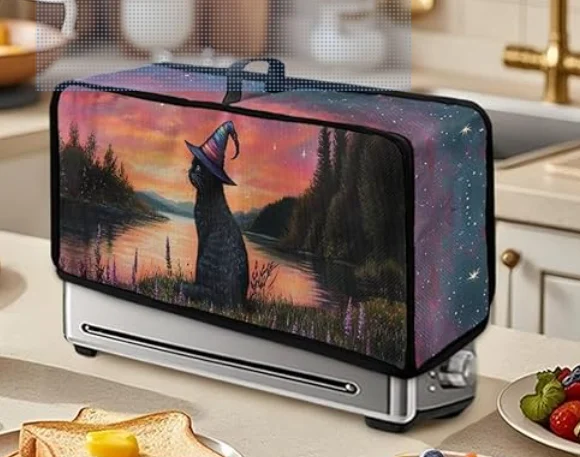
- Intermittent Reinforcement: The unpredictable nature of available products. Logging into the Vine website would sometimes yield valuable items like light fixtures or an EV charger, while other times presenting a deluge of "trinkets" such as pink plastic party plates or a cat-themed toaster cover. This variable reward schedule, a hallmark of addictive systems, kept MMM checking the site daily, driven by the hope of a valuable "score."
- Fear of Missing Out (FOMO): The fleeting availability of desirable items created a sense of urgency. Good products were snapped up quickly, compelling rapid decision-making and ordering, even for items not immediately needed. This psychological pressure bypassed his usual frugal decision-making process.
- Novelty Bias: The constant influx of new, often quirky, products triggered an inherent human attraction to novelty, leading to orders for "pure nonsense" items, such as a USB rechargeable, magnetic "EagLamp," which he readily admitted to falling for.
- Status and Gamification: The pursuit of "Vine Gold" status, which required 80 reviews, served as a powerful motivator. While he later dismissed its practical utility, the gamified progression within the program provided an extrinsic reward that further entrenched the habit.
Mr. Money Mustache candidly described the escalating consumption: packages arriving almost daily, recycling bins overflowing, and even resorting to "discreetly tucking away the boxes" to avoid scrutiny from his son and girlfriend. This period, characterized by what he termed a "consumerism bender," directly contradicted his foundational principles of minimalism and environmental consciousness, highlighting the insidious power of behavioral nudges.
Practical and Ethical Dilemmas

Beyond the psychological entrapment, MMM’s Vine experience exposed several practical and ethical challenges inherent in such programs.
Environmental Impact: A significant point of contention for a figure dedicated to sustainable living was the sheer volume of waste generated. "For every questionable item I got, I was creating pollution and trash from its manufacturing and packaging – directly contradicting the main values of my life and my reason for writing this blog." E-commerce, while convenient, contributes substantially to global waste streams. According to a 2023 report by Statista, e-commerce packaging waste is projected to reach over 100 million tons annually by 2030, a figure exacerbated by the free flow of goods in programs like Vine, where the intrinsic value of the item may be secondary to the novelty of receiving something "free."

Time and Labor Exploitation: The program’s design, with its "reviewer-unfriendly features," felt like a subtle form of labor exploitation. MMM noted the "crap" search functionality and absence of filtering options, forcing reviewers to wade through countless irrelevant items. This deliberate inefficiency, he argued, undervalued the reviewer’s time, reinforcing a perception of Vine Voices as "low-wage workers rather than any form of VIP." The bureaucratic, AI-based review evaluation system, prone to arbitrary rejections without clear explanations, further added to the frustration, demanding iterative, time-consuming edits for "totally tame, factual reviews."
Taxation and Hidden Costs: A crucial, often overlooked aspect of the Vine program is its tax implication. Participants receive a Form 1099-NEC (or similar) at year-end, reporting the Estimated Taxable Value (ETV) of all received products as income. Initially, MMM anticipated owing approximately $1,750 on $7,000 worth of goods, based on his estimated 25% marginal tax rate. This meant that "free" goods were effectively discounted, not truly free. However, a valuable insight from his readership pointed to a lesser-known tax strategy: the ability to mark down the estimated value by up to 80% if the product’s resale value is diminished by opening and reviewing it. This effectively reduced his potential tax liability on the "pure nonsense" items from $250 to a more palatable $50, illustrating the complex financial nuances of seemingly free incentives.

Recovery and Broader Implications
The turning point came with self-reflection and a conscious effort to reclaim his time and values. Recognizing the Vine habit as a form of "procrastination," a distraction from genuinely fulfilling activities like daily workouts, construction projects, and creative writing, MMM initiated a recovery phase. He did not explicitly cancel his account but employed a "Keystone Habit" trick: remapping his browser bookmark for the Vine page to his "Badassity Tracker," a personal chart reminding him to engage in physical activity. This subtle but effective behavioral intervention successfully diverted his attention from passive consumption to active, value-aligned pursuits.

Mr. Money Mustache’s experience resonates beyond the specifics of Amazon Vine, offering universal lessons:
- The Power of Financial Independence: His reflection on "Fuck You Money" underscored the profound value of financial independence. The ability to choose one’s work, to be "the boss" and resist systems that devalue one’s time and autonomy, is a core tenet of the FIRE movement. He drew a parallel to his 2017 Uber Driving experiment, where he similarly identified systemic inefficiencies but lacked the authority to implement change.
- Mindful Consumption in the Digital Age: The saga highlights the omnipresent psychological nudges in modern digital platforms, from e-commerce to social media. It encourages consumers to be acutely aware of how algorithms and gamified incentives can steer behavior, often contrary to personal values or long-term goals.
- "One More Year Syndrome": MMM connected his Vine experience to the "One More Year Syndrome" prevalent among those nearing financial independence. The psychological difficulty of disengaging from a familiar, albeit unfulfilling, routine, even when financially unnecessary, mirrors the pull of the Vine program’s intermittent rewards.
- Continuous Self-Reflection: Ultimately, the article advocates for perpetual self-assessment. "It’s not really about Vine or me or my habits," he concluded, "it’s about you continuing to look at yourself and your life, and always questioning your own assumptions or patterns." This ongoing critical self-examination, aided by trusted feedback, is presented as the cornerstone of continuous personal growth and alignment with one’s core values.
Mr. Money Mustache’s candid account, potentially violating Vine’s terms and conditions, underscores his commitment to transparency and education. His journey through Amazon Vine serves as a compelling, real-world illustration of behavioral economics in action, offering valuable insights for individuals navigating the complexities of modern consumer culture and striving for a life of intentionality and financial freedom.

