
Brazil-based spend management platform Clara has successfully closed a $105 million funding round, marking a significant milestone in its trajectory toward becoming the dominant financial operating system for businesses across Latin America. The capital injection consists of $65 million in Series C equity and a $40 million renewal of its growth financing facility from General Catalyst’s Customer Value Fund (CVF). This latest infusion of capital arrives at a pivotal moment for the fintech sector in the region, signaling renewed investor confidence in platforms that demonstrate both high-growth potential and a clear path to sustained profitability.
The $65 million equity portion of the round was led by a consortium of prominent international and regional investors, including Citius, Kaszek, and DEG, the latter being a subsidiary of the German development finance institution KfW Group. The round also saw participation from a diverse group of ten existing investors and three new institutional backers, including CMT Digital and Nascent VC. By securing this funding, Clara has reached a total lifetime funding amount of $838 million, a figure that includes both equity and structured debt arrangements accumulated since its inception in 2020.
Financial Performance and Operational Scale
The funding announcement coincides with Clara’s disclosure of several key performance indicators that underscore its rapid maturation. The company has officially surpassed $100 million in annualized net revenue, a benchmark that places it among the top tier of global fintech scale-ups. Perhaps more significantly in the current macroeconomic environment, Clara has maintained a positive EBITDA (Earnings Before Interest, Taxes, Depreciation, and Amortization) for more than a year. This transition from a "growth-at-all-costs" model to a sustainable, cash-flow-positive operation has likely been a primary driver for the Series C valuation and the continued support from debt providers.
Currently, Clara serves a client base of more than 45,000 businesses. Its platform has evolved from a simple corporate card provider into a comprehensive financial ecosystem. The company’s suite of services now includes bill payments, spend management, accounts payable (AP), and accounts receivable (AR) solutions. By integrating these disparate financial functions into a single interface, Clara enables enterprises to automate routine administrative tasks, maintain granular control over departmental spending, and derive actionable insights from their financial data.
Strategic Allocation of Capital and AI Integration
According to company leadership, the primary objective for the new $105 million is twofold: expanding the go-to-market team to capture a larger share of the Latin American enterprise market and accelerating the development of the platform’s artificial intelligence capabilities. Clara is positioning itself at the forefront of the "Agentic AI" movement within the financial services sector.
A cornerstone of this technological push is the integration of the Model Context Protocol (MCP). This integration allows Clara’s platform to connect seamlessly with various AI agents, enabling corporate clients to interact with their financial data using natural language. Rather than navigating complex spreadsheets or dashboards, authorized users can query the system for real-time spending reports, cash flow forecasts, and budget variances. Furthermore, the system is designed to allow AI agents to execute authorized transactions autonomously, provided they fall within the parameters of pre-defined company policies.
Beyond conversational interfaces, Clara is leveraging AI for real-time policy enforcement. This feature automatically audits employee expenses against corporate guidelines the moment a transaction occurs, significantly reducing the risk of fraud and non-compliant spending. The company is also expanding its fleet management solutions, which utilize AI to optimize fuel payments and monitor vehicle operations, providing logistics-heavy businesses with a specialized toolset to manage one of their most significant overhead costs.
A Chronology of Capital Acquisition
Clara’s journey to becoming a unicorn and a market leader has been fueled by a disciplined approach to capital raising, balancing equity with strategic debt. The timeline of its financing highlights a sophisticated treasury strategy:
- 2020–2021: Founded in Mexico and quickly expanding to Brazil and Colombia, Clara secured early-stage venture capital to build its core infrastructure and obtain regulatory licenses.
- November 2025: The company secured $70 million in structured debt financing from a trio of heavyweight lenders: BBVA Spark, Covalto, and the International Finance Corporation (IFC), a member of the World Bank Group.
- February 2026: Clara renewed a $150 million credit facility with Goldman Sachs. This renewal was a critical vote of confidence from one of the world’s leading investment banks, bringing Clara’s total debt capacity to over $250 million at the time.
- Late 2026: The current $105 million round brings total funding to $838 million, providing a massive "war chest" for regional expansion and R&D.
This chronology demonstrates a shift in the fintech funding landscape, where established players are increasingly utilizing structured debt to fund the lending side of their corporate card business while using equity to drive technological innovation and geographic expansion.
Contextualizing the Latin American Fintech Landscape
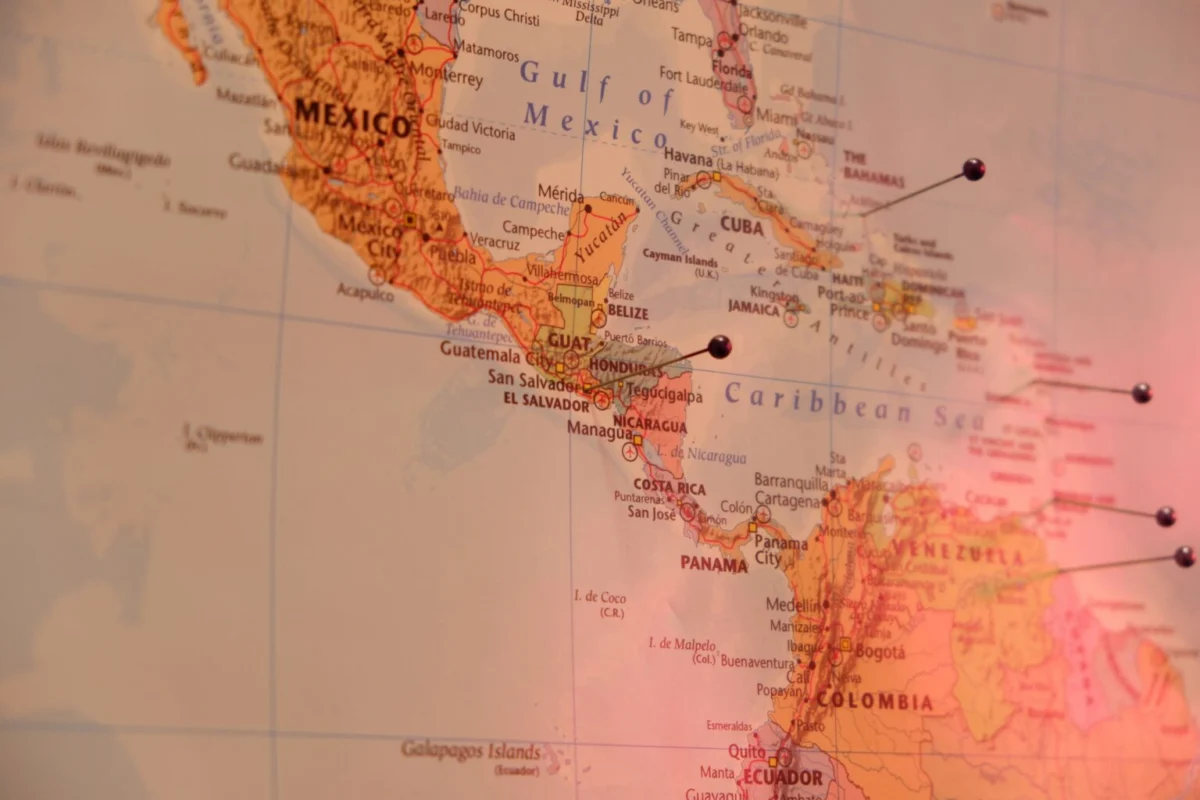
The success of Clara must be viewed through the lens of the unique challenges and opportunities within the Latin American market. Historically, businesses in regions like Brazil, Mexico, and Colombia have been underserved by traditional banking institutions, which often impose high fees and provide rigid, legacy software. The region’s regulatory environments are also notoriously complex, involving intricate tax reporting requirements that vary significantly between jurisdictions.
Gerry Giacomán Colyer, Co-Founder and CEO of Clara, emphasized this regional focus in his statement following the funding round. "Clara exists to champion Latin American businesses, and we work tirelessly to give them the tools to compete and win on the global stage," Colyer stated. He noted that the region has long been forced to adapt to financial platforms designed for the US or European markets, which often fail to account for local nuances. "We’re combining AI with local expertise to solve challenges specific to doing business here and give our customers a distinct competitive edge."
By focusing on local integrations—such as direct links to national tax authorities for automated invoicing—Clara has created a "moat" that makes it difficult for global competitors to displace them.
The Global Shift Toward Unified Spend Management
Clara’s trajectory mirrors a global trend in the fintech industry where the boundaries between banking, accounting, and software are blurring. In the United States, companies like Ramp and Brex have pioneered the concept of the "financial operating system." In Europe, Pleo and Payhawk have followed similar paths, while Airwallex has dominated the Asia-Pacific region.
These companies are moving beyond the "card-centric" model. The goal is no longer just to provide a piece of plastic for employee travel and entertainment. Instead, these platforms aim to control the entire flow of money within a business. This includes:
- Procurement: Managing how vendors are vetted and paid.
- Liquidity Management: Providing credit lines and managing treasury.
- Compliance: Ensuring every cent spent is accounted for and tax-compliant.
- Automation: Using AI to eliminate the "month-end close" process, moving toward real-time accounting.
Clara’s move to integrate MCP and autonomous AI agents suggests that the next frontier for these platforms is not just managing data, but acting upon it.
Market Implications and Future Outlook
Industry analysts suggest that Clara’s $100 million revenue milestone and its EBITDA-positive status make it a prime candidate for an Initial Public Offering (IPO) in the coming years, should market conditions remain favorable. The participation of DEG and the IFC also suggests a strong ESG (Environmental, Social, and Governance) component to Clara’s growth, as these organizations prioritize investments that promote financial inclusion and economic stability in emerging markets.
As Clara continues to scale, its impact on the Latin American business ecosystem is likely to be profound. By lowering the administrative burden on Small and Medium Enterprises (SMEs) and providing larger corporations with sophisticated control tools, Clara is effectively digitizing the "back office" of the regional economy.
The $105 million investment is more than just a capital raise; it is a signal that the Latin American fintech sector has entered a mature phase. In this phase, the winners are defined by their ability to integrate cutting-edge technology like AI with a deep, localized understanding of the regulatory and economic hurdles that businesses face daily. With its substantial capital reserves and proven revenue model, Clara is well-positioned to lead this transformation across the continent.

