
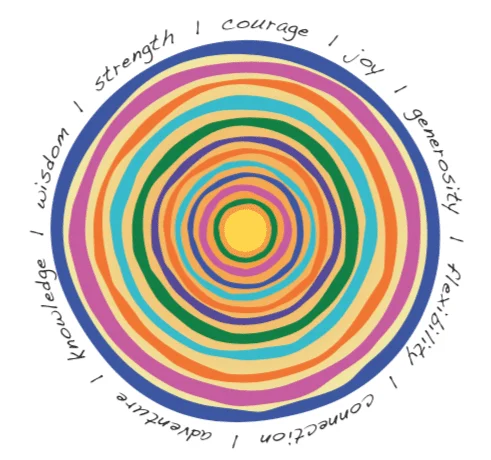
Society’s pervasive bias towards youth, often at the expense of celebrating and valuing older age, presents a significant challenge. This societal narrative, which frequently associates aging with decline and diminished capacity, is not only inaccurate but also demonstrably detrimental to the well-being of individuals and the collective. However, a growing movement, exemplified by initiatives like the "Aging with Gusto" program, advocates for a fundamental shift in perspective, encouraging a proactive and positive engagement with the aging process. This approach, supported by compelling research and the experiences of individuals who defy stereotypes, suggests that our mindset about aging profoundly influences how we experience it, impacting not only our quality of life but also its very duration.
The Power of Positive Perceptions
The notion that our thoughts and beliefs about aging directly shape our reality is gaining considerable traction within public health and gerontology circles. Donna Comer, coordinator and facilitator for the "Aging with Gusto" program—a key initiative of the Vital Aging Network—emphasizes this critical connection. "How we think about aging has a big impact on how we age," Comer stated. The program is dedicated to fostering positive self-perceptions and enhancing societal appreciation for older adults, aiming to cultivate an "aging with gusto" mindset.
This perspective is not merely philosophical; it is backed by robust scientific evidence. Research, including studies cited by the Vital Aging Network, indicates a direct correlation between positive attitudes towards aging and longevity. Individuals who hold more optimistic views about getting older have been found to live, on average, an impressive 7.5 years longer than those who harbor negative perceptions. This significant statistical difference underscores the profound physiological and psychological benefits of embracing aging with a positive outlook.
Conversely, negative self-perceptions, particularly the feeling of being a burden to others, can have severe consequences. Individuals who view themselves as a drain on their families or communities are more likely to experience diminished self-worth. This can lead to an increased risk of depression and social isolation, conditions that are alarmingly referred to as "silent killers" for older adults, contributing to significant morbidity and mortality. The societal tendency to devalue older individuals therefore has a direct, and often devastating, impact on their health outcomes.
Redefining Aging: Challenging Stereotypes in Practice
The call for a more positive and realistic understanding of aging is echoed by prominent figures and organizations. Jo Ann Jenkins, CEO of AARP and author of "Disrupt Aging: A Bold New Path to Living Your Best Life at Every Age," has been a leading advocate for reframing the narrative around later life. Jenkins consistently highlights that individuals are not only living longer but are also living better, actively challenging and defying the outdated stereotypes that have long characterized old age.
A powerful illustration of this phenomenon was observed at an arts and aging conference several years ago. The keynote speaker invited audience volunteers to embody different ages: 70, 80, and 90. The individuals portraying these ages enacted stereotypical behaviors – slow, tentative steps for 70, hobbling with a cane for 80, and reliance on a wheelchair for 90. This carefully constructed tableau of decline was dramatically shattered when an actual 90-year-old participant, revealed to be a marathon runner, sprinted from the back of the auditorium and effortlessly joined the volunteers on stage. This spontaneous act served as a visceral demonstration, instantly dismantling the audience’s preconceived notions of what "old" looks and acts like.
AARP has further amplified this message through various initiatives, including a compelling video that asked millennials to depict what "old" signifies. Their representations often involved struggles with modern technology, difficulty with physical tasks like climbing stairs or performing push-ups, and a general sense of frailty. The video then contrasted these portrayals with actual older adults who capably performed these and more demanding activities. The millennials’ astonishment was palpable, yet their surprise highlighted a societal disconnect between perception and reality.
This disconnect is largely fueled by ageism, defined as the tendency to regard older persons as debilitated, unworthy of attention, or unsuitable for employment. While aging is a natural process, it does not inherently dictate a decline in capability or value. The "Aging with Gusto" program and similar initiatives aim to decouple aging from ageism, promoting the understanding that a vibrant and engaged life is possible at all ages.
Longevity Lessons from "Blue Zones"
The pursuit of a longer, healthier life also draws insights from extensive research into populations that experience exceptional longevity and well-being. Longevity expert Dan Buettner, in his seminal work "The Blue Zones: Lessons for Living Longer from the People Who’ve Lived the Longest," identifies specific regions around the world where people consistently live to 100 years and beyond with remarkable vitality. His research has pinpointed nine common lifestyle habits that contribute to this extraordinary longevity.
The "Blue Zones" are not simply places where people live long; they are places where they live well, actively contributing to their communities and maintaining physical and mental acuity well into their advanced years. Buettner’s work suggests that by adopting these principles, individuals can significantly increase their chances of not only adding years to their lives but also enhancing the quality of those years.
The nine habits identified by Buettner, which form the cornerstone of the Blue Zones lifestyle, include:
- Move Naturally: This involves incorporating regular, natural movement into daily life, rather than relying solely on structured exercise. This can include walking, gardening, or engaging in manual labor.
- Purpose: Having a sense of purpose, or "ikigai" in Japanese, is strongly linked to longevity. This involves having a reason to wake up each morning, contributing to a sense of fulfillment.
- Down Shift: Finding stress-reducing routines is crucial. This can involve napping, prayer, or spending time in nature. Chronic stress is a significant contributor to age-related diseases.
- 80% Rule: This dietary principle, particularly prevalent in Okinawa, Japan, encourages eating until one is 80% full. This helps prevent overeating and supports a healthy weight.
- Plant Slant: The diets in Blue Zones are predominantly plant-based, with meat consumed in small quantities, typically only a few times a month. Legumes, fruits, vegetables, and whole grains form the bulk of their intake.
- Wine at 5: Moderate consumption of alcohol, typically red wine, with meals and in social settings, is a common practice in several Blue Zones. This is often enjoyed in moderation and in conjunction with social connection.
- Belong: Faith plays a significant role in the lives of many centenarians. Belonging to a faith-based community is associated with longer lifespans.
- Loved Ones First: Family is a central focus in Blue Zone communities. Keeping aging parents and grandparents nearby and investing in close relationships with partners and children is prioritized.
- The Right Tribe: Social circles are crucial. Individuals in Blue Zones tend to live in social circles that support healthy behaviors and foster a sense of belonging and mutual encouragement.
Broader Implications and the Path Forward
The implications of embracing a "gusto" approach to aging extend far beyond individual well-being. As global populations age, societies face increasing demands on healthcare systems, social support structures, and economic models. A generation of older adults who remain active, engaged, and contributing members of society can alleviate some of these pressures and enrich communities.
The "Aging with Gusto" program and the broader "Blue Zones" movement offer a powerful counter-narrative to the prevailing societal view of aging. By fostering positive mindsets, challenging ageist stereotypes, and promoting healthy lifestyle habits, these initiatives empower individuals to not only live longer but to live more fulfilling, vibrant lives.
The Vital Aging Network’s "Aging with Gusto" program, accessible at AgingWithGusto.com, and Dan Buettner’s Blue Zones initiative, with resources available at BlueZones.com, provide valuable platforms for individuals seeking to cultivate a more positive and proactive approach to aging. These resources offer practical guidance, research-backed insights, and community support, enabling a collective shift towards embracing the later stages of life with enthusiasm and purpose.
Furthermore, related podcast episodes offer deeper dives into specific aspects of aging well. Topics such as "Retirement Planning Includes Getting Good at Getting Older" with Rabbi Laura Geller, "What Can You Do to Age Better?" with Anna Dixon, "What Can We Learn from Blue Zones?" with Richard Eisenberg, and "We’re All Ageing. Are You Up for a Bolder Approach?" with Carl Honoré, provide listeners with diverse perspectives and actionable advice for navigating and thriving in the aging process. These supplementary resources underscore the multifaceted nature of successful aging and the importance of continuous learning and adaptation.
Ultimately, the challenge of ageism and the societal tendency to devalue older age are not insurmountable. By actively promoting positive perceptions, fostering supportive environments, and embracing evidence-based strategies for healthy longevity, we can collectively redefine what it means to age, transforming it from a period of perceived decline into an opportunity for continued growth, contribution, and, indeed, gusto. The shift in mindset, supported by scientific evidence and practical wisdom, offers a compelling pathway to a future where aging is not just endured, but celebrated.

