
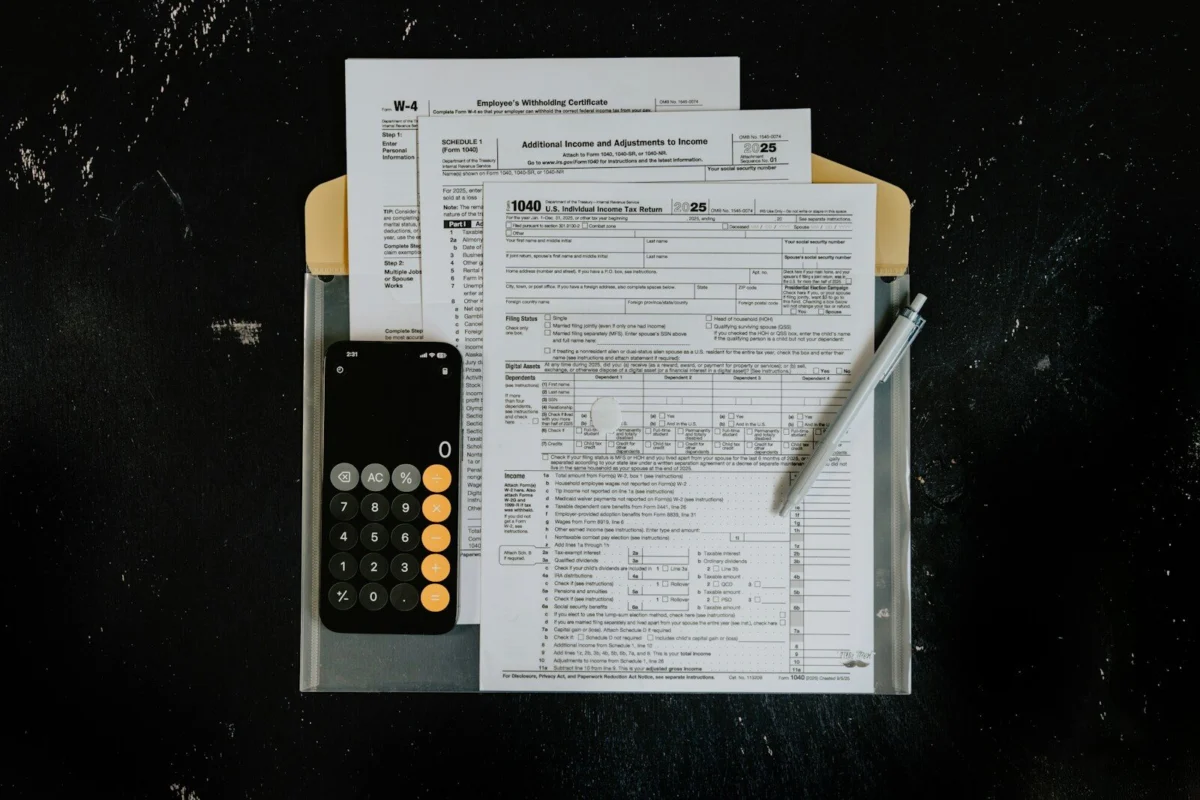
The Internal Revenue Service (IRS) officially unveiled the inflation-adjusted tax brackets and other critical figures for the 2027 tax year on November 5, 2026, marking a significant annual event that impacts nearly every working American. These new numbers, detailed in Revenue Procedure 2026-35, are designed to prevent "bracket creep" and ensure that taxpayers are not inadvertently pushed into higher tax brackets due to inflation alone. Affecting income earned throughout 2027 and the tax returns filed in early 2028, these adjustments signal substantial changes to how much of your paycheck is withheld, the potential size of your tax refund, and the strategic financial decisions taxpayers should consider making before December 31, 2026.
Understanding the Annual Inflation Adjustments: A Mechanism for Fairness
The annual adjustment of tax parameters by the IRS is not merely an administrative exercise; it is a fundamental pillar of fairness within the U.S. tax system. Without these regular updates, a phenomenon known as "bracket creep" would occur. Bracket creep happens when inflation pushes wages higher, but the tax bracket thresholds remain stagnant. Consequently, individuals find themselves in higher tax brackets, paying a larger percentage of their income in taxes, even though their real purchasing power has not increased. The indexing of tax brackets and other provisions for inflation was formally introduced with the Tax Reform Act of 1986, a legislative milestone aimed at creating a more equitable and stable tax environment.
For the 2027 tax year, the IRS’s comprehensive inflation adjustments reflect the economic realities of the preceding year. These adjustments are meticulously calculated using the Chained Consumer Price Index for All Urban Consumers (C-CPI-U), ensuring that the tax code remains responsive to changes in living costs. While the federal tax rates themselves – 10%, 12%, 22%, 24%, 32%, 35%, and 37% – remain unchanged, the critical shift lies in the income levels at which each of these rates begins to apply. This means that more of a taxpayer’s earnings will fall into lower tax brackets before higher rates are triggered, effectively reducing the overall tax burden for many.
Elevated Standard Deductions: Shielding More Income from Taxation
Perhaps one of the most impactful changes for the majority of American taxpayers, particularly those under 30 who frequently opt for simplicity over itemization, is the substantial increase in the standard deduction. For single filers, the standard deduction will rise to $16,600 in 2027, representing a $500 increase from 2026. Married couples filing jointly will see their standard deduction jump by $1,000, reaching an impressive $33,200. Head of household filers will also benefit, with their standard deduction increasing to $24,925.
This elevated standard deduction serves as a direct reduction to taxable income. For instance, a single filer earning $45,000 in 2027 would effectively owe no federal income tax on the first $16,600 of their earnings, before any tax brackets even come into play. This mechanism is crucial because it shields a larger portion of income from taxation upfront, providing a tangible benefit to millions of households. The trend of increasing standard deductions has been consistent since the Tax Cuts and Jobs Act (TCJA) of 2017 significantly expanded these amounts, with annual inflation adjustments further enhancing their value. Financial experts generally view these increases as a net positive, simplifying tax preparation for many and putting more money back into taxpayers’ pockets.
Shifting Tax Brackets: A Detailed Look at 2027 Thresholds
While the percentage rates remain constant, the upward shift of the income thresholds for each tax bracket is where the prevention of bracket creep truly manifests. This adjustment means that a larger portion of an individual’s income will be taxed at lower rates before they move into a higher bracket.
For single filers, the 2027 tax brackets are structured as follows:
- 10%: Income up to $11,950
- 12%: Income over $11,950 to $48,600
- 22%: Income over $48,600 to $104,050
- 24%: Income over $104,050 to $198,000
- 32%: Income over $198,000 to $250,000
- 35%: Income over $250,000 to $628,300
- 37%: Income over $628,300
Married couples filing jointly will generally see their income thresholds roughly double those for single filers across most brackets. For example, their 22% bracket will commence at $104,050, and the highest 37% bracket will begin at $793,650. These adjustments ensure that a cost-of-living raise, which might otherwise push an individual into a higher tax bracket without increasing real wealth, will now be less likely to have that unintended consequence.
The Child Tax Credit: A Boost for Families
Beyond the standard deduction and income brackets, the IRS also announced an increase in the Child Tax Credit (CTC) for 2027, offering a welcome financial uplift for eligible parents. The maximum Child Tax Credit will rise to $2,300 per qualifying child, a $100 increase from the 2026 tax year. Crucially, the refundable portion of this credit will also see an increase, reaching $1,800. The refundable aspect is particularly significant as it allows eligible families to receive a portion of the credit as a refund, even if their tax liability drops to zero.
This adjustment traces its origins to the "One Big Beautiful Bill Act," a landmark piece of legislation that made the Child Tax Credit permanent and explicitly tied its value to inflation indexing. This act also permanently extended several other individual tax provisions, embedding them into the annual IRS adjustment process. For families, these adjustments translate into tangible financial relief, supporting household budgets and mitigating the costs associated with raising children.
Why Your Paycheck Withholding Needs a Second Look for 2027
Despite these beneficial adjustments, the new brackets and higher standard deductions do not automatically translate into an updated paycheck. Your employer withholds taxes based on the information provided on your Form W-4, which you filled out at the start of your employment or after a significant life change. This form dictates your income level, filing status, and household details, which might no longer accurately reflect your current situation.
Life is dynamic. Perhaps you received a promotion and a significant raise, picked up a lucrative side gig, got married or divorced, or welcomed a new child into your family. Any of these events could render your existing W-4 outdated. Financial advisors are strongly urging taxpayers to proactively review their withholding now, before the first 2027 paycheck arrives. Waiting until April 2028 to discover a substantial under-withholding could lead to an unexpected tax bill or even penalties. Conversely, over-withholding means you’re giving the government an interest-free loan throughout the year. Updating your W-4 form ensures that your withholding accurately reflects your current financial and family circumstances, aligning your tax payments with your actual liability. The IRS Tax Withholding Estimator tool is an excellent resource for this purpose, providing personalized guidance to help taxpayers avoid year-end surprises.
Dispelling Common Tax Myths: A Raise Never Pushes You Backward
A persistent concern among many taxpayers is the misconception that a raise could inadvertently lead to less take-home pay because it pushes them into a higher tax bracket. This worry stems from a fundamental misunderstanding of how progressive tax brackets operate. It is crucial to remember that only the income above each threshold gets taxed at that threshold’s rate. All income below that threshold continues to be taxed at the lower rates that apply to those specific income segments.
This is the concept of a "marginal tax rate," which refers to the tax rate applied to your last dollar of taxable income. Your "effective tax rate," on the other hand, is the total amount of tax paid divided by your total taxable income. Due to the marginal nature of tax brackets, entering a higher tax bracket never reduces your overall take-home pay. You will always come out ahead with a raise, as only the portion of your income that falls into the new, higher bracket will be taxed at that rate, while all preceding income remains taxed at its respective lower rates. The 2027 adjustments reinforce this principle, ensuring that any increase in earnings translates directly into more disposable income.
Broader Impact and Implications for Financial Planning
The 2027 tax adjustments extend beyond individual taxpayers, having broader implications for financial planning and the overall economy. By adjusting for inflation, the government aims to maintain the purchasing power of taxpayers, which in turn supports consumer spending and economic stability.
For individuals, these changes present an opportune moment for a comprehensive financial review. Taxpayers should:
- Revisit Year-End Tax Planning for 2026: While the new brackets apply to 2027 income, decisions made before December 31, 2026, can significantly impact your 2026 tax liability. Consider maximizing contributions to 401(k)s, IRAs, and HSAs, and strategically managing capital gains or losses.
- Optimize Withholding for 2027: As emphasized, updating your W-4 is paramount. Use the IRS Tax Withholding Estimator to fine-tune your allowances and ensure your withholding matches your anticipated 2027 income and deductions.
- Review Retirement Contributions: Higher income thresholds mean more room for pre-tax contributions to retirement accounts within lower tax brackets. This can be a powerful strategy to reduce taxable income.
- Assess Child-Related Expenses: With the increased Child Tax Credit, families should ensure they are tracking all eligible expenses and understanding the credit’s implications for their overall tax strategy.
- Consult a Tax Professional: For complex financial situations, consulting a qualified tax advisor can provide personalized guidance, helping to navigate the nuances of the new tax landscape and identify potential savings or strategies.
Official Reactions and Expert Recommendations
Upon the release of these adjustments, the IRS typically issues statements emphasizing its commitment to maintaining a fair and efficient tax system. An inferred statement from the IRS Commissioner might highlight that "these annual inflation adjustments are critical to ensuring the tax code remains responsive to economic realities, preventing unintended burdens on American families and businesses. We encourage all taxpayers to familiarize themselves with these changes and utilize the resources available on IRS.gov to manage their tax obligations effectively."
Financial planning organizations and tax professional bodies consistently echo the sentiment that proactive engagement is key. John Doe, a certified financial planner and tax strategist, might comment, "The 2027 adjustments are largely favorable for taxpayers, offering increased deductions and broader income thresholds. However, these benefits are only fully realized when individuals take the initiative to review their personal financial situations and adjust their tax planning accordingly. Neglecting your W-4 or ignoring these changes could lead to missed opportunities or, worse, unexpected tax liabilities."
Final Thoughts: Empowering Taxpayers Through Information
The release of the 2027 tax brackets and related adjustments, while technical, carries significant implications for every American taxpayer. The core message is one of relief and opportunity: the standard deduction has grown, income thresholds have shifted upward, and a raise will always leave you financially better off. These changes are designed to keep more money in your pocket, safeguarding against the erosive effects of inflation.
However, the responsibility to leverage these benefits ultimately rests with the individual. The most immediate and impactful action taxpayers can take is to pull up their last pay stub this week and compare it with their current income, filing status, and household situation. A quick review of your W-4 form, potentially updated through the IRS’s online tools, can prevent an unpleasant surprise when you file your return in early 2028. Staying informed and taking proactive steps ensures that you fully benefit from these annual adjustments, making informed financial decisions that contribute to your overall economic well-being.

