
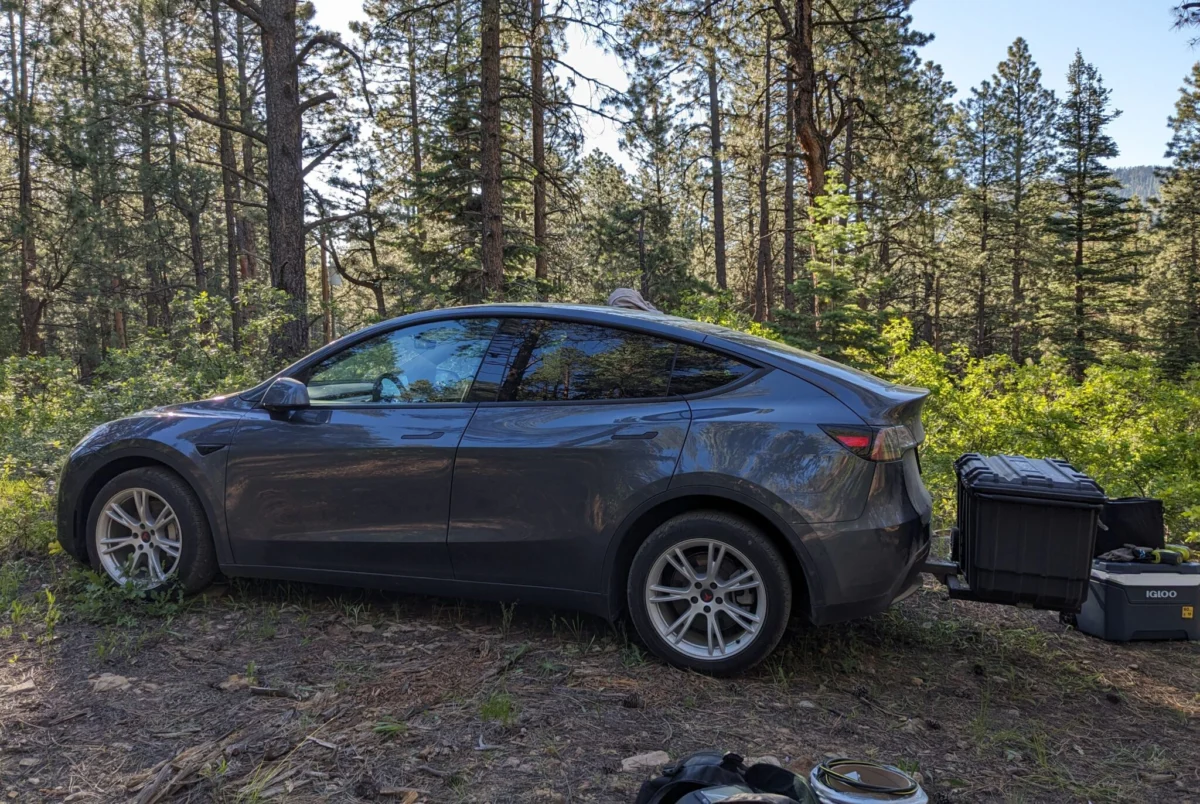
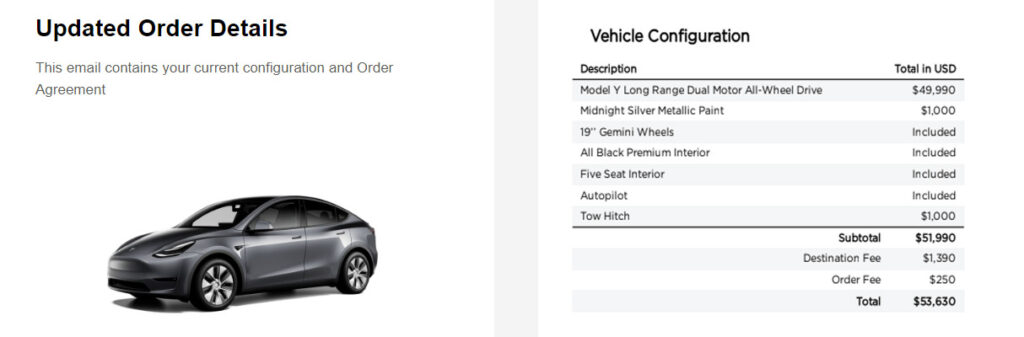
Peter Adeney, widely known as Mr. Money Mustache, a prominent figure in the financial independence and early retirement (FIRE) movement, has announced the purchase of a 2023 Tesla Model Y. This acquisition, a luxury electric crossover with a net cost of approximately $52,000 after taxes and credits, marks a notable departure from Adeney’s long-standing public advocacy for extreme frugality and aversion to car culture. The move has prompted discussion among his dedicated readership and the broader financial independence community, raising questions about the evolving nature of wealth management in retirement and the psychological challenges associated with strategic spending after years of disciplined saving.
Background: The Philosophy of Frugality and Financial Independence
For nearly two decades, Mr. Money Mustache has been a leading voice championing aggressive savings, minimalist living, and anti-consumerist principles. His blog, launched in 2011, became a cornerstone for millions seeking to achieve financial independence (FI) and early retirement (RE). Adeney himself retired at the age of 30 in 2005, illustrating the practical application of his philosophy. Key tenets of his approach include optimizing expenses, embracing DIY solutions, prioritizing experiences over material possessions, and critically questioning societal norms around consumption, particularly regarding automobiles. He frequently criticized the "car culture," advocating for cycling, walking, and maintaining older, reliable vehicles for as long as possible. His previous vehicle, a Honda van purchased for $4,500 twelve years prior, epitomized this philosophy, serving as a utilitarian workhorse for travel, home repairs, and community projects. The stark contrast between this venerable van and a new, high-tech Tesla underscores the significance of his recent purchase.
The Tesla Model Y: A Deep Dive into the Acquisition
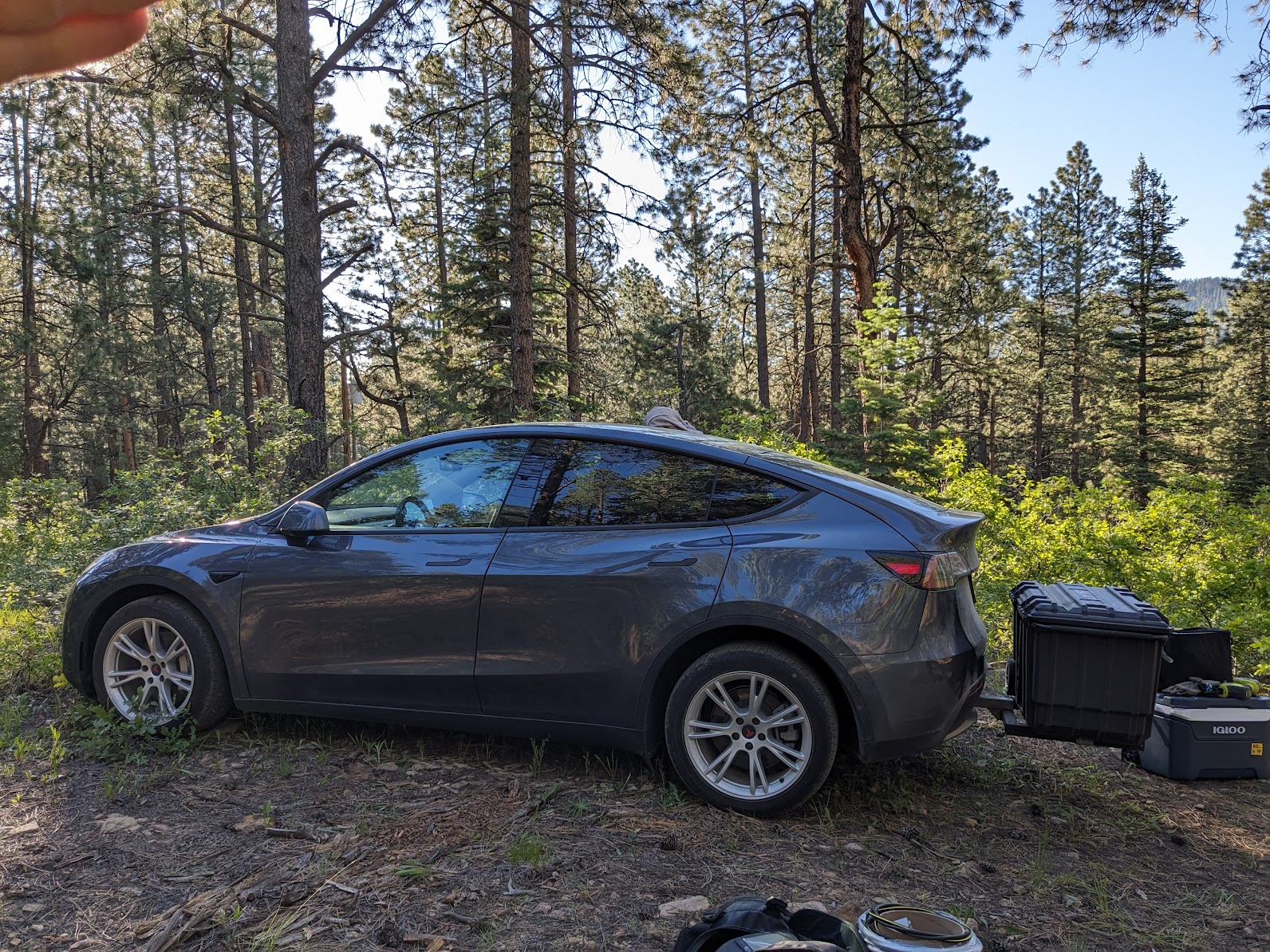
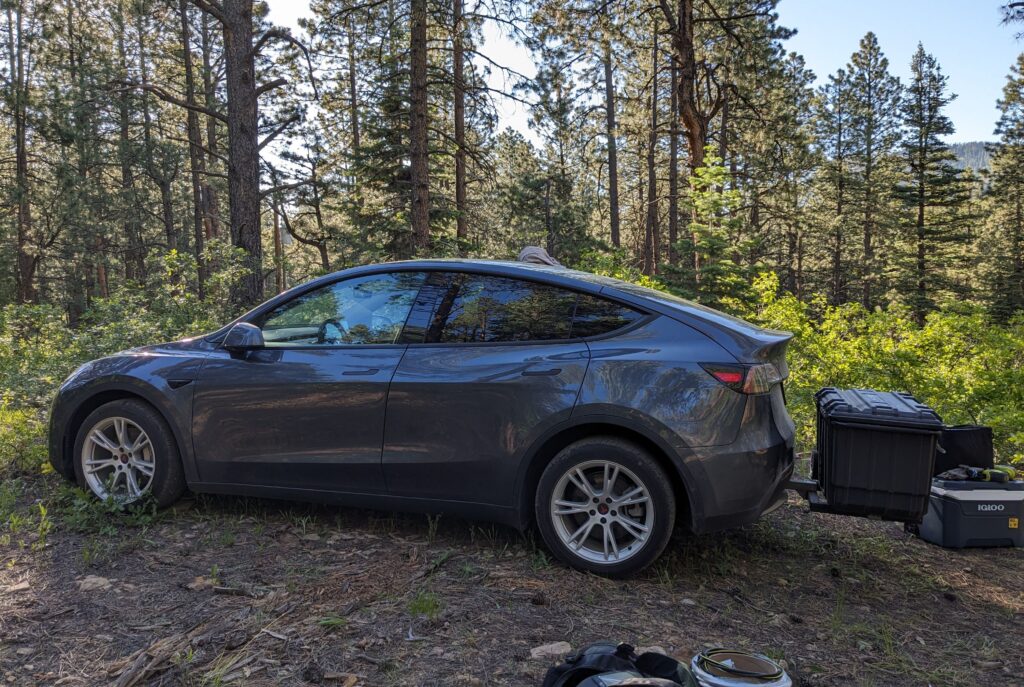
The 2023 Tesla Model Y, a highly sought-after electric vehicle, is positioned as a premium crossover SUV. Its features, including all-wheel drive, rapid acceleration (often compared to high-performance sports cars), seating for up to seven, and advanced computational capabilities, align it firmly in the luxury segment. The reported net cost of $52,000 for Adeney reflects the vehicle’s market price adjusted for potential federal and state electric vehicle tax credits, which can significantly reduce the out-of-pocket expense for eligible buyers. For instance, the U.S. federal clean vehicle tax credit can offer up to $7,500 for qualifying new EVs, influencing the effective price point for consumers.
This substantial investment represents a significant upgrade from his previous automotive solution. The Honda van, after twelve years of service across mountains and deserts, ultimately succumbed to mechanical failure, specifically a transmission issue on a mountain pass near Salida, Colorado. This incident served as a critical catalyst for Adeney, transforming a lingering "negative stress" point into an urgent need for a reliable, long-range vehicle.
A Shift in Perspective: "What Got You Here, Won’t Get You Where You’re Going"
Adeney candidly acknowledges the apparent contradiction between his public persona and this high-value purchase, expressing "self-mockery and ridicule." However, he frames the decision within the context of a broader life principle: "What got you here, won’t get you where you’re going." This adage, often applied in business strategy and personal development, suggests that the methods and mindsets that lead to initial success may not be sufficient or optimal for navigating subsequent phases of growth or life. For the financially independent, this translates to recognizing when extreme frugality, while instrumental in accumulating wealth, might become a hindrance to optimizing well-being and life enjoyment in retirement.
This philosophical pivot is not unique to Mr. Money Mustache. Many individuals who achieve financial independence through rigorous saving encounter a psychological barrier to spending, even when their wealth comfortably supports a higher standard of living. This phenomenon, often termed "scarcity mindset," is a deeply ingrained habit that can persist long after the financial necessity for it has passed.
The Psychological Barriers to Spending: Anecdotes and Principles
To illustrate this internal conflict, Adeney recounts a seemingly trivial experience: balking at the $6.99 price of Dave’s Killer Bread at a local grocery store, a stark contrast to the $4.50 he typically pays at a bulk retailer. This "Grocery Shopping With Your Middle Finger" reaction, as he terms it, highlights the persistent impulse to optimize even minor expenses, despite substantial accumulated wealth. He concludes that such micro-frugality, at a certain point, becomes counterproductive to overall happiness.
This anecdote serves as a springboard for three principles developed in collaboration with a similarly wealthy, frugal friend, aimed at fostering a healthier relationship with money in retirement:
-
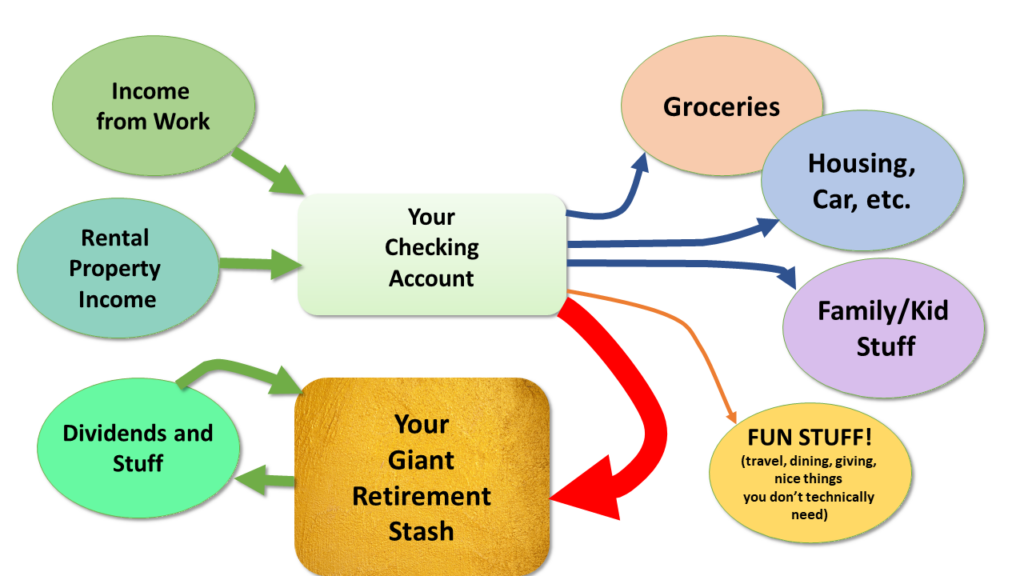
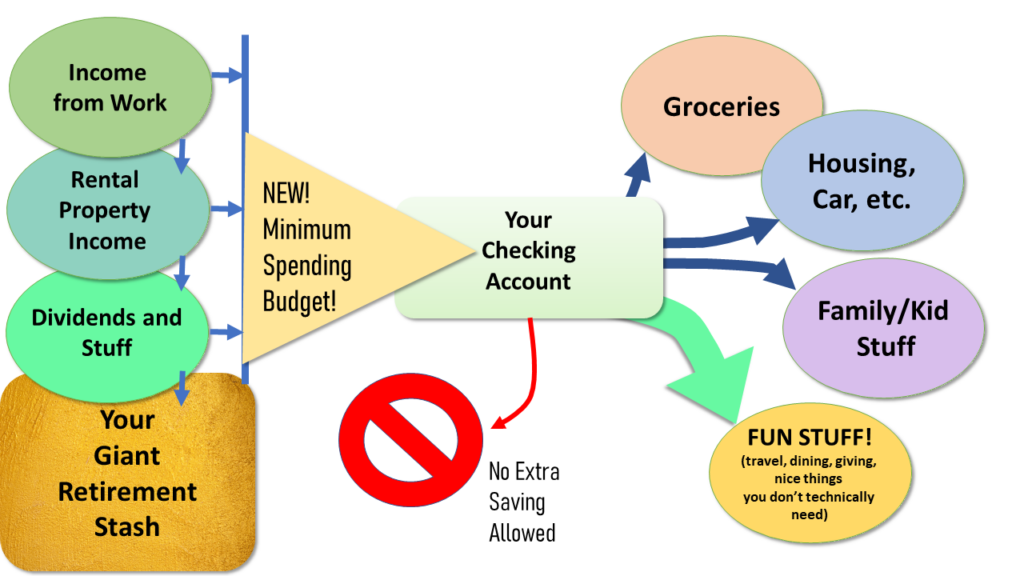
The Minimum Spending Budget: This principle challenges the notion that financially independent individuals, particularly "Mustachians" (followers of MMM’s philosophy), often underspend relative to their safe withdrawal rates. Using the widely accepted 4% rule (which suggests safely withdrawing 4% of one’s investment portfolio annually without depleting capital), a person with a $2 million portfolio could theoretically spend $80,000 per year. Even a more conservative 3% withdrawal rate allows for $60,000 annually. Many, however, continue to live on $40,000 or less, driven by habit rather than necessity. Adeney posits that establishing a "minimum spending level" can act as a psychological floor, encouraging individuals to allocate sufficient funds for experiences and improvements without guilt.
-
The Dedicated Money Wasting Account: Recognizing the difficulty of spending "your own" hard-earned money on perceived frivolities, this principle suggests creating a separate fund specifically for discretionary spending. By conceptually compartmentalizing this money, it can feel more like "somebody else’s money," akin to expensing items on a business trip. This behavioral economics strategy, known as "mental accounting," allows individuals to bypass the psychological friction associated with spending their primary savings. This dedicated fund aims to foster a guilt-free approach to enjoying the fruits of one’s labor.
-
The Splurge Accountability Buddy: Financial habits, like many other personal goals, often benefit from social support. Adeney highlights the value of having like-minded friends who are also grappling with the transition from saving to strategic spending. These "accountability buddies" can challenge excessive cheapness, encourage thoughtful splurges, and provide mutual support in breaking ingrained frugal habits. He cites examples of friends making similar shifts, such as Carl (Mr. 1500 Days) replacing his minivan with a Chevrolet Bolt EV, and his own prolonged deliberation over the Tesla.
Effective Splurging: Prioritizing Impactful Improvements
Beyond merely spending more, Adeney emphasizes the importance of effective splurging – directing funds toward areas that genuinely alleviate stress or enhance life quality, rather than simply upgrading already satisfactory aspects. He cautions against two extremes:
- Over-reducing hardship: Hiring out every household chore can diminish the satisfaction derived from personal accomplishment and overcoming challenges.
- Upgrading already good things: Investing heavily in an area already providing high satisfaction (e.g., a gourmet coffee setup when existing coffee is already enjoyed) may yield diminishing returns on happiness.
Instead, the focus should be on eliminating persistent sources of "angst and stress." For Adeney, the unreliable Honda van, limiting his ability to travel and engage in activities like "Carpentourism" (combining carpentry with tourism at his new Salida vacation rental compound), represented such a stressor. The Tesla, with its reliability and long-range capabilities, directly addresses this negative aspect, promising "excitement rather than dread at the prospect of all the road trips in the coming decades."
Broader Implications: Philanthropy and Personal Fulfillment
Addressing potential criticisms regarding wealth and philanthropy, Adeney emphasizes that strategic personal spending does not preclude charitable giving. He reveals a significant history of donations, exceeding $500,000 to various causes during his blogging career. He argues that an overly stringent scarcity mindset can paradoxically hinder both personal enjoyment and even charitable impulses, leading to a "fear side" of the brain that illogically restricts all spending.
His stance suggests a nuanced perspective: be a responsible steward of savings, give generously to charity, but also permit judicious "frivolous spending" on oneself and loved ones. Examples include paying for better airline seats to reduce travel stress or opting for convenience (e.g., Whole Foods berries) to avoid "parking lot hell," even if more expensive. These small choices, when aligned with genuine stress reduction or enjoyment enhancement, contribute to overall well-being. The Tesla, for Adeney, represents the ultimate embrace of this principle, promising a smooth, quiet, and powerful travel experience that permanently leaves behind the "wheezing and gear shifting and noise of the gasoline era."
The "Model Y Experiment" and Future Tracking
To further explore and document this new phase of strategic spending, Mr. Money Mustache has launched a dedicated "The Model Y Experiment" page on his blog. This tracker will serve as an ongoing repository for findings, Q&A, and updates regarding the ownership experience, including reliability, customer service, and any modifications or upgrades. This transparency aligns with his long-standing commitment to sharing real-world financial data and insights with his audience. The sale of his old Honda van, affectionately dubbed "Vanna," was facilitated through an online salvage service, Peddle, netting $715, which he deliberately allocated to "splurges like dinners out," reinforcing the article’s core theme.

The decision to acquire a Tesla Model Y by one of the most influential voices in the frugality movement is more than just a personal vehicle purchase; it symbolizes a evolving understanding of financial independence. It suggests that true financial freedom encompasses not only the ability to save aggressively but also the wisdom to strategically deploy accumulated wealth for enhanced life experiences and well-being, especially after decades of diligent saving have secured a robust financial foundation. This pivot offers a compelling case study for his audience on how to transition from the accumulation phase to the strategic spending phase of retirement, maintaining financial prudence while embracing newfound freedom and quality of life.

