

The management of domestic finances through the lens of intentionality and strategic consumption remains a cornerstone of the modern frugality movement, as evidenced by a detailed analysis of monthly expenditure and household operations within a high-efficiency rural Vermont household. This report examines the intersection of financial independence, childhood literacy development, and the burgeoning secondary consumer market, highlighting how specific behavioral choices impact long-term capital preservation. By prioritizing the "used-first" methodology and leveraging technological tools for financial oversight, households can achieve a balance between rigorous savings and the fulfillment of qualitative life goals.

Literacy Development and the Educational Value of Fantasy Literature
A significant milestone in the household’s developmental curriculum was reached this quarter as the family transitioned to advanced narrative structures. Elizabeth Thames, a financial consultant and proponent of intentional living, reported that her eldest child, colloquially referred to as "Kidwoods," has begun reading J.R.R. Tolkien’s The Hobbit aloud to her father. This pedagogical approach serves a dual purpose: it fosters a shared familial ritual and allows for real-time assessment of reading fluency, pronunciation, and contextual comprehension.
The progression to Tolkien’s work was preceded by a curated sequence of literature, beginning with John Patience’s Fern Hollow series and Brian Jacques’ Redwall novels. Pedagogical experts suggest that reading aloud to parents or guardians significantly enhances a child’s phonemic awareness and confidence. In this instance, the family utilized the complex moral landscapes of Middle-earth to facilitate discussions on ethics and social behavior. While Tolkien’s work contains elements that some may find intense for a seven-year-old, the household reported that the narrative provided essential opportunities to analyze "bad behavior" and articulate the consequences of interpersonal conflict within a safe, fictional framework.

Notably, the family opted to purchase a new, illustrated, hardcover edition of the book—a rare departure from their standard "library-first" policy. This acquisition represents a strategic exception to the frugality rule, where the value of a sentimental heirloom outweighs the immediate cost savings of a used copy.
The Psychology and Environmental Impact of the Resale Economy
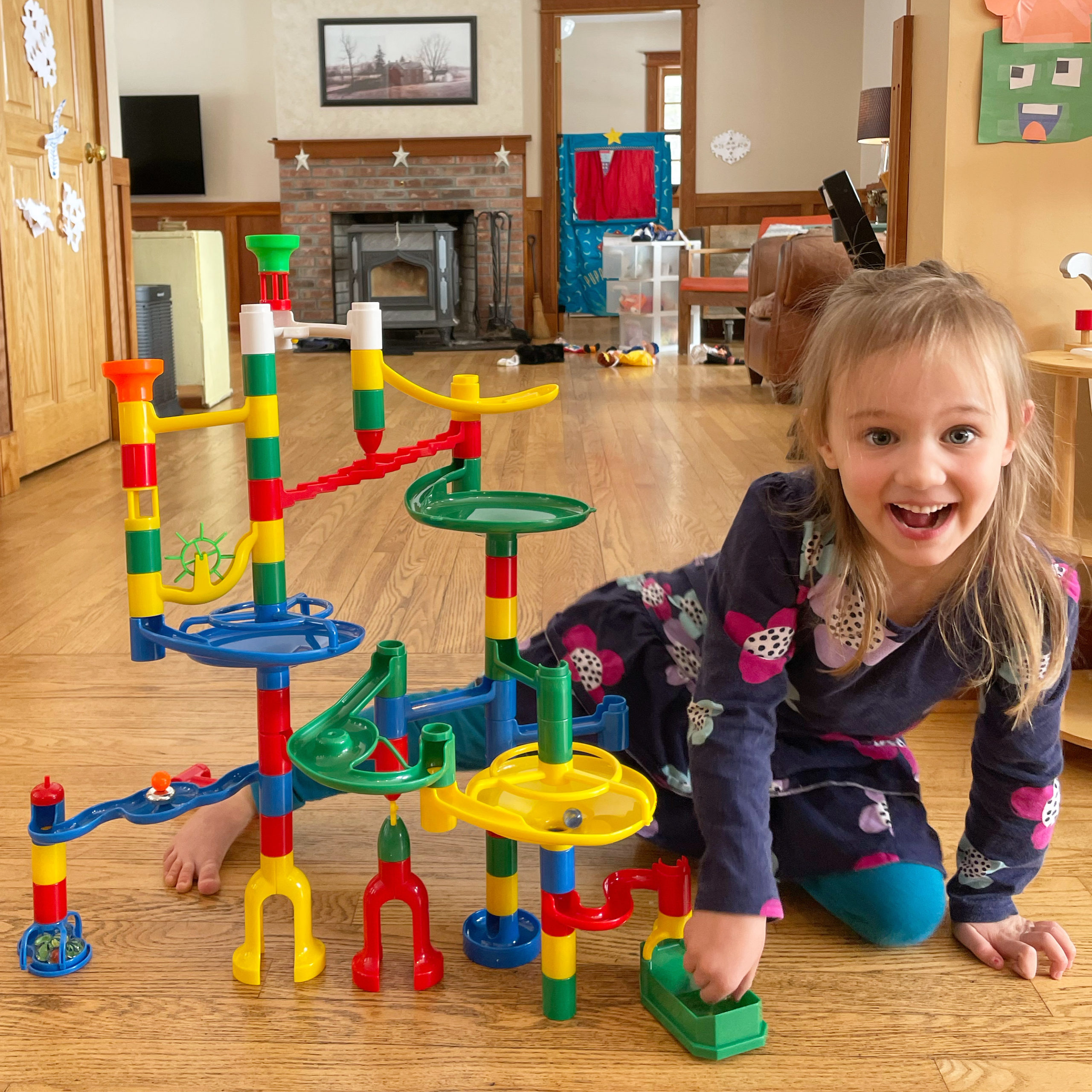
The household’s financial strategy is heavily reliant on the secondary market, particularly during the "yard sale season" in New England. This approach is not merely a cost-saving measure but is rooted in a sophisticated understanding of consumer psychology and environmental stewardship.
1. Mitigation of Decision Fatigue
The Thames family cites "choice overload" as a primary reason for avoiding traditional retail. According to psychological research, including studies highlighted by NPR and Barry Schwartz’s The Paradox of Choice, an infinite array of options can lead to psychological exhaustion and decision paralysis. By shopping at yard sales and thrift stores, the consumer is presented with a finite, curated selection, which simplifies the decision-making process and increases overall satisfaction with the chosen item.
2. The Circular Economy and Environmental Sustainability
The environmental benefits of buying used are well-documented. The manufacturing of new textiles and household goods is a resource-intensive process involving significant carbon emissions and water consumption. By participating in the resale market, households effectively extend the lifecycle of products, reducing the demand for new manufacturing and diverting functional items from landfills.

3. Overcoming the Endowment Effect
The "endowment effect" is a psychological bias wherein individuals overvalue items simply because they own them. By acquiring goods at a low cost through the used market, the Thames family reports a reduced emotional and financial attachment to physical objects. This allows for a more fluid "hand-me-down" culture, where items are easily passed to others once their utility in the current household has expired, thereby fostering community ties.
Comprehensive May Expenditure Analysis
In a detailed disclosure of May’s financial activities, the household reported a total expenditure of $4,641.49. This figure encompasses all operational costs, ranging from fixed utilities to variable maintenance and educational expenses.

Fixed Costs and Utility Management
A notable feature of the household’s infrastructure is the integration of solar energy. The monthly electric bill was reported at $36.59, which represents the base price for remaining tied to the electrical grid. This "grid-tied" model allows the family to contribute excess energy during peak production months while maintaining a reliable power source during the winter.
Telecommunications costs were also minimized through the use of a Mobile Virtual Network Operator (MVNO). The family paid a total of $28.24 for two active phone lines. MVNOs function by purchasing bulk access to major network towers (such as T-Mobile or Verizon) and reselling that access at a fraction of the cost. Industry analysts note that switching to an MVNO can save the average consumer hundreds of dollars annually without a significant loss in service quality.

Variable Expenses and Home Maintenance
The May report highlighted the recurring costs associated with rural property management and the "wear and tear" inherent in a household with young children. Significant line items included:
- Infrastructure Maintenance: $57.88 for a new sillcock and plumbing tools.
- Hardware Replacements: Approximately $40.00 for replacement cabinet hinges, doorknobs, and a toilet paper holder, all of which had reached the end of their functional life due to frequent use by children.
- Land Management: $293.15 for a battery-powered string trimmer and $126.94 for a pole saw attachment, essential for managing invasive vegetation and pruning fruit trees on the property.
- Clothing: While the family utilizes thrift stores for the majority of their needs, $223.91 was spent on a new summer/fall wardrobe for Mr. Thames, underscoring the reality that some items must occasionally be purchased new or in bulk to ensure quality and fit.
Financial Tools and Capital Optimization
The household utilizes several sophisticated financial strategies to ensure their capital remains productive. This includes the use of high-yield savings accounts and automated tracking tools.

High-Yield Savings and Interest Accumulation
The family advocates for the use of American Express Personal Savings or similar high-yield accounts, which currently offer interest rates around 4%. In a comparative analysis, a $5,000 balance in a standard 0% interest account yields no return, whereas the same balance in a high-yield account generates $200 in passive income annually. This "lazy money" vs. "active money" distinction is a fundamental principle of their wealth management strategy.
Automated Financial Oversight
To maintain a holistic view of their net worth, the family employs the Empower (formerly Personal Capital) platform. This tool aggregates data from all financial accounts, providing a comprehensive picture of spending, investments, and retirement trajectories. Financial experts agree that such visibility is crucial for making informed decisions regarding debt repayment and investment goals.

Credit Card Rewards as a Revenue Stream
The family conducts nearly all transactions via a cash-back credit card, specifically the Fidelity Rewards Visa, which offers a flat 2% return on all purchases. In May, this strategy netted the household $81.64. While seemingly modest, when applied to a full year of necessary expenditures, this practice functions as a significant discount on the cost of living.
Broader Impact and Implications for Modern Households
The Thames family’s approach to frugality offers a blueprint for "selective spending." By drastically reducing costs in areas where used goods or budget services are sufficient—such as children’s toys, clothing, and cellular service—they allocate funds toward high-value experiences, such as restaurant dining with friends and family beach passes.

This model of "extreme frugality" is increasingly relevant in an era of fluctuating inflation and economic uncertainty. The ability to distinguish between "wants" and "needs," combined with a disciplined adherence to the used market, provides a buffer against financial volatility. Furthermore, the emphasis on community-based resource sharing (hand-me-downs and yard sales) suggests that the path to financial independence can also strengthen local social fabrics.
In conclusion, the May financial report from the Thames household demonstrates that frugality is not characterized by deprivation, but by the optimization of resources. Through the combination of strategic literacy initiatives, psychological awareness in consumerism, and the aggressive use of financial technology, it is possible to maintain a high standard of living while securing a robust financial future. The integration of a "Hobbit" into the home is perhaps the most telling indicator of this success: a sign that when the finances are managed with precision, there is ample room for the magic of literature and the growth of the next generation.

