
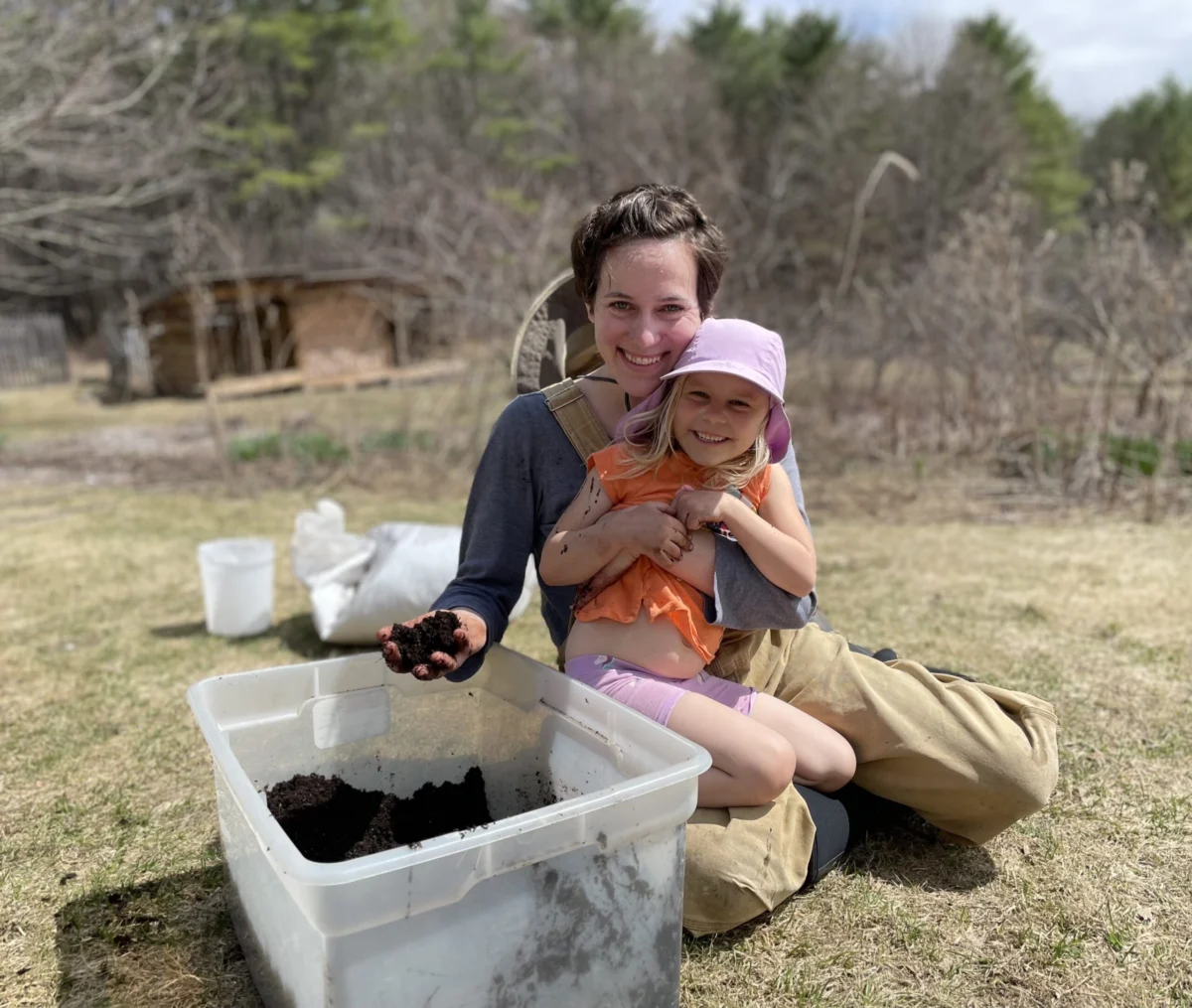
The transition from urban environments to rural self-sufficiency has become a significant demographic trend over the last decade, often driven by the desire for financial independence and a reduced environmental footprint. However, a multi-year longitudinal analysis of a 66-acre homestead in rural Vermont reveals a stark contrast between the idealistic expectations of "total food self-sufficiency" and the practical, labor-intensive realities of agricultural production. Since May 2016, the residents of the Frugalwoods homestead, Nathan and Elizabeth Willard, have documented a significant shift in their operational philosophy, moving away from the goal of total dietary independence toward a more sustainable, hybrid model that incorporates local market participation and selective cultivation.
The Initial Framework of Rural Migration
In May 2016, the Willards relocated from a metropolitan area to a 66-acre tract of forested land in Vermont. The primary objective was to exit the "urban rat race" and establish a homestead capable of providing for the majority of the family’s nutritional needs. This move was predicated on several core assumptions common among new rural migrants: that home-grown food would be more cost-effective, that the labor involved would be inherently joyful and restorative, and that a family could reasonably manage the lifecycle of planting, harvesting, and preserving a diverse range of crops alongside other professional and domestic responsibilities.

The initial vision included not only extensive vegetable gardening but also the potential for animal husbandry, including meat chickens, pigs, goats, and a dairy cow. This "Little House on the Prairie" archetype, updated with modern medical and social sensibilities, served as the foundational motivation for the first several years of the project.

Chronology of Agricultural Realignment: 2016–2023
The first two years of the homestead (2016–2018) were characterized by aggressive expansion and infrastructure development. During this period, the residents focused on annual crops and the establishment of perennial fruit systems. However, by 2018, the project reached a critical juncture regarding labor capacity and output management.

A defining event, later categorized as the "Kale and Chard Apocalypse of 2018," serves as a primary case study for the challenges of over-production. In an attempt to maximize yield, the homesteaders planted and successfully cultivated 80 kale and chard plants. While the yield was high, the subsequent labor required for processing—harvesting, multi-stage washing, blanching, drying, and freezing—proved to be an "all-consuming, full-time job." The processing of a single harvest of these crops required multiple days of continuous labor, often involving extended family members to meet the demands of the ripening cycle.

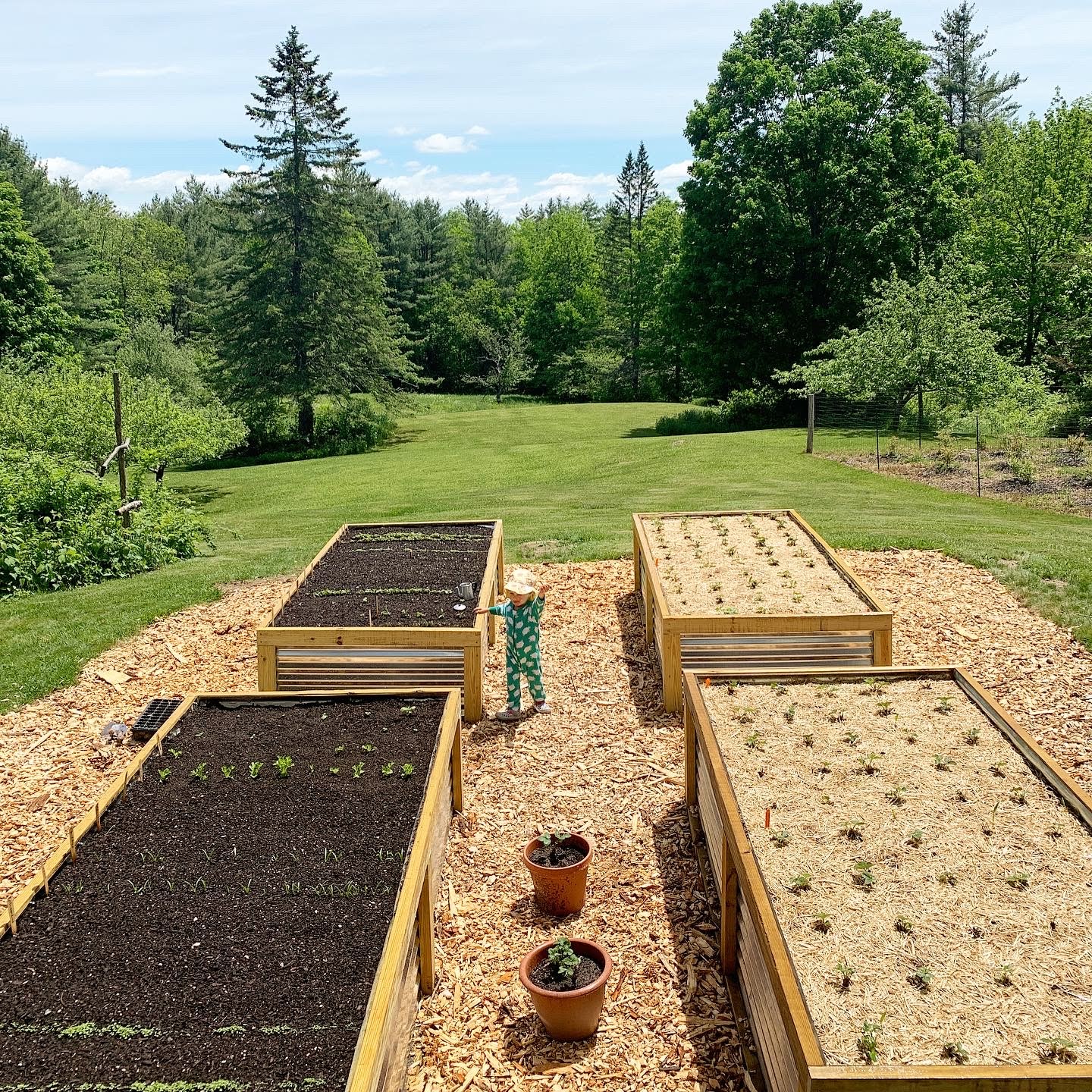
By 2020, the homesteading strategy shifted toward infrastructure efficiency. The family installed four large raised beds in close proximity to the primary residence to reduce the "commute" to the fields and focused on "perennial food situations." By May 2023, the seven-year mark of the experiment, the residents officially abandoned the goal of total food self-sufficiency in favor of a balanced approach that prioritizes time-freedom over maximum caloric output.

Data Analysis of Homestead Production Constraints
The experience of the Vermont homesteaders highlights several data-driven constraints that impact small-scale agricultural viability:

- Labor-to-Yield Ratio: For subsistence-level production, the labor required for preservation often exceeds the labor required for cultivation. Professional canning and freezing of garden surplus can demand 12 to 14 hours of kitchen labor per harvest cycle, a schedule that often conflicts with modern parental and professional obligations.
- Perennial Lead Times: Data from the Vermont property indicates that perennial crops require significant upfront investment with delayed returns. Apple trees on the property required approximately six years to reach initial fruiting, while blueberry bushes required two years for a minimal edible harvest.
- Loss to Wildlife (The Varmint Factor): Despite the use of fencing and netting, biological competition remains a primary cause of crop failure. The residents reported near-total losses of cherry and plum harvests to local wildlife, categorized as the "Clever Varmint Patrol" (CVP). Furthermore, local fauna, such as wild turkeys, presented unique challenges to enclosed garden systems, often requiring manual intervention to prevent damage to both the animals and the infrastructure.
- Climatic Variability: Vermont’s growing season is subject to extreme volatility. Late spring frosts, early autumn freezes, and unpredictable precipitation patterns can result in the total loss of specific crops, regardless of the homesteader’s effort or skill level.
Current Operational Infrastructure
As of May 2023, the 66-acre homestead maintains a tiered gardening system designed to maximize efficiency while minimizing burnout:

- Zone 1 (Proximate Raised Beds): Four beds located near the back porch focus on high-use, low-maintenance crops. These include strawberries, rhubarb, and various culinary herbs (chives, oregano, thyme, sage, and mint). This zone allows for "snip-as-you-go" harvesting, which integrates seamlessly with daily meal preparation.
- Zone 2 (The "Big" Vegetable Garden): This fenced area utilizes cattle panels for vertical growth, a method that reduces the labor required for individual trellising of tomatoes, snap peas, and cucumbers. This area also serves an educational purpose, with specific rows allocated to the family’s children to foster agricultural literacy.
- Zone 3 (Perennial Orchard): The orchard includes a variety of fruit-bearing trees and bushes, such as apples, pears, plums, cherries, blueberries, raspberries, and elderberries. The management of this zone has shifted from aggressive preservation to a "fresh consumption and sharing" model.
Socio-Economic Implications and Expert Analysis
The shift from self-sufficiency to a "hybrid" model has broader implications for the rural economy. In their revised approach, the Willards have transitioned from being competitors with local farmers to being active patrons. By purchasing staples and specialized produce from neighboring full-time farmers, the homesteaders support the local agricultural economy while reclaiming their own time.
Agricultural economists note that "homesteading burnout" is a frequent phenomenon among those who attempt to replicate 19th-century subsistence models without 19th-century social structures (such as large, multi-generational labor pools). The Vermont case study suggests that for modern homesteaders, "acceptance" is the final stage of development—accepting that total self-sufficiency may be less efficient than a specialized, community-based food system.

Furthermore, the psychological impact of the "perfection trap" in homesteading is significant. The residents noted that the pressure to be a "perfect homesteader" can replicate the same stress and anxiety found in high-pressure corporate environments. By decanting the "stress of the office" from the "joy of the garden," the residents argue that they have achieved the original goal of their move: freedom and space.

Broader Impact on the Homesteading Movement
The findings from the seven-year Frugalwoods retrospective suggest a maturing of the modern homesteading movement. The initial wave of "back-to-the-land" enthusiasm, often fueled by social media portrayals of idyllic rural life, is being replaced by a more pragmatic "homesteading-lite" or "balanced homesteading" philosophy.

This model prioritizes:

- Infrastructure over Intensity: Building systems (like cattle panels and raised beds) that require less daily maintenance.
- Skill Acquisition over Total Output: Using the garden as a classroom for children rather than a primary calorie source.
- Community Integration: Relying on professional farmers for labor-intensive crops while focusing home efforts on high-joy, low-stress perennials.
In conclusion, the Vermont homesteading experiment demonstrates that while 66 acres of land provides the capacity for total food independence, the desirability of that independence is contingent upon a family’s willingness to commit to a lifestyle of near-constant agricultural labor. For the Willards and many like them, the ultimate value of rural life lies not in the quantity of home-canned pickles in the larder, but in the ability to choose how their time is spent in a natural environment. The transition from "Old Me" (the aspirational subsistence farmer) to "Current Me" (the realistic rural resident) marks a successful adaptation to the complexities of the 21st-century rural landscape.

