
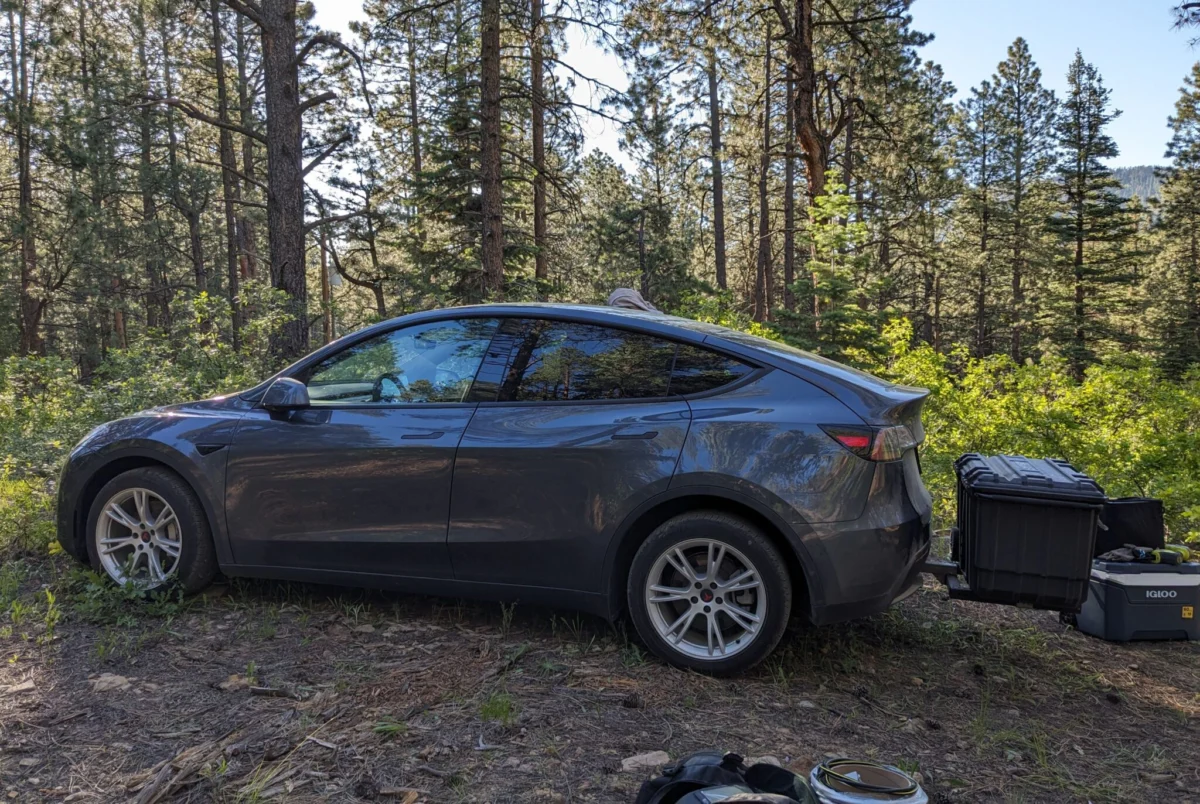
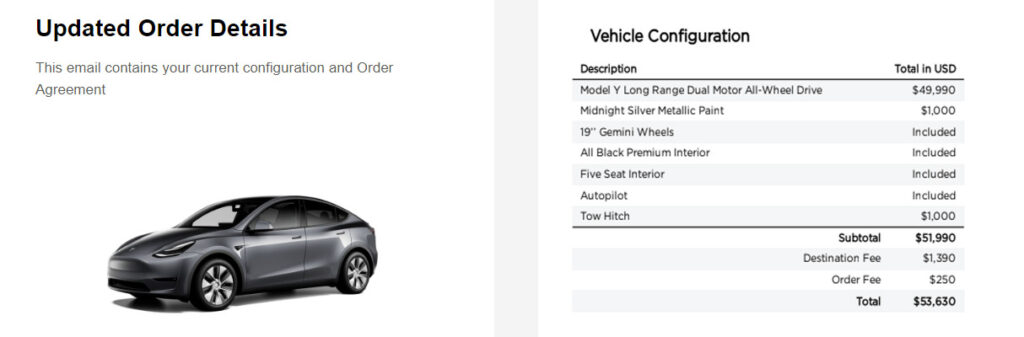
Peter Adeney, widely known as Mr. Money Mustache, a prominent figure in the financial independence, retire early (FIRE) movement, has recently taken delivery of a 2023 Tesla Model Y, a move that marks a significant departure from his long-standing advocacy for extreme frugality and an anti-car culture stance. This acquisition, with a net cost of approximately $52,000 after taxes and federal tax credits, replaces a 23-year-old Honda van purchased for $4,500 twelve years prior, prompting a reevaluation of spending habits among those who have achieved financial freedom.
Background on Mr. Money Mustache’s Financial Philosophy
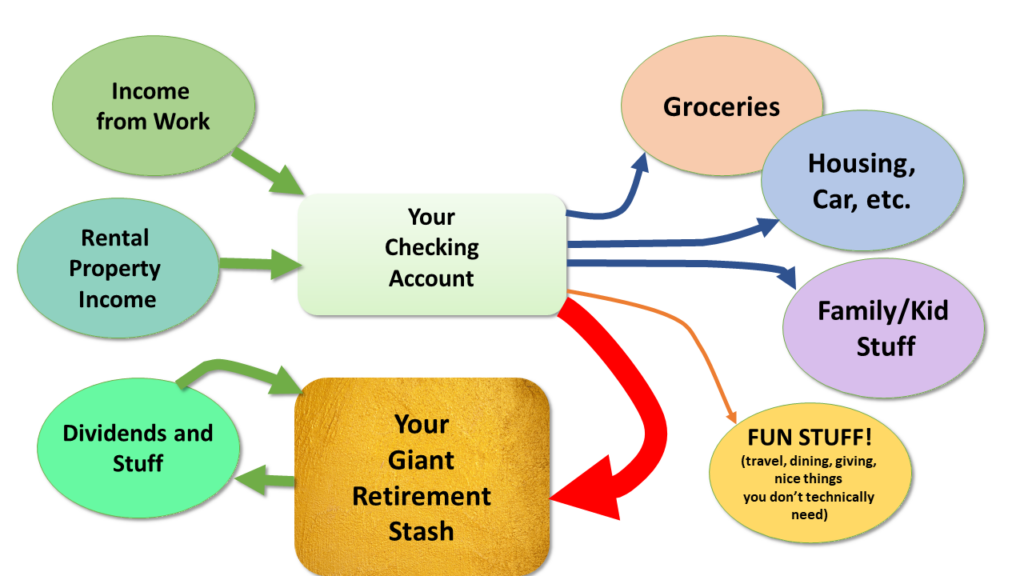
Since launching his blog in 2011, Mr. Money Mustache has become a leading voice for a disciplined approach to personal finance, emphasizing high savings rates, minimalist living, and a critical view of consumerism, particularly car ownership. His philosophy, which enabled his own early retirement 18 years ago, centers on optimizing expenses to reduce the "Stash," the amount of money needed to sustain a desired lifestyle indefinitely. He famously championed cycling, walking, and public transport over car use, and when cars were necessary, advocated for inexpensive, durable, used vehicles. This ethos resonated deeply with millions seeking to escape the traditional nine-to-five grind, building a community around deliberate financial choices and challenging conventional notions of wealth and consumption.
The Acquisition of a Luxury Electric Vehicle
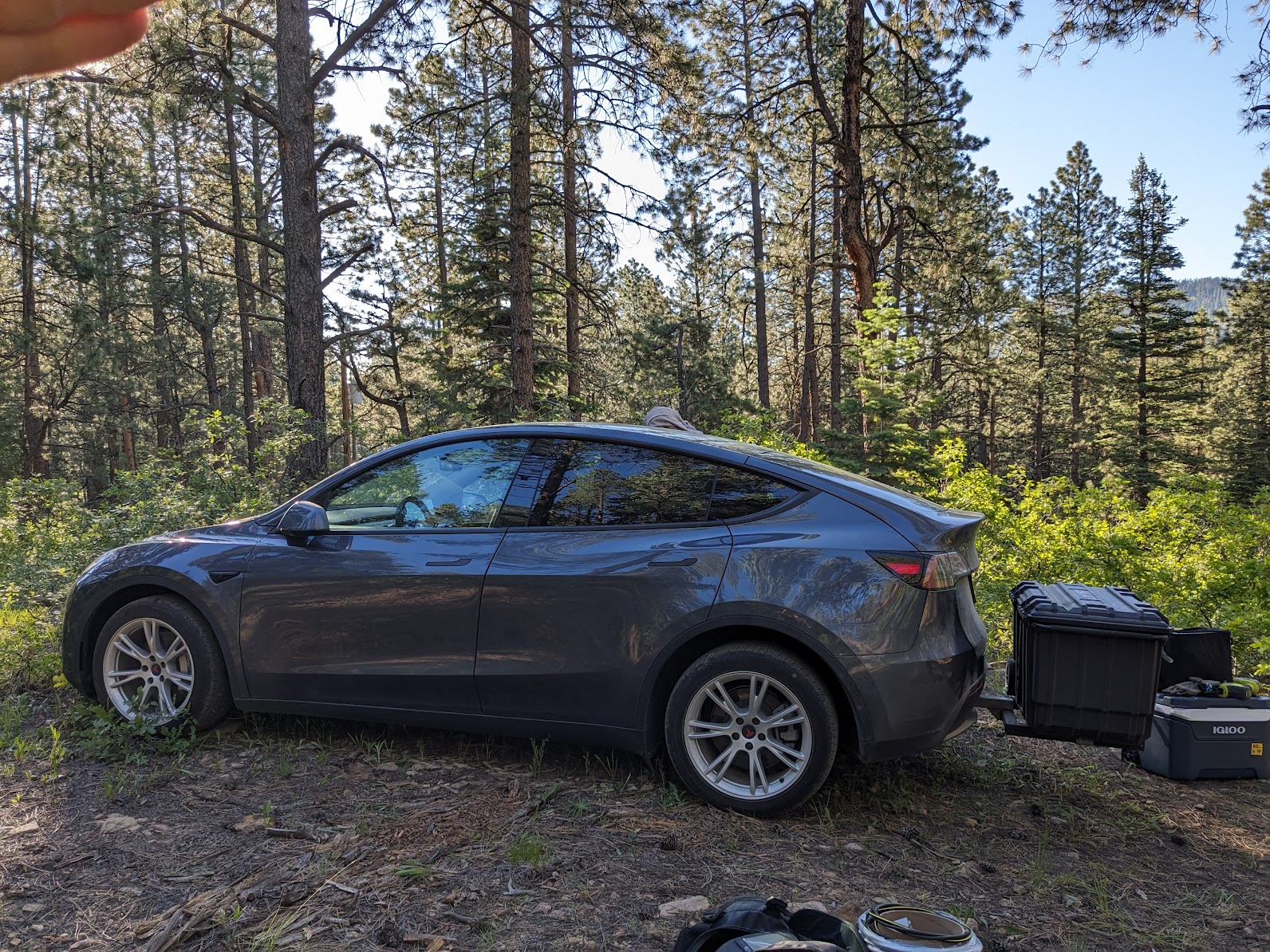
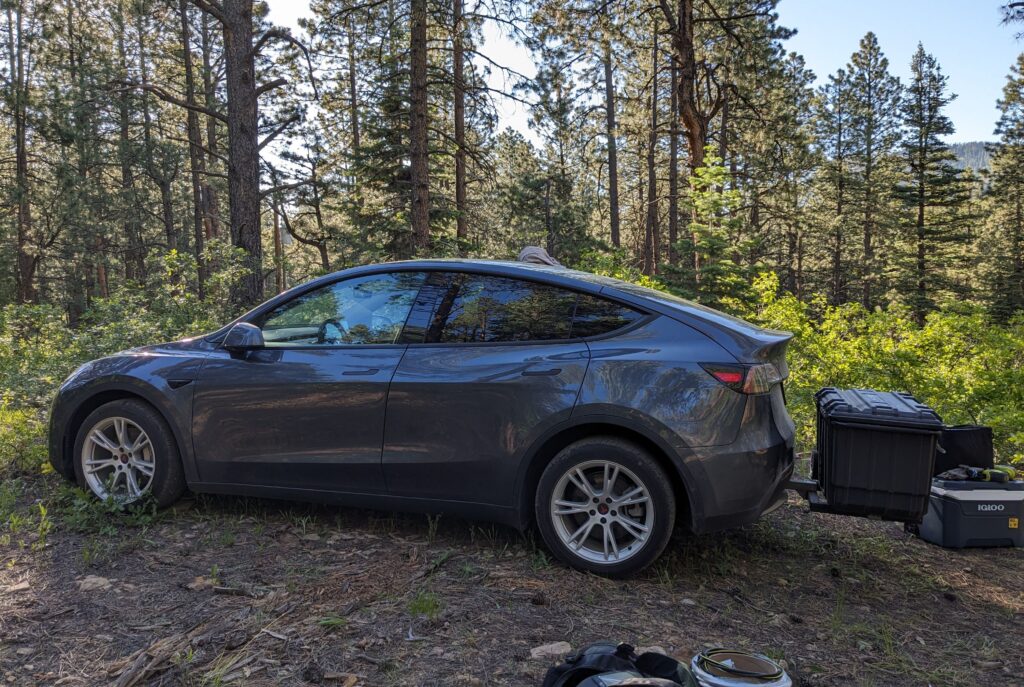
The decision to purchase a Tesla Model Y, described by Adeney himself as "a rather expensive, luxury ‘crossover’ that is absolutely loaded to the gills with excess," represents a notable shift. The vehicle boasts all-wheel drive, acceleration capabilities surpassing many high-performance sports cars, seating for up to seven passengers, and advanced computational features. This stands in stark contrast to the utilitarian Honda van, affectionately known as "Vanna," which served him dutifully for over a decade, facilitating everything from cross-country camping trips to local home renovation projects. The van’s eventual demise due to a transmission failure on a mountain pass served as the final impetus for the upgrade, ending its 23-year service life.
The cost difference between the $4,500 van and the $52,000 net cost of the Tesla highlights the scale of this change. For a proponent of extreme frugality, this investment is not merely an upgrade but a statement, signaling a more nuanced understanding of optimal spending in the decumulation phase of financial independence.
An Evolving Perspective on Post-FIRE Spending
Adeney articulates his internal conflict, acknowledging the self-mockery inherent in his purchase given his public persona. He frames this evolution using the classic adage, "What got you here, won’t get you where you’re going." This principle suggests that the stringent saving and optimizing behaviors essential for accumulating wealth may become counterproductive once financial independence is achieved, potentially leading to an overly restrictive lifestyle that detracts from well-being.
To illustrate this psychological hurdle, Adeney recounts a seemingly minor incident at a grocery store where he debated purchasing a $6.99 loaf of bread, a price significantly higher than his usual bulk purchase. Despite having ample wealth, the ingrained frugal mindset triggered a mental battle over a mere few dollars. This anecdote highlights a common challenge for many in the FIRE community: transitioning from a scarcity mindset, focused on saving every possible dollar, to an abundance mindset, where thoughtful spending enhances life without jeopardizing long-term security.
New Principles for Intentional Spending in Retirement
In collaboration with a similarly wealthy, frugality-oriented friend, Adeney has formulated three principles designed to help financially independent individuals enjoy their wealth more fully:
-
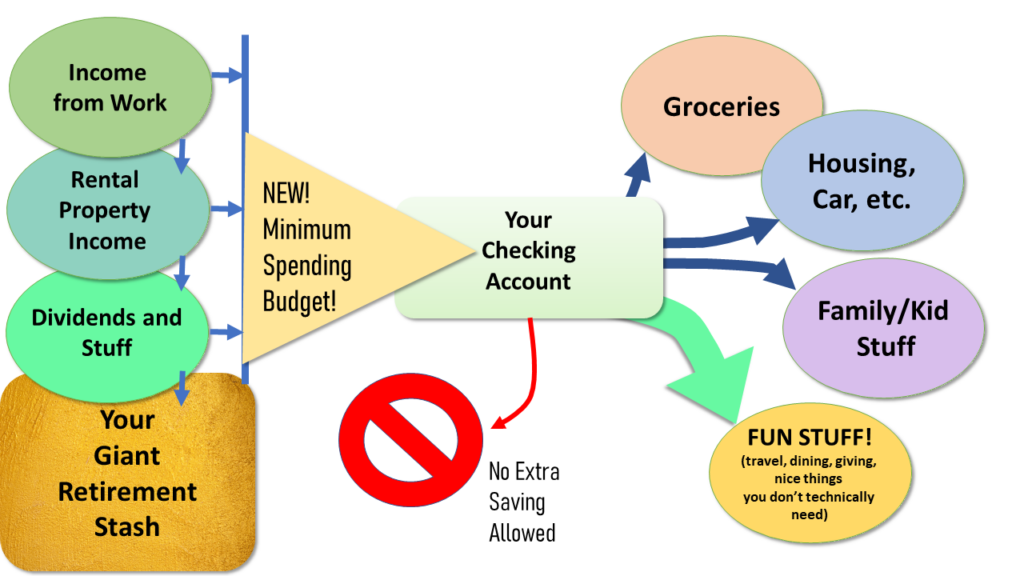
The Minimum Spending Budget: This principle encourages individuals with substantial investment portfolios (e.g., $2 million) to establish a reasonable minimum annual spending target, often exceeding their current frugal expenditures. Based on the widely accepted 4% rule (which suggests safely withdrawing 4% of a portfolio annually without running out of money), a $2 million nest egg could support $80,000 in annual spending. Even with a conservative 3% withdrawal rate, this allows for $60,000 annually, often significantly more than what hardcore Mustachians typically spend (under $40,000). The goal is to acknowledge and plan for a baseline level of enjoyable spending, rather than perpetually underspending out of habit. Many individuals, despite this financial capacity, continue to live on much less, often foregoing experiences or conveniences they could easily afford.
-
The Dedicated Money Wasting Account: Recognizing the psychological difficulty of spending "hard-earned" money on perceived frivolities, this principle proposes creating a separate fund specifically for discretionary spending. By metaphorically "making your own money feel like somebody else’s," individuals can overcome the mental barriers associated with spending from their main investment portfolio. This aligns with concepts in behavioral economics, such as "mental accounting," where people assign different subjective values to money based on its source or intended use. A dedicated "fun money" account can alleviate guilt and encourage intentional splurges on experiences or items that genuinely improve quality of life.
-
The Splurge Accountability Buddy: This strategy emphasizes the importance of social support in recalibrating spending habits. Frugal individuals often surround themselves with like-minded peers, inadvertently reinforcing conservative spending patterns. By partnering with an "accountability buddy" who shares similar financial standing and goals, individuals can challenge each other’s ingrained cheapness, celebrate intentional splurges, and provide encouragement for enjoying the fruits of their labor. Adeney cites examples like his friend Carl (Mr. 1500 Days) upgrading to a Chevrolet Bolt EV and his own Tesla purchase as outcomes of this collaborative shift.
The Rationale Behind the Tesla Investment
For Adeney, the Tesla Model Y addresses a "small but consistent source of negative stress" – the limitations of his previous vehicle setup. His Nissan Leaf, while excellent for local travel, lacked the range for extended trips, while the aging Honda van, despite its utility, had become increasingly unreliable, causing anxiety and leading him to avoid certain travel opportunities. The Model Y, with its long range, modern amenities, and reliability, transforms potential dread into excitement for future road trips, camping adventures, and "Carpentourism" (a term he uses for combining carpentry work with travel).
Analyzing the financial implications, Adeney estimates the Model Y will cost him approximately $10,000 more per year than his old van, factoring in depreciation, insurance, and the opportunity cost of the invested capital. While a significant sum, he views this as a justifiable expense given his substantial financial surplus and the car’s role in facilitating enriching experiences. This investment is seen as a "solid first step" in his experiment to increase spending on experiences, travel, and leisure.
Broader Implications for the FIRE Community and Consumer Behavior
Mr. Money Mustache’s pivot reflects a growing discussion within the FIRE community about the balance between accumulation and decumulation. While aggressive saving is crucial for achieving early retirement, the subsequent phase requires a different mindset. The psychological transition from being a relentless saver to a thoughtful spender can be challenging, as deeply ingrained habits are hard to break. This evolution in Adeney’s philosophy suggests a maturation of the FIRE movement, acknowledging that financial independence is not merely about accumulating wealth but also about using it to live a fulfilling life.
The purchase of an electric vehicle like the Tesla Model Y also aligns with evolving consumer values, even among those previously averse to car culture. EVs offer environmental benefits, reduced operating costs (especially with home charging via solar), and advanced safety features, making them a compelling choice for many, including those who prioritize long-term sustainability and efficiency. The availability of federal incentives, such as the $7,500 clean vehicle tax credit for qualifying EVs (which the 2023 Model Y qualified for under specific conditions), further reduces the effective cost, making such luxury more financially palatable.
Addressing Criticisms and Balancing Philanthropy
Adeney anticipates and addresses potential criticism regarding his "privileged rich folk talk" and questions about charitable giving. He acknowledges the importance of philanthropy, noting his own substantial donations exceeding $500,000 to various causes over the years. However, he also highlights a counterproductive psychological effect where comparing personal spending to large charitable contributions can trigger a "scarcity mentality," leading to excessive self-deprivation.
His argument posits a "happy medium": responsible stewardship of savings, generous charitable giving, and intentional spending on oneself and loved ones. This nuanced view challenges the rigid notion that all surplus wealth must be either saved or donated, advocating instead for a balanced approach that includes personal enjoyment. This extends to small conveniences, such as paying extra for better airplane seats or more expensive groceries to save time and reduce stress, asserting that such choices are not indicators of moral failing but rather pragmatic decisions for enhancing quality of life when resources permit.

Conclusion: A New Chapter in Financial Freedom
The acquisition of the Tesla Model Y by Mr. Money Mustache is more than just a car purchase; it’s a public declaration of an evolving philosophy on living a financially independent life. It underscores the psychological complexities of transitioning from wealth accumulation to thoughtful spending and offers practical strategies for navigating this shift. By embracing intentional splurges, establishing dedicated spending accounts, and seeking social accountability, individuals who have achieved financial freedom can learn to enjoy their hard-earned wealth without succumbing to the ingrained habits of past frugality. This move by a highly influential figure is likely to spark further discussion and reflection within the FIRE community, redefining what it means to be truly "rich" – not just in assets, but in life experiences and personal well-being. The "Model Y Experiment" tracker page initiated by Adeney promises ongoing transparency and insights into this new chapter of purposeful consumption.

