
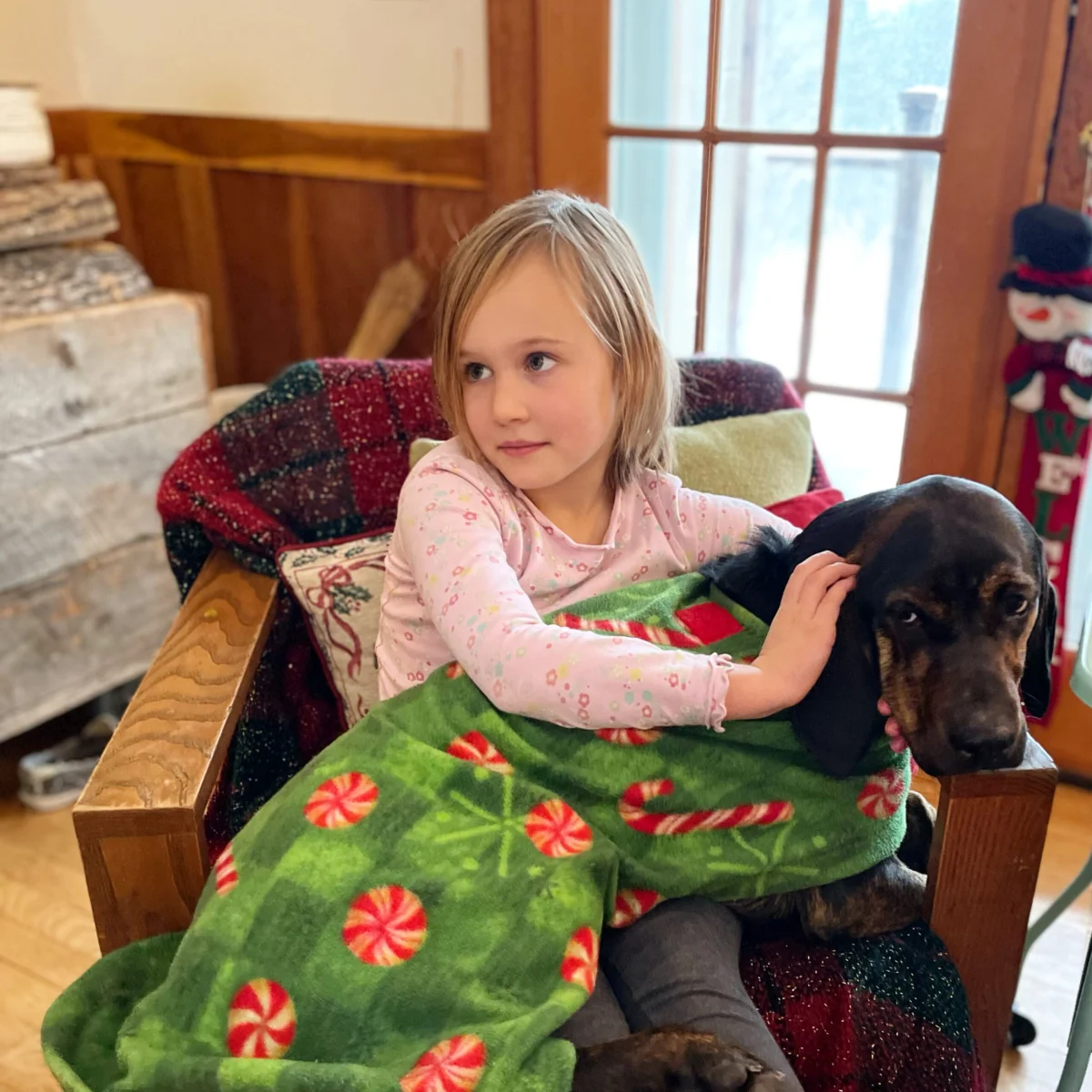
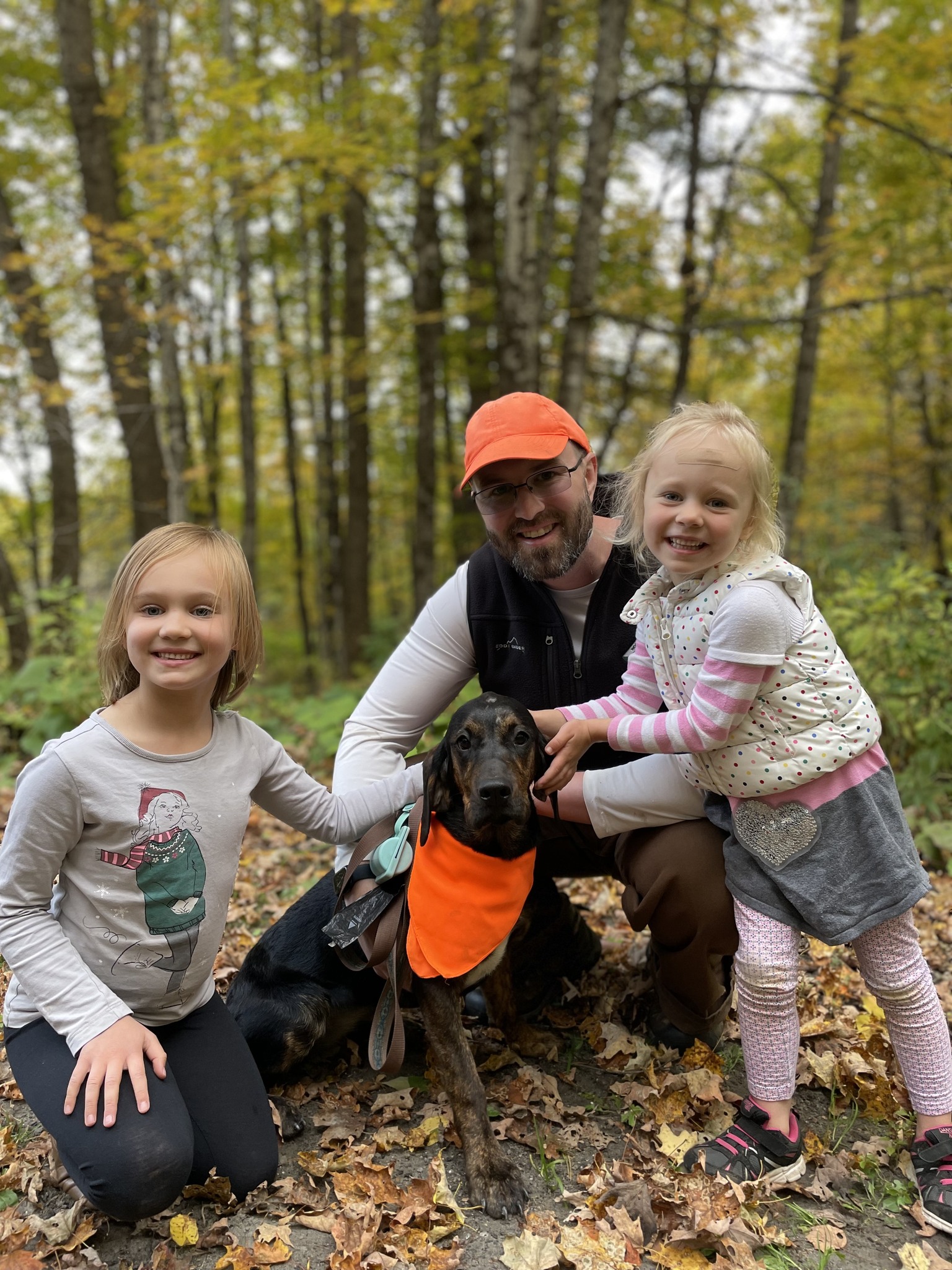
The adoption and subsequent rehoming of a rescue hound in rural Vermont has highlighted the significant financial and psychological challenges associated with severe canine separation anxiety. In October 2022, a family known for their advocacy of financial prudence, the Frugalwoods, integrated a stray hound named Genevieve—affectionately known as Gigi—into their household. What followed was a four-month intensive effort to stabilize an animal suffering from profound isolation distress, culminating in a total expenditure of $2,373.25 and an eventual transition to a multi-dog environment better suited to the animal’s psychological needs. This case serves as a poignant example of the "hidden" costs of pet ownership and the complexities of rehabilitating animals with specific behavioral backgrounds.
The Discovery and Initial Integration of Genevieve
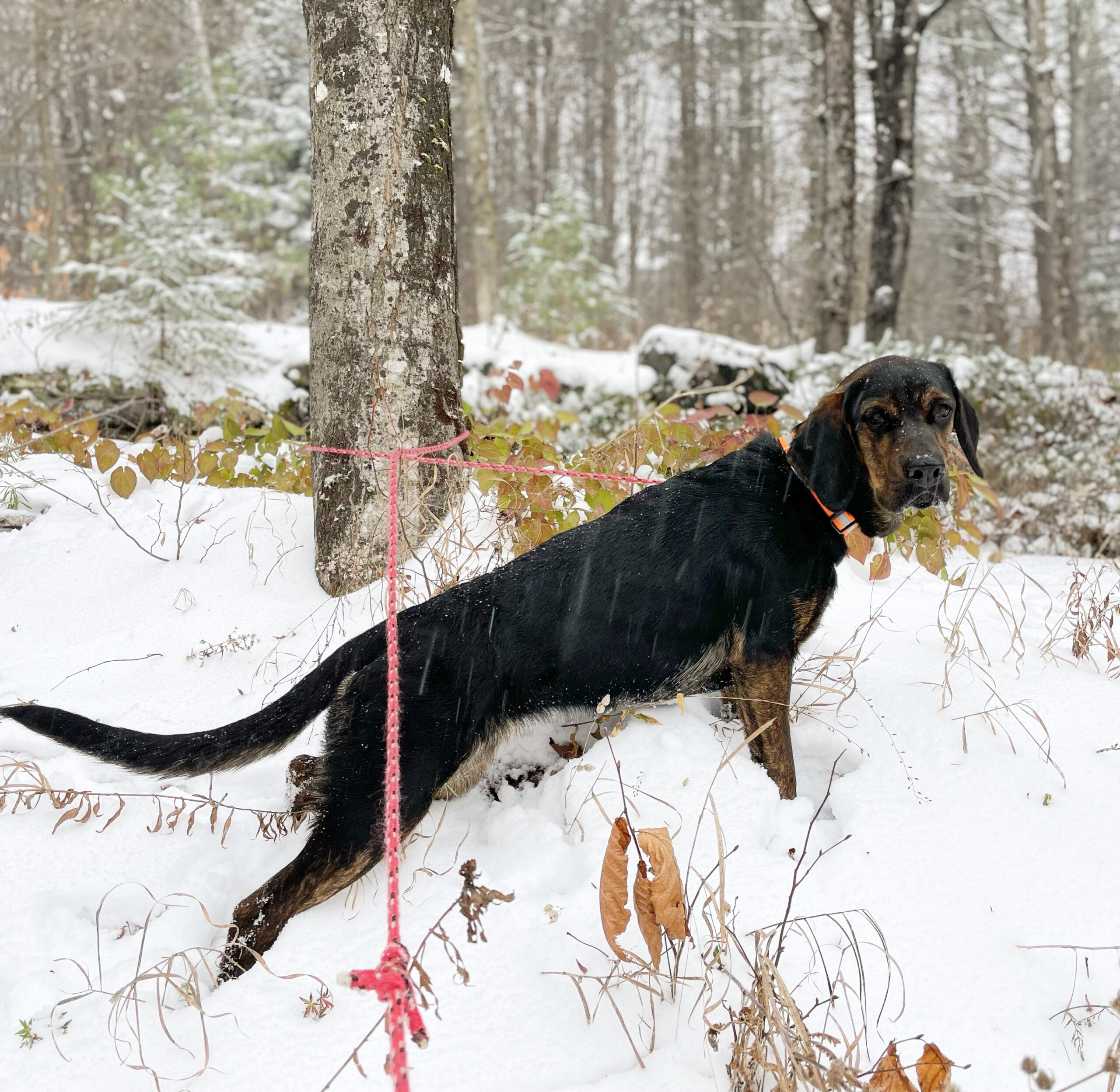
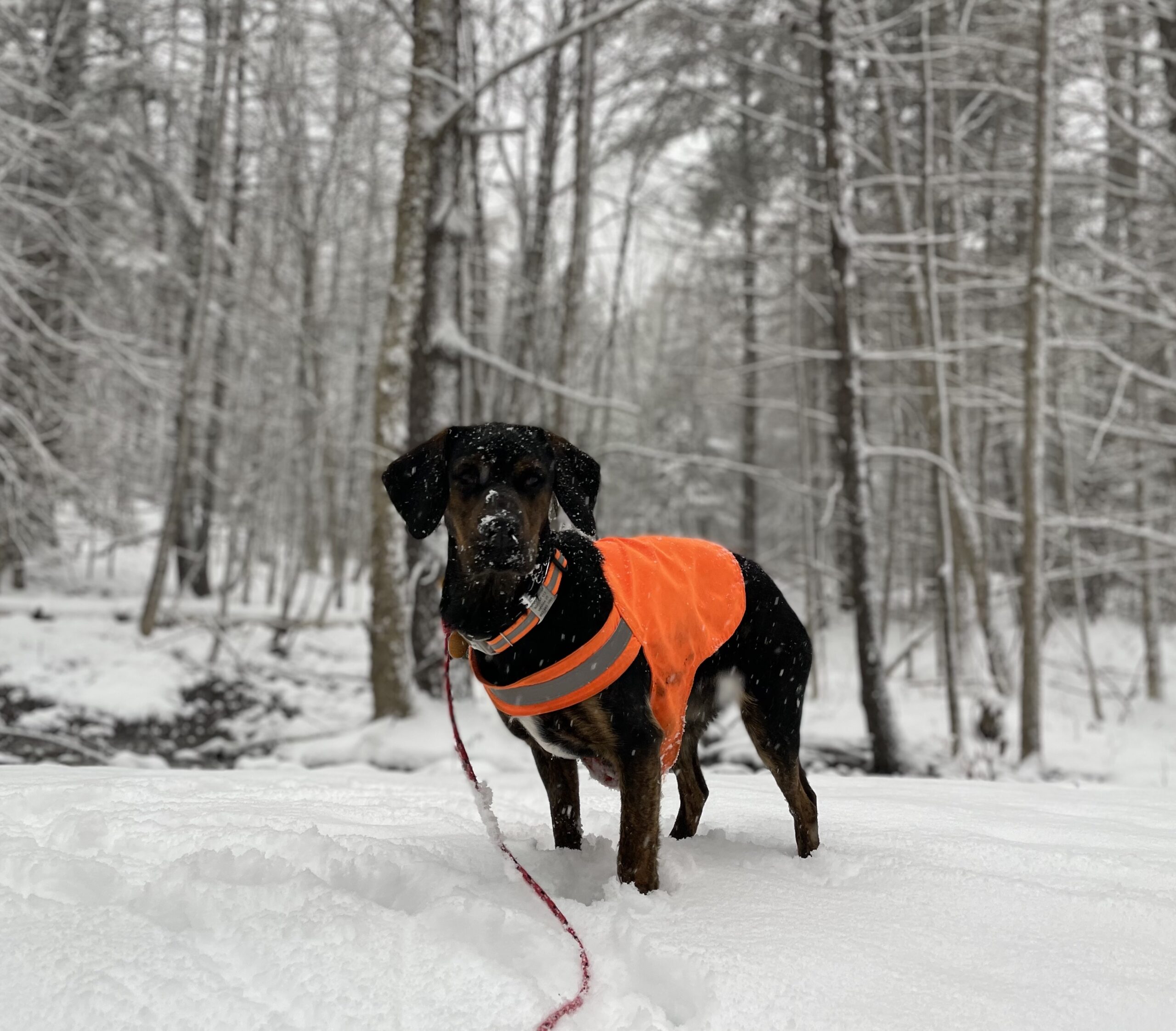
The narrative began in late September 2022, when a female hound was discovered in an emaciated state on a private property in Vermont. The animal, lacking identification tags or a microchip, exhibited physical signs of prolonged exposure to the elements, including numerous scratches and significant weight loss. Local efforts to locate an owner through advertisements and veterinary scans were unsuccessful. Based on regional patterns, observers hypothesized that the dog was a former bear-hunting hound that had become separated from its pack—a common occurrence in the mountainous terrain of New England.
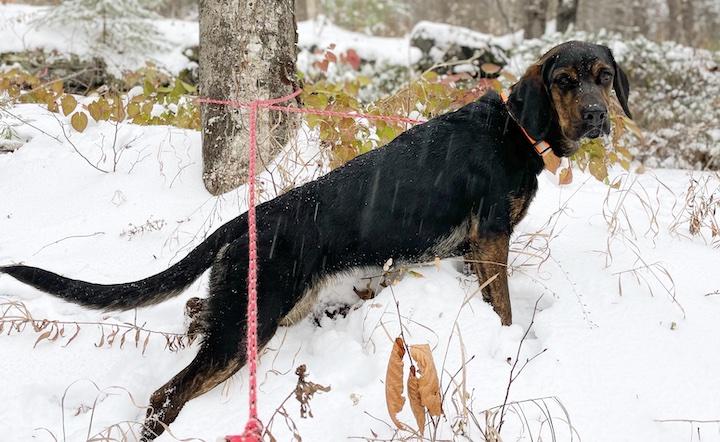
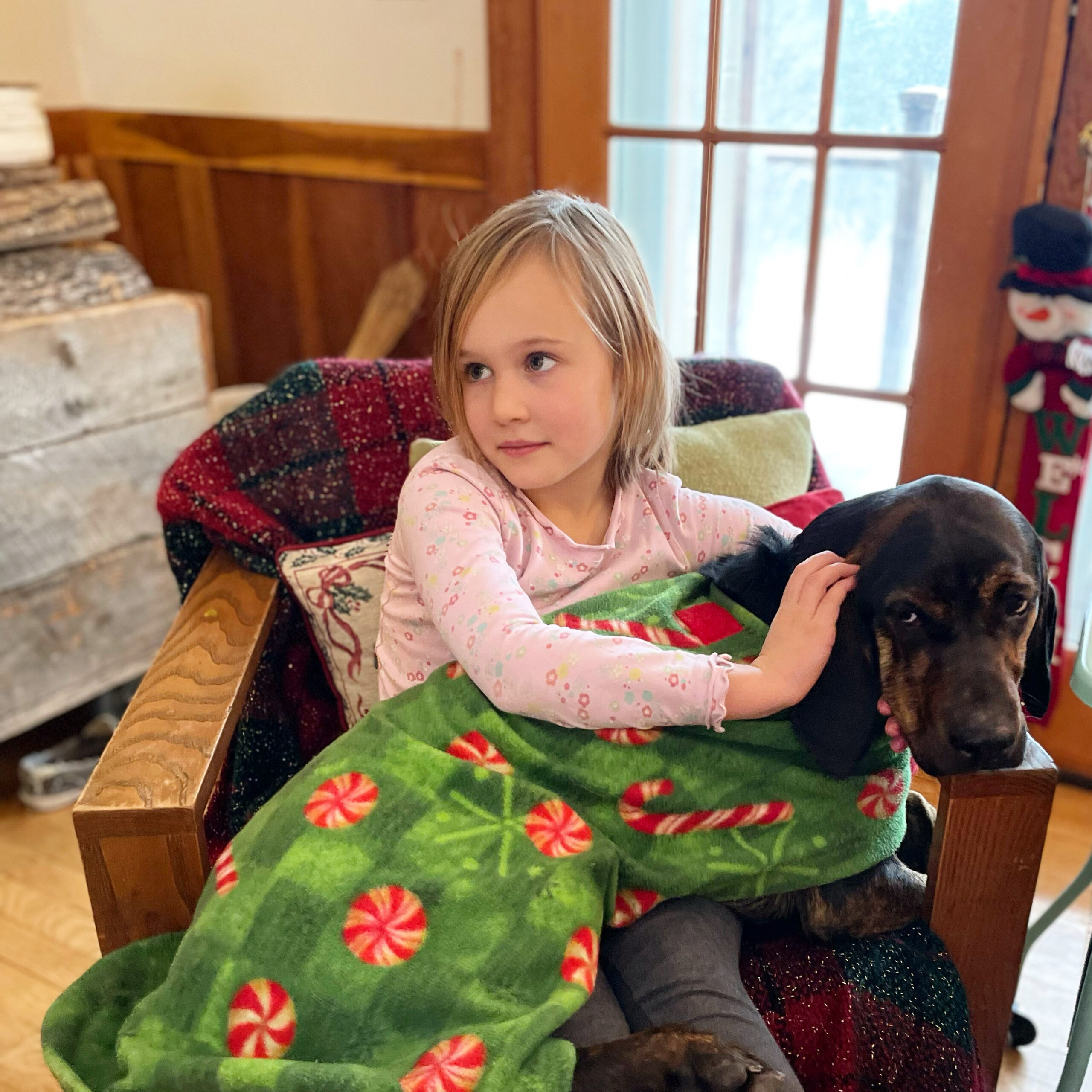
On October 3, 2022, the dog was officially adopted by the family. Initial assessments suggested a well-adjusted, calm temperament suitable for a household with young children. The dog demonstrated an affinity for hiking and human companionship, and she initially adapted well to crate training for sleeping and stationary rest while the owners were present. However, a critical behavioral deficit emerged within days: the dog was incapable of being left alone.
Chronology of Behavioral and Medical Interventions
The family’s attempt to mitigate the dog’s separation anxiety followed a three-tiered approach involving behavioral modification, technological assistance, and pharmacological intervention.
Phase 1: Behavioral Training (October – November 2022)
Under the guidance of a professional dog trainer, the family implemented a desensitization regimen. This involved leaving the home for incrementally increasing durations, starting at 30 seconds. The goal was to reward the dog for calm behavior and break the cycle of panic. Despite consistent efforts, the dog could not surpass a five-minute threshold of solitude before descending into a full-scale panic attack, characterized by vocalization, pacing, and involuntary elimination.
Phase 2: Technological Monitoring (November – December 2022)
To better understand the triggers and manifestations of the dog’s distress, the family installed a series of indoor cameras. This evolved into the purchase of a remote-activated camera and treat dispenser. These devices allowed the owners to observe the dog in real-time and attempt to reinforce calm behavior from a distance. However, the visual evidence confirmed that the dog’s distress was physiological and immediate, rendering remote rewards ineffective.
Phase 3: Medical and Pharmaceutical Intervention (December 2022 – January 2023)
Following the failure of behavioral techniques, the family sought veterinary assistance. A series of consultations led to the prescription of various medications, including mild anti-anxiety supplements, sedatives, and eventually stronger tranquilizers. Clinical reports indicated that the dog’s panic response was "refractory," meaning it did not respond to standard dosages of medication. Each attempt to leave the house resulted in the dog experiencing a severe episode, necessitating extensive cleaning of both the animal and its enclosure upon the owners’ return.
Financial Analysis of Short-Term Pet Ownership
While the average annual cost of owning a medium-to-large dog is typically estimated between $700 and $1,500, the four-month tenure of Genevieve resulted in costs exceeding $2,300. This disparity underscores the financial volatility inherent in rescuing animals with unknown medical or behavioral histories.
Itemized Expenditure Report:
- Veterinary and Medical Services: $911.98 (Includes initial vaccinations, de-worming, microchipping, and multiple follow-up visits for anxiety).
- Rehoming and Spaying Support: $600.00 (A voluntary contribution to the rescue organization to cover surgical and administrative costs).
- Equipment and Technology: $164.70 (Cameras, remote treat dispensers, and specialized training tools).
- Nutrition and Supplies: $386.92 (High-quality food, beds, and toys).
- Professional Training: $150.00.
- Miscellaneous: $159.65 (Licensing, high-visibility hiking gear, and seasonal supplies).
Total Cost: $2,373.25
Data from the American Pet Products Association (APPA) suggests that nearly 30% of pet owners face unexpected veterinary expenses of over $1,000 within the first year of ownership. The Genevieve case exceeds these averages, illustrating the financial commitment required to exhaust all options before making a rehoming decision.

The Science of Separation Anxiety in Hunting Breeds
The resolution of the case provided critical insight into the dog’s behavior. Upon being surrendered to a foster-based rescue organization, it was discovered that Genevieve thrived when in the presence of other dogs. The organization confirmed that while she could not be left alone by humans, she remained calm if she had a "pack" of other canines.
Veterinary behaviorists note that hunting hounds, particularly those bred for pack work, are genetically and socially conditioned for constant companionship. For these animals, total isolation can trigger a primal "abandonment" response. The family’s lifestyle, while active, lacked a second dog, creating a psychological vacuum that Genevieve was unable to bridge. This finding supports the theory that the dog’s previous life as a pack-based hunting animal dictated her current behavioral needs.
Broader Implications for Pet Adoption and Rehoming
The decision to rehome Genevieve highlights a significant ethical and practical dilemma in the animal rescue community. The "return-to-office" trend following the COVID-19 pandemic has seen a surge in separation anxiety cases, leading to increased strain on both owners and shelters.
According to the ASPCA, approximately 6.3 million companion animals enter U.S. animal shelters every year. Rehoming, while often viewed through a lens of personal failure, is increasingly recognized by experts as a "responsible transition" when a household’s environment is fundamentally incompatible with an animal’s specialized needs. In this instance, the family acknowledged that the requirement for 24-hour human or canine presence was untenable for a household with young children and professional obligations.
The eventual successful placement of Genevieve into a multi-dog home serves as a case study in "fit-based" adoption. It emphasizes that rehabilitation is not merely a matter of effort or expenditure, but of environmental alignment.
Regional Context: The Vermont Environment
The challenges of pet ownership in rural Vermont were further complicated in mid-2023 by severe regional weather events. The same family involved in the Genevieve case reported significant property damage following the Vermont floods. While their residence remained dry, their quarter-mile driveway was largely destroyed by torrential rains, illustrating the unpredictable nature of rural living and the compounding nature of "unexpected expenses." These environmental stressors often play a secondary but significant role in a family’s capacity to manage high-needs pets.
Conclusion
The story of Genevieve the hound is a reminder that pet ownership is an intersection of emotional labor, financial risk, and behavioral science. While the family expressed a sense of personal loss and a perceived failure in their role as "dog parents," the data suggests a different conclusion: they provided the necessary medical and nutritional stabilization for a stray animal, funded its transition to a professional rescue, and ultimately ensured it reached an environment where its specific psychological needs could be met.
For prospective pet owners, this case highlights the importance of researching breed-specific social needs and maintaining a significant financial reserve for behavioral health. It also serves to destigmatize the rehoming process when conducted through legitimate, foster-based organizations, prioritizing the animal’s long-term welfare over the owner’s desire for a specific household dynamic. Genevieve is currently reported to be thriving in a multi-dog household, a resolution that justifies the difficult decision-making process undertaken by her original rescuers.

