

The global financial landscape has undergone a significant transformation, marked by a dramatic surge in interest rates to levels not seen in over two decades. Following an extended period where borrowing costs remained near historic lows, central banks worldwide, spearheaded by the U.S. Federal Reserve, have aggressively tightened monetary policy. This abrupt shift has profound implications across all sectors of the economy, from housing and corporate investment to personal savings and broad market stability, prompting widespread discussion among policymakers, economists, and individuals about immediate actions and long-term strategies.
The Federal Reserve’s Pivotal Policy Shift

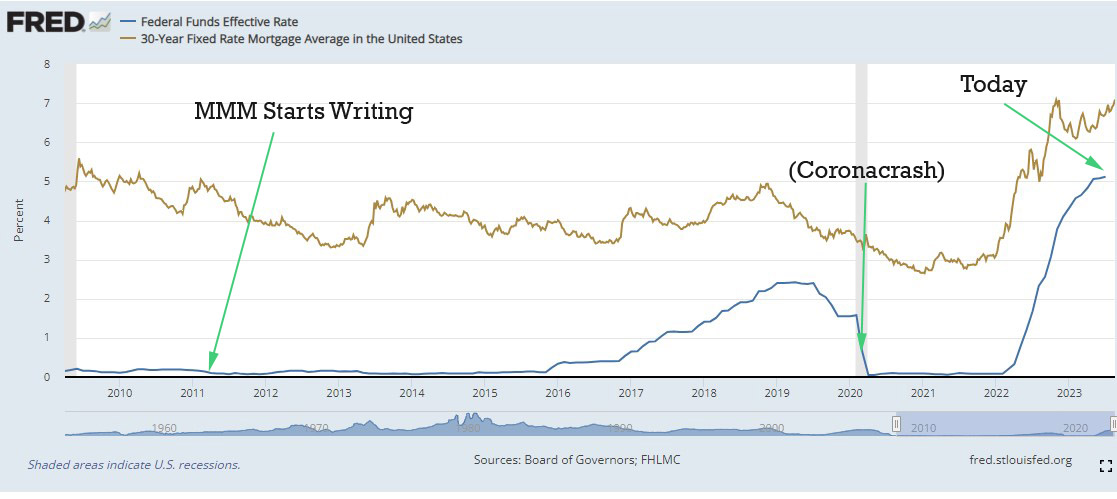
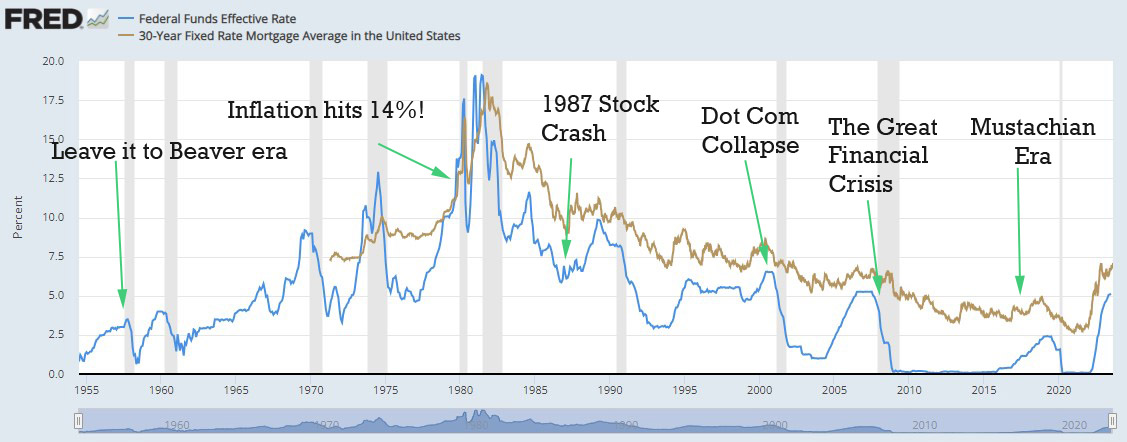
For nearly fourteen years, particularly since the 2008 financial crisis and exacerbated by the COVID-19 pandemic, interest rates in major economies hovered close to zero. This era of "easy money" was intentionally fostered by central banks to stimulate economic growth, encourage investment, and support recovery during downturns. The Federal Reserve, under successive chairs, maintained historically low federal funds rates, which influenced everything from mortgage rates to corporate borrowing costs. This policy made capital exceptionally cheap, fueling robust demand in housing, fostering business expansion, and contributing to a prolonged period of economic prosperity. Companies found it inexpensive to borrow for new projects, expand operations, and hire staff, while consumers benefited from affordable mortgages and credit.
However, this extended period of accommodative monetary policy eventually contributed to an imbalance: too much money circulating in the economy chasing a limited supply of goods and services. By late 2021 and throughout 2022, inflationary pressures intensified, driven by a confluence of factors including pandemic-induced supply chain disruptions, strong consumer demand supported by fiscal stimulus, and geopolitical events impacting energy and commodity prices. The U.S. Consumer Price Index (CPI) peaked at over 9% year-over-year in mid-2022, far exceeding the Federal Reserve’s target of 2%.
In response to this escalating inflation, Federal Reserve Chairman Jerome Powell and the Federal Open Market Committee (FOMC) initiated a series of aggressive interest rate hikes starting in March 2022. The federal funds rate, which had been near zero, was systematically increased in increments, eventually reaching a range of 5.25%-5.50% by mid-2023 – its highest level since 2001. This decisive action was aimed at cooling demand, bringing inflation under control, and restoring price stability.
Economic Ramifications and Sectoral Impacts
The rapid ascent of interest rates has rippled through the economy, inducing both intended and unintended consequences.
-
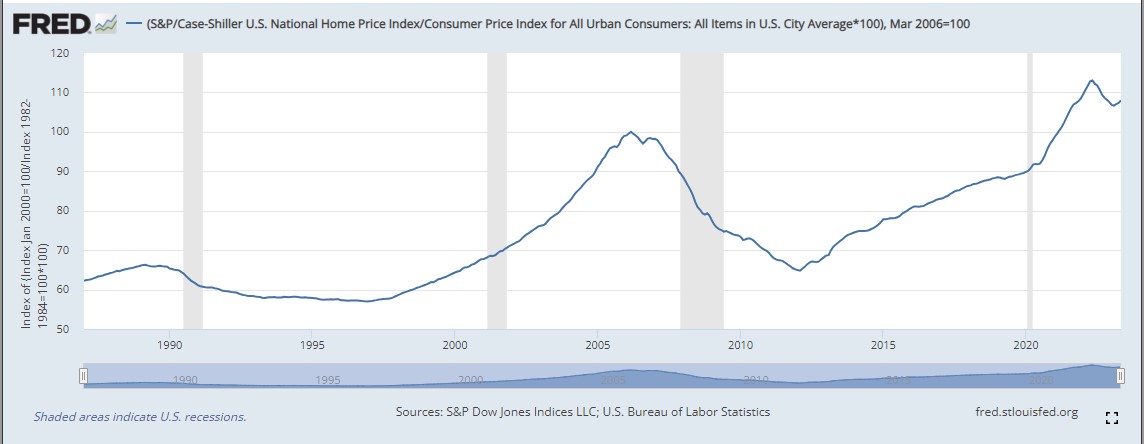
Housing Market: Perhaps the most immediately visible impact has been on the housing sector. Mortgage rates, which were routinely below 3% for a 30-year fixed loan in 2020-2021, surged past 7% and even touched 8% at various points in 2023. This dramatic increase has significantly eroded housing affordability. For instance, a median-priced home requiring a $400,000 mortgage at 3% would incur a monthly principal and interest payment of approximately $1,686. At 7.5%, that same mortgage payment jumps to around $2,797 – an increase of over 65%. This has priced many potential buyers out of the market, leading to a noticeable slowdown in home sales and construction. Existing homeowners with low fixed-rate mortgages are reluctant to sell, further constraining supply and creating a "lock-in" effect. While prices in some overheated markets have begun to moderate, a significant widespread decline has yet to materialize, largely due to persistent supply shortages and the reluctance of current owners to trade up to higher rates.

-
Corporate Investment and Employment: Businesses now face higher borrowing costs for expansion, capital expenditures, and even operational needs. This has led to a deceleration in new investments and, in some cases, a reduction in workforce. Major technology companies, which had expanded aggressively during the low-rate environment, announced significant layoffs, with examples including Facebook (Meta) cutting over 10,000 jobs and Amazon shedding 27,000 roles. While the overall U.S. labor market has remained remarkably resilient, with unemployment rates hovering near 50-year lows (around 3.5%-3.8% in late 2023), the pace of job creation has slowed, and certain sectors are experiencing contractions. This dynamic reflects the Fed’s intent to cool the economy without triggering a severe recession, a challenging feat often referred to as a "soft landing."
-
Banking Sector Stability: The rapid rate hikes also exposed vulnerabilities within the financial system. In early 2023, the collapse of several mid-sized banks, including Silicon Valley Bank and Signature Bank, sent tremors through the global financial community. These failures were partly attributed to the banks’ exposure to long-dated, low-yield bonds, which depreciated significantly as interest rates rose, leading to substantial unrealized losses and prompting deposit runs. While regulators acted swiftly to contain the crisis and prevent broader contagion, the incidents highlighted the inherent risks of rapid monetary tightening and necessitated heightened vigilance within the banking sector.
Investment Landscape and Personal Finance Strategies

The new interest rate environment demands a recalibration of investment and personal finance strategies.
-
Stock Market Performance: The stock market, after experiencing a bull run during the low-rate era, has shown increased volatility. From its peak in early 2022, major indices like the S&P 500 experienced a correction, declining by approximately 10-20% before partially recovering. Higher interest rates make future corporate earnings less valuable in present terms and offer an alternative for investors in less risky assets, potentially drawing capital away from equities. Despite this, many financial advisors continue to advocate for a long-term, diversified investment approach, emphasizing that market downturns, while unsettling, can present opportunities for investors committed to regular contributions to broad market index funds. The principle of "buying low" suggests that current valuations might offer more attractive entry points for long-term growth compared to previous peaks.
-
Savings and Fixed Income: For savers, the landscape has improved considerably. Money market funds, high-yield savings accounts, and Certificates of Deposit (CDs) now offer yields of 4.5% or more, a stark contrast to the near-zero rates of previous years. This provides a more attractive, low-risk option for parking cash or shorter-term savings. Similarly, the bond market, particularly U.S. Treasury securities, now offers significantly higher yields across various maturities. A 10-year Treasury bond, for example, might yield over 4%, providing a stable income stream for fixed-income investors.

-
Strategic Considerations: The decision between investing in the stock market versus fixed-income instruments like high-yield savings or bonds becomes more nuanced. While equities historically offer higher returns over the long term, the increased yields on safer assets provide a compelling alternative, especially for those with shorter time horizons or a lower risk tolerance. A balanced approach, often involving a mix of equities for growth and fixed income for stability and current yield, is generally recommended, tailored to individual financial goals and risk profiles.
Outlook and Future Projections
The trajectory of interest rates remains a subject of intense debate among economists and market participants. While the Federal Reserve has indicated its commitment to maintaining restrictive policy until inflation is durably brought to its target, future actions will be data-dependent. Key indicators like inflation rates, unemployment figures, and broader economic growth will guide policy decisions.
A notable feature of the current financial landscape is the inverted yield curve. This occurs when short-term government bonds offer higher yields than long-term bonds. As of late 2023, for instance, a 1-year Treasury bill might yield over 5%, while a 10-year Treasury note yields around 4%. Historically, an inverted yield curve has been a remarkably accurate predictor of impending economic recessions, preceding ten out of the last eleven U.S. recessions over the past 75 years. This market signal suggests that bond investors anticipate future interest rate cuts, likely in response to an economic slowdown.
Based on these market signals and consensus among many economists, the expectation is that interest rates may begin to moderate within the next 18-24 months. Any sustained drop in rates would likely be precipitated by clear evidence of declining inflation, a weakening labor market, and a more pronounced deceleration in economic activity, potentially culminating in a mild recession. However, central bank forecasts are inherently uncertain, and the "normal" interest rate environment may settle at a higher level than the exceptionally low rates of the past decade. The historical context reveals that current rates, when viewed over a 70-year span, are closer to the long-term average than the anomalous lows experienced recently.
Cultivating Financial Resilience in a Shifting Environment
In this dynamic economic environment, the principles of sound personal finance become even more critical. For individuals, maintaining a lean and efficient lifestyle, prioritizing savings, and managing debt prudently are paramount. Being free from consumer debt and having a significant cash reserve provides a crucial buffer against economic uncertainties and allows for flexibility.
For those considering major purchases like a home, the current environment presents a mixed picture. While higher mortgage rates make financing more expensive, a potential moderation in house prices or a future decline in interest rates could create opportunities for well-prepared buyers. Having substantial savings provides the option to make a larger down payment or even an all-cash offer, effectively insulating one from the immediate impact of high mortgage rates. It also provides the flexibility to secure financing later if rates become more favorable.
Ultimately, while external economic factors like interest rates and market fluctuations are beyond individual control, personal financial choices remain powerful levers. A focus on consistent earning, disciplined saving, strategic investment aligned with long-term goals, and prudent debt management forms the bedrock of financial resilience. These fundamental practices enable individuals to navigate economic shifts with greater confidence, transforming what might appear as daunting ripples in the financial news into manageable currents on their journey toward financial independence.

