
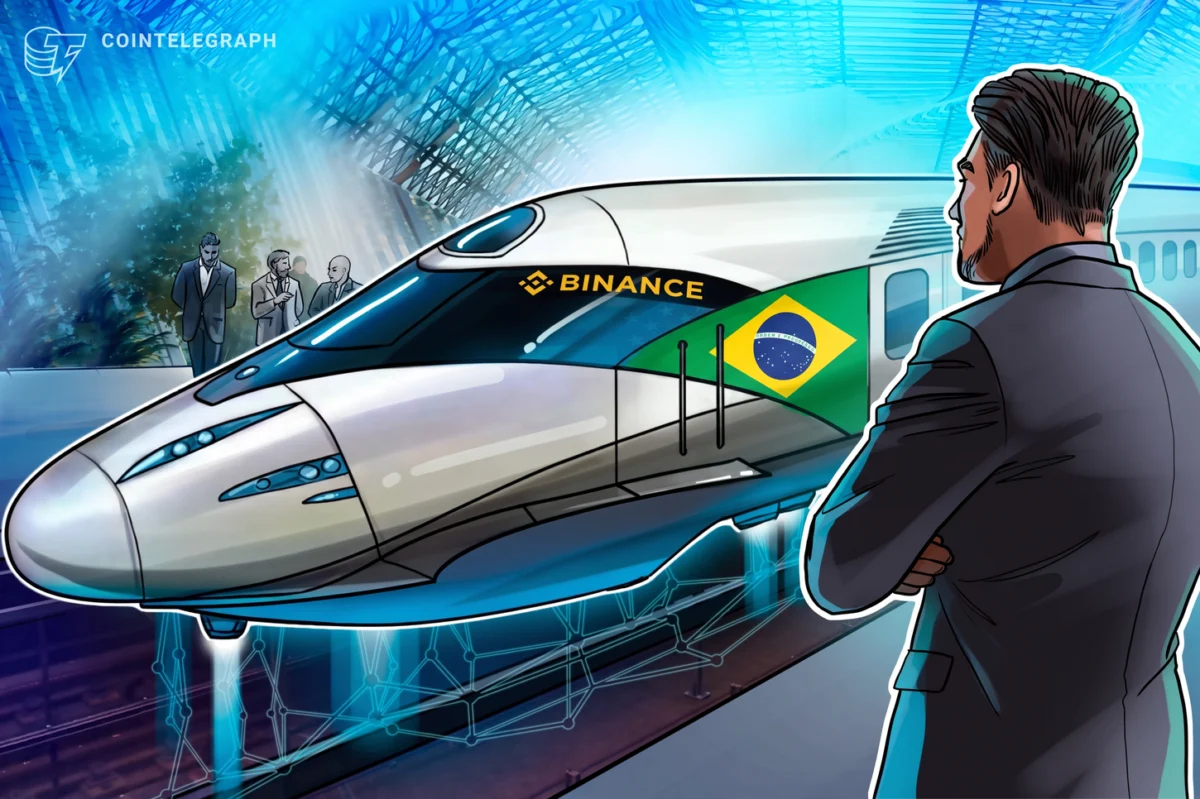
Binance, the world’s largest cryptocurrency exchange by trading volume, has taken a significant step towards solidifying its presence in Latin America’s burgeoning digital asset landscape by formally applying for a cryptocurrency service provider license in Brazil. This move, initiated on Friday, October 23rd, through its local entity, BBrasil, comes just days before a critical regulatory deadline on October 30th. The application is a proactive measure to ensure the continued operation of its services for Brazilian users, encompassing access to a wide array of crypto assets, stablecoin trading, payment solutions, and investment opportunities.
The urgency of Binance’s filing underscores the evolving regulatory environment in Brazil, a market that has rapidly become one of the most significant in the cryptocurrency sector across Latin America. The Central Bank of Brazil has mandated that all existing crypto service providers must submit authorization applications by the end of October to continue operating under transitional arrangements. While this application does not guarantee regulatory approval, it is a crucial prerequisite for Binance to maintain its operational footing and engage with the established financial framework of the country.
Navigating a Shifting Regulatory Tide
The application to the Central Bank of Brazil is a direct response to new regulations that are shaping the operational landscape for digital asset exchanges. These regulations are designed to bring greater oversight and consumer protection to a rapidly growing and previously largely unregulated sector. For Binance, this means adapting its product offerings to align with the current legal framework.
In anticipation of the regulatory deadline and to comply with existing rules, Binance has already communicated significant changes to its Brazilian user base, effective Tuesday. These changes include restrictions on several key services, such as crypto lending and margin trading. Furthermore, the exchange announced the delisting of 22 specific crypto assets from its platform in Brazil. These adjustments reflect a strategic pivot to ensure compliance while awaiting broader licensing and potential future regulatory clarity.
A Commitment to a Regulated Ecosystem
Thiago Sarandy, Binance’s general manager in Brazil, expressed the company’s stance on the evolving regulatory climate. "We support a regulated market that considers the characteristics of virtual assets, so that access to technology and innovation continues to advance," Sarandy stated. He further elaborated on the exchange’s hopes for future developments, adding, "but we hope that the ongoing dialogue with the Central Bank will allow us to offer, in the near future, other products that were discontinued to comply with current regulations." This statement signals Binance’s commitment to working collaboratively with Brazilian authorities to foster a compliant and innovative digital asset ecosystem. The exchange’s proactive engagement and willingness to adapt its services demonstrate an understanding of the importance of regulatory alignment for long-term growth and stability.
The Brazilian Crypto Market: A Snapshot
Brazil’s cryptocurrency market has experienced remarkable growth in recent years. Data from various market analysis firms consistently place Brazil among the top nations globally in terms of crypto adoption and trading volumes. Factors contributing to this surge include a growing interest in alternative investment avenues, increasing digital literacy, and a relatively favorable economic environment that has encouraged individuals to explore new financial instruments. The sheer volume of transactions and the active user base highlight the market’s potential and the strategic importance of Brazil for global exchanges like Binance.
The regulatory push by the Central Bank of Brazil is a critical development in this dynamic market. Historically, the cryptocurrency space has operated with a degree of autonomy, leading to concerns about investor protection, anti-money laundering (AML), and counter-terrorism financing (CTF) measures. The new regulations aim to address these concerns by establishing clear operational guidelines and requiring exchanges to obtain official authorization. This move is indicative of a global trend towards increased regulation of the digital asset industry, as governments worldwide seek to balance innovation with financial stability and consumer safety.
Chronology of Key Events
- October 23rd, 2020: Binance, through its local entity BBrasil, submits its application for a cryptocurrency service provider license to the Central Bank of Brazil.
- October 27th, 2020: Binance announces changes for Brazilian users, including restrictions on crypto lending and margin trading, and the delisting of 22 crypto assets, effective on this date.
- October 30th, 2020: The deadline for existing crypto service providers to submit authorization applications to the Central Bank of Brazil to continue operating under transitional arrangements.
Supporting Data and Market Context
The global cryptocurrency market capitalization has seen significant fluctuations but has generally trended upwards over the past few years, indicating sustained investor interest. Brazil, in particular, has emerged as a key player. While precise, up-to-the-minute figures can vary, reports from industry analytics firms have consistently shown a substantial percentage of the Brazilian population engaging with cryptocurrencies. For instance, a 2020 report indicated that millions of Brazilians held or had transacted with cryptocurrencies, a figure that has likely grown since.
The market’s growth is not solely driven by retail investors. Institutional interest in cryptocurrencies is also on the rise globally, and Brazil is no exception. This growing sophistication of the market necessitates a robust regulatory framework to ensure fair practices and mitigate systemic risks. The Central Bank of Brazil’s initiative aligns with this global trend, aiming to bring a higher level of professionalism and accountability to the sector.
Broader Implications and Analysis
Binance’s proactive application and its willingness to adapt its services reflect a strategic understanding of the long-term benefits of operating within a regulated framework. While the immediate impact includes service restrictions, the potential for future operational expansion and a more secure user base outweighs these short-term adjustments. By securing a license, Binance can solidify its position as a legitimate and trusted provider in Brazil, potentially attracting a wider range of users, including those who have been hesitant due to regulatory uncertainties.
The implications for the broader Brazilian crypto market are also significant. The successful integration of major exchanges like Binance into the regulatory system could pave the way for increased innovation and the development of new financial products and services that are compliant with Brazilian law. It could also encourage other international and domestic players to pursue licensing, leading to a more mature and competitive market.
However, the process of obtaining regulatory approval is often complex and can involve extensive due diligence and adherence to stringent requirements. The statement from Thiago Sarandy suggests that Binance is committed to this process and is hopeful for a positive outcome that will allow for the eventual reintroduction of currently discontinued services. The ongoing dialogue with the Central Bank is crucial, as it will shape the future of cryptocurrency services in Brazil.
The delisting of 22 crypto assets, while a necessary compliance measure, also highlights the evolving nature of what is considered permissible within a regulated financial market. Regulators often err on the side of caution when it comes to novel or highly speculative assets. This situation underscores the need for exchanges to continuously monitor and adapt their listings based on regulatory guidance and market developments.
In conclusion, Binance’s application for a cryptocurrency service provider license in Brazil is a pivotal moment, signifying its commitment to navigating and thriving within an increasingly regulated digital asset landscape. This move, coupled with its proactive service adjustments, positions the exchange to continue its operations and potentially expand its offerings in one of Latin America’s most dynamic and important cryptocurrency markets. The outcome of this licensing process will be closely watched by industry participants and regulators alike, offering insights into the future of digital asset regulation in the region.

