
Former President Donald Trump announced on Saturday his potential endorsement of a legislative proposal to cap federal student loan interest rates at 2.5 percent, a move that would represent a significant shift from current rates which range from 6.52 percent to 9.07 percent for newer federal loans, depending on the loan type. This statement positions student loan reform as a potentially prominent issue in upcoming political discourse and reflects a growing bipartisan concern over the nation’s escalating student debt crisis.
The Mounting Burden of Student Loan Debt
The United States grapples with a colossal student loan debt, which, as of June, impacted 42.6 million people and totaled an staggering $1.7 trillion in federal student loans alone, according to the Department of Education. This figure does not include private student loans, which add hundreds of billions more to the overall burden. The sheer scale of this debt has profound implications for the national economy, influencing everything from consumer spending and homeownership rates to entrepreneurship and retirement savings. It places a significant drag on economic growth, particularly for younger generations who are increasingly delaying major life milestones due to their financial obligations.
A substantial portion of this debt is held by borrowers struggling to meet their repayment obligations. As of March 2026, approximately 9 million borrowers held $220 billion in outstanding federal student loans that were in default, underscoring the severity of the crisis. Defaulting on student loans can have severe long-term consequences for individuals, including damaged credit scores, wage garnishment, and difficulty securing other forms of credit. The current interest rates, which are often significantly higher than those for other forms of debt like mortgages or car loans, exacerbate this problem, causing the principal amount to swell rapidly and making repayment an uphill battle for many. For instance, a student borrowing at 9.07 percent interest can see their total repayment amount vastly exceed the original principal, even with consistent payments.
Legislative Efforts and Bipartisan Momentum
President Trump’s conditional support for a 2.5 percent interest rate cap injects new energy into ongoing legislative efforts aimed at alleviating student debt. The idea of capping or eliminating interest on federal student loans has been circulating in Congress for several years, drawing attention from both sides of the aisle.
One of the most vocal proponents of such a cap is Rep. Anna Paulina Luna (R-Fla.), who quickly publicized Trump’s statement. "President Trump said he will support capping federal student loan interest rates at 2.5%! This has been an issue that I’ve long championed in Congress," Luna stated in an X post on Saturday. She further articulated her rationale, asserting, "Every American that decides to pursue higher education, especially in STEM, becomes an asset to our nation and gives us an edge on China." Her reference to STEM fields highlights a strategic national interest in fostering education that contributes to technological advancement and global competitiveness. In June, Rep. Luna introduced a resolution specifically asking the House to consider legislation to lower the interest rate on federal student loans to 2 percent, demonstrating her long-standing commitment to this issue.
Another Republican initiative in this vein came from Rep. Michael Lawler (R-N.Y.), who introduced the "Affordable Loans for Students bill" in March 2025. This bill also proposed lowering the interest rate on student loans to 2 percent and is currently awaiting consideration in the House Committee on Education and the Workforce. The convergence of these Republican-led efforts, now potentially backed by a leading presidential candidate, signals a growing consensus within the party that the student loan system requires significant reform.
Democrats, meanwhile, have pursued even more ambitious reforms, with some advocating for the complete elimination of interest on federal student loans. In 2026, Rep. Joe Courtney (D-Conn.) and Sen. Peter Welch (D-Vt.) reintroduced the "Student Loan Interest Elimination Act." This legislation proposes a more radical approach, aiming to allow borrowers to refinance both current and future federal student loans at zero percent interest, according to a statement from Courtney’s office. Courtney has repeatedly emphasized the profound impact of interest payments on borrowers, particularly during periods of economic strain. "At a time when Americans are experiencing a cost-of-living crisis, student loan repayment with interest adds a crushing burden to millions of middle-class student loan borrowers," he stated. He underscored that student debt affects 43 million borrowers, making it a widespread economic issue that demands immediate attention.

A Chronology of Student Loan Policy Shifts
The landscape of federal student loan policy has undergone significant transformations over the past decade, marked by varying approaches from different administrations and Congress.
- March 13, 2020: The federal student loan payment pause was initiated at the onset of the COVID-19 pandemic. This unprecedented measure suspended payments and interest accrual on most eligible federal student loans, providing immediate financial relief to millions of borrowers during a period of economic uncertainty.
- Throughout 2020-2023: The payment pause was extended multiple times, first under the Trump administration and subsequently under the Biden administration, reflecting the ongoing economic challenges and the difficulty of a smooth transition back to repayment.
- September 1, 2023: Interest on federal student loans officially resumed, marking the end of the three-year pause.
- October 2023: Most borrowers’ payments became due again, ushering in a new phase of repayment for tens of millions of Americans, many of whom had not made a payment in over three years. This transition was met with considerable anxiety and logistical challenges, as the Department of Education struggled to manage the restart for such a large number of borrowers.
- March 2025: Rep. Michael Lawler (R-N.Y.) introduced the Affordable Loans for Students bill, proposing a 2 percent interest rate cap on student loans.
- June 2025: Rep. Anna Paulina Luna (R-Fla.) introduced a resolution calling for legislation to lower federal student loan interest rates to 2 percent.
- 2026: Rep. Joe Courtney (D-Conn.) and Sen. Peter Welch (D-Vt.) reintroduced the Student Loan Interest Elimination Act, aiming for zero percent interest on federal student loans.
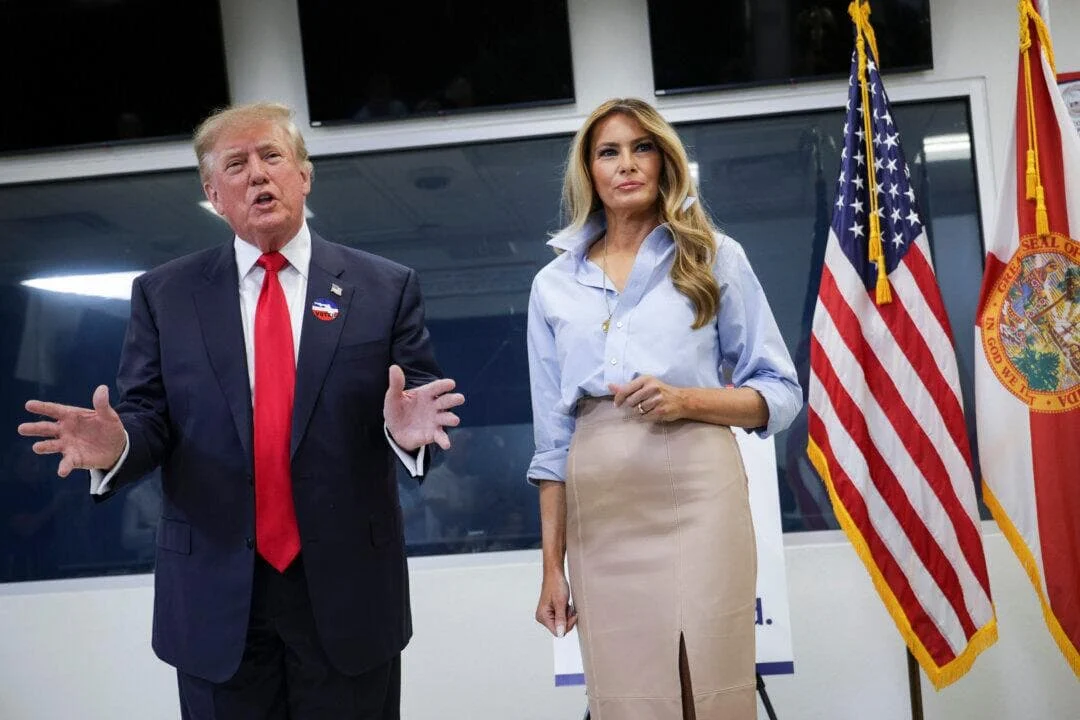
- October 24, 2026 (projected): The image caption shows Trump voting in West Palm Beach, Fla., on this date. This date is in the future, suggesting a potential error in the original caption, but contextually it places the event in a future election cycle where student loans are likely to be a key issue.
- October 21 (year unspecified, likely 202X): The Trump administration agreed to dismiss two appeals seeking to reinstate restrictions on the Public Service Loan Forgiveness (PSLF) program, while a third appeal remained pending. This decision came after federal judges in Massachusetts and Washington struck down an Education Department rule on June 30 that would have excluded employers deemed to have a "substantial illegal purpose." Nonprofit organizations, states, and other challengers had argued that the department exceeded its authority by imposing restrictions Congress had not authorized, highlighting the ongoing legal and administrative complexities surrounding federal loan programs.
- July 1 (year unspecified, likely 202X): The Trump administration introduced two student loan repayment plans under the "One Big Beautiful Bill Act." One of these, the Repayment Assistance Plan, bases monthly payments on income and reduces them by $50 for each dependent, aiming to make repayment more manageable for lower-income borrowers and those with families.
Economic and Social Implications of an Interest Rate Cap
An interest rate cap at 2.5 percent, as proposed by Republicans and potentially supported by Donald Trump, would have multifaceted economic and social implications.
- For Borrowers: The most immediate and significant impact would be on the financial well-being of millions of student loan borrowers. Reducing interest rates from their current levels (6.52% to 9.07%) to 2.5% would drastically lower monthly payments and the total amount repaid over the life of the loan. This would free up disposable income, potentially stimulating consumer spending, contributing to housing market growth as more graduates can afford down payments, and enabling greater savings for retirement or entrepreneurship. For those struggling with default, lower interest rates could make their loans more manageable, reducing the likelihood of future defaults and improving credit health. The ability to refinance existing loans at this lower rate would be particularly beneficial for borrowers with older, high-interest federal loans.
- For the Federal Budget: Implementing such a cap would undoubtedly come with a significant cost to the federal government. Federal student loans are designed to be revenue-generating, with interest payments contributing to the government’s coffers. A substantial reduction in interest rates would translate to a decrease in federal revenue, requiring either increased taxes, cuts to other programs, or an expansion of the national deficit. The exact fiscal impact would depend on the scope of the cap (e.g., whether it applies to all existing federal loans or only new ones) and the refinancing options available. Policymakers would need to conduct thorough cost analyses to understand the long-term budgetary implications.
- For the Economy: Beyond individual borrowers, the macroeconomic effects could be considerable. Increased disposable income for a large segment of the population could provide a boost to various sectors of the economy. It could also encourage more individuals to pursue higher education, potentially leading to a more skilled workforce and increased innovation. However, the cost to the federal budget could also have its own economic ramifications, particularly if it contributes to inflationary pressures or necessitates fiscal austerity elsewhere.
- For Higher Education Institutions: While an interest rate cap primarily affects borrowers and the government, it could indirectly influence higher education institutions. If students perceive federal loans as more affordable, it might slightly increase demand for higher education. However, it does not directly address the underlying issue of rising tuition costs, which remain a major driver of student debt. Some critics might argue that such measures, while beneficial to borrowers, do not incentivize universities to control their spending or tuition hikes.
Political Dynamics and Future Outlook
The emerging bipartisan interest in student loan reform suggests that this issue is likely to remain a significant topic in the lead-up to the next presidential election. For Republicans like Trump and Luna, advocating for an interest rate cap could appeal to a broader base of voters, including middle-class families burdened by debt, without necessarily endorsing the more expansive loan forgiveness programs favored by some Democrats. It offers a tangible, immediate financial benefit to borrowers while potentially being framed as a fiscally responsible alternative to outright debt cancellation.
For Democrats, proposals like the "Student Loan Interest Elimination Act" represent a more comprehensive approach to tackling the crisis, aligning with their broader platform of economic relief and support for working families. The debate between a 2.5 percent cap and zero percent interest highlights different philosophies regarding the role of government in financing education and managing national debt.
The political viability of any student loan reform bill will depend on complex negotiations in Congress. While there is bipartisan recognition of the problem, finding common ground on specific solutions that can garner enough votes to pass both chambers and withstand potential challenges remains a formidable task. The ultimate outcome will likely involve compromises and trade-offs, balancing the urgent needs of borrowers with fiscal realities and differing ideological perspectives on government spending and intervention.
As the nation approaches future election cycles, the student loan crisis, and proposals like an interest rate cap, are poised to be central to policy debates, reflecting the widespread impact of this debt on millions of American lives and the broader economy. The shift in dialogue from broad forgiveness to interest rate adjustments may signal a new phase in addressing this enduring national challenge.

