
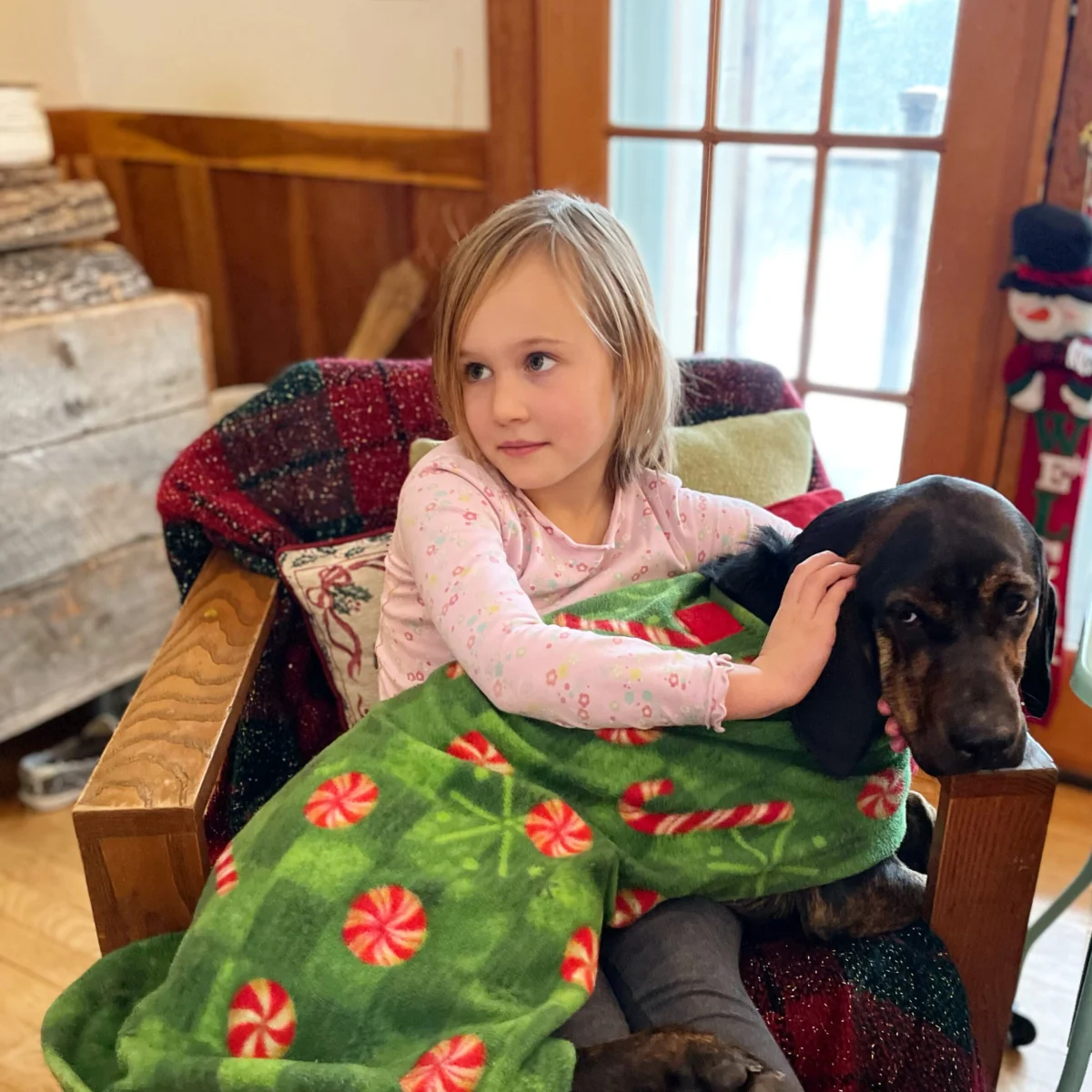
The complexities of animal rescue and the significant financial burdens associated with canine behavioral health have been brought to the forefront following a detailed report regarding the adoption and subsequent rehoming of a hound dog named Genevieve, colloquially known as Gigi. The case, which unfolded over a four-month period between late 2022 and early 2023, serves as a poignant illustration of the challenges faced by families when high-needs rescue animals intersect with active domestic lifestyles. Despite an expenditure exceeding $2,300 and the implementation of multi-modal therapeutic interventions, the family ultimately determined that the animal’s severe separation anxiety rendered her presence in the home untenable.
The Chronology of Adoption and Behavioral Manifestation
The timeline began in late September 2022, when a female hound was discovered emaciated and injured in a rural yard. Initial efforts to locate an owner proved unsuccessful; the animal lacked identification tags, a microchip, and did not match any local reports of missing pets. Observers theorized that the dog was a member of a bear-hunting pack, a common occurrence in mountainous regions where hunting dogs occasionally become separated from their group and the GPS collars frequently used in such activities.

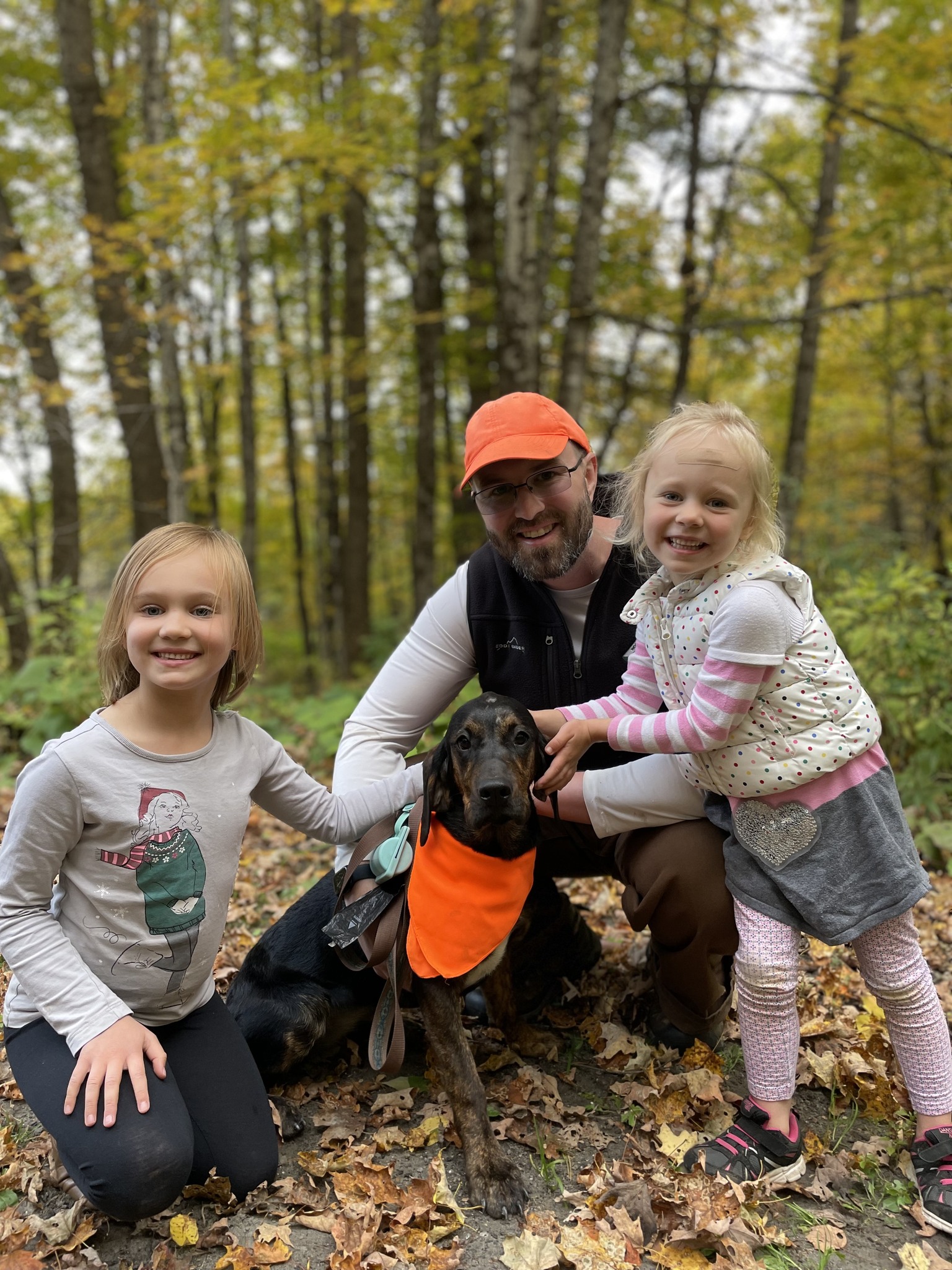
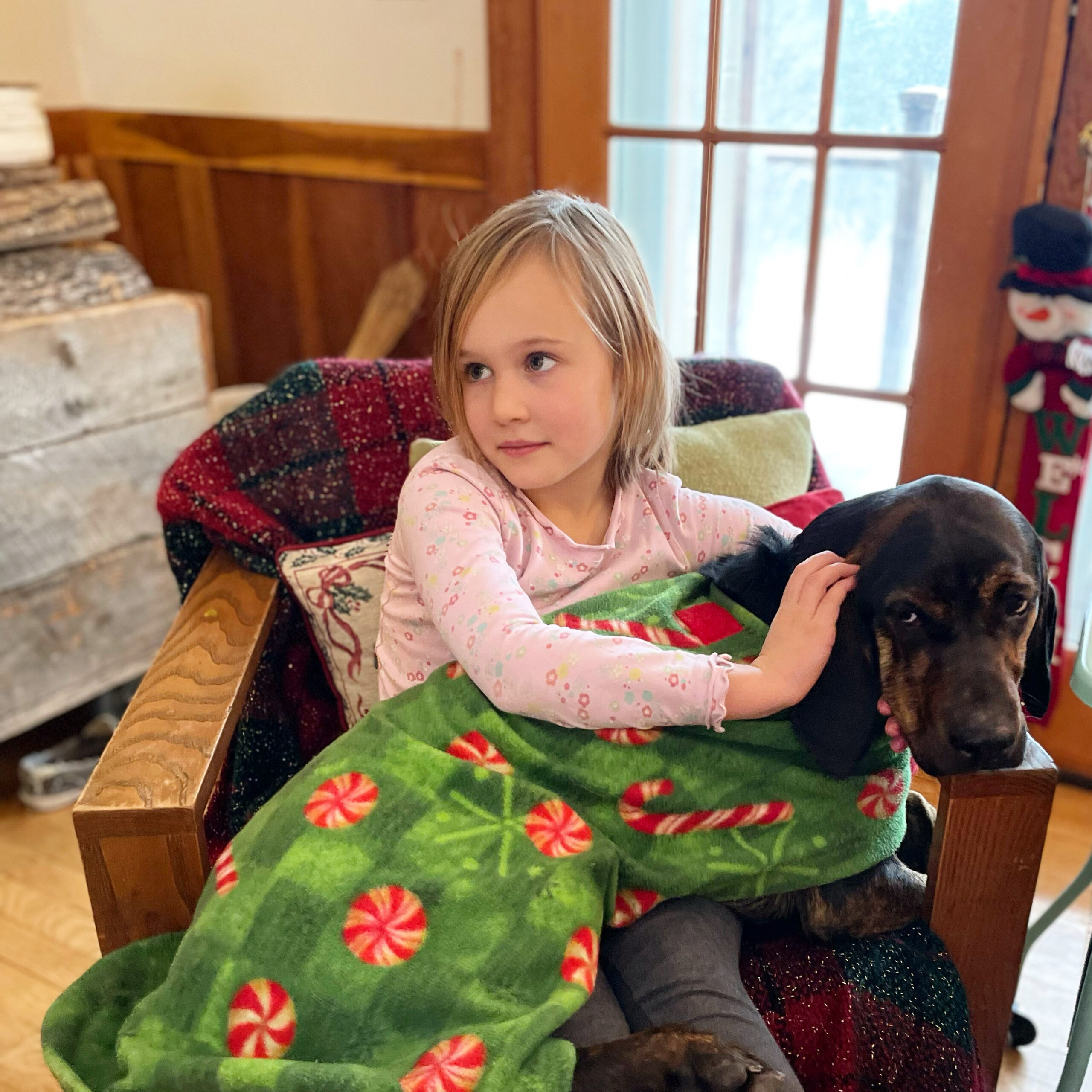
On October 3, 2022, the family officially transitioned the dog into their home, bypassing the traditional shelter system to prevent the animal from entering a high-stress kennel environment. While the dog, renamed Gigi, initially displayed exemplary behavior in the presence of humans—demonstrating proficiency in hiking and interactions with children—a profound behavioral pathology emerged whenever she was left alone.
Within minutes of the owners’ departure, the dog would experience acute panic attacks. These episodes were characterized by vocalization, pacing, and involuntary elimination (urination and defecation) within her crate. This condition, known clinically as canine separation anxiety (CSan), is estimated to affect between 14% and 20% of the domestic dog population in the United States. In Gigi’s case, the symptoms were refractory to standard crate training techniques that the owners had successfully employed with previous pets.
A Multi-Modal Approach to Mitigation
In an effort to stabilize the animal and preserve the adoption, the owners initiated a comprehensive intervention strategy involving behavioral, technological, and medical components.
Behavioral Modification
A professional dog trainer was engaged to implement a desensitization protocol. This process involved "graduated departures," where owners leave the home for mere seconds and return before the animal’s threshold for anxiety is reached. The goal was to build the dog’s confidence and teach her that a departure is not a permanent abandonment. However, reports indicate that the animal could not surpass a five-minute threshold without escalating into a state of panic.
Technological Monitoring
To assist the trainer and monitor progress, the family installed a remote surveillance system. This eventually evolved into the use of a remote-activated treat dispenser. Such devices allow owners to observe the dog via a smartphone application and dispense high-value rewards when the animal displays calm behavior. Despite these high-tech efforts, the visual evidence confirmed that the dog remained in a state of high physiological arousal regardless of the presence of food or the duration of the absence.
Pharmacological Intervention
When behavioral and environmental modifications failed to produce results, the family turned to veterinary medicine. The clinical approach typically follows a tiered system:

- Selective Serotonin Reuptake Inhibitors (SSRIs): Often used for long-term management of generalized anxiety.
- Benzodiazepines or Sedatives: Used as "situational" medications to blunt the panic response during specific departure events.
- Tranquilizers: Employed in extreme cases where self-harm or severe property destruction is a risk.
According to the family’s records, multiple medications were trialed under veterinary supervision, yet none successfully mitigated the dog’s panic response to a level that allowed for normal family functioning.
The Financial Realities of High-Needs Rescue
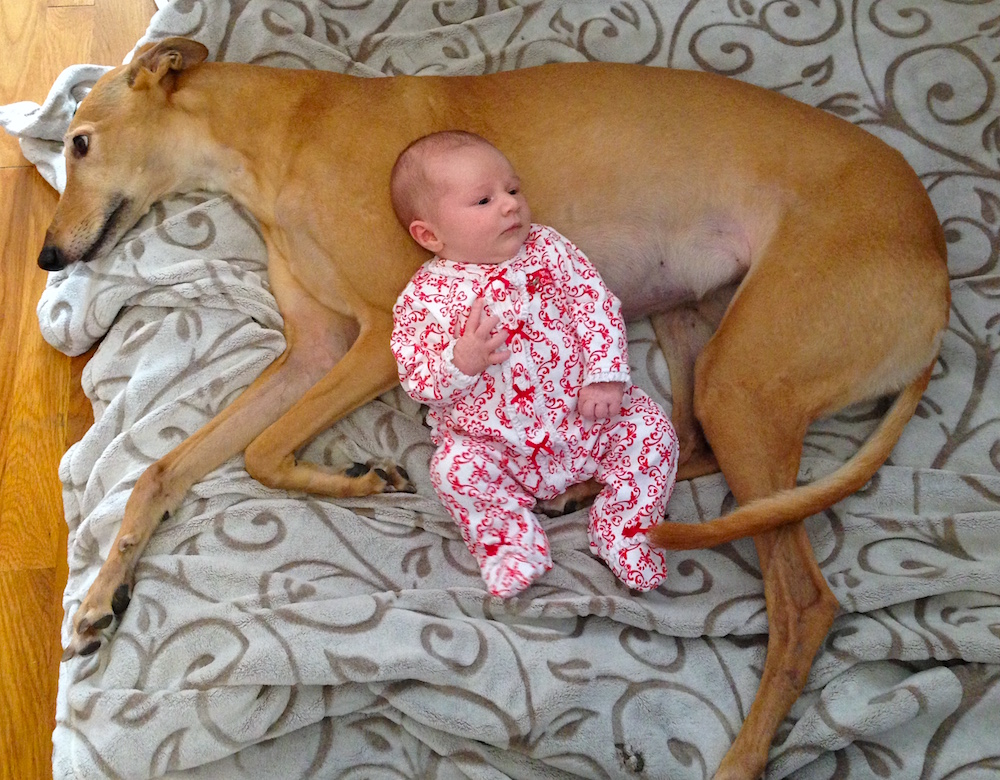
The Gigi case highlights a significant discrepancy between the projected costs of pet ownership and the reality of managing a behavioral crisis. The family’s previous pet, a retired racing greyhound, had an average annual cost of approximately $930. In contrast, the four-month attempt to integrate Gigi resulted in a total expenditure of $2,373.25.
A breakdown of these costs provides insight into the "hidden" expenses of rescue:

- Veterinary Care and Licensing: $951.38 (Including vaccinations, de-worming, and multiple consultations for anxiety).
- Rescue and Rehoming Support: $600.00 (Donation to the organization that eventually facilitated a new placement).
- Behavioral Training and Equipment: $314.70 (Professional sessions and specialized monitoring technology).
- Supplies and Maintenance: $507.17 (Food, bedding, high-visibility safety gear, and cleaning supplies necessitated by frequent indoor elimination).
Industry data from the ASPCA suggests that the average first-year cost of owning a large dog is approximately $1,391. The Gigi case exceeded this annual average by nearly $1,000 in just one-third of the time, illustrating the financial volatility inherent in adopting animals with unknown histories.
Official Response and Rehoming Outcome
After four months of failed interventions, the family reached a "breaking point," citing the negative impact on their quality of life and the emotional well-being of their children. They contacted a foster-based rescue organization specializing in difficult placements.
Upon intake, the rescue organization conducted its own assessment and discovered a critical variable: Gigi’s anxiety was not triggered by the absence of humans, but rather by the absence of a pack. When placed in a home environment with other dogs, the animal’s panic subsided. This confirmed the initial theory that her background as a pack-hunting dog had hard-wired her for a social structure that a single-dog household could not provide.
The rescue organization issued a statement to the family confirming that Gigi had been successfully adopted into a multi-dog household. In this new environment, she reportedly functions well, as the constant presence of other canines prevents the onset of the isolation-induced panic that characterized her previous tenure.
Broader Implications for Pet Ownership and Rescue Policy
The resolution of the Genevieve case offers several points of analysis for the broader pet-owning public and animal welfare advocates.
The "Lifestyle Fit" Factor
The case underscores the importance of lifestyle compatibility over intent. While the family possessed the financial resources and the emotional desire to rescue an animal, the rigid requirements of the dog’s pathology—requiring 24-hour companionship—were incompatible with a family raising young children and participating in community events.

The Ethics of Rehoming
There remains a persistent social stigma surrounding the "return" of rescue animals. However, veterinary behaviorists often argue that rehoming is a clinical necessity when an environment actively contributes to an animal’s distress. In this instance, the "failure" of the first adoption was the catalyst for finding a specialized environment where the dog could thrive without pharmacological dependence.
The Resilience of the Rescue System
The successful transition of Gigi to a multi-dog home highlights the efficacy of foster-based rescue networks. These organizations provide the nuanced behavioral data that high-volume shelters often cannot, allowing for "precision matching" between animals and owners.
Conclusion
As of mid-2023, the family has opted to remain a pet-free household, citing a need to prioritize their children’s development and the freedom of movement afforded by their current stage of life. To maintain a connection to animals, they have transitioned to a "community-based" model of interaction, providing dog-sitting services for neighbors. This allows for controlled, short-term pet interaction without the long-term financial risk or behavioral complications identified during the Genevieve episode.
The story of Gigi remains a stark reminder that animal rescue is a complex undertaking where love and financial investment are sometimes insufficient to overcome deep-seated behavioral traits. The case concludes with a successful outcome for the animal, albeit one that required the difficult admission of failure from the initial adopters. In the broader context of the Vermont region—recently impacted by severe flooding and the resulting economic strain on homeowners—the story also serves as a cautionary note on the importance of financial contingency planning for pet owners. When the unexpected occurs, whether in the form of a natural disaster or a behavioral crisis, the ability to fund a solution is often the only path to a humane resolution.

