
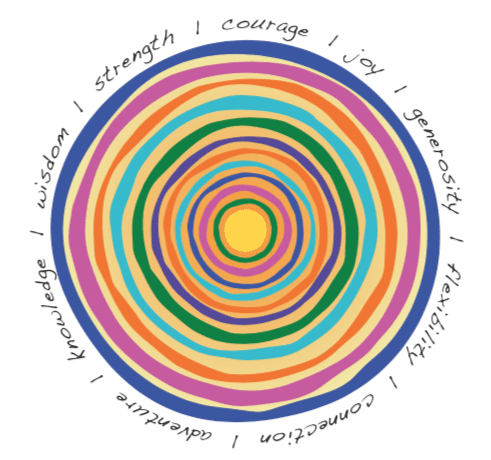
Society’s pervasive bias towards youth often casts a shadow over the aging process, creating a climate where growing older is frequently viewed with apprehension rather than anticipation. This cultural undercurrent, while deeply ingrained, presents an opportunity for a fundamental shift in perspective. Embracing an "aging with gusto" mindset, as championed by programs like the Vital Aging Network’s "Aging with Gusto," is not merely a philosophical approach but a demonstrably impactful strategy for enhancing well-being and longevity.
"How we think about aging has a big impact on how we age," states Donna Comer, coordinator and facilitator for the "Aging with Gusto" initiative. This program is dedicated to fostering positive self-perceptions and promoting a respectful appreciation for individuals at all stages of life. The ramifications of such a mindset extend beyond personal contentment, with compelling research indicating a significant correlation between positive aging attitudes and increased lifespan. Studies suggest that individuals with more optimistic views on aging can live, on average, an additional 7.5 years compared to their more pessimistic counterparts. This statistical advantage underscores the profound influence of perception on our physical and mental health trajectories.
Furthermore, the internal narrative surrounding aging carries considerable weight. Those who perceive themselves as a burden to others are more prone to devaluing their own lives. This self-perception can unfortunately precipitate a heightened risk of depression and social isolation, conditions that have been identified as significant, often silent, threats to the health and vitality of older adults. The interconnectedness of mental outlook, social engagement, and physical health creates a complex web where a positive mindset acts as a crucial protective factor.
The Power of Positive Perceptions
The challenges inherent in aging are acknowledged by experts like Comer. "Growing older does offer challenges," she admits. However, she emphasizes that the foundational step toward a more optimistic outlook on retirement and aging lies in cultivating societal awareness and fostering a deeper appreciation for the multifaceted contributions of people across all age groups to families and communities. This call for a broader societal recalibration aims to dismantle ageist stereotypes and highlight the ongoing value and dynamism of older individuals.
This perspective is strongly echoed by Jo Ann Jenkins, CEO of AARP and author of "Disrupt Aging: A Bold New Path to Living Your Best Life at Every Age." Jenkins consistently advocates for a redefinition of aging, asserting that individuals are not only living longer but are also living better lives and actively defying outdated stereotypes. Her work, disseminated through her book and the "Disrupt Aging" online platform, serves as a powerful testament to the potential for vibrant and purposeful lives at every age.
Shattering Stereotypes: Real-Life Examples
The disconnect between societal perceptions of aging and the reality of many older adults was vividly illustrated at an arts and aging conference attended by this reporter several years ago. The keynote speaker invited audience volunteers to embody stereotypical representations of age. The individual portraying 70 adopted a slow, hesitant gait; the 80-year-old hobbled with a cane, pausing frequently to catch their breath; and the 90-year-old relied on an imaginary wheelchair. In stark contrast, a genuine 90-year-old participant, who was revealed to be a marathon runner, entered the stage with a spirited run, immediately dispelling the preconceived notions of frailty and immobility that the audience had been led to expect. This dramatic demonstration served as a potent reminder of how outdated and inaccurate portrayals can shape our understanding of aging.
A similar initiative by AARP, captured in a widely viewed video, further underscored this point. In the video, millennials were asked to act out what they believed "old" looked like. Their performances included simulated struggles with texting, slow descent down imaginary stairs, and an inability to perform a single push-up. The impact of these staged scenarios was amplified when these same millennials met with actual older adults who effortlessly executed these tasks and far more ambitious ones, leaving the younger participants in awe. This experience highlighted a generational gap in understanding and the pervasive influence of ageist assumptions.
Understanding Ageism and Its Impact
While aging often coexists with ageism – the tendency to view older individuals as debilitated, undeserving of attention, or unsuitable for employment – these two phenomena are not intrinsically linked and should not be conflosed. The societal tendency to pigeonhole older adults into narrow, often negative, categories overlooks the vast diversity of experiences, capabilities, and contributions within this demographic. The implications of ageism extend beyond individual feelings of worth, impacting access to employment, healthcare, and social inclusion.
Longevity expert Dan Buettner, author of "The Blue Zones: Lessons for Living Longer from the People Who’ve Lived the Longest," offers a scientifically grounded perspective on extending lifespan and enhancing quality of life. His research into populations with exceptional longevity reveals a set of common habits that contribute to a longer, healthier existence. While the specific nine habits from his research are not detailed in the provided text, Buettner’s work consistently emphasizes lifestyle choices, social connections, and a sense of purpose as critical determinants of longevity. These findings align with the "aging with gusto" philosophy, suggesting that proactive engagement with life and a positive outlook are integral to living well for longer.
Implications for Health and Society
The societal implications of a shift towards "aging with gusto" are far-reaching. A more positive societal narrative around aging can lead to:
- Improved Public Health Outcomes: Reduced rates of depression and social isolation among older adults can alleviate the burden on healthcare systems and improve overall quality of life.
- Economic Benefits: Older adults who remain engaged and active can continue to contribute to the workforce, volunteer, and participate in the economy, offsetting some of the financial pressures associated with an aging population.
- Intergenerational Understanding: By challenging stereotypes and highlighting the contributions of older individuals, intergenerational connections can be strengthened, fostering a more cohesive and supportive society.
- Enhanced Personal Well-being: Individuals who embrace a positive outlook on aging are more likely to pursue healthy lifestyles, remain socially connected, and experience greater life satisfaction.
The Vital Aging Network’s "Aging with Gusto" program and related initiatives by organizations like AARP and those championed by Dan Buettner represent a crucial movement to reframe aging from a period of decline to one of continued growth, contribution, and fulfillment. By fostering a culture that celebrates and supports active, engaged, and positive aging, society can unlock the immense potential of its older populations and create a more vibrant future for all.
For those interested in exploring this further, resources such as AgingWithGusto.com and BlueZones.com offer valuable insights and practical guidance. The ongoing conversation around aging is evolving, moving beyond passive acceptance to active participation in shaping a more robust and optimistic experience of growing older.
The insights presented in this article are further explored in related podcast episodes, including "Retirement Planning Includes Getting Good at Getting Older" featuring Rabbi Laura Geller, "What Can You Do to Age Better?" with Anna Dixon, "What Can We Learn from Blue Zones?" with Richard Eisenberg, and "We’re All Ageing. Are You Up for a Bolder Approach?" with Carl Honoré. These discussions delve deeper into practical strategies and philosophical approaches to embracing a more fulfilling and dynamic later life.

