
The global financial markets are once again witnessing a period of unprecedented activity, driven largely by the burgeoning sector of Artificial Intelligence (AI). This surge has propelled stock valuations to record highs, leading to both exhilaration among investors and significant apprehension among others who foresee an inevitable market correction. The central question reverberating through financial circles is whether this current AI-fueled boom represents a sustainable technological revolution or merely an inflated bubble poised to burst, potentially jeopardizing long-term financial stability, particularly for those nearing or in retirement.

The AI Revolution and Market Euphoria
The current enthusiasm for Artificial Intelligence is rooted in tangible technological advancements, particularly in large language models (LLMs) and generative AI. Breakthroughs in areas like natural language processing, computer vision, and machine learning have enabled AI systems to perform complex tasks that were once considered exclusively human domains, from generating coherent text and sophisticated imagery to aiding in scientific discovery and automating intricate business processes. This innovation promises significant productivity gains across various industries, from healthcare and finance to manufacturing and creative arts.
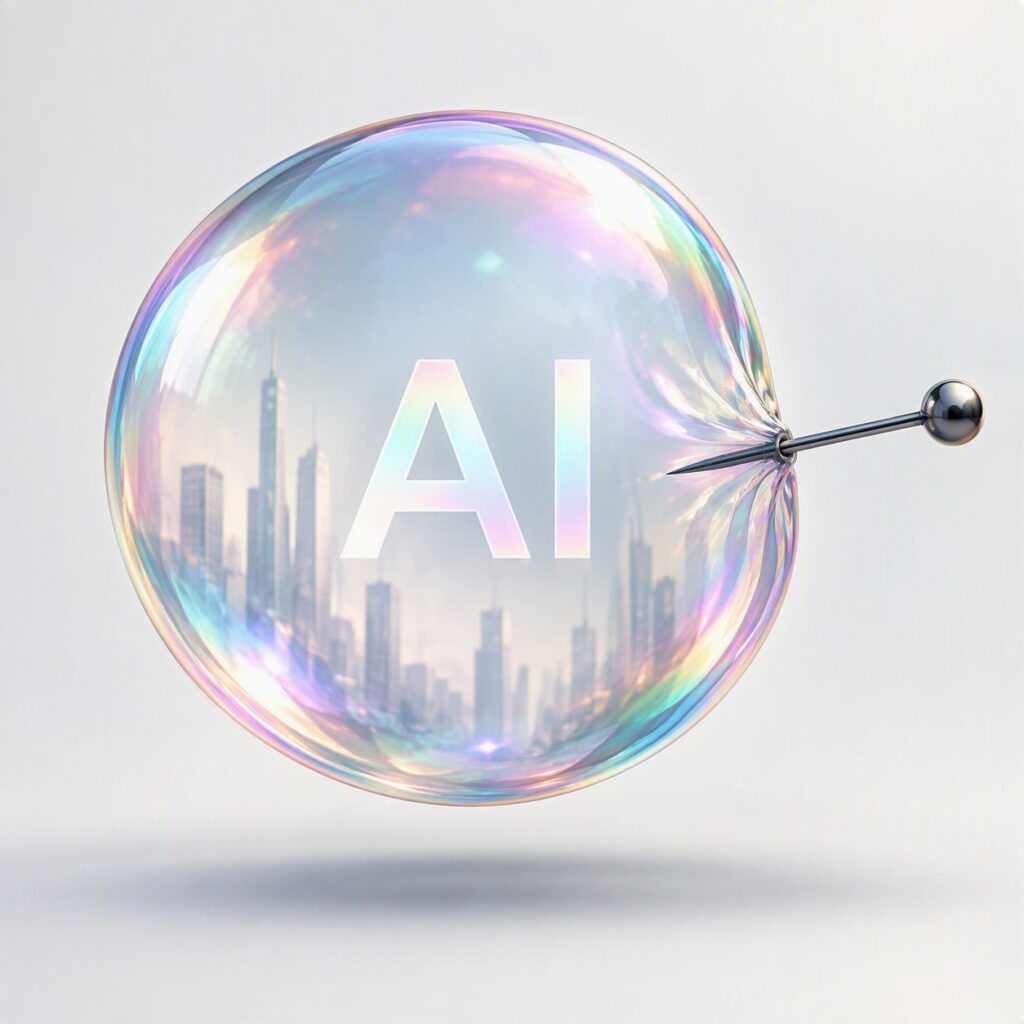
The market’s reaction has been swift and dramatic. Major technology companies heavily invested in AI have seen their market capitalizations soar. Investment in AI startups has reached historic levels, with venture capital pouring billions into promising new ventures. This frenetic activity has led to a significant upward trend in benchmark indices. For instance, the Nasdaq Composite, often a barometer for tech-driven growth, has experienced substantial gains, reflecting investor confidence in AI’s transformative potential. However, this rapid ascent has also triggered concerns that valuations may be decoupling from underlying fundamentals, echoing past market manias.
Echoes of Past Bubbles: Dot-Com and Housing

For many seasoned investors and market observers, the current AI boom evokes strong parallels with historical speculative bubbles. The dot-com bubble of the late 1990s and early 2000s saw internet-related companies achieve astronomical valuations based on speculative growth projections rather than established profitability. When the bubble inevitably burst between 2000 and 2002, the Nasdaq Composite plummeted by nearly 78%, wiping out trillions in market value and causing widespread financial distress. Many promising companies vanished, and countless investors saw their portfolios decimated.
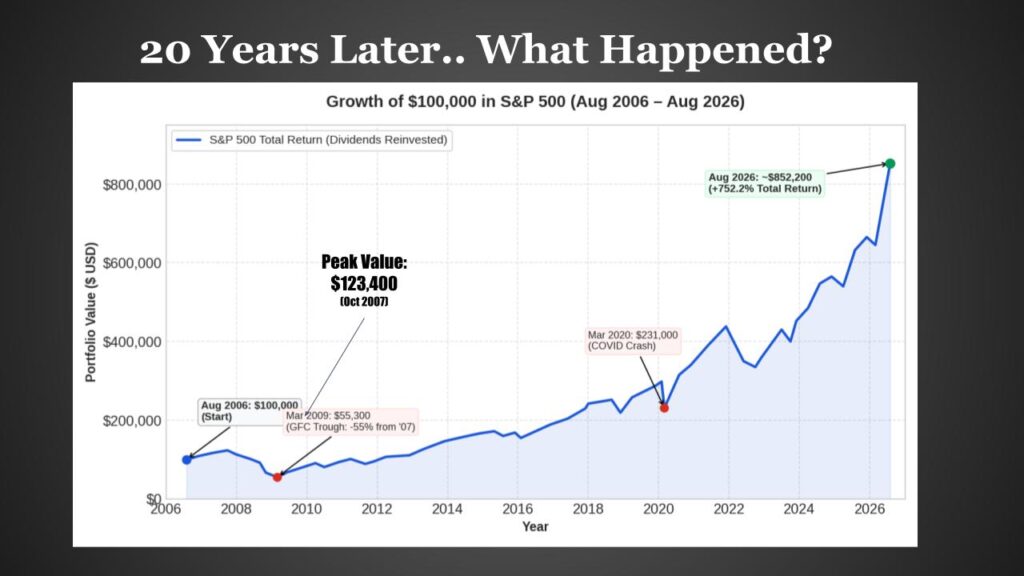
Similarly, the housing bubble of the mid-2000s, which culminated in the 2008 Great Financial Crisis (GFC), was characterized by irrational exuberance in real estate, fueled by lax lending standards and complex, opaque financial instruments. The subsequent crash led to a global recession, widespread foreclosures, and a severe downturn in the stock market. The S&P 500, for example, lost over 50% of its value from its peak in late 2007 to its trough in early 2009.
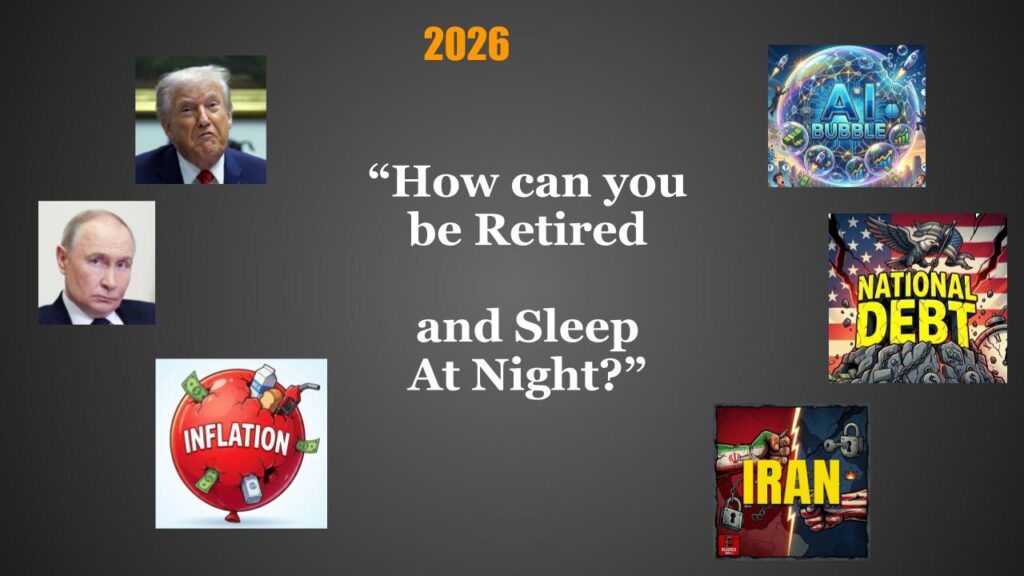
These historical precedents fuel the anxiety surrounding the AI market. Critics argue that while AI is undoubtedly a groundbreaking technology, the pace of investment and the lofty valuations of some companies suggest an "excessive speculation" phase. The fear is that the market may be overestimating the immediate revenue-generating capabilities of AI or underestimating the competitive landscape and regulatory challenges, potentially setting the stage for a similar, if not larger, correction.
A Look Back: How Past Worries Panned Out
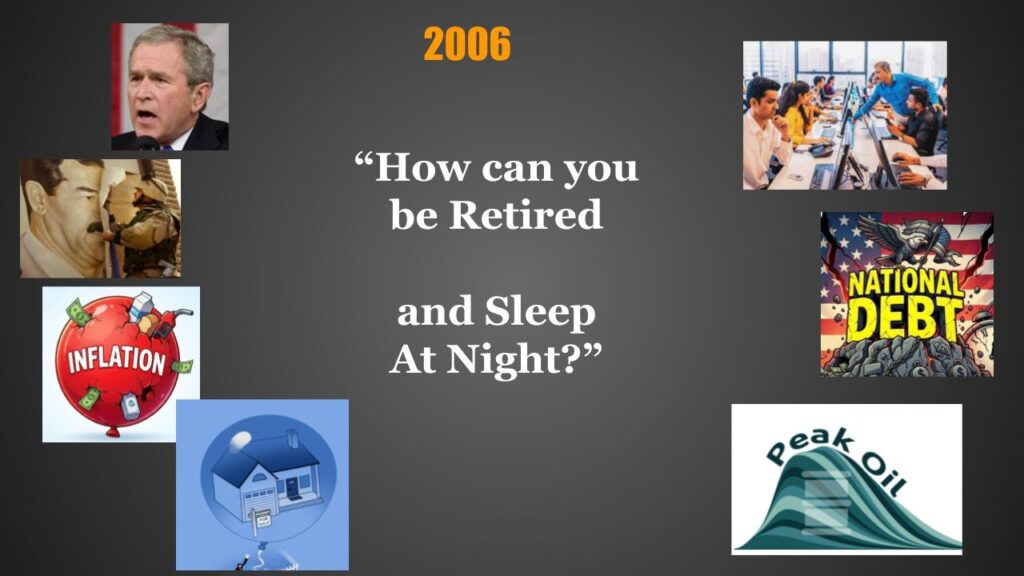
Examining historical periods of widespread anxiety reveals a recurring pattern: today’s existential threats often become tomorrow’s footnotes in a broader narrative of progress. In 2006, for instance, widespread concerns included the Iraq War, rising national debt, and inflation. The housing market was considered overvalued, and the outsourcing of jobs to countries like India and China was seen as a significant threat to domestic employment. A prominent concern was "Peak Oil," the theory that global oil production would soon decline, leading to energy scarcity and economic collapse.
Yet, over the subsequent two decades, the global landscape underwent profound transformations. Despite the GFC, which represented the most severe economic downturn since the Great Depression, the stock market demonstrated remarkable resilience. A hypothetical $100,000 investment in a broad market index in 2006 would have grown to over $850,000 by 2026, even factoring in major corrections like the GFC and the brief but sharp COVID-19 crash in 2020.
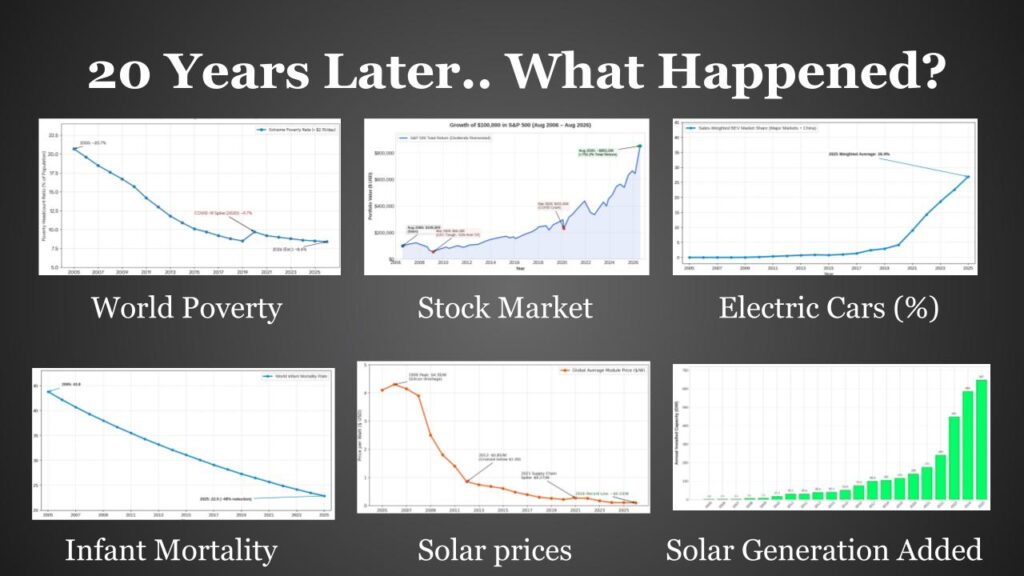
Beyond financial markets, significant global progress was made. Extreme poverty worldwide, defined as living on less than $2.15 a day (2017 PPP), decreased from approximately 20% of the global population in 2005 to around 8% by 2025. Infant mortality rates were nearly halved. The predicted "Peak Oil" crisis never materialized; instead, advancements in extraction technologies and a global shift towards renewable energy sources led to increased supply and diversification. Solar energy, once a niche technology, saw its costs drop by over 90% over two decades, making it a dominant source of new electricity generation. Electric vehicle (EV) sales, virtually non-existent in 2006, now account for a quarter of all new car sales globally, indicating a monumental shift in transportation.
This historical context suggests that while immediate crises and perceived threats loom large, the long-term trajectory of human ingenuity and productivity often leads to unexpected advancements and improved living standards.
Prosperity from Productivity: The Real Economic Engine
The underlying driver of long-term prosperity is not merely the ebb and flow of financial markets, which are essentially sophisticated mechanisms for valuing human activity. Instead, it is productivity: the efficiency with which goods and services are produced. Every tool, every innovation, from the wheel to the internet, has increased human productivity, allowing more to be accomplished with less effort.

The current AI advancements are poised to be a significant force in boosting global productivity. AI acts as a "cognitive nail gun," automating routine cognitive tasks, enhancing decision-making, and accelerating research and development. This will undoubtedly lead to greater economic output, reduced costs, and the creation of entirely new industries and services. While it will inevitably displace workers in certain sectors – as every major technological revolution has done, from agriculture to industrialization to the digital age – it will also create new demands for skills and new forms of employment.
However, a critical implication of such rapid technological shifts is the potential for increased wealth concentration. The benefits of new productivity tools tend to accrue disproportionately to the owners of capital and the innovators who develop and deploy these technologies. This trend can exacerbate economic inequality, a challenge that policymakers and societies must address to ensure that the benefits of AI-driven prosperity are broadly shared.
The Pervasive Nature of Fear and the Path to Resilience
Beyond economic realities, investor behavior and individual well-being are heavily influenced by psychological factors, particularly fear. Humans are inherently "danger detection machines," wired by evolution to identify and react to threats. In modern, relatively safe societies, this innate vigilance often manifests as generalized anxiety about abstract future possibilities, such as market crashes, political instability, or technological disruption.

This fear can be irrational, moving its "goalposts" as old worries are resolved, giving way to new ones. From basic survival fears to social anxieties, and then to concerns about wealth preservation or even "too much money" (as exemplified by worries over Required Minimum Distributions for retirees), fear continuously seeks new targets.
Combating this pervasive fear requires a conscious, multi-faceted approach:
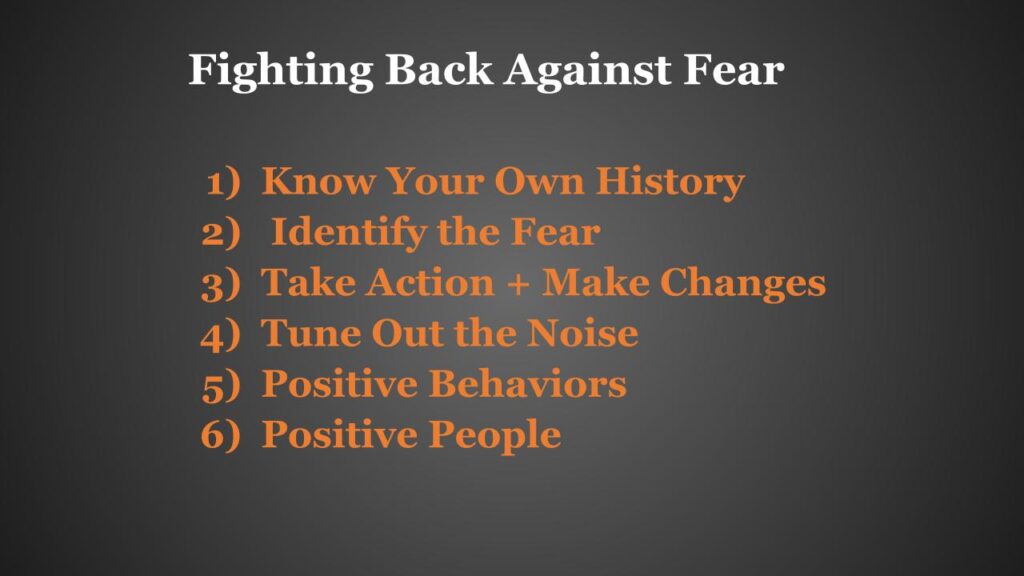
- Understand Personal History: Acknowledging how past experiences, whether childhood scarcity or trauma, might shape current anxieties can provide crucial self-awareness.
- Identify and Articulate Fear: Clearly defining what one is afraid of, and exploring worst-case scenarios, often reveals that the imagined consequences are less dire than initially perceived.
- Action Cures Fear: Taking concrete steps, however small, to address a perceived threat or to learn about an unfamiliar situation builds confidence and resilience. This "badassity" – the ability to adapt to any new situation – negates much of fear’s power.
- Tune Out Noise: The constant barrage of negative news often amplifies fear without providing actionable information. Prioritizing in-depth learning over sensational headlines is crucial.
- Embrace Positive Behaviors: Engaging in activities that align with human evolutionary needs – physical activity, outdoor experiences, learning, and problem-solving – significantly improves mental well-being and reduces anxiety.
- Cultivate Positive Relationships: Surrounding oneself with optimistic, productive individuals can foster a more resilient and forward-looking mindset.
Ultimately, approaching life with an "Everything is an Experiment" mentality can transform potential threats into opportunities for growth and learning. Whether it’s a new job, a lifestyle change, or a disruptive technology like AI, viewing these as experiments reduces the inherent fear of the unknown and encourages active engagement and adaptation.
Conclusion: Navigating the AI Era with Optimism and Action

The AI boom presents a complex landscape of opportunities and challenges. While the specter of a market bubble and subsequent crash remains a valid concern for some, historical data suggests a long-term trend of growth and progress, driven by continuous innovation and increased productivity. The financial system, though prone to volatility, has repeatedly demonstrated its capacity to recover and adapt.
For individuals, especially those planning for or enjoying retirement, the focus should extend beyond market fluctuations to cultivating financial resilience and psychological fortitude. This means maintaining diversified investment portfolios aligned with long-term goals, understanding that market downturns are a normal part of economic cycles, and, perhaps most importantly, actively managing one’s emotional responses to uncertainty.

Artificial Intelligence, like any powerful technology, is a tool. Its ultimate impact will depend on how humanity chooses to develop, regulate, and integrate it into society. By understanding the economic fundamentals of productivity, recognizing the psychological underpinnings of fear, and actively embracing learning and adaptation, individuals can navigate the AI era not as a source of dread, but as another transformative experiment offering immense potential for human advancement and an enriched quality of life. The greatest risks often lie not in the challenges themselves, but in the paralysis induced by fear that prevents us from addressing them effectively.

