
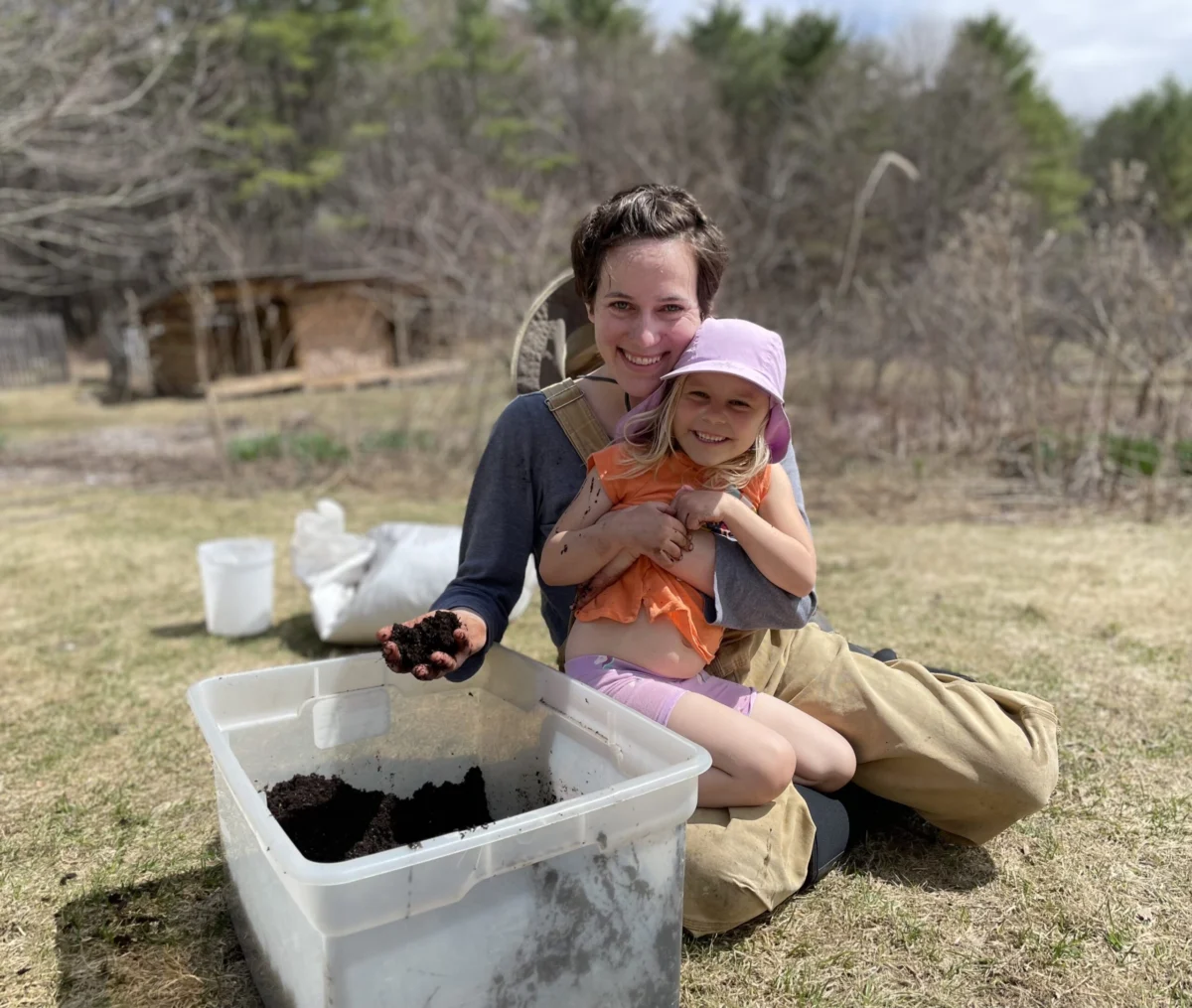
The dream of total food self-sufficiency, often romanticized in digital media and historical fiction, frequently encounters the stark realities of labor economics and biological unpredictability when put into practice. For the founders of the prominent personal finance and lifestyle platform Frugalwoods, a seven-year experiment in rural Vermont has culminated in a significant recalibration of what it means to live "off the land." Since transitioning from an urban environment to a 66-acre homestead in May 2016, the family has moved from an idealistic vision of subsistence farming to a pragmatic model of supplemental gardening, citing the "all-consuming" nature of full-time agricultural production as a primary catalyst for the shift.
The Myth of the Self-Sufficient Larder
When the family first relocated to central Vermont, their objectives were rooted in the "back-to-the-land" ethos that has seen a resurgence in the 21st century. The initial plan involved not only growing a comprehensive array of fruits and vegetables but also potentially raising meat chickens, pigs, goats, and a dairy cow. The goal was a modern-day, organic paradise where every calorie consumed was accounted for within the property lines.
However, seven years of data and lived experience have debunked the assumption that a single family can efficiently provide for all its nutritional needs while maintaining a balanced lifestyle. The primary realization was that the labor required for such an endeavor constitutes a full-time professional commitment. For those not pursuing agriculture as a primary vocation, the transition from "hobby" to "subsistence" can lead to significant psychological and physical strain.
A Chronology of the Homestead Transition (2014–2023)
The journey from urban professionals to realistic homesteaders followed a distinct timeline marked by infrastructure development and hard-learned lessons:
- April 2014: Launch of the Frugalwoods platform, documenting the family’s journey toward financial independence and their eventual move to the woods.
- May 2016: The purchase and relocation to a 66-acre property in rural Vermont. The first growing seasons were characterized by "staggering" infrastructure setup, including land clearing and initial garden plot development.
- Summer 2018: The "Kale and Chard Apocalypse." This pivotal event involved the overproduction of 80 greens plants, leading to a labor crisis during the harvest and preservation phase.
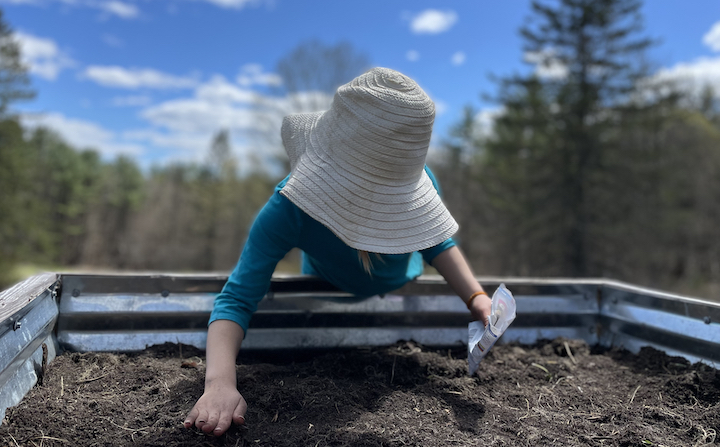
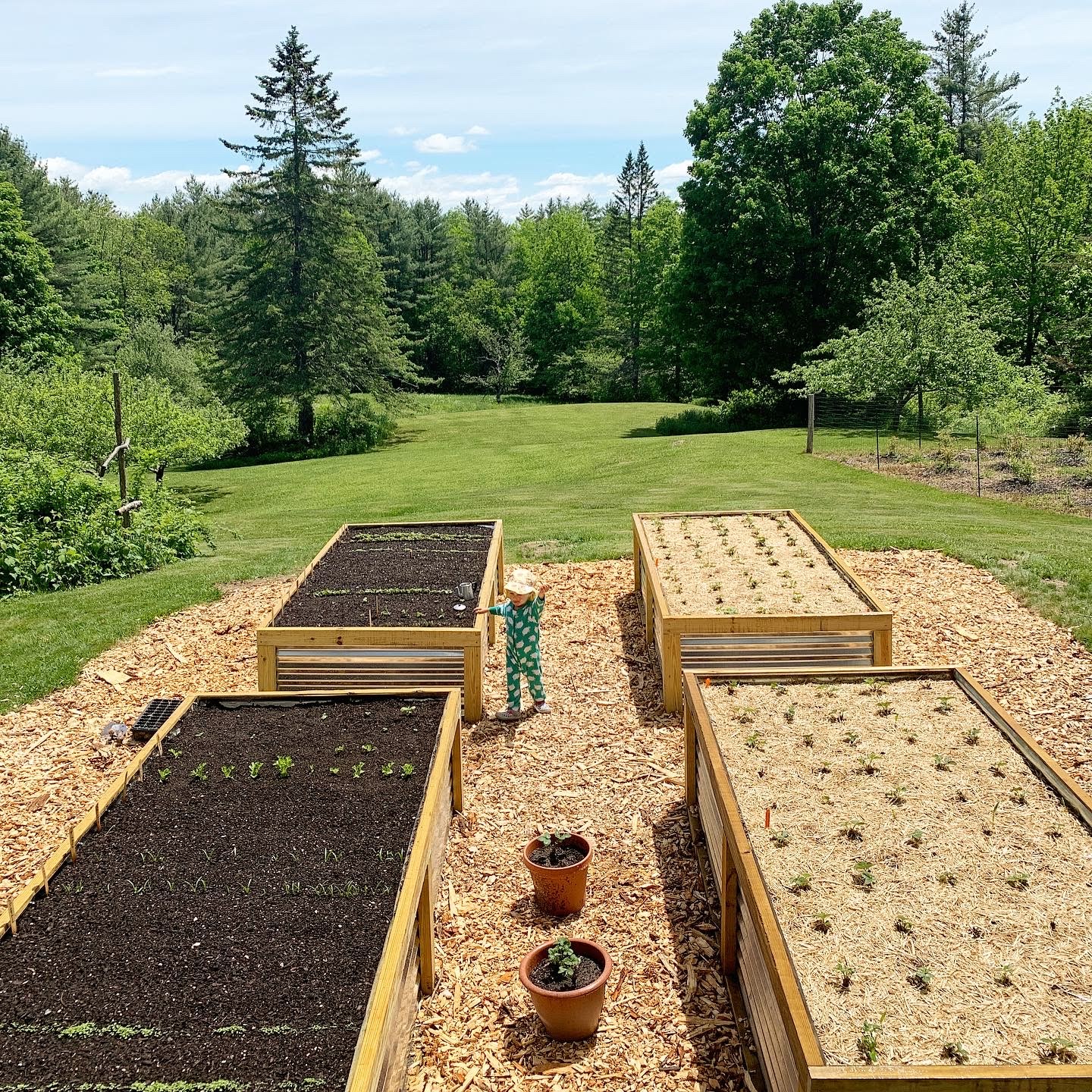
- Spring 2020: Construction of four raised beds near the primary residence. This represented a shift toward "proximity gardening"—growing high-use items like strawberries, herbs, and salad greens in easily accessible locations.
- May 2023: The seven-year anniversary of the move. The family officially transitioned to a "hybrid" model, where they grow select crops for enjoyment and supplemental nutrition while sourcing bulk staples from professional local farmers.
The 2018 Kale and Chard Apocalypse: A Case Study in Overproduction
The most significant turning point in the family’s agricultural philosophy occurred in 2018. In an attempt to maximize their harvest, they planted 80 kale and chard plants. The resulting yield was so prolific that it overwhelmed the family’s processing capacity.

The preservation process for this single harvest required several days of intensive labor. The sheer volume of greens necessitated using a plastic children’s wading pool as a rinsing station. The process included harvesting, multi-stage washing, de-stemming, blanching in boiling water, cooling in ice baths, and vacuum sealing for freezer storage.
Despite the successful preservation of a massive quantity of food, the family encountered a secondary hurdle: consumption rates. Much of the hard-won produce eventually spoiled or was composted because the family could not consume it before the quality degraded. This event served as a definitive lesson in the diminishing returns of home food preservation and the importance of calculating "consumption-to-labor" ratios.

The Labor Economics of Home Preservation
Data from agricultural extensions suggests that the time-cost of home canning and freezing is often underestimated by novices. According to USDA guidelines, high-acid foods (like most fruits) and low-acid foods (like vegetables and meats) require specific, time-intensive processing methods to ensure safety against pathogens like Clostridium botulinum.
The Frugalwoods’ experience highlights a common "homesteader’s trap": the transformation of a leisure activity into a high-stress obligation. By attempting to preserve "every single stalk" and "every single cucumber," the family inadvertently replicated the stressors of the corporate "rat race" they had sought to escape. They concluded that "chaining oneself to a vegetable garden" is functionally similar to being tethered to a desk if the activity is driven by external pressure rather than internal joy.

Current Agricultural Infrastructure (2023 Status)
As of May 2023, the homestead has been organized into three distinct zones designed to balance yield with manageable labor:
1. The Proximity Beds
Four raised beds located adjacent to the back porch serve as the "kitchen garden." These beds are dedicated to:

- Strawberries: Two beds of perennial berries that provide early-summer fruit.
- Herbs and Greens: Two beds for culinary herbs (parsley, sage, chives, oregano) and high-rotation salad greens (lettuce, arugula, spinach).
2. The "Big" Vegetable Garden
A fenced-in plot utilizing cattle panels for vertical trellising. This area focuses on annual crops that the family enjoys eating fresh, including:
- Tomatoes, beans, squash, and snap peas.
- Cucumbers and peppers.
- Pumpkins and gourds for seasonal decoration and livestock supplemental feed.
3. Perennial Orchards and Fruit Patches
The family has invested in long-term perennial crops, which require significant upfront time (often 6+ years for fruit trees to bear) but lower annual maintenance compared to row crops. Current plantings include:

- Fruit Trees: Apple, pear, plum, peach, and cherry.
- Berries: Blueberries, raspberries, elderberries, and currants.
- Other: Asparagus and rhubarb.
Environmental and Biological Challenges
The transition to a more relaxed gardening style was also influenced by the "Clever Varmint Patrol" (CVP)—a term the family uses for the local wildlife that competes for the harvest. In rural Vermont, pests range from insects to birds and large mammals.
Specific challenges include:

- Wildlife Competition: Local fauna frequently harvests fruit the moment it reaches peak ripeness, often outmaneuvering netting and fencing.
- Climate Volatility: Vermont’s growing season is subject to late spring frosts and early autumn freezes. A single weather event can decimate an entire year’s worth of fruit blossoms.
- Synchronized Ripening: Unlike a grocery store, a homestead produces food in "pulses." An entire apple tree will ripen within a matter of days, demanding immediate labor that may conflict with the family’s professional or personal schedules.
Broader Implications for the Modern Homesteading Movement
The Frugalwoods’ shift toward "agricultural realism" reflects a broader trend among rural transplants. While the "homesteading" hashtag on social media often emphasizes aesthetic self-sufficiency, the reality for many is a return to community-based food systems.
By choosing to buy bulk produce from neighboring professional farmers, the family is supporting the local rural economy while freeing up their own time for other pursuits. This "specialization of labor" is a cornerstone of economic efficiency that many modern homesteaders are beginning to re-adopt.

The family’s conclusion—that they would rather "do a little bit of a lot of different things" than focus exclusively on food production—serves as a case study for others considering a similar move. It emphasizes that the value of rural life often lies in the freedom of time and space, rather than the rigorous adherence to an idealized version of 19th-century subsistence.
Acceptance as the Final Stage of Gardening
The current philosophy at the Frugalwoods homestead is one of acceptance. The pressure to be "perfect" has been replaced by a "rinse and repeat" seasonal cycle that prioritizes family time, community engagement, and personal well-being over maximum caloric output.
"I’ve learned that the pressure for perfection isn’t limited to school or traditional jobs—it can take over anything," the family noted in their seven-year retrospective. By acknowledging that they are not destined to be subsistence farmers, they have successfully preserved the joy of the rural lifestyle that drew them to Vermont in the first place. This evolution from "total self-sufficiency" to "intentional supplemental gardening" provides a blueprint for sustainable rural living in the 21st century.

