
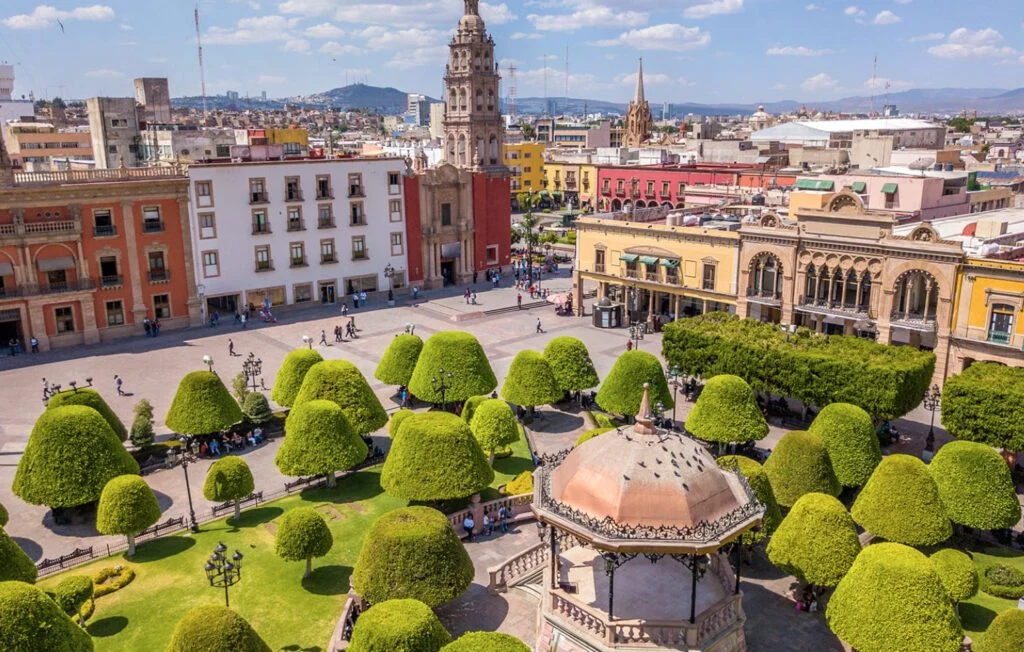
The allure of a life beyond national borders during retirement is drawing an increasing number of Americans, a trend exemplified by Anne Nicolai’s journey from a corporate career in Minnesota to a vibrant life as a freelance writer and karaoke host in San Miguel de Allende, Mexico. Nicolai, who made the transition in 2008 and now hosts MoveToMexico.org, shared five pivotal lessons learned from her extensive experience as an expatriate, offering insights into the motivations and realities of this growing demographic.
The Empowering Realization of Personal Capability
Nicolai’s first and perhaps most profound lesson is the discovery of her own untapped capabilities. Upon her initial move to Mexico, she described a period of significant adjustment, marked by linguistic struggles, difficulty with currency conversion, and a perceived lack of rhythm. However, fourteen years later, this self-assessment has dramatically shifted. Nicolai is now a fluent Spanish speaker and an accomplished karaoke host, a role that demands both linguistic proficiency and social engagement. Her financial acumen has also evolved; she no longer performs mental calculations between pesos and dollars, having fully integrated into the local economy.
This personal growth extends to navigating complex bureaucratic systems. Nicolai successfully obtained and renewed her temporary residency visa multiple times, a process that involved significant persistence and numerous visits to government offices. The ultimate achievement of permanent residency, often referred to as a "green card" for its similarity in function to the U.S. immigration document, represents a deep level of commitment and integration. Furthermore, her consistent, solo road trips spanning the distance between San Miguel de Allende and Minneapolis, undertaken more than twenty times, underscore her resilience and adaptability. These journeys, punctuated by experiences of getting lost and encountering minor corruption, have consistently pushed the boundaries of her comfort zone, fostering a sense of pride and accomplishment. This narrative aligns with a broader trend observed in expat communities, where individuals often report a significant increase in self-confidence and problem-solving skills after relocating. Studies on expatriation consistently highlight enhanced adaptability and resilience as key psychological benefits.
The Strategic Advantage of Expat Communities and Local Integration
The second critical lesson Nicolai imparts is the importance of "safety in numbers," emphasizing the strategic advantage of expatriate communities. Relocating to a foreign country inherently necessitates a heightened awareness of personal safety and security measures. In Mexico, as in many popular expat destinations, visible security features such as decorative ironwork on windows and doors, and even embedded broken glass or razor wire atop garden walls, are common deterrents against burglary. The constant vigilance required, such as never leaving valuable electronics unattended in a vehicle, reflects a reality that differs from the security norms in many parts of the United States.
However, Nicolai points out that within established expat enclaves, a de facto security infrastructure often emerges. In San Miguel de Allende, for instance, emergency services are accessible in English, and a direct line to the American consular agency provides an additional layer of support. This is complemented by a local population that has grown accustomed to interacting with expatriates, leading to a greater prevalence of English speakers in various service sectors. While Nicolai herself chooses to reside in an entirely Spanish-speaking neighborhood, demonstrating a commitment to deeper cultural immersion, she acknowledges the spectrum of living arrangements available. The ability to foster strong relationships with neighbors, to the extent that one feels comfortable seeking assistance in times of need, is presented as a vital component of personal security, transcending reliance solely on formal security measures. This phenomenon is observed globally; in countries like Portugal and Panama, expat hubs often develop informal networks for mutual support and information sharing regarding local safety concerns.
Leveraging Technology for Global Connectivity
The third lesson underscores the pervasive role of technology in bridging geographical divides and maintaining connections. Nicolai asserts that regardless of one’s chosen retirement destination, modern technology ensures that individuals can remain intimately connected with loved ones back home. The widespread availability of high-speed internet and affordable mobile services globally facilitates this connectivity. Applications such as WhatsApp, Duo, and FaceTime offer free voice and video calling, enabling expatriates to participate in significant life events, from birthday celebrations to holiday gatherings, regardless of distance.
Beyond personal connections, technology also facilitates essential services. Virtual healthcare options are increasingly accessible, allowing retirees to consult with medical professionals remotely. Managing financial affairs, such as paying bills online and receiving direct deposits of Social Security benefits into foreign bank accounts in either dollars or local currency, has become a streamlined process. Furthermore, technology serves as a vital tool for integrating into the new community. In San Miguel de Allende, expat forums on platforms like Facebook provide a wealth of information, ranging from local classifieds and crime alerts to social event listings and recommendations for hard-to-find goods. Navigation tools like Google Maps and Waze, when paired with reliable internet access, empower expatriates to explore their surroundings with confidence, easily locating shops, restaurants, and public transportation. The proliferation of such digital tools has significantly lowered the barrier to entry for international living, making remote retirement a more feasible and less daunting prospect.
The Transformative Power of Cultural Immersion
Nicolai’s fourth lesson highlights the profound and positive impact of immersing oneself in a different culture. Her decision to move to Mexico was motivated by a desire for increased sunshine, vibrant color, ethnic diversity, and the intellectual challenge of acquiring a new language. Reflecting on her previous life as a "Type A" American, characterized by a consumerist lifestyle that included a large home, multiple vehicles, and a penchant for expensive indulgences, Nicolai now recognizes the transformative benefits of embracing patience, humility, and simplicity.
Her daily life in Mexico has fostered a more minimalist approach to consumption; her focus has shifted primarily to essential needs like food and music. The majority of her wardrobe has remained consistent since her relocation, a testament to a lifestyle that encourages more walking, dancing, and healthier eating habits. This shift towards a less materialistic and more experience-driven existence is a recurring theme among expatriates worldwide. Studies examining the psychological impact of long-term expatriation often cite increased mindfulness, reduced stress levels, and a greater appreciation for life’s simpler pleasures as significant outcomes. The inherent challenges and rewards of navigating a new cultural landscape can foster a deeper understanding of oneself and the world, leading to a more contented and fulfilling retirement.
The Inherent Flexibility of the Expatriate Choice
The fifth and final lesson offers a crucial reassurance: "You can always go home." Nicolai acknowledges that while many expatriates, including some in their 80s and 90s, have established roots in their adopted countries for decades, others have made the decision to return to their home nations. These decisions are often driven by evolving health needs, a desire to be closer to family, or simply a change in personal preference. The narrative of expatriation is not a one-way street; individuals may relocate from one international destination to another, such as moving from Mexico to Thailand, New Zealand, or Portugal.
Nicolai emphasizes that there is no universally "right" or "wrong" way to retire, nor is there a perfect time or ideal location. The process is characterized by experimentation and learning, rather than a definitive measure of success or failure. For Nicolai, Mexico has become home, but she does not rule out the possibility of living in the United States again. Her current plan is to remain in Mexico, but the underlying message is one of agency and flexibility. The motivations for expatriation are as diverse as the individuals themselves, ranging from a desire for reinvention, healing from personal challenges, or pursuing artistic passions, to simply escaping harsh climates and seeking new adventures. The consistent support from friends and family who visit her in Mexico has ensured she has never felt isolated. Ultimately, the freedom to choose one’s path, whether it involves staying put, returning home, or embarking on a new international chapter, is the defining characteristic of this evolving retirement landscape. The ability to make such significant life changes underscores the resilience and adaptability fostered by the expat experience.

