
As the United States enters another election cycle, the national discourse inevitably shifts towards the economy, a perennial battleground for political candidates. While voters grapple with choices between competing visions, a critical examination reveals that much of the economic rhetoric employed by politicians often simplifies, distorts, or outright misrepresents complex realities for electoral advantage. This phenomenon, highlighted by various economic commentators and data-driven initiatives, underscores a significant disconnect between public perception, political narrative, and actual economic performance.
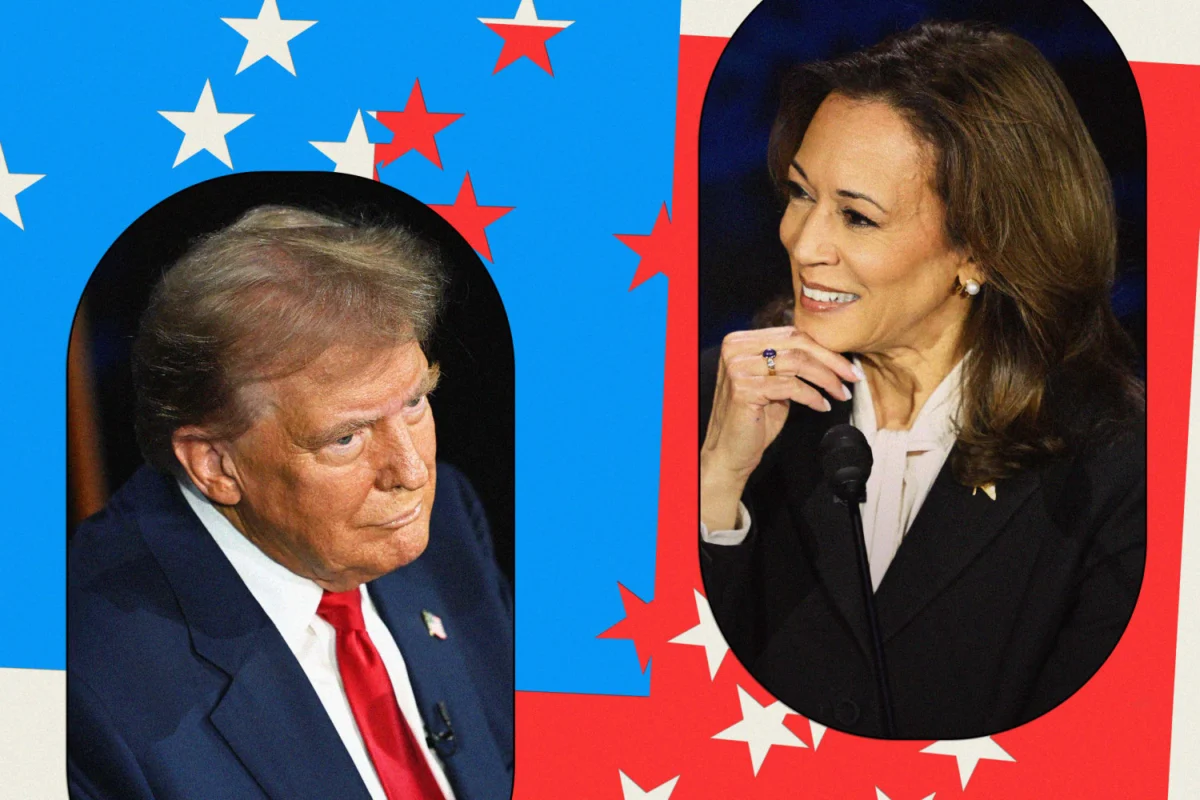
The current political landscape, marked by intense campaigning between candidates like Vice President Kamala Harris and former President Donald Trump, sees the economy as a central talking point. Yet, for advanced economic thinkers, the focus extends beyond partisan bickering to a deeper understanding of how economic systems truly function. The challenge lies in distinguishing sound economic principles from emotionally charged appeals designed to sway undecided voters in swing states, often at the expense of factual accuracy.
The Current Economic Landscape: A Reality Check
Despite widespread political claims of a "bad economy," numerous indicators suggest a robust and historically strong US economic environment. The nation has experienced record-low unemployment rates, a significant achievement reflecting a vibrant labor market. As of recent reports from the Bureau of Labor Statistics (BLS), the unemployment rate has consistently hovered near fifty-year lows, indicating broad employment opportunities across various sectors. Gross Domestic Product (GDP) figures have also shown sustained growth, demonstrating resilience and expansion in economic activity.
This period of strength, however, has not been without its challenges. A notable feature has been a bout of higher inflation following the COVID-19 pandemic. While politically weaponized as a sign of economic weakness, economists often interpret moderate inflation, especially when accompanied by strong employment and wage growth, as a natural consequence of an economy operating at or near full capacity. The Federal Reserve’s subsequent implementation of higher interest rates was a deliberate measure to cool an overheating economy and bring inflation back to its target, not a symptom of underlying economic collapse.

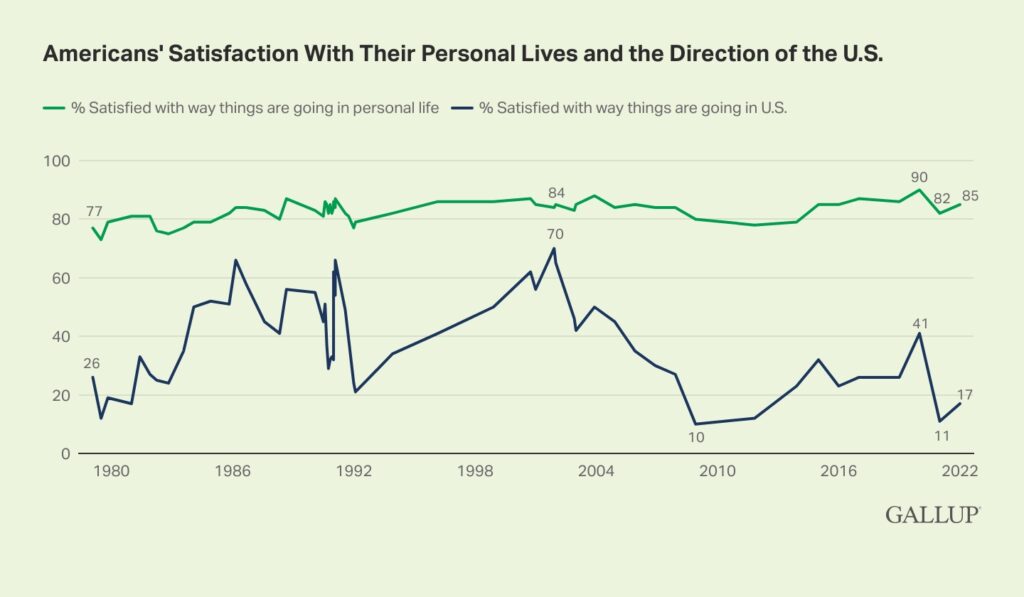
A striking illustration of the perception-reality gap comes from recent polling data. A Gallup poll indicated that while a significant majority of Americans (around 85%) reported doing well personally, only a small fraction (approximately 17%) believed the national economy was performing well. This mathematical inconsistency – where individual prosperity fails to translate into a positive perception of the collective economy – is often attributed to the pervasive influence of misinformation, particularly via social media, and politically motivated narratives that amplify anxieties rather than present a balanced view. The selective dissemination of information, coupled with cognitive biases, can lead to a collective misinterpretation of broad economic trends.
Chronology of Economic Rhetoric in US Elections
Economic messaging has always been a cornerstone of US election campaigns, evolving with the prevailing conditions and political climate. Historically, economic narratives have shifted from post-war prosperity and Cold War anxieties to the stagflation of the 1970s, the dot-com boom and bust of the late 1990s and early 2000s, and the Great Recession of 2008. In each cycle, politicians have tailored their messages to either claim credit for positive trends or assign blame for downturns.
In the aftermath of the 2008 financial crisis, the economy dominated the 2012 and 2016 elections, with debates centering on recovery, job creation, and income inequality. The 2020 election saw a focus on the economic impact of the COVID-19 pandemic and the subsequent government stimulus measures. The current election cycle’s narrative around a "bad economy" largely stems from the inflationary pressures experienced from late 2021 through 2022. While inflation has since significantly moderated, falling to an ultra-low 2.4% according to recent Consumer Price Index (CPI) data, the initial shock and the lingering psychological impact of higher prices have provided fertile ground for opposition parties to sow doubt about the overall economic health. This tactic often overlooks accompanying wage growth and the broader strength of the labor market, selectively emphasizing negative aspects.
Debunking Key Economic Misconceptions
To foster a more informed electorate, it is crucial to dissect and debunk common economic myths perpetuated during election campaigns:
1. The President Controls the Economy:
One of the most enduring political fallacies is that the President single-handedly steers the nation’s colossal economy. While a president’s fiscal policies (taxation, spending, budget proposals) and trade agreements can influence economic conditions, their impact is often indirect, delayed, and subject to Congressional approval and global forces. The US economy, a nearly $28 trillion behemoth representing about 26% of global GDP, is a complex, decentralized system driven by billions of individual decisions, technological innovation, consumer confidence, corporate investment, and international trade dynamics.
Economic booms and busts are largely the result of inherent market cycles, often characterized by "irrational exuberance" (as seen in the 2007 housing bubble) followed by periods of fear and pessimism (like the 2008 financial crisis). Global events—such as geopolitical conflicts, supply chain disruptions, or energy price shocks—can exert far more immediate and profound influence than any single presidential directive. Presidents act more like a captain adjusting the rudder of a massive ship in a vast ocean, while the ship itself is constantly buffeted by unpredictable waves and currents. Attributing economic success or failure solely to the Oval Office oversimplifies a multifaceted reality.
2. The President Controls Interest Rates:
Another common misconception involves the President’s supposed ability to dictate interest rates. Candidates often express sympathy for borrowers facing higher costs on mortgages, car loans, and credit cards, promising to "fight" to lower rates. Former President Trump, for instance, has publicly criticized the Federal Reserve and suggested he would assert control over the independent body. This narrative fundamentally misunderstands the structure and function of the Federal Reserve System.
The Federal Reserve, operating under its Board of Governors and the Federal Open Market Committee (FOMC), is deliberately designed to be independent of political pressures. Its dual mandate is to achieve maximum employment and maintain stable prices (i.e., control inflation). The Fed utilizes monetary policy tools, primarily adjusting the federal funds rate, to either stimulate economic growth (by lowering rates) or cool an overheating economy and curb inflation (by raising rates). Placing this critical tool in the hands of a sitting president, who might prioritize short-term political gains over long-term economic stability, would be catastrophic. History provides ample warnings, with examples like Argentina demonstrating how political interference in monetary policy can lead to hyperinflation and economic instability. The Fed’s independence is a cornerstone of sound economic management, shielding it from the immediate demands of electoral cycles.
3. Inflation Has Made Life Harder for Americans (and the President Can Magically Reverse It):
The recent period of elevated inflation has been a significant talking point. While rapid inflation undoubtedly poses challenges, the political narrative often oversimplifies its causes and effects, and makes unrealistic promises about its reversal. The post-COVID inflation spike was a unique confluence of factors: supply chain bottlenecks due to factory closures and remote work, robust consumer demand fueled by government stimulus checks, and historically low interest rates. These factors have largely resolved, with the CPI showing inflation retreating to near the Fed’s 2% target.
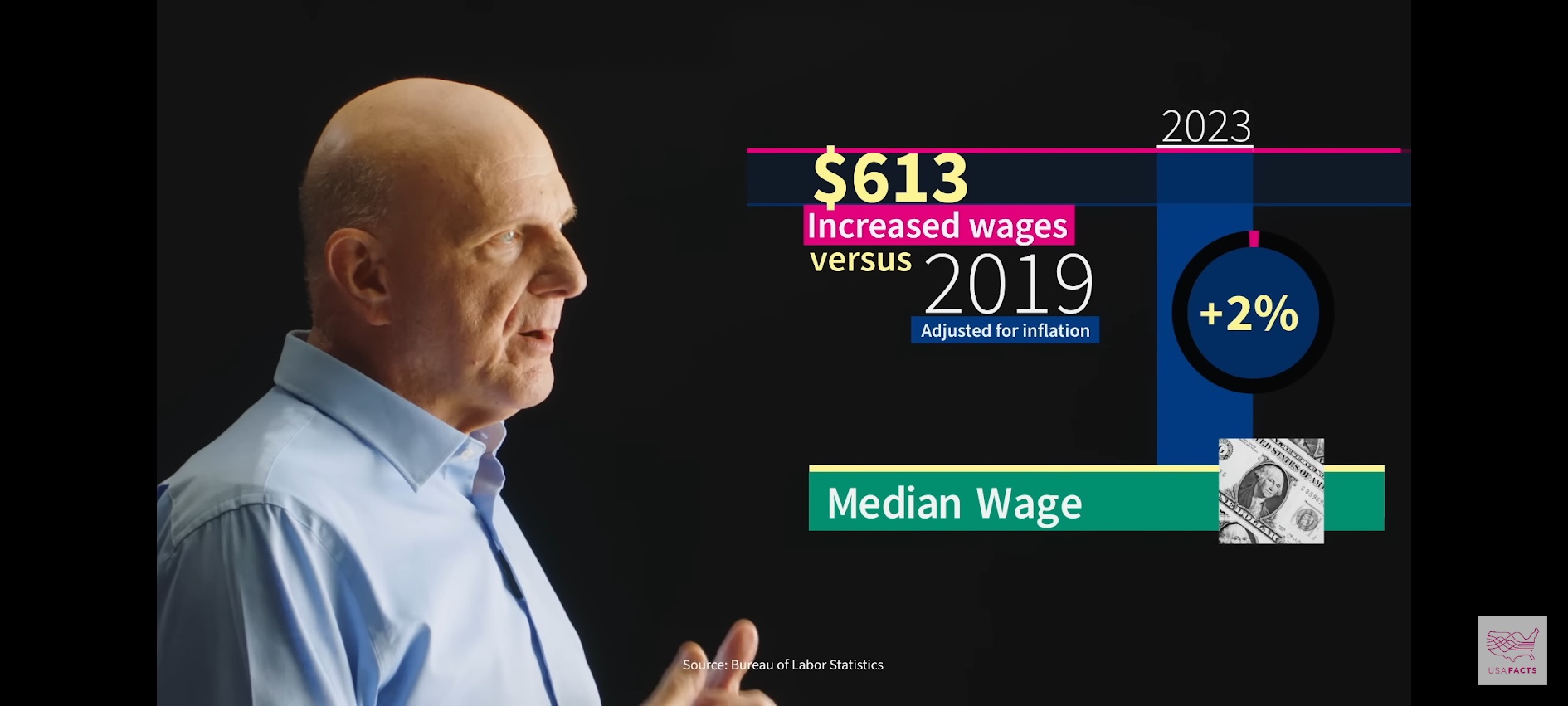
Crucially, the claim that inflation has universally "made life harder" for Americans often ignores a vital counterpoint: wages have largely kept pace with, and in many cases outpaced, inflation. Data from the Bureau of Economic Analysis (BEA) and BLS indicates that since 2019, aggregate wages have risen approximately 21%, while overall prices have increased by about 19%. This means that, on average, Americans’ purchasing power has slightly increased, not decreased. The psychological impact of seeing prices rise at the grocery store or gas pump often overshadows the more gradual, less visible increase in paychecks.
Furthermore, the "greedy corporations" narrative, which blames price increases solely on companies hoarding profits, often lacks empirical support. While businesses naturally seek to maximize profits, competitive markets generally prevent widespread "price gouging." A deep analysis by NPR, for example, found no evidence of windfall profits for grocery stores during the recent inflationary period, suggesting that price increases were driven by genuine cost pressures rather than corporate avarice. Promises to "bring prices back down" also ignore that deflation (a sustained decrease in prices) is generally detrimental to an economy, leading to reduced spending, investment, and job losses.
4. The President Controls Housing Prices:
Housing affordability has become a pressing issue, with both home prices and rents soaring faster than general inflation and wages over the past decade. While rising interest rates are intended to cool the housing market by making borrowing more expensive, prices have remained stubbornly high, creating a "double whammy" for potential homebuyers. Political solutions often focus on demand-side interventions, such as subsidies for first-time homebuyers or schemes to lower interest rates.
These proposed solutions, however, often exacerbate the problem by stimulating demand without addressing the fundamental issue of housing supply. The core problem lies in a severe shortage of housing units, driven by restrictive land-use regulations, cumbersome permitting processes, escalating construction costs, and "Not In My Backyard" (NIMBY) opposition from existing residents. Real solutions require systemic changes: streamlining permitting, reforming exclusionary zoning laws (e.g., eliminating single-family-only zoning, minimum lot sizes, excessive setback and parking requirements), reducing impact fees, and allowing for greater density and diverse housing types (like duplexes, townhomes, and small apartment buildings). These measures, which fall largely within the purview of state and local governments, could significantly reduce the cost of building new homes, making housing more accessible and affordable in the long term.
5. The President Controls Gas Prices, and They Are Currently "High" and We Want Them Lower:
Gasoline prices are a perennial political football, despite their diminishing real economic impact. First, when adjusted for inflation, the price of gasoline today (typically in the $3-4 per gallon range) is comparable to what it was in 1950, as data from the US Department of Energy’s Alternative Fuels Data Center shows. This historical perspective often gets lost in the immediate outrage over price fluctuations.
Second, for the average American household, gasoline consumption accounts for a relatively small portion of disposable income—approximately 2.5%. This is significantly less than what is spent on other aspects of car ownership (depreciation, insurance, maintenance), yet gas prices attract disproportionate attention.
Third, and perhaps most importantly, gasoline is rapidly becoming an obsolete fuel for personal transportation. The proliferation of electric vehicles (EVs) offers a compelling alternative. Used EVs are increasingly affordable, often costing less than comparable used internal combustion engine (ICE) vehicles. New EVs also offer competitive pricing, particularly after federal tax credits. Beyond cost, EVs provide superior performance (faster acceleration, quieter ride) and significantly lower maintenance requirements, eliminating the need for gasoline entirely. The political focus on gas prices, therefore, feels anachronistic, akin to debating the price of Kodak film or typewriters in the digital age. This fixation distracts from the ongoing energy transition and the economic and environmental benefits of adopting modern alternatives.
6. The Economy Is Something We Should Even Worry About (Existentially):
Perhaps the most profound misconception is the pervasive belief that endless economic growth and accumulation of wealth are the primary drivers of national well-being and individual happiness. While hard work and innovation are indeed valuable, many developed nations, including the US, passed the point of having "enough" decades ago. The constant pursuit of more, often fueled by political rhetoric, can obscure the fact that beyond a certain level of income, additional money yields diminishing returns in terms of happiness and life satisfaction. Research in positive psychology consistently shows that factors like strong social connections, purpose, health, and freedom contribute more significantly to well-being than ever-increasing wealth.
While income and wealth inequality are legitimate concerns that warrant attention, advocating for progressive taxation and robust social safety nets to foster a more equitable and peaceful society, the relentless focus on aggregate economic metrics can be misleading. As the rich get richer, studies indicate their happiness does not necessarily increase proportionally. The concept of "enough" is more a function of mindset and life skills than the size of one’s paycheck. If politicians genuinely prioritized happiness and well-being, their platforms might emphasize sustainable living, community building, mental health, and financial literacy (akin to "Mustachian" principles of financial independence) rather than pandering to specific economic grievances or promising ever-more material consumption.
The Role of Misinformation and the Path to Informed Citizenship
The current election cycle vividly illustrates how political narratives can diverge from economic realities, often exacerbated by the rapid spread of misinformation. This phenomenon highlights the critical need for data literacy and a discerning approach to political claims. Initiatives like "USA Facts," founded by former Microsoft CEO Steve Ballmer, offer a valuable counterpoint by presenting raw, unbiased data on various economic and social indicators, allowing citizens to draw their own conclusions free from political spin.
For voters, the implication is clear: active citizenship in a democratic society demands moving beyond superficial campaign promises and emotional appeals. It requires a commitment to understanding the fundamental drivers of economic prosperity and the genuine constraints and levers of governmental power. By focusing on verifiable data and sound economic principles, citizens can make more informed choices that align with long-term national well-being rather than short-term political expediency. While casting a vote is essential, an informed electorate must also tune out the noise and focus on what truly matters for their "circle of control" and the collective good.
In conclusion, the current US election presents a stark reminder of the pervasive economic myths that permeate political discourse. Disentangling fact from fiction is not merely an academic exercise; it is crucial for ensuring that policy decisions are grounded in reality and contribute to a more stable, prosperous, and equitable future.

