
The 2026 FIFA World Cup, anticipated by many as the largest gambling event in global history, has demonstrably reshaped the landscape of prediction market platforms, driving unprecedented trading volumes and intensifying both market activity and regulatory attention. Throughout June, as the world’s most watched sporting spectacle unfolded, these platforms experienced a monumental influx of user engagement, setting new benchmarks for notional volume and open interest. This surge provides a critical test case for the burgeoning industry, evaluating its operational resilience and its capacity to manage high-volume, high-stakes environments under the watchful eyes of both financial institutions and regulatory bodies.
The Unprecedented Surge in Trading Volume
The economic impact of the 2026 FIFA World Cup was projected to be vast, extending beyond traditional sports betting into various sectors, including employment, as evidenced by Goldman Sachs’ estimates of a potential 40,000 boost to the June jobs report. However, it was the prediction market sector that perhaps saw one of the most direct and dramatic transformations. Forecasts prior to the tournament had already marked it as a landmark event for betting, but the reality for prediction markets like Kalshi and Polymarket has exceeded many expectations, signaling a significant moment of maturation for these nascent financial instruments.
Kalshi, a leading U.S.-based event contract exchange, reported an staggering notional volume exceeding $31 billion during June. This figure represents a more than 70% increase from its May total of $17.9 billion, according to user-collected data compiled by Dune Analytics. The platform has consistently maintained daily trading volumes above $1 billion since the tournament officially commenced on June 11, underscoring a sustained, robust level of activity that few anticipated for a relatively new financial product. This consistent performance in a high-pressure environment is a crucial indicator of Kalshi’s operational scalability and growing market acceptance. The platform’s CEO had previously hinted at IPO considerations, though not for the current year, suggesting that this surge in volume could further bolster its long-term strategic positioning.
Polymarket, another prominent player in the prediction market space, also shattered its own records. Its international event contract exchange registered a new monthly high, with notional trading surpassing $10.8 billion in June. This substantial rebound is particularly noteworthy as it reverses a preceding downtrend observed in April and May, during which the platform had seen a decline in volume. The World Cup acted as a powerful corrective, injecting new life and liquidity into Polymarket’s global operations. Concurrently, Polymarket’s U.S. platform demonstrated robust growth, with notional volume rising from $1.77 billion in May to more than $3.5 billion in June, indicating a broad-based uplift across its different market segments.
Emergence of New Players and Strategic Alliances
The World Cup’s immense draw also provided a potent launchpad for new entrants and strategic collaborations within the prediction market ecosystem. Rothera, a joint venture between the highly influential Susquehanna International Group (SIG) and the retail brokerage giant Robinhood, debuted in June amidst the tournament fervor. Robinhood, leveraging its massive user base, began routing certain World Cup-related contracts on its brokerage platform directly to Rothera, a strategic move that was closely watched by market analysts. Deutsche Bank, for instance, had previously suggested that Robinhood’s foray into prediction markets could positively impact its stock performance.
Rothera quickly carved out a significant niche, recording $2 billion in notional trading volume during its inaugural month. This impressive entry immediately captured 7% of the total U.S. prediction market volume, as reported by Bank of America. The rapid market penetration of Rothera highlights the strategic importance of established financial players and large retail platforms entering this space, lending both credibility and vast user access to the nascent industry. This partnership signifies a broader trend of traditional financial institutions exploring and integrating with innovative market structures.
The Allure of Team USA and High-Stakes Contracts
The excitement surrounding national teams, particularly Team USA, played a significant role in driving specific contract volumes. As Team USA prepared to face Belgium in the round of 16, a substantial amount of capital was already committed to predicting its ultimate success in the tournament. More than $64 million on Kalshi and $122 million on Polymarket had been traded on whether the U.S. would win the entire World Cup. Despite the fervent nationalistic betting, the implied odds on both platforms remained relatively low, at 4.3% and 3% respectively, reflecting the highly competitive nature of the tournament and the statistical realities of an underdog victory. These specific contracts not only fueled trading volumes but also served as a barometer for public sentiment and national enthusiasm.
Marketing Ingenuity and Platform Engagement
Recognizing the unparalleled opportunity presented by the World Cup, prediction market platforms deployed sophisticated marketing strategies to maximize user engagement and traffic. Polymarket, for example, launched an ambitious competition, offering up to $2 million to participants who could craft a perfect World Cup knockout round bracket. This incentivized contest not only drew in experienced traders but also attracted casual fans looking to test their predictive skills, thereby expanding the user base.
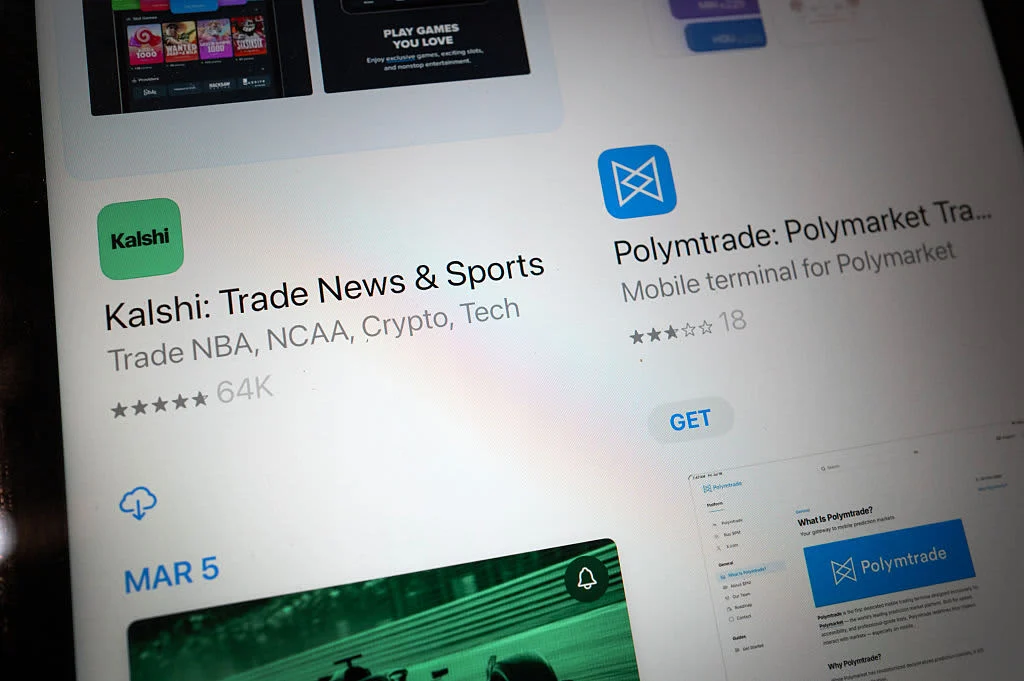
Kalshi, on its part, prominently featured the World Cup in its marketing, boasting on the Apple App Store that users could "Trade the World Cup" directly through its mobile platform. Such direct and timely marketing efforts capitalized on the global attention directed towards the tournament, making prediction markets more accessible and appealing to a wider audience. These engagement strategies are crucial for platforms seeking to convert fleeting interest into sustained user activity beyond major events.
Open Interest and Market Depth
Beyond notional trading volumes, the heightened open interest—the total number of active, unsettled contracts on the platforms—further underscored the depth of World Cup-driven engagement. Kalshi’s open interest soared above $1 billion, indicating a substantial commitment of capital across various contracts related to the tournament. Polymarket’s open interest, while just under $400 million, remained elevated and consistent with the high levels its international platform had seen in previous months, demonstrating sustained user confidence and liquidity even after the initial surge. These figures are vital metrics for assessing the health and maturity of a market, reflecting long-term participation and confidence in the platforms’ ability to settle contracts efficiently.
Regulatory Scrutiny and the "Pressure Test"
The dramatic surge in prediction market activity during the World Cup has not gone unnoticed by regulators and institutional observers. Asaf Meir, CEO of Solidus Labs, a market integrity company that maintains a partnership with Kalshi, emphasized the World Cup as a pivotal moment for these platforms. He highlighted that both regulators and financial institutions are closely monitoring how prediction markets perform under such intense pressure.
"Outside observers are asking, ‘Is it safe enough? Is it mature enough? Does it have enough volume?’" Meir stated, encapsulating the critical questions facing the industry. "The World Cup is such a huge pressure test to see whether indeed prediction markets are able to deliver their word on maintaining a level playing field for all investors for a long period of time in a sustained high-volume environment."
This scrutiny comes amidst an already complex and evolving regulatory landscape. In the U.S., prediction markets have faced challenges from regulatory bodies such as the Commodity Futures Trading Commission (CFTC), which has previously taken action against platforms, viewing certain contracts as illegal off-exchange commodity options. State-level actions, such as the CFTC’s lawsuit against Kentucky over its stance on prediction markets, further illustrate the ongoing legal and regulatory battles. The ability of platforms to handle unprecedented volumes without significant operational glitches, market manipulation, or security breaches will be crucial in demonstrating their integrity and advocating for clearer, more favorable regulatory frameworks.
The debate often centers on whether prediction markets constitute legitimate financial instruments for hedging and information aggregation or merely thinly disguised forms of gambling. The successful navigation of the World Cup surge, coupled with robust compliance and market integrity measures, could bolster arguments for their recognition as valuable economic tools, potentially paving the way for broader institutional adoption and clearer regulatory guidelines.
Broader Implications for the Future of Prediction Markets
While sports events were the primary catalyst for the recent surge, the performance of prediction market platforms during the World Cup offers valuable insights into their future potential across a wider array of contract topics. The successful management of high volumes and increased open interest in a global, high-profile event demonstrates the technical and operational capabilities of these platforms. This successful "pressure test" could enhance their credibility for contracts related to politics, economic indicators, scientific discoveries, or even corporate performance.
The World Cup has undoubtedly accelerated the conversation around prediction markets, pushing them into the mainstream consciousness for many who might not have previously encountered them. The industry’s ability to leverage this momentum will be critical. This includes expanding their offerings, refining user experience, and continuing to engage with regulators to establish a stable and predictable operating environment.
The joint venture between Robinhood and Susquehanna, the record-breaking volumes on Kalshi and Polymarket, and the intensified regulatory interest collectively point towards a transformative period for prediction markets. The 2026 FIFA World Cup has not only proven to be a monumental event for global sports but also a pivotal moment in the evolution and potential legitimization of prediction markets as a significant force in the financial landscape. Their continued growth and integration will depend on sustained operational excellence, clear regulatory pathways, and a broadening of their appeal beyond the thrilling, yet episodic, draws of major sporting events.
Disclosure: CNBC and Kalshi have a commercial relationship that includes customer acquisition and a minority investment.

