
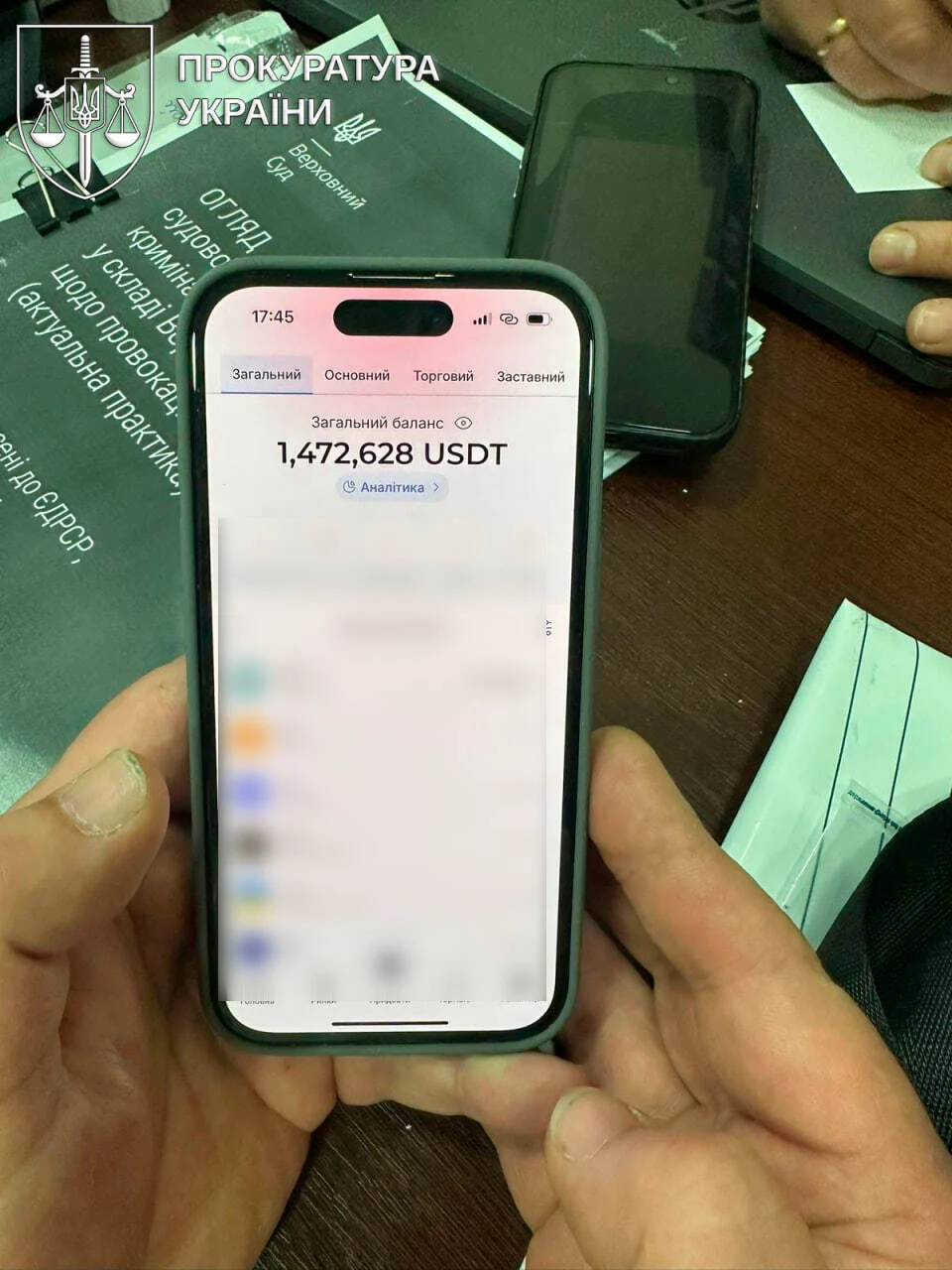
Ukrainian authorities have apprehended a key member of an international cybercrime network, a fugitive sought by the Federal Bureau of Investigation (FBI) for his alleged involvement in a sophisticated fraud and money laundering operation that inflicted losses exceeding $100 million across the United States and Europe. The arrest, a significant development in the ongoing global fight against cyber-enabled financial crime, occurred in the Transcarpathia region during a meticulously planned joint operation involving the National Police of Ukraine and various internal security units.
The suspect, whose identity has not been fully disclosed pending further investigations and extradition proceedings, had been on the run internationally for an extended period. His capture in the city of Uzhhorod marks the culmination of a protracted manhunt. Ukrainian police reported that the individual had been living under a fabricated identity, meticulously crafted through the use of forged documents, to evade law enforcement. This elaborate deception included fabricating official documentation asserting his own demise, a tactic designed to permanently remove him from official records and, thus, from the radar of global law enforcement agencies.
"He issued fictitious documents about his own death and continued to live in Ukraine as a ‘new’ person, using false documents," prosecutors stated in their official announcement, underscoring the depth of his deception. The investigation revealed that the arrested individual was instrumental in laundering the illicit proceeds generated by the cybercrime syndicate. This laundering process involved a range of illicit financial activities, prominently including the acquisition of real estate. To further obscure the ownership and flow of these ill-gotten gains, he frequently utilized relatives as intermediaries, creating layers of obfuscation to disguise his direct involvement and the origin of the funds.
The apprehended suspect was an integral part of a broader, highly organized cyber syndicate. This network specialized in deploying sophisticated malicious software, often referred to as malware, designed to infiltrate systems and harvest sensitive personal data and confidential corporate records. Once this information was obtained, the syndicate would engage in extortion, demanding significant payments from their victims. These demands typically involved the threat of publicly releasing stolen sensitive information or refusing to return crucial data, with payments often demanded in cryptocurrency to further anonymize the transactions. The criminal enterprise targeted a wide array of individuals and institutions, demonstrating a broad geographical reach and a diverse victim profile spanning both the United States and various European nations.
The scale of the operation and the financial sophistication of the syndicate underscore the evolving nature of cybercrime, which increasingly involves complex transnational networks and advanced money laundering techniques. The FBI’s involvement highlights the international cooperation necessary to combat such pervasive threats, with law enforcement agencies across continents sharing intelligence and coordinating efforts to dismantle these criminal organizations.
Seizure of Substantial Assets Underscores Criminal Proceeds
During the extensive investigation that led to the suspect’s arrest, Ukrainian authorities successfully seized a significant cache of assets believed to be directly linked to the criminal network’s activities. The total value of these confiscated assets is estimated to be approximately $11 million USD. This substantial seizure includes a diverse range of valuables, encompassing considerable amounts of cash, numerous real estate properties, a fleet of vehicles, and a significant amount of cryptocurrency, which alone is valued at around $3 million USD.
The cryptocurrency seizure is particularly noteworthy, reflecting the increasing reliance of cybercriminals on digital assets for both illicit transactions and wealth accumulation. The value of these digital holdings further illustrates the financial magnitude of the syndicate’s operations and the challenges authorities face in tracing and recovering such assets.
In addition to the direct seizure of assets, investigators also identified significant financial discrepancies between the declared income and the assets held by the suspect and his alleged associates. These discrepancies revealed tens of millions of Ukrainian hryvnias in unexplained wealth accumulation, pointing towards substantial undeclared income derived from criminal activities. The meticulous reconstruction of the financial trail associated with this unexplained wealth proved crucial in piecing together the intricate money laundering network and confirming the extensive scale of the operation. This investigative process also led to the identification of two additional accomplices who are believed to have played key roles in the money laundering operations.

The suspect now faces serious charges under Ukrainian criminal code provisions. These charges specifically address the egregious acts of document forgery and money laundering, offenses that carry significant penalties. His alleged accomplices have also been formally charged and remain in custody, indicating that the investigation is progressing towards a comprehensive prosecution of the individuals involved.
A Broader Landscape of Cybercrime Interdictions
The successful apprehension of this high-value cybercriminal is not an isolated incident but rather a testament to Ukraine’s increasing role and capability in combating transnational cybercrime. Earlier this year, in a coordinated effort involving Ukrainian, United States, and German law enforcement agencies, another significant transnational hacking group was dismantled. This group was responsible for the disruption of critical systems belonging to at least 11 American corporations, demanding substantial ransom payments, primarily in cryptocurrency, for the restoration of their services.
Prosecutor General Ruslan Kravchenko, a key figure in these investigations, highlighted the considerable damage caused by this earlier operation, estimating the financial losses to be around $1.5 million USD. The group comprised more than 20 members, with a notable seven individuals based within Ukraine, underscoring the domestic nexus of such international criminal enterprises.
In response to this earlier threat, authorities conducted a series of searches at the residences of two Ukrainian suspects. During these searches, law enforcement officials confiscated vital evidence, including computers, mobile phones, cash, and incriminating documents. Further investigations revealed that one of these suspects was also linked to the dissemination of BlackBasta malware, a notorious strain of ransomware known for its destructive capabilities and its role in numerous high-profile cyberattacks.
These repeated successes demonstrate a growing synergy between Ukrainian law enforcement and their international counterparts, particularly with agencies like the FBI and Europol. The strategic location of Ukraine, coupled with its growing expertise in cybersecurity and digital forensics, positions it as a critical partner in the global effort to disrupt and dismantle cybercriminal networks.
The Evolving Threat of Cyber-Enabled Financial Crimes
The case of the arrested suspect and the broader syndicate he belonged to highlights several critical trends in contemporary cybercrime:
- Sophistication of Operations: The syndicate’s ability to deploy custom malware, conduct large-scale data exfiltration, and engage in complex money laundering schemes indicates a high level of technical expertise and organizational capability.
- Global Reach: The prosecution of a network impacting both the United States and Europe underscores the borderless nature of cybercrime and the necessity for international cooperation.
- Exploitation of Digital Assets: The significant seizure of cryptocurrency demonstrates its continued appeal to criminals seeking anonymity and ease of transfer for illicit funds.
- Elaborate Deception Tactics: The use of forged death certificates and the involvement of family members as intermediaries illustrate the lengths to which cybercriminals will go to evade justice and conceal their identities and financial activities.
- Interconnectedness of Criminal Enterprises: The mention of BlackBasta malware in a separate but related investigation suggests potential overlaps and collaborations between different cybercriminal groups.
The financial losses incurred by victims, exceeding $100 million, represent not just monetary damage but also the significant costs associated with data breaches, reputational harm, and the disruption of business operations. The ongoing efforts by Ukrainian authorities, in collaboration with international partners like the FBI, are crucial in mitigating these threats and ensuring that perpetrators of these sophisticated crimes are brought to justice. The continued focus on intelligence sharing, joint investigations, and the effective prosecution of cybercriminals is paramount in safeguarding individuals and institutions from the ever-evolving landscape of digital threats. The successful extradition of the arrested individual to face charges in the United States or Europe, depending on the jurisdiction where the primary offenses occurred, will be a key indicator of the effectiveness of this international legal framework in holding transnational cybercriminals accountable.

