
By Joe Casey
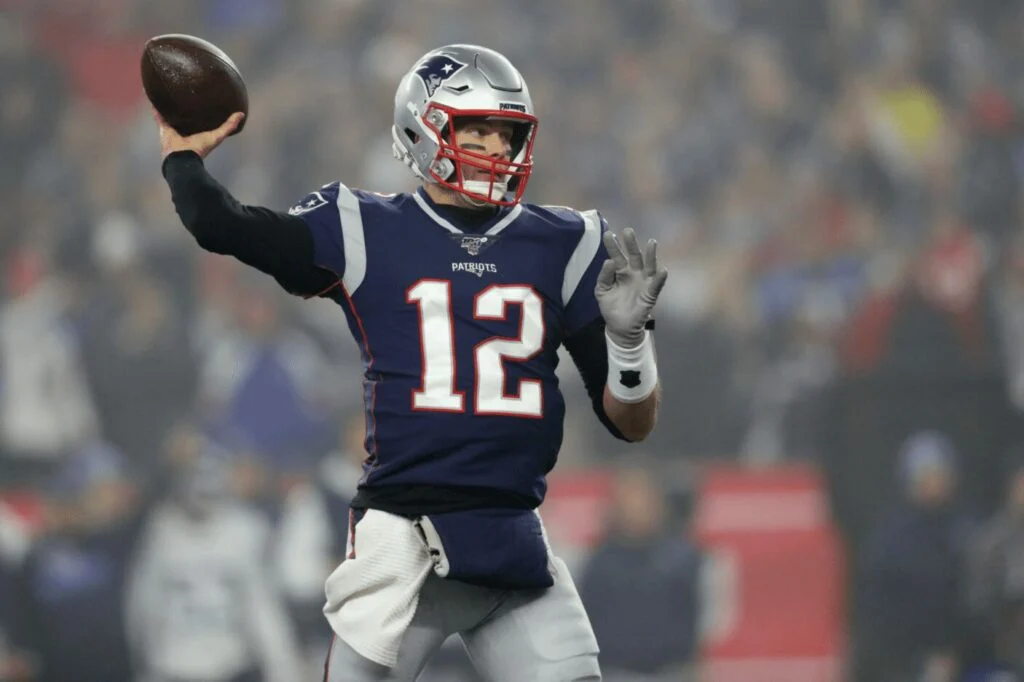
Tom Brady’s decision to retire from the National Football League, a move that reverberated through the sports world and beyond, offers a compelling case study for individuals contemplating their own career transitions and life after full-time employment. While Brady’s unparalleled success, immense wealth, and celebrity status might seem distant from the realities of most individuals, the underlying principles guiding his retirement are universally applicable. Examining the strategic and personal considerations that informed his departure can provide valuable insights for navigating the complex landscape of post-career life.
The End of an Era: A Chronology of a Legendary Career
Tom Brady’s NFL journey spanned an unprecedented 23 seasons, a testament to his enduring physical prowess and strategic acumen. Drafted in the sixth round of the 2000 NFL Draft by the New England Patriots, Brady quickly ascended to become one of the league’s most iconic figures. His career is punctuated by an astonishing seven Super Bowl victories, five Super Bowl MVP awards, and three NFL MVP awards. He holds numerous NFL records, including most career passing yards, most career passing touchdowns, and most career wins by a quarterback.
His initial retirement announcement in February 2022, after a 2021 season where he led the league in passing yards, was met with widespread surprise. However, just 40 days later, Brady reversed his decision, announcing his return for the 2022 season with the Tampa Bay Buccaneers. This brief hiatus underscored the profound impact his absence would have and highlighted the intricate decision-making process involved in such a monumental life change.
The second and seemingly final retirement announcement came on February 1, 2023. This time, the decision appeared more definitive. Brady, then 45 years old, cited a combination of factors, including his desire to spend more time with his family and his fulfillment of personal goals. This second departure marked the definitive conclusion of a career that redefined quarterback longevity and excellence.
Key Principles for Navigating Career Transitions
The lessons drawn from Tom Brady’s retirement extend far beyond the realm of professional sports, offering a framework for individuals in any field to consider as they approach their own career endpoints.
1. Recognizing the Right Time to Transition
Brady had openly expressed a desire to play until the age of 45, a goal he ultimately achieved. However, his decision to retire in February 2023, while meeting this age milestone, was also influenced by a confluence of other factors. This highlights a crucial aspect of career transitions: the importance of introspection and self-awareness. While a target retirement date can provide a useful benchmark, individuals should also regularly assess their professional satisfaction, physical and mental well-being, and overall readiness to move on.
It is critical to acknowledge that life circumstances can often dictate the timeline for retirement. Data from the U.S. Bureau of Labor Statistics indicates that a significant percentage of individuals do not retire by choice. For instance, the Employee Benefit Research Institute’s (EBRI) Retirement Confidence Survey has consistently shown that a notable portion of retirees cite health issues or job loss as primary drivers for an earlier-than-planned departure from the workforce. This underscores the value of being attuned to both personal readiness and external realities, and having the flexibility to adapt retirement plans accordingly. The ability to transition on one’s own terms, even if it falls short of an initial target, is a significant advantage.
2. The Advantage of Exiting at the Peak
In his final NFL season, Tom Brady continued to perform at an elite level, leading the league in passing yards and being considered an MVP candidate. This decision to step away while still demonstrating exceptional capability contrasts with the common phenomenon of individuals extending their careers beyond their peak performance. This practice, observed in both professional sports and various business sectors, can sometimes lead to a diminished legacy.
Brady’s approach suggests a strategic advantage in leaving the professional arena on a high note. For individuals, this translates to considering how their contributions are perceived at the culmination of their careers. Will they be remembered for their sustained excellence, or for an extended period of declining effectiveness? The choice to retire from a position of strength allows for a more positive and impactful exit, preserving a reputation built on consistent high performance. This proactive approach empowers individuals to control their narrative and ensure their final professional chapters are defined by their enduring strengths.
3. Proactive Planning for the "Next Act"
Brady’s career trajectory exemplifies the wisdom of building a foundation for post-career endeavors well in advance of full retirement. Throughout his playing days, he strategically invested in and developed a portfolio of businesses, including ventures in health and wellness, apparel, and production. This foresight allowed him to transition smoothly into a new phase of his professional life, leveraging his established brand and business acumen.
This principle is highly relevant for individuals contemplating retirement. The period of full-time employment offers a unique opportunity to explore and develop interests that can form the basis of future activities. Whether the aspiration is to engage in part-time work, volunteer extensively, pursue consulting opportunities, write a book, or dedicate time to travel and personal passions, early exploration is key. Researching potential avenues, gaining practical experience through internships or volunteer roles, and networking with individuals already engaged in these activities can provide invaluable insights. Making time, perhaps once a month, to connect with retired professionals who are living the life you envision can offer realistic perspectives and actionable advice. This proactive approach mitigates the potential for a sudden and disorienting shift, fostering a sense of continuity and purpose.
4. Prioritizing Family Considerations
Speculation surrounding Tom Brady’s retirement often points to family considerations as a significant driving force. This resonates deeply with many individuals who balance demanding careers with familial responsibilities. The decision to retire is rarely solely an individual one, especially for those in committed relationships or with children.
A critical, yet often overlooked, aspect of retirement planning for couples is open and honest communication. A survey by Fidelity Investments revealed a significant disconnect between partners regarding their retirement timelines, with a substantial percentage of respondents misjudging when their significant other intended to retire. This highlights the necessity of ongoing dialogue, active listening, and mutual understanding. Retirement planning should be a shared endeavor, involving a series of conversations to ensure both partners’ expectations, desires, and concerns are addressed. Assuming one knows what their partner is thinking can lead to misunderstandings and potential conflict. Proactively discussing retirement not only aligns individual plans but also strengthens the partnership.
5. Maintaining Professional Grace and Integrity
Brady’s retirement announcement drew some criticism for its perceived omission of the New England Patriots, the team with which he spent the majority of his storied career. While the emotional nuances of such a transition are complex, the broader principle of exiting with grace and professionalism remains paramount. Maintaining a dignified approach, avoiding public disputes, and refraining from burning bridges are essential for preserving long-term relationships and reputation.
The temptation to express grievances or engage in contentious exchanges during a career departure can be strong, but often proves detrimental. Anecdotal evidence, such as the widely circulated story of a former employee’s "scorched earth" resignation letter, illustrates the negative repercussions of such actions. These outbursts, while offering temporary catharsis, can have lasting professional consequences, hindering future opportunities and damaging one’s credibility. Choosing to rise above petty disputes and depart with integrity ensures a more positive and respected exit, leaving a legacy of professionalism rather than acrimony.
6. The Possibility of Unretirement
The concept of "unretirement" is a growing phenomenon, with a significant percentage of individuals returning to the workforce after initially retiring. Studies, including those examining trends in the U.S. and UK prior to the pandemic, indicated that over 20% of retirees returned to work within five years. Financial considerations are often cited, but many individuals also return due to a desire for purpose, social engagement, and cognitive stimulation that their previous careers provided.
Tom Brady’s brief return to the NFL after his first retirement announcement serves as a contemporary example of this possibility. The potential for athletes, or indeed professionals in any field, to reconsider their retirement decisions is a testament to the enduring appeal of their craft and the challenges of fully disengaging from a deeply ingrained professional identity. For individuals, this suggests that retirement does not necessarily represent a permanent closure. Maintaining flexibility in one’s post-career plans, and acknowledging the possibility of re-engagement, can be a wise approach. This could involve keeping professional networks active, staying abreast of industry developments, or identifying opportunities for part-time or project-based work that align with evolving interests and circumstances.
Broader Implications and Future Considerations
Tom Brady’s retirement is more than just the end of an athlete’s career; it’s a reflection of evolving perspectives on work, life, and legacy. His sustained success at an advanced age for an NFL quarterback has challenged traditional notions of professional lifespan. His strategic approach to building a post-playing career provides a blueprint for individuals seeking to maintain relevance and purpose beyond their primary occupations.
The lessons derived from his experiences underscore the importance of proactive planning, personal well-being, and strong interpersonal relationships. As individuals navigate their own career journeys, considering these principles can lead to more fulfilling and less stressful transitions. The ability to adapt, to remain open to new possibilities, and to approach the conclusion of one’s professional life with intentionality and grace will undoubtedly shape the quality of one’s retirement years. The ongoing dialogue about the future of work and retirement will undoubtedly continue to draw insights from such prominent figures, offering a rich tapestry of learning opportunities for all.

